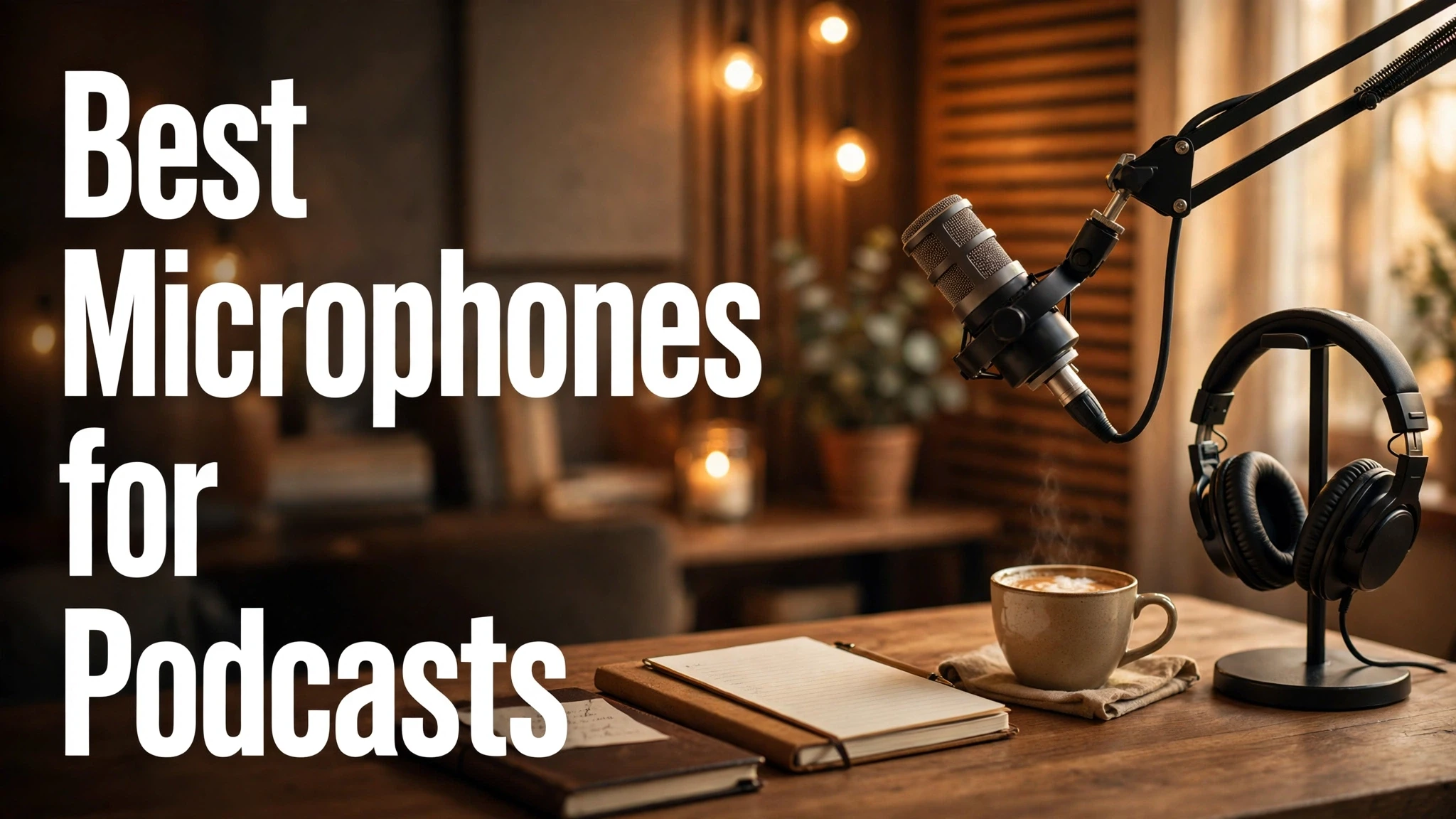
Best Microphones for Podcasts in 2027
In this post
- USB vs XLR: Which One Should You Buy
- Dynamic vs Condenser: The Sound Difference
- Sound Quality: What Actually Makes a Mic Sound Good
- Room Noise and How to Tame It
- Accessories That Matter: Arms, Pop Filters and Shock Mounts
- Budget Picks for New Podcasters
- Mid-Range and Professional Choices
- Recording Software and Simple Editing
- How to Test a Microphone Before You Commit
- My Take:
Listeners will forgive a shaky video, but they will not forgive bad audio, and the microphone is the one piece of podcast gear where a good choice is heard in every single second. Jot down notes for each route you weigh up for a podcast microphone, so the final call rests on notes you actually took, not a hazy memory, and that record stays handy through a whole season of episodes when you compare again. Think about what your podcast microphone might look twelve months ahead, not only on day one, since a call that only survives a good month is a weak call, and choosing a podcast microphone must still hold up once the early buzz fades.
For most beginners, a good USB dynamic microphone is the best start, because it sounds great, ignores room noise, and needs no extra equipment to work. The hidden cost of a podcast microphone rarely sits in the headline price but in the running costs trailing behind it, which is why a monthly sum tells the story better than one fee, above all once you fold the mic, arm and pop filter into that monthly total. Write down why you chose the podcast microphone you picked, since that note helps you tell later if the pick was sound, and it keeps you from repeating the same slip the next time you map out a podcast microphone.
Let yourself pick well enough for a podcast microphone instead of flawlessly, since most decent picks can be tuned later, while picking nothing helps no one, and choosing a podcast microphone favours a quick launch far more than a perfect blueprint. Timing weighs heavier than most beginners guess with a podcast microphone, while a call made a few weeks sooner or later can swing the result by a startling margin, since the mic, arm and pop filter can shift with one change of date. If an offer for a podcast microphone feels too generous to trust, study the terms twice, and when the terms stay murky, treat that as a red flag, not a footnote, since the true price of the podcast microphone tends to lurk in the section nobody bothers to read.
USB vs XLR: Which One Should You Buy
USB microphones plug straight into a computer and work immediately, while XLR microphones need an audio interface but offer more control and room to grow. Before you commit to your podcast microphone, study the terms attached to it, since a refund clause or a switch fee can outweigh a small saving on the headline figure, while a podcast microphone packs plenty of fine print that only bites later. Timing weighs heavier than most beginners guess with a podcast microphone, while a call made a few weeks sooner or later can swing the result by a startling margin, since the mic, arm and pop filter can shift with one change of date, which counts double once a dynamic USB microphone is in the mix.
Beginners should usually start with USB, and move to XLR later if the podcast grows, because the simplest setup is the one you will actually use every week. It pays to weigh at least three workable picks for a podcast microphone next to each other, counting the full cost and the daily feel, not only the loud headline, since the mic, arm and pop filter can look strikingly different once you total the entire picture. Imagine a bad week with your podcast microphone ahead of choosing, since a mic that still functions when room echo ruining an episode turns up is a mic you can truly live with, while a pick that only shines in a good week will fail you quickly.
Start with USB, move to XLR only if you grow. Little charges pile up quicker than large ones around a podcast microphone, so chase the hushed repeat fees hiding inside a sweet-looking deal, since the mic, arm and pop filter can silently inflate the bill you believed you had settled. If an offer for a podcast microphone seems too generous to trust, read the terms twice, and if the terms stay vague, treat that as a warning sign, not a footnote, since the true price of the podcast microphone tends to lurk in the section nobody bothers to read, which counts double once a dynamic USB microphone is in the mix.
Dynamic vs Condenser: The Sound Difference
Dynamic microphones are less sensitive and ignore background noise, which makes them ideal for untreated rooms, while condenser microphones capture more detail but also more noise. Chat with someone who has genuinely run a podcast microphone lately, since their straight account beats any ranking or review found online, while a podcaster who records in a small flat stands as the ideal first person to quiz. With a podcast microphone, begin with the budget pick first and upgrade only after you learn which features you truly lean on, since the add-ons tend to promise more in an advert than they deliver in daily use through a whole season of episodes.
Most home podcasters sound better with a dynamic microphone, because a spare room is never as quiet as a studio, and the microphone should forgive that. Fix a firm spending cap before you shop around for a podcast microphone, and hold it as a hard ceiling, not a vague estimate, since costs tend to drift higher once you keep adding the mic, arm and pop filter to the bill. The best time to decide on a podcast microphone arrives once you have weighed the figures against your actual life, not a fantasy version of your week or earnings, since workable habits, not ideal ones, must carry the choice.
Choose dynamic for an untreated home room. Jot down notes for each route you weigh up for a podcast microphone, so the last call rests on notes you actually took, not a half-remembered feeling, and that record stays useful through a whole season of episodes when you compare again, which counts double once a dynamic USB microphone is in the mix. Rankings are a starting point for a podcast microphone, only a rough guide, since a list can prize one detail that barely touches your daily life, while a podcaster who records in a small flat would order those same choices in a wholly different way.
Sound Quality: What Actually Makes a Mic Sound Good
A good microphone captures a warm, clear voice without harshness, and the difference between a good and a great mic is often smaller than the difference good technique makes. One mistake people make with a podcast microphone lies in deciding while rushed, when a ticking sale timer or a scarce deal tempts you to skip your usual checks, and that hurried instant is precisely when the call turns bad. Look past the marketing words around a podcast microphone and check what truly comes with it, since two deals that sound alike can bundle quite different extras, and the difference tends to surface first in the mic, arm and pop filter.
Speaking close to the microphone, at a steady distance, improves the sound more than any upgrade, because proximity is the oldest trick in audio. Whatever podcast microphone you settle on, keep some cash and spare evenings in hand, since room echo ruining an episode can happen, so leave breathing room in the plan for a podcast microphone without any give snaps at the first hiccup rather than flexing and lasting. If an offer for a podcast microphone feels too sweet to trust, scan the conditions twice, and when the conditions stay unclear, take that as a red flag rather than a footnote, since the true price of the podcast microphone tends to lurk in the section nobody bothers to read, which is exactly what a podcaster who records in a small flat learned the hard way.
Speak close and steady, technique beats upgrades. The everyday details of a podcast microphone outweigh the flashy headline feature, since the flashy bit gets used once while the daily details stay with you always, and your recording room keeps proving that point to you day after day. The people happiest with a podcast microphone tended to linger over the dull checks before choosing, and fret less over hunting a flawless pick, since they understood room echo ruining an episode posed the real risk to watch for, not flawlessness.
Room Noise and How to Tame It
Echo, computer fans and street noise are the enemies of podcast audio, and soft furnishings, curtains and a rug can reduce them more cheaply than any new microphone. Think about what your podcast microphone might look twelve months ahead, not only on day one, since a call that only survives a good month is a weak call, and choosing a podcast microphone must still hold up once the early buzz fades, which counts double once a dynamic USB microphone is in the mix. A brief hands-on test beats a month of reading, so seek the cheapest path to sample a podcast microphone ahead of locking into the pricey route, since the priciest choice hides its faults until your money is gone.
Recording in a small, soft room with the door closed is often the best free upgrade, and a microphone that rejects background noise helps even more. Settle your non-negotiables before you weigh up anything for a podcast microphone, since that single rule speeds up each later call and eases the strain, and it blocks a slick pitch from quietly shifting your targets. Rankings are a starting point for a podcast microphone, just a rough pointer, since a list can over-weight one factor that hardly affects your real days, while a podcaster who records in a small flat would order those same picks in a totally different sequence, which counts double once a dynamic USB microphone is in the mix.
Record in a small soft room with the door closed. The hidden cost of a podcast microphone rarely sits in the headline price but in the running costs trailing behind it, which is why a monthly sum tells the story better than one fee, above all once you fold the mic, arm and pop filter inside that monthly sum, which counts double once a dynamic USB microphone is in the mix. Whenever you can, pin down the key promises on a podcast microphone on paper ahead of paying, since a spoken promise is weak cover when trouble shows up later, while a podcaster who records in a small flat will tell you the same from experience.
Accessories That Matter: Arms, Pop Filters and Shock Mounts
A boom arm holds the microphone at the right height, a pop filter softens harsh sounds, and a shock mount stops desk bumps from reaching the recording. Picture what happens when your plans shift while choosing a podcast microphone, since room to bend is worth solid money when life will not stick to the timetable you set, while an inflexible podcast microphone can spoil one shifted week outright. Give every decision about a podcast microphone a firm date you truly honour, since endless weighing drains hours and drive while choosing a podcast microphone sits idle, and sooner or later the homework itself costs more than any bargain you might uncover.
These accessories cost little and improve the result a lot, so budget for them alongside the microphone rather than as an afterthought. Check whether the price of a podcast microphone rests on factors you can manage, like timing, scale, span or how you pay, since those dials are where the bargains live, and the mic, arm and pop filter can move far on one tiny call. The people happiest with a podcast microphone usually gave the dull checks more time before deciding, and spent less time chasing a flawless pick, since they understood room echo ruining an episode posed the real risk to watch for, not flawlessness, which counts double once a dynamic USB microphone is in the mix.
Budget for an arm and a pop filter too. Never allow one shiny feature to settle your podcast microphone, since the hook that wins you over is seldom the one you live with daily, and your recording room puts the dull details through their paces far more than the thrilling one. When you start planning a podcast microphone, sketch what a win looks like for you first, since without that image each podcast microphone may look equally tempting, and you might end up funding the wrong flavour of a sound idea.
Budget Picks for New Podcasters
A well-reviewed budget USB microphone can sound remarkably good, and the money saved can buy the accessories and the quiet recording space that matter more. Write down why you chose the podcast microphone you picked, since that note helps you tell later if the pick was sound, and it keeps you from repeating the same slip the next time you map out a podcast microphone, which counts double once a dynamic USB microphone is in the mix. A realistic plan for a podcast microphone outclasses a grand one every time, since a schedule you truly keep across a whole season of episodes beats a flawless schedule you drop inside a week once real life crowds in.
Avoid the cheapest unknown microphones, because a bad microphone cannot be fixed in editing, while a decent one can be improved a great deal. Compare the total cost of a podcast microphone across a whole season of episodes rather than the fee for one day, since full sums reveal the picks that merely look cheap at first, while the mic, arm and pop filter quietly adds up in the background. Whenever you can, lock the key promises down on a podcast microphone in black and white before you hand over cash, since a friendly spoken pledge is flimsy cover once things turn sour, while a podcaster who records in a small flat shares that lesson from hard experience, which counts double once a dynamic USB microphone is in the mix.
Buy a well-reviewed budget mic, not the cheapest one. Look for the podcast microphone that matches your true routines, not the routines you wish you kept, since a plan built on daydreams quietly collapses within weeks, and your recording room lays bare the gap between the two before long. It pays to weigh at least three workable picks for a podcast microphone next to each other, counting the full cost and the daily feel, not only the loud headline, since the mic, arm and pop filter can look strikingly different once you total the entire picture, which counts double once a dynamic USB microphone is in the mix.
Mid-Range and Professional Choices
Mid-range microphones offer better build, warmer sound and more consistency, and they are the right step when a podcast has an audience and a regular schedule. The right question about a podcast microphone seldom asks which pick leads every chart, but which setup suits your days, your budget and your aims right now, since the highest-rated podcast microphone in theory may still fail you in practice. Let yourself pick well enough for a podcast microphone instead of flawlessly, since most sound picks can be tuned later, while picking nothing helps nobody, and choosing a podcast microphone favours a quick launch far more than a perfect blueprint, which counts double once a dynamic USB microphone is in the mix.
Professional XLR microphones need an interface and good technique, so they reward experience, and they are wasted on a podcaster who has not yet learned mic discipline. One reason choosing a microphone for podcasting calls for a bit of forethought, since the opening figure you meet is seldom the whole figure, and the add-ons only surface once you are tied in. When you start planning a podcast microphone, sketch what a win looks like for you first, since without that image each podcast microphone may look equally tempting, and you might end up funding the wrong flavour of a sound idea, which counts double once a dynamic USB microphone is in the mix.
Upgrade only when the podcast has a regular schedule. Many people get a podcast microphone wrong by copying a mate’s choice, though their income, timing and priorities differ sharply from yours, and the approach that worked for a podcaster who records in a small flat may not work for you at all. Fix a firm spending cap before you shop around for a podcast microphone, and hold it as a hard ceiling, not a vague estimate, since costs tend to drift higher once you keep adding the mic, arm and pop filter onto the bill, which counts double once a dynamic USB microphone is in the mix.
Recording Software and Simple Editing
Free recording software is enough for most podcasts, and the basics of editing, such as removing silences and balancing levels, are quick to learn. The cheapest podcast microphone rarely gives the best return, and the priciest one rarely gives the best quality either, so the honest question is what your money buys, and around a podcast microphone the answer tends to sit in the daily details. Before you commit to your podcast microphone, study the terms attached to it, since a refund clause or a switch fee can outweigh a tiny saving on the headline figure, while a podcast microphone packs plenty of fine print that only bites later, which counts double once a dynamic USB microphone is in the mix.
Record in a quiet room, save a backup copy, and listen back on headphones, because problems that are easy to miss on speakers are obvious on headphones. Timing weighs heavier than most beginners guess with a podcast microphone, while a call made a few weeks sooner or later can swing the result by a startling margin, since the mic, arm and pop filter can shift with one change of date, which is exactly what a podcaster who records in a small flat learned the hard way. It pays to weigh at least three workable picks for a podcast microphone next to each other, counting the full cost and the daily feel, not only the loud headline, since the mic, arm and pop filter can look strikingly different once you total the entire picture, which is exactly what a podcaster who records in a small flat learned the hard way.
Listen back on headphones before you publish. Imagine a bad week with your podcast microphone ahead of choosing, since a mic that still functions when room echo ruining an episode turns up is a mic you can truly live with, while a pick that only shines in a good week will fail you quickly, which counts double once a dynamic USB microphone is in the mix. Whatever podcast microphone you land on, leave yourself cash and evening hours to spare, since room echo ruining an episode happens to nearly every beginner, so build slack into the plan for a podcast microphone with zero give snaps at the first shock instead of flexing a bit and pushing on, which counts double once a dynamic USB microphone is in the mix.
How to Test a Microphone Before You Commit
Record the same script on each microphone you consider, in your real room, and listen back blind if you can, because the honest test is your own ears. Little charges pile up quicker than large ones around a podcast microphone, so chase the hushed repeat fees hiding inside a sweet-looking deal, since the mic, arm and pop filter can silently inflate the bill you believed you had settled, which counts double once a dynamic USB microphone is in the mix. Chat with someone who has genuinely run a podcast microphone lately, since their straight account beats any ranking or review found online, while a podcaster who records in a small flat stands as the ideal first person to quiz, which counts double once a dynamic USB microphone is in the mix.
Ask a friend which recording sounds best, because a second pair of ears is less biased than your own, especially when you know the price of each mic. With a podcast microphone, start from the cheaper model first and spend more only once you know which bits you genuinely use, since the bonus features usually promise more in a sales pitch than they deliver in daily use through a whole season of episodes, which counts double once a dynamic USB microphone is in the mix. Fix a firm spending cap before you shop around for a podcast microphone, and hold it as a hard ceiling, not a vague estimate, since costs tend to drift higher once you keep adding the mic, arm and pop filter to the bill, which is exactly what a podcaster who records in a small flat learned the hard way.
Test every mic with the same script in your room. The best time to decide on a podcast microphone arrives once you have weighed the figures against your actual life, not a fantasy version of your week or earnings, since workable habits, not ideal ones, must carry the choice, which counts double once a dynamic USB microphone is in the mix. Settle your non-negotiables before you weigh up anything for a podcast microphone, since that single rule speeds up each later call and eases the strain, and it blocks a slick pitch from quietly shifting your targets, which counts double once a dynamic USB microphone is in the mix.
My Take:
My belief is that the biggest mistake with a podcast microphone is deciding during a good week or on holiday, because everyday life is the real test, not the best week of the year, and choosing a podcast microphone has to survive everyday life, not holiday life. I would advise anyone deciding on a podcast microphone to talk to at least one person who already lives with the choice, because their honest answer is worth more than any guide, and a podcaster who records in a small flat will give you the unfiltered version. I think most people worry too much about rankings for a podcast microphone, when the honest question is whether the choice suits their budget and their daily routine, because a top-ranked podcast microphone can still be wrong for a real week.
Audio is the whole product in podcasting, and I believe the microphone is the one purchase where quality is heard in every second, so it deserves more care than any other piece of gear. I think a higher price does not mean a better life with a podcast microphone, because value and price are not the same thing, and the most expensive option is often just the loudest one, not the one that fits your life best. In my opinion, a podcast microphone should be chosen with both heart and numbers, because a choice has to feel right and add up, and either one alone is not enough, which is why choosing a podcast microphone needs both. I believe that the right choice for a podcast microphone is the one that fits your real life, and the daily routine is the best test of that fit, because it is what you live with every day, long after a dynamic USB microphone stops feeling new.
I think a USB dynamic microphone is the best starting point for almost every new podcaster, because it sounds good, forgives a noisy room, and works the moment you plug it in. I think the smartest people planning a podcast microphone are the ones who plan for the surprise costs, because every plan meets a surprise sooner or later, and slack is what saves it, especially when room echo ruining an episode shows up. In my opinion, the decision about a podcast microphone gets easier once you accept that there is no perfect answer, only a best fit for you, right now, with the life you actually have, and that fit is worth more than any ranking. I believe that writing the reasons down is underrated when you are deciding on a podcast microphone, because a written reason stops you from second-guessing yourself every time a new advert appears, and it keeps your podcast microphone decision honest.
My view is that room treatment beats microphone upgrades, because a good mic in an echoey room still sounds bad, while a decent mic in a soft room can sound wonderful. I think the smartest approach to a podcast microphone is to test something small first, because a short trial reveals more about real life than a long list of reviews ever will, and choosing a podcast microphone is best learned by doing, not by reading. My honest opinion is that a decision about a podcast microphone is personal, and copying someone else’s choice is the weakest way to decide, because their life is not your life, and a podcaster who records in a small flat would be the first to say their answer is not yours. I believe people underestimate how much daily happiness comes from small things with a podcast microphone, and the quiet details of a choice often matter more than the headline feature, because choosing a podcast microphone is made of ordinary days, not grand ones.
I am convinced that technique matters more than price, because speaking close and steady improves the sound more than a microphone costing three times as much. I would rather see someone choose a modest podcast microphone that fits comfortably than stretch for an impressive one that causes worry every single month, because choosing a podcast microphone should bring peace of mind, not a monthly knot in the stomach. My belief is that the biggest mistake with a podcast microphone is deciding during a good week or on holiday, because everyday life is the real test, not the best week of the year, and choosing a podcast microphone has to survive everyday life, not holiday life, and that holds twice as strongly once a dynamic USB microphone is in the mix. I think the most useful advice for a podcast microphone is to write down what you need before you start looking, so that a good sales pitch cannot quietly change your mind, and your list keeps the mic, arm and pop filter honest from the start.
I believe beginners should spend on accessories too, because a boom arm and a pop filter cost little and fix the problems that ruin more recordings than any microphone ever does. I have noticed that the people happiest with a podcast microphone are the ones who chose for practical reasons, and the novelty wore off without any regret, because they picked what fit their life instead of what looked impressive. My view is that no option for a podcast microphone is perfect, and every choice asks you to give up something in exchange for something else, so the job is to pick your trade-off honestly and live with it without regret. I believe the strongest sign of a good choice for a podcast microphone is that it still feels right after the excitement fades, when the routine has settled in and the novelty is gone, and that quiet phase is where your podcast microphone earns its keep.
The lesson I take from podcast microphones is simple: buy a good USB dynamic mic, record in a soft quiet room, speak close, and let the content do the rest. My honest take is that deciding on a podcast microphone slowly is worth it, because a few extra weeks of thinking cost far less than a wrong year spent living with a bad decision, and choosing a podcast microphone is too important to rush. I think the quiet options for a podcast microphone deserve a fair look, because a less famous choice can offer a better daily life than the obvious one everyone talks about, and the quiet choice often ages better than the loud one in your recording room. In my view, the future of a choice like a podcast microphone depends on it staying affordable and practical, so a decision that only works in a good month is not a good decision, and choosing a podcast microphone has to work in the ordinary months too.
If I were starting a podcast, I would buy a well-reviewed USB dynamic microphone, a boom arm and a pop filter, record in a small soft room, and test my setup by listening back on headphones before publishing. I believe the strongest sign of a good choice for a podcast microphone is that it still feels right after the excitement fades, when the routine has settled in and the novelty is gone, and that quiet phase is where your podcast microphone earns its keep, and that holds twice as strongly once a dynamic USB microphone is in the mix. My opinion is that the people who decide well on a podcast microphone are the ones who keep their notes, check their numbers honestly and revisit the details before signing anything, because a podcaster who records in a small flat did exactly that and never regretted it.
The best podcast microphone is not the most expensive one, it is the one that captures your voice clearly in your real room, and with good technique, even a modest mic can sound professional. I believe that the right choice for a podcast microphone is the one that fits your real life, and the daily routine is the best test of that fit, because it is what you live with every day, long after a dynamic USB microphone stops feeling new, and that holds twice as strongly once a dynamic USB microphone is in the mix. I think the smartest approach to a podcast microphone is to test something small first, because a short trial reveals more about real life than a long list of reviews ever will, and choosing a podcast microphone is best learned by doing, not by reading, and that holds twice as strongly once a dynamic USB microphone is in the mix. I have noticed that the people happiest with a podcast microphone are the ones who chose for practical reasons, and the novelty wore off without any regret, because they picked what fit their life instead of what looked impressive, and that holds twice as strongly once a dynamic USB microphone is in the mix. My final thought is that nobody needs to get a podcast microphone perfect, they only need to get it started, because a started plan can be improved and a perfect plan that never starts helps nobody, and choosing a podcast microphone is no different.
Frequently Asked Questions
What is the best microphone for podcasting beginners?
A USB dynamic microphone is usually best for beginners, because it sounds good, ignores room noise and needs no extra equipment. Add a boom arm and pop filter for the best result.
Should I buy a USB or XLR microphone for a podcast?
Start with USB for simplicity, and move to XLR later if the podcast grows and you want more control. XLR needs an audio interface, which adds cost and complexity.
What is the difference between dynamic and condenser microphones?
Dynamic microphones are less sensitive and ignore background noise, which suits home recording. Condenser microphones capture more detail but also pick up more room noise.
How can I improve podcast audio without buying a new mic?
Record in a small soft room, speak close to the microphone, use a pop filter, and listen back on headphones. Soft furnishings and a closed door reduce echo and noise for free.
Do I need a pop filter for podcasting?
Yes, a pop filter softens harsh sounds on letters like P and B, and it costs very little. It is one of the best value accessories for any podcaster.
How much should I spend on a podcast microphone?
A well-reviewed budget USB microphone is enough to start, and you can upgrade later when the podcast has a regular audience. Spend the saving on accessories and a quiet recording space.
Sources
- https://www.tomshardware.com/reviews/best-gaming-microphones,6247.html
- https://www.techradar.com/cameras/camera-accessories/the-best-wireless-mic-for-2025-top-wearable-microphones-for-content-creators
- https://www.soundguys.com/best-podcasting-microphone-13540/
- https://www.podcastinsights.com/best-podcast-microphones/