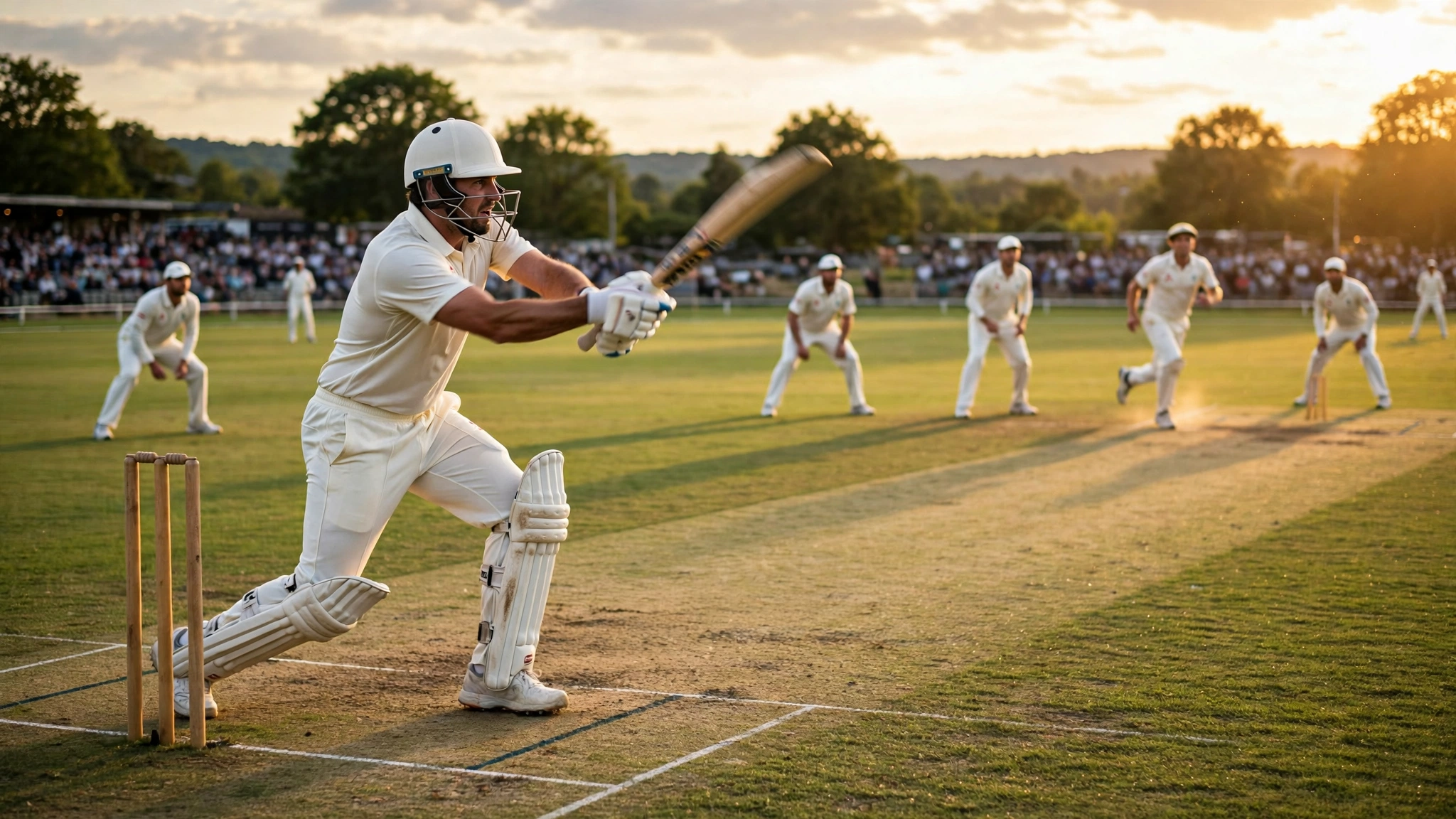
Double Century Explained With Records
In this post
Two hundred runs. One batsman. One innings. In a one-day cricket match, where each team has only 50 overs, that is a rare and remarkable achievement. It is called a double century, and it has happened only a handful of times in the history of one-day international cricket. This post explains, in simple words, what a double century is, how the record has grown, who holds the fastest and highest scores, and why the most recent one, by Harry Brook in October 2026, was special even though his team lost.
What A Double Century Means
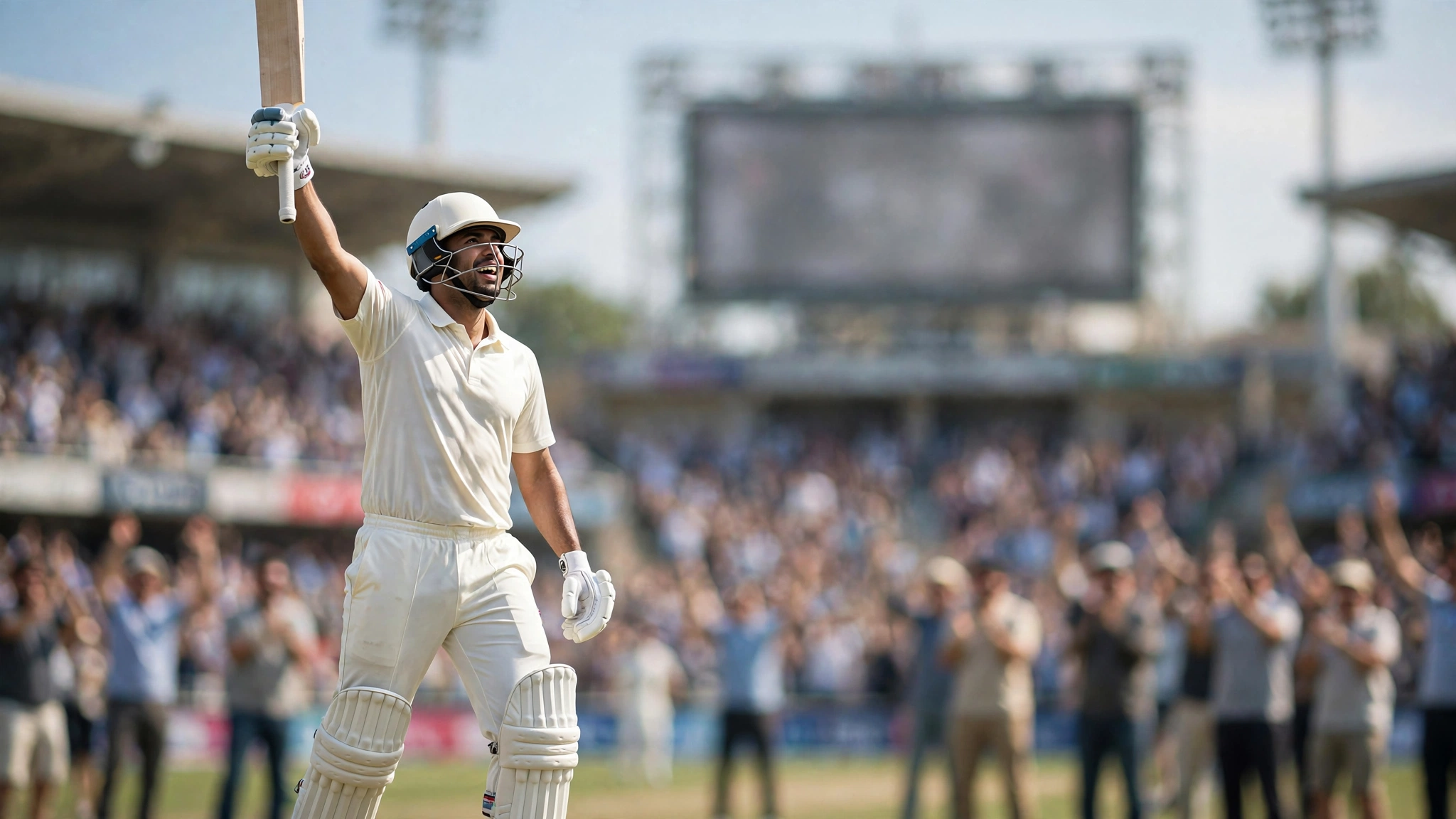
A double century means one batsman scores 200 or more runs in a single innings. The word “double” comes from the century: 100 runs is a century, so 200 runs is a double century. In one-day international cricket, known as ODI, each team bats for a maximum of 50 overs, which is 300 legal balls. Scoring 200 runs in that time means scoring at a very high rate, while also staying in long enough to face the balls needed. A batsman who scores a double century has usually faced more than 100 balls, hit more than 15 boundaries, and carried his team’s innings almost single-handedly.
The achievement is different from a double century in Test cricket, where there is no limit on overs and a batsman can bat for days. In ODI cricket, the 50-over limit makes 200 a race against the clock as well as against the bowlers. The batsman must score quickly and stay in, at the same time, which is why double centuries in ODI cricket were thought impossible for most of the format’s history. The first one did not come until 2010, almost forty years after the first ODI was played.
The First Double Century: Sachin Tendulkar
The first double century in ODI cricket was scored by Sachin Tendulkar of India, against South Africa at Gwalior, on 24 February 2010. Tendulkar scored 200 not out off 147 balls, and India won the match. Before that day, the highest ODI score was 194, by Saeed Anwar of Pakistan in 1997, and by Charles Coventry of Zimbabwe in 2009, who matched it. The 200 mark seemed like a barrier that might never be broken in 50 overs. Tendulkar broke it, and he did it without being dismissed, carrying his bat through the innings.
Tendulkar’s innings changed how people thought about ODI batting. If 200 was possible, then the limits of the format were higher than anyone had assumed. Within a year, Virender Sehwag of India scored 219 against the West Indies. Within two years, Rohit Sharma began the run of scores that would make him the only player with three ODI double centuries. The barrier, once broken, was broken repeatedly, but it remained rare. As of late 2026, only 11 batsmen had scored 14 double centuries in ODI cricket, according to SportsAdda’s list.
The Fastest: Harry Brook’s 114 Balls
The fastest ODI double century, by balls faced, was scored by Harry Brook of England, against Sri Lanka at Rawalpindi, on 22 October 2026. Brook reached 200 off 114 balls, and finished with 202 off 116 balls, including 21 fours and 10 sixes. SportsAdda reported it as the fastest double century in ODI history, beating the previous record by one ball. The innings was remarkable for its speed and its power: Brook attacked from the start, hit the ball to all parts of the ground, and reached the milestone in less than 20 overs of batting.
Brook’s innings had a painful twist. England lost the match, making Brook the only batsman to score an ODI double century in a losing side. Sri Lanka chased down England’s total, and Brook’s 202 was not enough. That does not diminish the innings. It makes it more memorable, because it shows that even the greatest individual performance cannot always save a team. The record book will show the fastest double century, and the result book will show a defeat, on the same day, for the same player.
The List In Order Of Speed
SportsAdda’s list of the fastest ODI double centuries, by balls faced, shows how the record has been pushed lower over time. After Brook’s 114 balls, the next fastest are Shubman Gill of India, who reached 200 off 117 balls against New Zealand at Guwahati on 30 September 2026, scoring 117 in that innings, and Ishan Kishan of India, who reached 200 off 126 balls in 2022. Glenn Maxwell of Australia reached 200 off 128 balls, and Pathum Nissanka of Sri Lanka off 136 balls. Chris Gayle of the West Indies reached 200 off 138 balls, and Virender Sehwag off 140.
Further down the list are Shubman Gill again, reaching 200 off 145 balls in another innings, Sachin Tendulkar off 147, Fakhar Zaman of Pakistan off 148, and Rohit Sharma off 151 balls, twice, and off 156 balls in his third double century. Martin Guptill of New Zealand reached 200 off 152 balls. The list shows a clear pattern: the fastest double centuries have mostly come in the last few years, as batting has become more aggressive and as batsmen have learned to score quickly from the start of an innings.
The Highest: Rohit Sharma’s 264
The highest individual score in ODI cricket is 264, by Rohit Sharma of India, against Sri Lanka at Kolkata in 2014. Rohit is the only player with three ODI double centuries: 209 against Australia in 2013, 264 against Sri Lanka in 2014, and 208 not out against Sri Lanka in 2017. His 264 included 33 fours and 9 sixes, and it remains the highest score by any batsman in a 50-over international. No one else has come within 30 runs of it in ODI cricket.
Rohit’s record shows a different skill from Brook’s speed. Rohit builds an innings slowly, scores faster as it goes on, and accelerates sharply in the last 10 overs. His 264 took 173 balls, which is slower than Brook’s 114, but the total is higher because he batted longer and faced more balls. The contrast between Brook and Rohit is the contrast between speed and size: Brook reached 200 faster than anyone, Rohit scored more runs than anyone. Both are records, and both stand.
Before The First Double: 189 And 194
Before Tendulkar’s 200 in 2010, the highest ODI scores were 189 not out by Viv Richards of the West Indies against England in 1984, and 194 by Saeed Anwar of Pakistan against India in 1997. Those innings were regarded as the limits of what was possible in 50 overs. Richards’ 189 was scored when ODI cricket was still young, and it stood as the record for 13 years. Anwar’s 194 stood for another 13 years, until Tendulkar passed it.
The history shows how slowly the record moved, and then how quickly. From 1971, when ODI cricket began, to 2010, the record moved from around 100 to 200, in small steps. From 2010 to 2026, it moved from 200 to 264, and the fastest time to reach 200 fell from 147 balls to 114. The change reflects better bats, shorter boundaries, flatter pitches, and a generation of batsmen who attack from the first ball. It also reflects a change in thinking: batsmen now believe 200 is possible, and belief changes how they bat.
Women’s Cricket: Even Higher Scores
The double century story is not only about men’s cricket. In women’s ODI cricket, the scores are even higher. Belinda Clark of Australia scored 229 not out against Denmark in 1997, the first double century in women’s ODI cricket, and for many years the highest score in any ODI cricket, men’s or women’s. Amelia Kerr of New Zealand scored 232 not out against Ireland in 2018, which is the highest score in women’s ODI cricket and higher than any men’s ODI score except Rohit’s 264.
Vedantu’s guide to double centuries notes both records, and they are worth remembering, because they show that the achievement is not limited to men’s cricket. The women’s game has produced double centuries of its own, at a time when the men’s game had not yet produced one, and the highest women’s scores remain among the highest in the whole format. A complete history of the double century must include Clark and Kerr, not only Tendulkar and Rohit.
Why Double Centuries Are So Rare
Double centuries are rare because they need everything to go right at once. The batsman must be in form, the pitch must be good for batting, the bowling must allow scoring, the fielding side must not take the chances offered, and the batsman must stay in for more than 100 balls without being dismissed. One mistake, one good ball, one brilliant catch, and the innings ends. Most batsmen who reach 150 are dismissed before 200, because the effort of scoring quickly increases the risk of getting out.
The rarity is also what makes the achievement special. A century is common in ODI cricket. A double century is not. Only 11 batsmen had scored one, in 14 innings, as of late 2026, in more than 4,000 ODI matches. That is roughly one double century in every 300 matches. When it happens, it is an event, and the crowd knows it. Harry Brook’s 202, in a losing cause, was an event that the record book will remember long after the result is forgotten.
Frequently Asked Questions
What is a double century in cricket?
A double century means one batsman scores 200 or more runs in a single innings. The word double comes from the century: 100 runs is a century, so 200 is a double century. In one-day international cricket, each team bats for a maximum of 50 overs, so scoring 200 means scoring very quickly while staying in long enough to face more than 100 balls. It is one of the rarest achievements in ODI cricket, with only 11 batsmen scoring 14 double centuries as of late 2026.
Who scored the fastest double century in ODI cricket?
Harry Brook of England scored the fastest ODI double century, reaching 200 off 114 balls against Sri Lanka at Rawalpindi on 22 October 2026, and finishing with 202 off 116 balls, including 21 fours and 10 sixes. SportsAdda reported it as the fastest double century in ODI history, beating the previous record by one ball. Brook is also the only batsman to score an ODI double century in a losing side, as Sri Lanka chased down England’s total and won the match.
Who was the first to score a double century in ODI cricket?
Sachin Tendulkar of India was the first, scoring 200 not out off 147 balls against South Africa at Gwalior on 24 February 2010. Before that day, the highest ODI score was 194, by Saeed Anwar of Pakistan in 1997 and Charles Coventry of Zimbabwe in 2009. Tendulkar’s innings changed how people thought about ODI batting, and within a few years several other batsmen had passed 200, although the achievement remained rare.
Who has the highest score in ODI cricket?
Rohit Sharma of India has the highest individual score in ODI cricket: 264 against Sri Lanka at Kolkata in 2014, including 33 fours and 9 sixes. Rohit is the only player with three ODI double centuries: 209 against Australia in 2013, 264 against Sri Lanka in 2014, and 208 not out against Sri Lanka in 2017. No one else has come within 30 runs of 264 in ODI cricket. In women’s ODI cricket, the highest score is 232 not out by Amelia Kerr of New Zealand in 2018.
How many ODI double centuries have there been?
As of late 2026, there had been 14 double centuries in ODI cricket, scored by 11 different batsmen, according to SportsAdda’s list. That is roughly one double century in every 300 ODI matches, in more than 4,000 matches played since the format began in 1971. The first came in 2010, and most have come since then, as batting has become more aggressive and batsmen have learned to believe 200 is possible in 50 overs.
Sources
- SportsAdda — Fastest double century in ODI: https://www.sportsadda.com/cricket/features/fastest-double-century-in-odi/
- Vedantu — Double Century in Cricket: https://www.vedantu.com/sports/double-century-in-cricket