Free Workouts Replace Costly Gyms
In this post
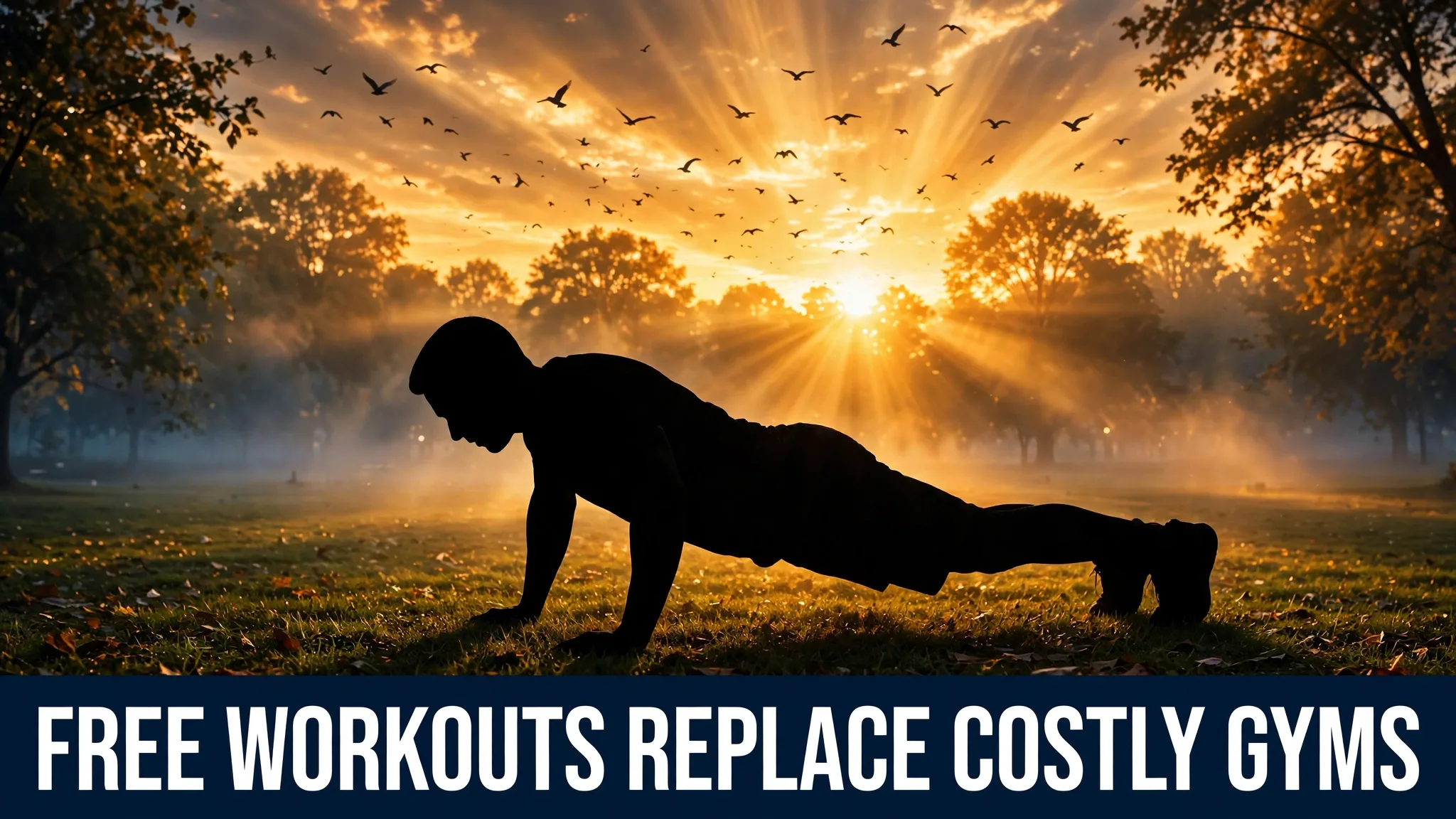
The park at sunrise belongs to a particular kind of person. Not the fast kind, not the sculpted kind — the regular kind. The same faces, the same hour, the same quiet pact: shoes on, out the door, before the day has a chance to object. A woman walks brisk laps with a water bottle. An older man does slow squats by the railing, holding it lightly. Two teenagers race each other to the far tree and back, laughing, which is also exercise, though neither would call it that. Nobody here paid a membership to be here. Nobody is waiting for a machine. The gym is the grass, the path, and the sky getting lighter.
Physical exercise is bodily activity that improves health and fitness, and it has never required a building with a reception desk. It requires a body, a little space, and a habit that survives bad weather and busy weeks. This is the free path, walked one morning at a time.
Walking Counts
Start with the most underestimated workout in the world: walking briskly. Not strolling, not window-shopping — walking with purpose, arms swinging, breath a little quicker than resting, for half an hour or so a day. It strengthens the heart, clears the head, burns energy, and asks for nothing but shoes that fit and a safe path. People who walk briskly every day are doing real exercise, even though it never feels dramatic enough to brag about.
Build it into the day instead of adding it on top. Walk to the shop instead of riding. Get off the bus one stop early. Take the stairs when there is a choice. A morning walk before breakfast has a special advantage: it happens before work, weather, and excuses have woken up. The people in the sunrise park know this. They are not more disciplined than everyone else. They simply go before the day starts negotiating.
Distance and speed can grow gently. This week, twenty minutes. Next week, twenty-five. The week after, a hill. Progress that small is boring to describe and wonderful to live with, because it never breaks you and never stops.
Your Body Is the Equipment
The second room of the free gym is wherever you stand. Push-ups, squats, planks, and lunges need no equipment at all, and together they work the whole body: chest and arms, legs and hips, the core that holds everything upright. A beginner starts on knees for push-ups and holds a plank for seconds, not minutes, and that is not a lesser workout. It is the correct one. Strength built slowly stays.
A simple home routine takes fifteen minutes. A few squats, holding a chair if balance is new. A few push-ups, at whatever level is honest. A plank, short and straight. A few lunges, slow and careful. Rest between rounds, drink water, repeat twice. Three times a week, this routine changes what a body can do within a month — stairs get easier, bags get lighter, backs complain less.
Form matters more than numbers. A slow squat with a straight back beats ten fast ones that hurt the knees. A plank that shakes after twenty honest seconds beats a minute of sagging. Free workout videos from qualified instructors can show the shapes, and mirroring them carefully is worth more than any machine’s instructions.
Running, Cycling, Playing
For those who want more air in their lungs, running costs nothing after the shoes already owned. Start with walking and running mixed — a minute of jogging, two minutes of walking, repeated — and let the running minutes grow week by week. The park at sunrise is full of people who started exactly this way and now run the whole loop without thinking about it. Cycling works the same way, using a bicycle already in the house, and it turns errands into training without anyone noticing.
Then there is the secret weapon: play. Football with friends, cricket in an open ground, badminton in a courtyard — exercise that feels like fun lasts longer than exercise that feels like punishment. People quit treadmills. People rarely quit a weekly game with friends, because the game is the reason and the fitness is the side effect. A regular game also brings the one thing a lonely routine cannot: people who notice when you do not show up, and ask where you were.
Free community groups exist for nearly every level — walking clubs, running groups, open yoga sessions in parks — and joining one costs nothing but shyness. Go once. The second time is easier.
Rest Days Are Training Too
A body gets stronger during rest, not during the workout itself. The workout is the question; the rest day is the answer. Two or three hard days a week, with easy days between them, build more fitness than seven exhausted days in a row, and they keep the habit alive because nobody dreads the next morning. Sleep belongs in the plan as well — tired muscles and a tired mind both skip workouts, and a regular bedtime quietly protects the morning run.
Soreness after a new routine is normal for a day or two. It fades as the body adapts. Sharp pain, swelling, or pain that changes how you walk is different, and it means stopping and getting advice, not pushing through. A simple notebook helps here too: date, what you did, how it felt. After a month, the notebook shows progress that memory would have missed — the walk that got longer, the plank that doubled, the stairs that stopped hurting. Progress written down is motivation that does not depend on mood.
The Gym Still Has Its Place
Honesty requires saying this plainly: a gym suits some people, and this post is not a war on gyms. Coaching, heavy equipment, classes, and a warm room in winter are real benefits, and some people train better where others are training. If a membership is genuinely used several times a week and the budget holds it comfortably, it is money well spent.
The question is only about the membership that is not used. A fee paid every month for a building visited twice is not fitness spending. It is a subscription to guilt. Anyone in that situation should try the free path for a month first. If the park mornings stick, the membership money is freed for something else. If they do not, the gym was the right choice all along, and now it is a choice, not a habit of paying.
Anyone with a health condition should ask a doctor before starting a new hard routine. This is not small print. A heart condition, a bad joint, diabetes, or any ongoing illness changes what is safe, and a short conversation with a doctor turns a good plan into a safe one. Start easy, build slowly, and stop for pain that is sharp or new — soreness passes, injury does not.
The best gym, in my opinion, is the one you actually visit — even if that gym is a park. Memberships do not make people fit. Mornings do.
Common questions
Is walking really enough exercise?
Yes, when it is brisk and regular. Walking with purpose, arms swinging and breath slightly quickened, for around half an hour a day, strengthens the heart and improves fitness. It is one of the most reliable and underrated forms of exercise there is.
What exercises can I do at home without equipment?
Push-ups, squats, planks, and lunges together work the whole body and need no equipment. Start at an honest level — knee push-ups and short planks are correct for beginners — and build slowly, three times a week, with rest between rounds.
How do I start running if I have never run?
Mix walking and running: a minute of jogging, two minutes of walking, repeated, and let the running minutes grow week by week. Comfortable shoes and a safe path matter more than speed, and rest days matter as much as running days.
Are free workout videos safe to follow?
Generally yes, if you choose instructors who explain form clearly and you start at an easy level. Mirror the shapes carefully, favour slow and correct movement over fast repetitions, and stop for any sharp or new pain.
Should I cancel my gym membership?
Only if it is not being used. A membership visited several times a week is money well spent. A fee paid monthly for a building visited twice is a subscription to guilt — try the free path for a month first, then decide with evidence.