How Quantum Computers Work, Explained Simply
In this post
The qubit that can hold more than a simple zero or one changes how a quantum computer behaves in everyday use, and the effect grows clearer after weeks of opening, carrying, charging, and relying on it through ordinary days. People who test the qubit that can hold more than a simple zero or one early, before money changes hands, usually spot the trade-off sooner than people who rely only on a launch video or a quick shop-floor demo.
When the superposition that lets a qubit explore many answers at once is ignored, a quantum computer can still look impressive on day one, yet the small annoyance returns every morning until it quietly shapes the whole experience. That is why a careful buyer compares the superposition that lets a qubit explore many answers at once across two or three real options, notes the difference in plain words, and lets that note guide the final choice.
The entanglement that links qubits in a strange partnership is not a minor footnote for a quantum computer; it decides whether the purchase stays useful after the novelty fades and the daily routine takes over. A buyer who understands the entanglement that links qubits in a strange partnership can explain the choice to a friend in one minute, while a buyer who skipped it often needs a second purchase to learn the same lesson.
In practice the extreme cold that keeps a quantum computer working shows up in small moments for a quantum computer, not in a single dramatic failure, and those small moments add up to either comfort or constant irritation. Checking the extreme cold that keeps a quantum computer working in a real room, on a real commute, or during a real workday tells more than any specification sheet printed in small type.
Bits, Qubits and the Big Difference
The ordinary bit that is always zero or one changes how a quantum computer behaves in everyday use, and the effect grows clearer after weeks of opening, carrying, charging, and relying on it through ordinary days. People who test the ordinary bit that is always zero or one early, before money changes hands, usually spot the trade-off sooner than people who rely only on a launch video or a quick shop-floor demo.
When the qubit that can be zero, one, or a mix of both is ignored, a quantum computer can still look impressive on day one, yet the small annoyance returns every morning until it quietly shapes the whole experience. That is why a careful buyer compares the qubit that can be zero, one, or a mix of both across two or three real options, notes the difference in plain words, and lets that note guide the final choice.
The coin-spinning picture that helps explain superposition is not a minor footnote for a quantum computer; it decides whether the purchase stays useful after the novelty fades and the daily routine takes over. A buyer who understands the coin-spinning picture that helps explain superposition can explain the choice to a friend in one minute, while a buyer who skipped it often needs a second purchase to learn the same lesson.
In practice the measurement that forces a qubit to choose one answer shows up in small moments for a quantum computer, not in a single dramatic failure, and those small moments add up to either comfort or constant irritation. Checking the measurement that forces a qubit to choose one answer in a real room, on a real commute, or during a real workday tells more than any specification sheet printed in small type.
Superposition in Plain Words
When the many paths explored at once by a quantum calculation is ignored, a quantum computer can still look impressive on day one, yet the small annoyance returns every morning until it quietly shapes the whole experience. That is why a careful buyer compares the many paths explored at once by a quantum calculation across two or three real options, notes the difference in plain words, and lets that note guide the final choice.
The maze picture where a quantum computer tries every route together is not a minor footnote for a quantum computer; it decides whether the purchase stays useful after the novelty fades and the daily routine takes over. A buyer who understands the maze picture where a quantum computer tries every route together can explain the choice to a friend in one minute, while a buyer who skipped it often needs a second purchase to learn the same lesson.
In practice the interference that cancels wrong answers and boosts right ones shows up in small moments for a quantum computer, not in a single dramatic failure, and those small moments add up to either comfort or constant irritation. Checking the interference that cancels wrong answers and boosts right ones in a real room, on a real commute, or during a real workday tells more than any specification sheet printed in small type.
The value of a quantum computer rises or falls with the careful design that turns a quantum trick into a useful result, because a strong result here covers several small weaknesses elsewhere, while a weak result here exposes them all. Before deciding, it helps to ask what happens to the careful design that turns a quantum trick into a useful result after six months of dust, heat, updates, and everyday knocks, not only what it does in the first week.
Entanglement: Linked Qubits
The entangled pair that shares one fate across a distance is not a minor footnote for a quantum computer; it decides whether the purchase stays useful after the novelty fades and the daily routine takes over. A buyer who understands the entangled pair that shares one fate across a distance can explain the choice to a friend in one minute, while a buyer who skipped it often needs a second purchase to learn the same lesson.
In practice the measurement of one qubit that instantly affects its partner shows up in small moments for a quantum computer, not in a single dramatic failure, and those small moments add up to either comfort or constant irritation. Checking the measurement of one qubit that instantly affects its partner in a real room, on a real commute, or during a real workday tells more than any specification sheet printed in small type.
The value of a quantum computer rises or falls with the Einstein phrase spooky action at a distance, because a strong result here covers several small weaknesses elsewhere, while a weak result here exposes them all. Before deciding, it helps to ask what happens to the Einstein phrase spooky action at a distance after six months of dust, heat, updates, and everyday knocks, not only what it does in the first week.
Many reviews mention the way entanglement lets qubits work as one team only in passing for a quantum computer, yet owners talk about it constantly, which is a useful sign that it matters more than the headline feature. If the way entanglement lets qubits work as one team suits your room, your hands, your budget, and your habits, the rest of the decision becomes much easier and far less likely to be regretted.
Why Quantum Computers Need Extreme Cold
In practice the near absolute zero temperature inside a quantum machine shows up in small moments for a quantum computer, not in a single dramatic failure, and those small moments add up to either comfort or constant irritation. Checking the near absolute zero temperature inside a quantum machine in a real room, on a real commute, or during a real workday tells more than any specification sheet printed in small type.
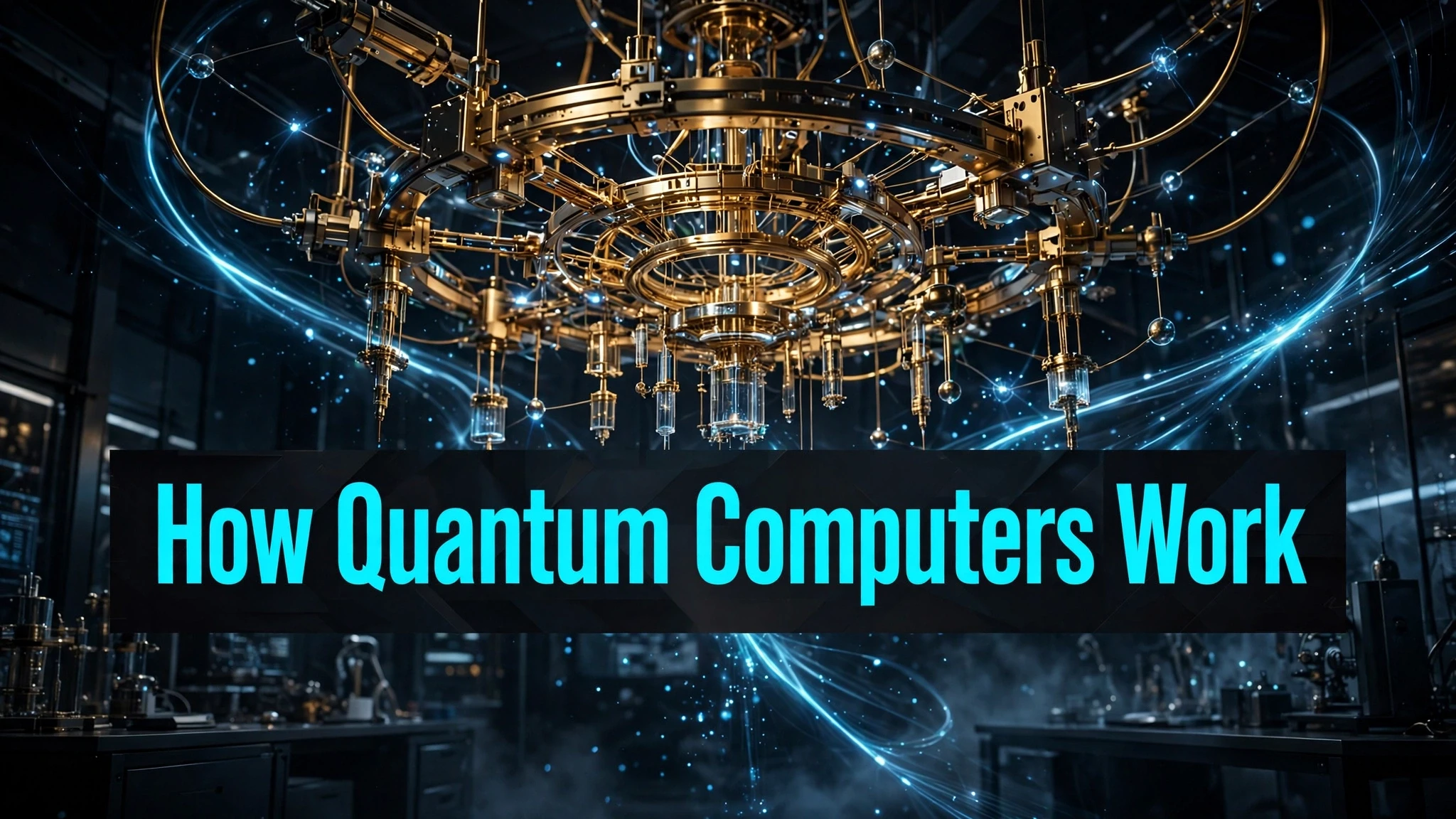
The value of a quantum computer rises or falls with the golden chandelier that cools the qubits with dilution refrigeration, because a strong result here covers several small weaknesses elsewhere, while a weak result here exposes them all. Before deciding, it helps to ask what happens to the golden chandelier that cools the qubits with dilution refrigeration after six months of dust, heat, updates, and everyday knocks, not only what it does in the first week.
Many reviews mention the heat and noise that destroy a quantum state in a blink only in passing for a quantum computer, yet owners talk about it constantly, which is a useful sign that it matters more than the headline feature. If the heat and noise that destroy a quantum state in a blink suits your room, your hands, your budget, and your habits, the rest of the decision becomes much easier and far less likely to be regretted.
The vacuum and shielding that protect qubits from the world changes how a quantum computer behaves in everyday use, and the effect grows clearer after weeks of opening, carrying, charging, and relying on it through ordinary days. People who test the vacuum and shielding that protect qubits from the world early, before money changes hands, usually spot the trade-off sooner than people who rely only on a launch video or a quick shop-floor demo.
Errors, Noise and the Hard Problem
The value of a quantum computer rises or falls with the errors that creep in when qubits are disturbed, because a strong result here covers several small weaknesses elsewhere, while a weak result here exposes them all. Before deciding, it helps to ask what happens to the errors that creep in when qubits are disturbed after six months of dust, heat, updates, and everyday knocks, not only what it does in the first week.
Many reviews mention the error correction that uses many physical qubits for one logical qubit only in passing for a quantum computer, yet owners talk about it constantly, which is a useful sign that it matters more than the headline feature. If the error correction that uses many physical qubits for one logical qubit suits your room, your hands, your budget, and your habits, the rest of the decision becomes much easier and far less likely to be regretted.
The noise that limits today’s machines to short calculations changes how a quantum computer behaves in everyday use, and the effect grows clearer after weeks of opening, carrying, charging, and relying on it through ordinary days. People who test the noise that limits today’s machines to short calculations early, before money changes hands, usually spot the trade-off sooner than people who rely only on a launch video or a quick shop-floor demo.
When the progress that slowly turns noisy machines into reliable ones is ignored, a quantum computer can still look impressive on day one, yet the small annoyance returns every morning until it quietly shapes the whole experience. That is why a careful buyer compares the progress that slowly turns noisy machines into reliable ones across two or three real options, notes the difference in plain words, and lets that note guide the final choice.
What Quantum Computers Could Do
Many reviews mention the drug discovery that simulates molecules atom by atom only in passing for a quantum computer, yet owners talk about it constantly, which is a useful sign that it matters more than the headline feature. If the drug discovery that simulates molecules atom by atom suits your room, your hands, your budget, and your habits, the rest of the decision becomes much easier and far less likely to be regretted.
The new materials that could make better batteries and fertilisers changes how a quantum computer behaves in everyday use, and the effect grows clearer after weeks of opening, carrying, charging, and relying on it through ordinary days. People who test the new materials that could make better batteries and fertilisers early, before money changes hands, usually spot the trade-off sooner than people who rely only on a launch video or a quick shop-floor demo.
When the optimisation that improves delivery routes and schedules is ignored, a quantum computer can still look impressive on day one, yet the small annoyance returns every morning until it quietly shapes the whole experience. That is why a careful buyer compares the optimisation that improves delivery routes and schedules across two or three real options, notes the difference in plain words, and lets that note guide the final choice.
The cryptography that quantum computers could one day break is not a minor footnote for a quantum computer; it decides whether the purchase stays useful after the novelty fades and the daily routine takes over. A buyer who understands the cryptography that quantum computers could one day break can explain the choice to a friend in one minute, while a buyer who skipped it often needs a second purchase to learn the same lesson.
What They Cannot Do Yet
The everyday tasks where a normal laptop still wins easily changes how a quantum computer behaves in everyday use, and the effect grows clearer after weeks of opening, carrying, charging, and relying on it through ordinary days. People who test the everyday tasks where a normal laptop still wins easily early, before money changes hands, usually spot the trade-off sooner than people who rely only on a launch video or a quick shop-floor demo.
When the internet browsing and video editing that need no quantum help is ignored, a quantum computer can still look impressive on day one, yet the small annoyance returns every morning until it quietly shapes the whole experience. That is why a careful buyer compares the internet browsing and video editing that need no quantum help across two or three real options, notes the difference in plain words, and lets that note guide the final choice.
The hype that promises a quantum laptop within a few years is not a minor footnote for a quantum computer; it decides whether the purchase stays useful after the novelty fades and the daily routine takes over. A buyer who understands the hype that promises a quantum laptop within a few years can explain the choice to a friend in one minute, while a buyer who skipped it often needs a second purchase to learn the same lesson.
In practice the timeline that experts describe in decades, not months shows up in small moments for a quantum computer, not in a single dramatic failure, and those small moments add up to either comfort or constant irritation. Checking the timeline that experts describe in decades, not months in a real room, on a real commute, or during a real workday tells more than any specification sheet printed in small type.
My Take:
My honest view is that the qubit that holds more than zero or one should weigh heavily whenever a quantum computer is judged, because it separates a purchase that keeps working from one that only impresses for a week. I have seen too many buyers fall for a bright headline and then live with the qubit that holds more than zero or one every day, which is why I would rather choose the slower, steadier option that respects it. That preference about the qubit that holds more than zero or one is not about being cautious for its own sake; it is about remembering that a quantum computer will be used on tired evenings, busy mornings, and ordinary days, not on a stage.
I also believe the superposition that explores many paths reveals the real priorities of the people who made a quantum computer, because a company that gets this right has usually thought about the owner, not only the launch. When the superposition that explores many paths is handled well, everything else feels easier, and when it is handled badly, even the best features feel like a compromise that was never explained. For that reason I would pay a little more, or wait a little longer, for a quantum computer that treats the superposition that explores many paths properly, rather than settling for a cheaper version that ignores it.
Another point I keep returning to is the entanglement that links qubits together, and how it affects a quantum computer long after the box is recycled and the excitement of unboxing has gone. Owners do not talk about launch events; they talk about the entanglement that links qubits together, about whether it held up, and about whether they would buy the same thing again. If the answer to that last question is yes, then the entanglement that links qubits together was probably done well, and if the answer is no, then no discount or extra feature can rescue the decision.
I would also warn anyone considering a quantum computer not to overlook the extreme cold that keeps qubits alive, because the cost of ignoring it is rarely a single bill; it is a series of small frustrations. Those frustrations around the extreme cold that keeps qubits alive steal time, patience, and confidence, and they make people blame themselves for a choice about a quantum computer that was really a design or pricing problem. A better approach is to test the extreme cold that keeps qubits alive first, in the place where a quantum computer will actually live, and to walk away if the test feels wrong, even when the offer looks generous.
My honest view is that the errors that limit today’s machines should weigh heavily whenever a quantum computer is judged, because it separates a purchase that keeps working from one that only impresses for a week. I have seen too many buyers fall for a bright headline and then live with the errors that limit today’s machines every day, which is why I would rather choose the slower, steadier option that respects it. That preference about the errors that limit today’s machines is not about being cautious for its own sake; it is about remembering that a quantum computer will be used on tired evenings, busy mornings, and ordinary days, not on a stage.
I also believe the drug discovery that quantum may speed up reveals the real priorities of the people who made a quantum computer, because a company that gets this right has usually thought about the owner, not only the launch. When the drug discovery that quantum may speed up is handled well, everything else feels easier, and when it is handled badly, even the best features feel like a compromise that was never explained. For that reason I would pay a little more, or wait a little longer, for a quantum computer that treats the drug discovery that quantum may speed up properly, rather than settling for a cheaper version that ignores it.
Another point I keep returning to is the cryptography that quantum could threaten, and how it affects a quantum computer long after the box is recycled and the excitement of unboxing has gone. Owners do not talk about launch events; they talk about the cryptography that quantum could threaten, about whether it held up, and about whether they would buy the same thing again. If the answer to that last question is yes, then the cryptography that quantum could threaten was probably done well, and if the answer is no, then no discount or extra feature can rescue the decision.
I would also warn anyone considering a quantum computer not to overlook the hype that promises too much too soon, because the cost of ignoring it is rarely a single bill; it is a series of small frustrations. Those frustrations around the hype that promises too much too soon steal time, patience, and confidence, and they make people blame themselves for a choice about a quantum computer that was really a design or pricing problem. A better approach is to test the hype that promises too much too soon first, in the place where a quantum computer will actually live, and to walk away if the test feels wrong, even when the offer looks generous.
My honest view is that the maze picture that makes superposition clear should weigh heavily whenever a quantum computer is judged, because it separates a purchase that keeps working from one that only impresses for a week. I have seen too many buyers fall for a bright headline and then live with the maze picture that makes superposition clear every day, which is why I would rather choose the slower, steadier option that respects it. That preference about the maze picture that makes superposition clear is not about being cautious for its own sake; it is about remembering that a quantum computer will be used on tired evenings, busy mornings, and ordinary days, not on a stage.
I also believe the decades-long wait before real usefulness reveals the real priorities of the people who made a quantum computer, because a company that gets this right has usually thought about the owner, not only the launch. When the decades-long wait before real usefulness is handled well, everything else feels easier, and when it is handled badly, even the best features feel like a compromise that was never explained. For that reason I would pay a little more, or wait a little longer, for a quantum computer that treats the decades-long wait before real usefulness properly, rather than settling for a cheaper version that ignores it.
Frequently Asked Questions
What is a quantum computer in simple words?
A quantum computer is a machine that uses qubits, which can hold a mix of zero and one at once, to explore many answers together. It is not a faster laptop, but a different kind of machine built for a few very hard problems.
What is a qubit?
A qubit is the basic unit of quantum information, like a bit in a normal computer, except it can be zero, one, or a combination of both until it is measured. That extra freedom is what gives quantum computers their strange power.
What is superposition?
Superposition means a qubit can be in several states at once, like a spinning coin that is neither heads nor tails until it lands. A quantum computer uses that property to explore many possibilities in a single calculation.
What is entanglement?
Entanglement is a link between qubits where measuring one instantly affects the other, even at a distance. It lets qubits work together as a team, though the link is fragile and breaks easily with heat or noise.
Will quantum computers replace normal computers?
Quantum computers will not replace normal computers, because everyday tasks like browsing, writing, and video editing run better on ordinary chips. Quantum machines will help with special problems in chemistry, materials, and optimisation, while normal computers do the rest.
When will quantum computers be useful?
Experts expect useful quantum computers to take years or decades, because today’s machines are noisy and error-prone. They already help research, but a reliable machine that solves real industrial problems is still a long way off.