Pabllo Vittar: The Life Story Behind Brazil's Drag Superstar
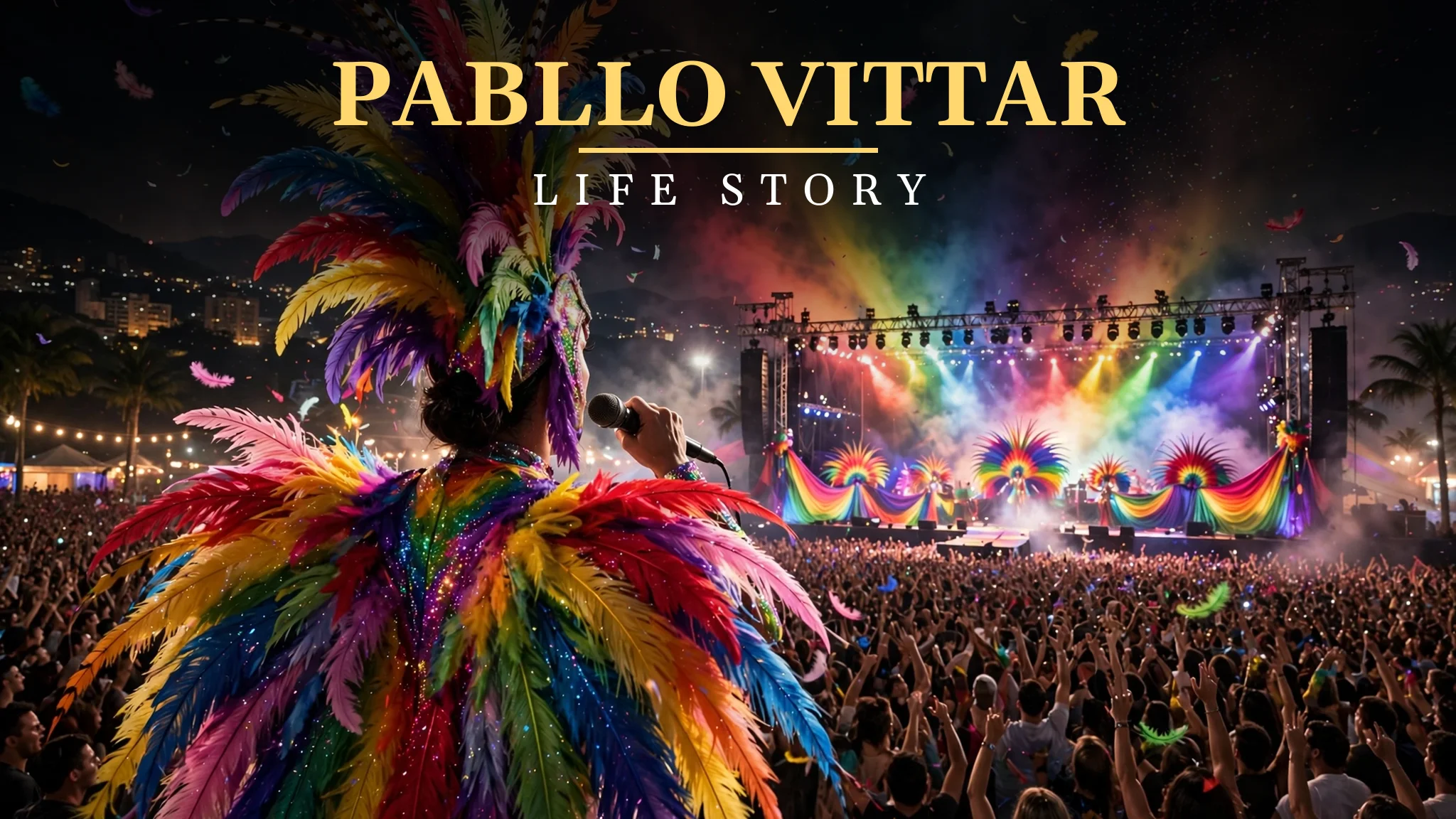
In this post
- A Young Person From Maranhão With a Dream
- Open Bar and the First Breakthrough
- K.O., Vai Passar Mal, and National Stardom
- Noitada, World Tours, and a Global Star
- A Voice for LGBTQ Brazil
- The Art of Drag and the Joy of Performance
- The Legacy of Brazil’s Drag Superstar
- The Global Stage and the Sound of Brazil
- The Albums That Built a Decade of Pop
- The Concerts That Feel Like Freedom
- My Take:
Pabllo Vittar is the drag superstar of Brazil, a singer who turned a love of music, dance, and glitter into one of the biggest careers in Brazilian pop. With towering heels, bright costumes, and a voice that is both sweet and strong, Pabllo has filled stadiums, topped charts, and become one of the most streamed drag artists in the world. Songs like “K.O.”, “Corpo Sensual”, and “Problema Seu” are played at every party in Brazil, and Pabllo’s concerts are celebrations of joy, freedom, and being yourself.
Pabllo was born in São Luís, Maranhão, in 1993, and grew up in the north-east of Brazil. As a young person, Pabllo loved to sing, to dance, and to perform, and began to appear in drag at parties and shows. In 2015, Pabllo released the song “Open Bar”, and Brazil noticed a new star. In 2017, the album Vai Passar Mal and the hit “K.O.” made Pabllo famous across the country and beyond. It was a new kind of stardom, and it changed Brazilian pop forever.
Pabllo’s career has lasted a decade, with albums, world tours, and collaborations with stars from many countries. Pabllo has also become a voice for LGBTQ people in Brazil, showing millions that it is possible to be yourself and to succeed. This is the story of a young person from Maranhão who became the drag superstar of Brazil.
A Young Person From Maranhão With a Dream
Pabllo Vittar was born Phabullo Rodrigues da Silva on 1 November 1993 in São Luís, the capital of Maranhão in north-eastern Brazil. Pabllo grew up in a simple family, and from a young age loved music, dance, and performance. As a child, Pabllo sang in the church choir, and learned to love the sound of a voice raised in song. At home, Pabllo listened to pop music, to Brazilian songs, and to the divas of the world, and dreamed of a life on the stage.
As a teenager, Pabllo began to perform in drag at parties and in local shows. Drag is an art form in which a performer dresses in bold, glamorous clothes, often with big hair, bright make-up, and high heels, and performs as a larger-than-life character. Pabllo loved it, and had a natural gift for it. Pabllo danced, Pabllo sang, and audiences loved the energy and the joy. It was not easy. In a small city in the north-east of Brazil, a young person who dressed in drag faced prejudice and hardship. But Pabllo did not give up. The stage was home, and the stage was where Pabllo belonged.
Pabllo also studied, and worked hard to learn the craft of performance. Pabllo sang, danced, and learned to command a stage, even a small one. Friends and family supported Pabllo, and the local scene in São Luís gave Pabllo a first audience. Those early years were a time of learning: how to sing, how to move, how to make a crowd feel alive. Pabllo was young, talented, and fearless, and the dream was growing.
In the early 2010s, Pabllo moved to larger stages, performing in shows and competitions, and posting videos on the internet. The internet gave Pabllo a new audience, and people across Brazil began to notice a young drag artist with a powerful voice and a bold style. Pabllo was ready for a bigger stage, and the bigger stage was coming.
Open Bar and the First Breakthrough
In 2015, Pabllo Vittar released the song “Open Bar”, a Portuguese version of a hit by the American singer Kesha, and it became a success on the internet. The video was watched by millions, and Brazil noticed a new star: a drag queen with a strong voice, a bold look, and a joyful energy. “Open Bar” was a party song, and it showed what Pabllo could do: sing, dance, and make people feel alive. It was the first breakthrough, and it opened the door to a bigger career.
The success of “Open Bar” brought Pabllo to the attention of record companies, and Pabllo signed a deal to make music professionally. Pabllo began to work with producers, to record songs, and to perform on larger stages. The drag artist from São Luís was becoming a pop star, and Brazil was watching. Pabllo’s style was new: a mix of pop, funk, and electronic music, with a voice that was sweet and strong, and a look that was bold and glamorous.
In 2017, Pabllo released the first album, Vai Passar Mal, and it changed everything. The album included the hit song “K.O.”, a song about knocking out a lover who has done you wrong, and it became one of the biggest hits in Brazil that year. The video for “K.O.” was watched by hundreds of millions of people, and Pabllo became a national star. Other songs from the album, like “Corpo Sensual” and “Indestrutível”, also became hits. Pabllo was no longer a new artist. Pabllo was a superstar.
The album’s success was a moment of change for Brazilian pop. A drag queen had become one of the biggest stars in the country, and the country loved it. Pabllo’s concerts filled arenas, and Pabllo’s fans, who call themselves Vittarlovers, followed every move. The young person from Maranhão had become a star, and the star was shining brightly.
K.O., Vai Passar Mal, and National Stardom
The years after Vai Passar Mal were the peak of Pabllo’s fame in Brazil. “K.O.” became an anthem, played at every party, every carnival, and every club in the country. The song’s video, with Pabllo in bold costumes and dancing with joy, was watched by millions around the world. Pabllo toured Brazil, performed at festivals, and became one of the most in-demand artists in the country. The drag superstar was now a household name.
Pabllo released more music, including the album Não Para Não in 2018, and the album 111 in 2020. Each record showed a singer who was growing and changing, trying new sounds and working with new artists. Pabllo’s songs “Problema Seu”, “Amor de Que”, and “Buzina” became hits, and Pabllo’s concerts grew larger and more spectacular. Pabllo’s stage shows were famous for their colour, their dance, and their joy. A Pabllo concert was not only a show. It was a celebration, a party where everyone was welcome.
Pabllo also became known around the world. Pabllo worked with international artists, including Charli XCX, and performed in many countries. Pabllo’s music was streamed by millions, and Pabllo became one of the most streamed drag artists in the world. It was a remarkable achievement for a young person from Maranhão, and it showed that Brazilian pop could travel the world. Pabllo’s voice, Pabllo’s style, and Pabllo’s joy were now known far beyond Brazil.
By the end of the decade, Pabllo was one of the biggest stars in Brazilian music. Pabllo had filled stadiums, topped charts, and built a career that few artists ever reach. And Pabllo had done it as a drag queen, openly, proudly, and without apology. That was a victory not only for Pabllo, but for every LGBTQ person in Brazil who had been told they could not succeed. Pabllo had succeeded, and had done it by being exactly who Pabllo is.
Noitada, World Tours, and a Global Star
In the 2020s, Pabllo Vittar continued to grow as an artist. In 2023, Pabllo released the album Noitada, a record of dance music made for the night, for clubs, and for parties. The album showed a singer who was still trying new sounds, still dancing, and still making music that made people move. Pabllo toured the world, performing in Europe, in America, and in many other countries, and audiences loved the energy and the joy of the shows.
Pabllo’s world tours were a success, and they showed that Brazilian drag pop could fill venues around the world. Pabllo performed at festivals, at clubs, and at Pride events, and the crowds sang along in Portuguese, even when they did not speak the language. Music does not need translation when it is sung with joy, and Pabllo’s music is full of joy. The drag superstar from Maranhão had become a global star, and the world was dancing.
Pabllo has also worked with many artists from different countries, and has become a respected figure in international pop. Pabllo’s collaborations have brought Brazilian music to new audiences, and have shown the world the creativity of Brazil. Pabllo’s style, bold and glamorous, has inspired artists and fans around the world. Pabllo is not only a singer. Pabllo is a cultural force, a person who has changed what a pop star can look like, and who has opened doors for others.
Today, Pabllo is one of the most popular artists in Brazil, a global star, and a voice for joy and freedom. Pabllo is still young, and still growing. The career that began with “Open Bar” in 2015 has become a decade of music, and it shows no sign of stopping. The young person from São Luís who dreamed of a stage has become a superstar, and the world is still watching.
A Voice for LGBTQ Brazil
Pabllo Vittar’s success matters far beyond music, because Pabllo is a voice for LGBTQ people in Brazil. Brazil is a country where LGBTQ people have faced prejudice, violence, and hardship, and where being openly yourself can be dangerous. Pabllo has been open about who Pabllo is, has performed in drag on the biggest stages in the country, and has shown millions of young people that it is possible to be yourself and to succeed. That is a powerful message, and it has changed lives.
Pabllo’s concerts are safe places for LGBTQ fans, places where they can dance, sing, and be themselves without fear. Pabllo’s fans, the Vittarlovers, include people of all kinds, and they love Pabllo for the joy, the honesty, and the courage. Pabllo has spoken about the importance of respect, of love, and of the right to be who you are. That message has earned Pabllo great respect, not only in Brazil, but around the world.
Pabllo has also used fame to support good causes, and to speak out against prejudice. Pabllo has worked with organisations that support LGBTQ rights, and has used the stage to talk about equality. That work matters, because a star’s voice can reach people who might not listen to anyone else. When Pabllo sings about freedom and joy, millions listen, and some of them learn to be kinder. That is a gift that goes beyond music, and it is one of the most important parts of Pabllo’s legacy.
The Art of Drag and the Joy of Performance
Drag is an art form, and Pabllo Vittar is one of its great artists. A drag performance is a mix of singing, dancing, comedy, fashion, and theatre, and Pabllo does it all with skill and with joy. Pabllo’s costumes are bold and beautiful, Pabllo’s make-up is art, and Pabllo’s stage presence is magnetic. A Pabllo show is a spectacle, and audiences love it. But behind the glitter is hard work: hours of practice, of rehearsal, of learning to sing and dance in high heels, and of building a character that is larger than life.
Pabllo’s drag is also a statement: that a person can be many things at once, that gender is not a cage, and that art can set you free. Pabllo performs as a woman on stage, and lives as a person who does not fit into simple boxes. That freedom is at the heart of Pabllo’s art, and it is what makes Pabllo’s performances so powerful. Audiences do not only see a singer. They see a person who is free, and that freedom is inspiring.
Pabllo’s music is also a mix of styles: pop, funk, electronic, and the dance music of Brazil. Pabllo’s songs are made for the club, for the party, and for the street, and they make people move. Pabllo’s voice is sweet and strong, and it carries the joy of the music. That mix of drag art and pop music is new, and Pabllo is one of its pioneers. Pabllo has shown the world that drag and pop can go together, and that the result can be beautiful.
The Legacy of Brazil’s Drag Superstar
Pabllo Vittar’s legacy is still being written, because Pabllo is still young and still growing. But already Pabllo has changed Brazilian music. Pabllo showed that a drag queen could become one of the biggest stars in the country, that Brazilian pop could travel the world, and that joy and freedom could be at the heart of a career. Pabllo’s songs, including “K.O.”, “Corpo Sensual”, and “Problema Seu”, are part of the sound of modern Brazil, and they are sung by millions.
Pabllo’s influence on younger artists is very great. Many young LGBTQ artists in Brazil have followed Pabllo’s path, performing in drag and dreaming of a bigger stage. Pabllo showed them that it is possible, and did so by being open, bold, and unafraid. Pabllo’s legacy lives on in their work, in the drag scene of Brazil, and in every young person who refuses to hide who they are.
Pabllo is remembered today as the drag superstar of Brazil, a singer who came from Maranhão and became a global star on Pabllo’s own terms. Pabllo is still singing, still dancing, and still giving audiences music of great energy and joy. The young person who performed at parties in São Luís became Pabllo Vittar, and Pabllo Vittar became a voice for a generation. Put on “K.O.”, close your eyes, and you can hear it: a strong voice, a beating rhythm, and a star who will not be stopped.
The Global Stage and the Sound of Brazil
Pabllo Vittar’s music has travelled far beyond Brazil, and that journey is one of the most remarkable parts of the story. Pabllo sings in Portuguese, a language most of the world does not speak, and still people in Europe, in America, and in many other countries dance to the songs. That tells us something true about music: joy does not need translation. When Pabllo sings, you can feel the beat, the energy, and the happiness, even if you do not know a single word of Portuguese. That is a wonderful thing, and it is why Pabllo’s concerts abroad are full of fans singing along in a language they are still learning.
Pabllo’s world tours have taken Brazilian drag pop to festivals, clubs, and Pride events in many countries. The shows are full of colour, of dance, and of joy, and audiences love them. Pabllo performs with a band, with dancers, and with a stage presence that fills the hall. The crowds are made of people from many cultures, many languages, and many lives, and they all come together to dance. That is the power of pop music at its best: it brings strangers together, and for one night, they are a family.
Pabllo has also worked with international artists, including Charli XCX, and those collaborations have brought Brazilian music to new audiences. Pabllo’s style, bold and glamorous, has inspired artists and fans around the world. Pabllo is not only a singer from Brazil. Pabllo is a global star, a person who has shown the world that drag and pop can go together, and that the result can be beautiful. That is a large achievement, and it is one that few artists ever reach.
The global success also matters for Brazil. It shows the world the creativity of Brazilian music, the joy of its pop, and the freedom of its drag scene. Pabllo carries Brazil with pride, and the world listens. That is a gift to the country, and it is one that Pabllo gives with every show, every song, and every tour. The young person from São Luís who dreamed of a stage has become a star the world dances to.
The Albums That Built a Decade of Pop
Pabllo Vittar’s albums tell the story of a decade of Brazilian pop. The first album, Vai Passar Mal, released in 2017, was a breakthrough, with the hit “K.O.” and songs that became anthems. The second album, Não Para Não, released in 2018, showed a singer who was growing, trying new sounds, and working with new artists. The album 111, released in 2020, was named after Pabllo’s birthday, 1 November, and it showed a more personal side, with songs about love, about life, and about being yourself.
Each album has its own sound, and each one shows a different side of Pabllo. The early records were full of party energy, of funk and pop, made for dancing. The later records are deeper, more personal, and more varied, with songs that show a singer who has grown. The album Noitada, released in 2023, is a record of dance music made for the night, for clubs, and for parties, and it shows that Pabllo is still trying new sounds, still dancing, and still making music that makes people move.
Pabllo’s albums are not only collections of songs. They are chapters in a life, each one marking a moment in a career that has grown year by year. Fans follow those chapters, they learn the words, and they sing along. The albums are played at parties, in cars, and in clubs across Brazil, and they are part of the sound of modern Brazil. Pabllo has built a body of work that is loved, and that will be played for years to come.
The Concerts That Feel Like Freedom
Pabllo Vittar’s concerts are famous for their joy, and audiences come to them to feel free. Pabllo performs on big stages, with dancers, with bright lights, and with costumes that shine. The crowd sings along, dances, and celebrates, and the whole hall feels like a party where everyone is welcome. Pabllo’s shows are not only concerts. They are celebrations of life, of love, and of being yourself, and fans say they leave feeling happier, braver, and more alive than when they came.
Pabllo’s stage presence is a part of the art. Pabllo moves with confidence, dances with energy, and sings with a voice that fills the hall. Pabllo talks to the crowd, thanks them, and makes them feel like part of the show. The fans, who call themselves Vittarlovers, follow Pabllo from city to city, and they know every word of every song. That connection is powerful, and it is why Pabllo’s concerts sell out. Pabllo is not a distant star. Pabllo is a performer who shares joy with the audience, and who gives them everything on stage.
Pabllo has performed at festivals, at Pride events, and in arenas around the world, and the shows are always full of colour and life. Audiences in many countries, who do not speak Portuguese, still sing along, still dance, and still feel the joy. That is the power of Pabllo’s music: it does not need translation, because joy is a language everyone understands. Pabllo’s concerts are a reminder that music can bring people together, and that a night of dancing can feel like freedom.
My Take:
When I think about Pabllo Vittar, the first thing I feel is joy. Pabllo’s music makes me want to dance, to smile, to celebrate. It is bright, it is bold, and it is full of life. I listen to “K.O.” and I hear a person who is confident, joyful, and unafraid. That is a wonderful feeling, and it is the reason I love Pabllo’s music. In a world that is often hard and heavy, Pabllo gives us a party, a celebration, and a reminder that life is worth enjoying. That joy is a precious gift, and Pabllo gives it freely.
I admire Pabllo’s courage most of all. Pabllo came from São Luís, in the north-east of Brazil, and became a drag superstar in a country where LGBTQ people face prejudice and hardship. That takes great courage, because it means being yourself in front of millions of people, knowing that some of them will judge you. Pabllo did not hide. Pabllo performed in drag on the biggest stages in Brazil, sang with pride, and showed the world who Pabllo is. I respect that very much. It is easy to be yourself when everyone accepts you. It is much harder to be yourself when some people do not. Pabllo did it anyway, and that is brave.
What moves me most about Pabllo’s story is the message it carries for young people. There are millions of young LGBTQ people in Brazil and around the world who have been told they cannot succeed, who have been told to hide, who have felt alone. Pabllo shows them that it is possible to be yourself and to succeed. A drag queen from Maranhão became one of the biggest stars in Brazil, filled stadiums, and toured the world. That is not only a personal victory. It is a victory for every young person who has ever felt different. I find that deeply moving, because it shows what art can do: it can give hope to people who need it most.
I also think about the art of drag, and how much skill it takes. A drag performance is not easy. It requires singing, dancing, fashion, make-up, and theatre, all at once, and often in high heels. Pabllo does it all with grace and with joy, and makes it look effortless. But behind the glitter is hard work: hours of practice, of rehearsal, of learning. I admire that discipline, because it is easy to forget when you see someone having fun on stage. The joy is real, but the work behind it is also real. Pabllo has worked for a decade, and has earned every minute of the love audiences give.
There is a sadness in Pabllo’s story too, and it is the sadness of prejudice. Brazil is a country where LGBTQ people have faced violence and hardship, and where being openly yourself can be dangerous. Pabllo has faced that prejudice, and has answered it with success, with joy, and with pride. But it should not have been necessary. No person should have to fight prejudice to be heard. I feel angry about that, and I feel admiration for the way Pabllo has handled it. Pabllo has not let prejudice silence Pabllo. Pabllo has sung louder, worked harder, and become a star. That is a victory, and it belongs to Pabllo, and to every LGBTQ person who dreams of a stage.
I also admire the way Pabllo’s music travels the world. Pabllo sings in Portuguese, a language most of the world does not speak, and still people in Europe, in America, and in many other countries dance to Pabllo’s songs. That tells me something true about music: joy does not need translation. When Pabllo sings, you can feel the beat, the energy, and the happiness, even if you do not know a single word of Portuguese. That is a wonderful thing, and it is a lesson for all of us: be true, be joyful, and the world will hear you.
If I could speak to a young person who wants to be like Pabllo Vittar, I would say this: be yourself, work hard, and do not let anyone tell you who you can be. Pabllo began performing in drag at parties in São Luís, and became a global star. Pabllo did it by being open, bold, and unafraid, and by working hard every day. That is the path: trust yourself, learn your craft, and do not hide. The world needs your voice, your joy, and your truth. Do not let fear make you small. Be large, be bright, and shine.
I think about Pabllo’s concerts, and I feel a kind of longing to be there: a stadium full of people, a star in a bright costume singing with all their heart, a crowd dancing and singing along, and a feeling of freedom in the air. That is not only entertainment. It is a celebration of life, of love, and of being yourself. Pabllo Vittar has given Brazil that celebration for a decade, and it is a precious gift.
In the end, what stays with me is the joy of Pabllo’s voice and the courage of Pabllo’s life. Pabllo began as a young person from Maranhão, performing in drag at parties, and became the drag superstar of Brazil. Pabllo did it by being open, by working hard, and by never losing joy. I am grateful for Pabllo’s music, and I am grateful for the lesson it carries: be yourself, work hard, and dance while you can. That is Pabllo’s story, and it is worth remembering.
I also think about the art of drag, and how much skill it takes. A drag performance is not easy. It requires singing, dancing, fashion, make-up, and theatre, all at once, and often in high heels. Pabllo does it all with grace and with joy, and makes it look effortless. But behind the glitter is hard work: hours of practice, of rehearsal, of learning. I admire that discipline, because it is easy to forget when you see someone having fun on stage. The joy is real, but the work behind it is also real. Pabllo has worked for a decade, and has earned every minute of the love audiences give.
There is a sadness in Pabllo’s story too, and it is the sadness of prejudice. Brazil is a country where LGBTQ people have faced violence and hardship, and where being openly yourself can be dangerous. Pabllo has faced that prejudice, and has answered it with success, with joy, and with pride. But it should not have been necessary. No person should have to fight prejudice to be heard. I feel angry about that, and I feel admiration for the way Pabllo has handled it. Pabllo has not let prejudice silence Pabllo. Pabllo has sung louder, worked harder, and become a star. That is a victory, and it belongs to Pabllo, and to every LGBTQ person who dreams of a stage.
I also admire the way Pabllo’s music travels the world. Pabllo sings in Portuguese, a language most of the world does not speak, and still people in Europe, in America, and in many other countries dance to the songs. That tells me something true about music: joy does not need translation. When Pabllo performs, the rhythm, the energy, and the happiness reach you whether or not you understand a word of Portuguese. That is a wonderful thing, and it is a lesson for all of us: be true, be joyful, and the world will hear you.
I think about Pabllo’s albums, too, and about how they tell the story of a decade. Vai Passar Mal was a breakthrough, full of party energy. Não Para Não showed growth. 111 was more personal. Noitada is a record for the night, for dancing. Each album is a chapter, and each chapter shows a singer who is still learning, still growing, and still trying new sounds. That growth is the mark of a real artist: someone who does not stay the same, but who keeps moving. I am curious to see where Pabllo will go next, and I believe the best years may still be ahead.
If I could speak to a young person who wants to be like Pabllo Vittar, I would say this: be yourself, work hard, and do not let anyone tell you who you can be. Pabllo began performing in drag at parties in São Luís, and became a global star. Pabllo did it by being open, bold, and unafraid, and by working hard every day. That is the path: trust yourself, learn your craft, and do not hide. The world needs your voice, your joy, and your truth. Do not let fear make you small. Be large, be bright, and shine.
In the end, what stays with me is the joy of Pabllo’s voice and the courage of Pabllo’s life. Pabllo began as a young person from Maranhão, performing in drag at parties, and became the drag superstar of Brazil. Pabllo did it by being open, by working hard, and by never losing joy. I am grateful for Pabllo’s music, and I am grateful for the lesson it carries: be yourself, work hard, and dance while you can. That is Pabllo’s story, and it is worth remembering.
I also think about Pabllo’s concerts, and about what they mean to the people who go to them. For many LGBTQ fans, a Pabllo show is one of the few places where they can dance, sing, and be themselves without fear. That is a powerful thing. A concert can be more than entertainment. It can be a safe place, a celebration, and a moment of freedom. Pabllo gives that to audiences night after night, in Brazil and around the world. That is a gift that goes beyond music, and it is one of the most important parts of Pabllo’s legacy.
There is one more thing I want to say about Pabllo, and it is about the future. Pabllo is still young, and still growing as an artist. The albums so far have shown a singer who keeps trying new sounds, who keeps dancing, and who keeps making music that makes people move. I am curious to see where Pabllo will go next, and I believe the best years may still be ahead. A singer who is open, bold, and unafraid will always find new songs to sing, and new audiences to sing them to. Pabllo has that openness, and it will carry the music far.
I also think about the young people who watch Pabllo and dream of a stage of their own. There are millions of young LGBTQ people in Brazil and around the world who have been told they cannot succeed, who have been told to hide, who have felt alone. Pabllo shows them that it is possible to be yourself and to succeed. A drag queen from Maranhão became one of the biggest stars in Brazil, filled stadiums, and toured the world. That is not only a personal victory. It is a victory for every young person who has ever felt different. It is a message of hope, and it is one that the world needs.
I also think about the glitter and the glamour of Pabllo’s shows, because behind them is a serious artist. The costumes are bright, the make-up is art, and the dancing is precise, and all of it takes hours of work. People sometimes think drag is only about looking beautiful, but it is much more than that. It is singing, dancing, acting, and fashion, all at once, and Pabllo does it all with skill. That craft deserves respect, and Pabllo has earned it, night after night, for a decade.
There is one more thing I want to say about Pabllo, and it is about the laughter in the music. Pabllo’s songs are funny, joyful, and full of play, and that playfulness is a form of freedom. In a world that is often hard for LGBTQ people, laughter is a way of saying: you cannot take my joy from me. Pabllo laughs, dances, and sings, and the audience laughs along. That shared laughter is a powerful thing. It turns a concert into a celebration, and a celebration into a kind of resistance. Joy, given freely, is one of the bravest things an artist can offer.
Frequently Asked Questions
How did Pabllo Vittar become famous?
Pabllo Vittar became famous in 2015 with the song “Open Bar”, a Portuguese version of a hit by the American singer Kesha. The video was watched by millions on the internet. In 2017, the album Vai Passar Mal and the hit song “K.O.” made Pabllo a national star in Brazil, and one of the most streamed drag artists in the world.
What is Pabllo Vittar’s most famous song?
Pabllo Vittar’s most famous song is “K.O.”, from the 2017 album Vai Passar Mal. The song became one of the biggest hits in Brazil that year, and its video was watched by hundreds of millions of people. Other well-known songs include “Corpo Sensual”, “Problema Seu”, and “Amor de Que”.
Where is Pabllo Vittar from?
Pabllo Vittar was born in São Luís, the capital of Maranhão in north-eastern Brazil, on 1 November 1993. Pabllo grew up in the city, sang in the church choir as a child, and began performing in drag at parties and local shows as a teenager. Maranhão is still Pabllo’s home, and Pabllo is proud of it.
What is drag?
Drag is an art form in which a performer dresses in bold, glamorous clothes, often with big hair, bright make-up, and high heels, and performs as a larger-than-life character. Drag includes singing, dancing, comedy, fashion, and theatre. Pabllo Vittar is one of the most famous drag artists in the world, and has brought drag to the biggest stages in Brazilian pop.
Has Pabllo Vittar worked with international artists?
Yes, Pabllo Vittar has worked with international artists, including Charli XCX, and has performed in many countries around the world. Pabllo’s music has been streamed by millions, and Pabllo has become one of the most streamed drag artists in the world. Pabllo’s world tours have taken Brazilian drag pop to Europe, America, and beyond.
What is the album Noitada by Pabllo Vittar?
Noitada is a 2023 album by Pabllo Vittar, a record of dance music made for the night, for clubs, and for parties. The album showed a singer who was still trying new sounds and still making music that makes people move. Pabllo toured the world with the album, performing in many countries.


