Riyadh Airport Attack: What Happened at King Khalid International Airport on October 10?
A simple, respectful explainer on the Riyadh airport strike: what officials said, how many people were affected, and how the world reacted.
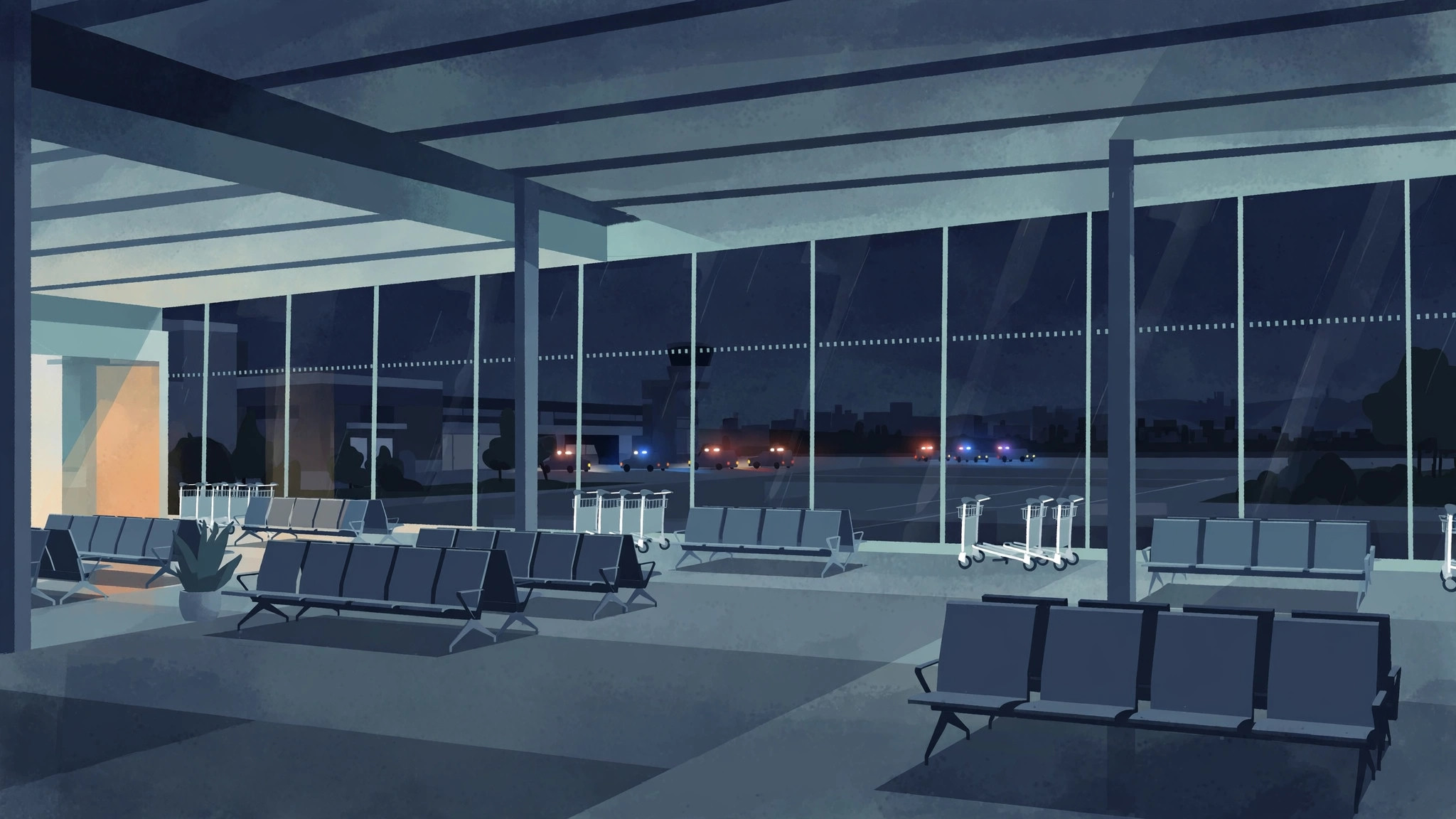
On Saturday, October 10, a missile strike hit King Khalid International Airport in Riyadh, the capital of Saudi Arabia. It was a shocking attack on a busy civilian airport — a place where ordinary travellers, families and workers expect to be safe.
This is a sad story, so we will keep the tone respectful and stick closely to what officials and reports have said.
The short version
Saudi civil aviation authorities said 12 people were killed and 309 wounded, some critically, when the strike hit the airport on Saturday, October 10. It was the third attack on the airport that week, and officials called it the deadliest strike on Saudi soil in more than a decade. Airport operations were suspended and flights were diverted. The Saudi-led coalition blamed Yemen’s Iran-backed Houthis and called the attack a war crime, while leaders around the world condemned the strike.
The people who lost their lives
Behind every number here, there are real people and real families. Please keep that in mind as you read.
Saudi civil aviation authorities said 12 people were killed. The dead included four Saudis, two Bangladeshis, and one person each from the United States, Egypt, Jordan, Syria, Palestine and Sudan. In other words, the victims came from many countries — often true at a large international airport, where travellers and workers from around the world pass through every day.
Authorities also said 309 people were wounded, some critically. Our thoughts are with the victims, the wounded, and everyone waiting for news about someone they love.
We are not sharing graphic details here. They are not needed to understand what happened, and the families involved deserve dignity and privacy at a very painful time.
The third attack on the airport in one week
One detail makes this especially worrying: it was the third attack on the airport that week. Three in one week points to a repeated danger at the same civilian location.
Officials also called this the deadliest strike on Saudi soil in more than a decade, which helps explain the strong language used by governments in their responses.
For people in Riyadh, and for anyone travelling through the airport, news like this is frightening. An airport is a place of journeys, reunions and work — which is a big part of why this attack drew such wide condemnation.
What happened at the airport after the strike
After the strike, airport operations were suspended and flights were diverted — in simple words, planes meant to use the airport had to go elsewhere or wait.
Reports said 291 flights were cancelled in 24 hours, attributed to FlightAware tracking. Anyone who has had one flight cancelled knows how stressful that can be. Now imagine it happening to hundreds of flights at once, with thousands of passengers unsure when they will get home.
Travellers should follow official airline and airport updates rather than rumours on social media, especially while information is still changing quickly.
Who has been blamed for the attack?
The Saudi-led coalition blamed Yemen’s Iran-backed Houthis for the attack and called it a war crime. A diplomatic source, meanwhile, attributed it to a missile.
These are claims made by officials and sources in the reporting, presented here as such. What is clear is the human cost described by Saudi civil aviation authorities: 12 killed and 309 wounded.
Readers should expect more official statements over time, and rely on trusted news sources rather than unverified posts online.
How the world reacted
The reaction from international leaders was quick and strong. UN Secretary-General António Guterres condemned the attack, saying attacks on civilians and civilian infrastructure violate international law and must cease immediately. That is a clear message: airports, travellers and other civilians should not be targets.
US President Trump also spoke about the attack, saying it was “not acceptable”. India condemned the attack as well.
Together, these reactions show a shared position across very different governments: whatever the wider conflict, striking a civilian airport and harming ordinary people crosses a line.
What to watch in the coming days
Attention will likely stay on the condition of the wounded, when normal airport operations fully resume, and what officials say next about responsibility.
For now, the most important facts are the human ones, and they deserve to be stated plainly. Twelve people lost their lives and 309 were wounded, according to Saudi civil aviation authorities. They were Saudis and visitors, workers and travellers. If you are reading this from far away, the kindest response is also the simplest: remember these were ordinary people at an airport, and keep their families in your thoughts.
Common questions
What happened at King Khalid International Airport in Riyadh on October 10?
On Saturday, October 10, a missile strike hit the airport. Saudi civil aviation authorities said 12 people were killed and 309 wounded, some critically, and operations were suspended while flights were diverted.
Who were the victims of the Riyadh airport attack?
According to the authorities, the dead included four Saudis, two Bangladeshis, and one person each from the US, Egypt, Jordan, Syria, Palestine and Sudan.
Who was blamed for the Riyadh airport attack, and how did the world respond?
The Saudi-led coalition blamed Yemen’s Iran-backed Houthis and called the attack a war crime. UN Secretary-General António Guterres condemned it, US President Trump called it unacceptable, and India also condemned it.
Sources
- UN News — https://news.un.org/en/story/2026/10/1168572
- The Japan Times (AFP/Reuters) — https://www.japantimes.co.jp/news/2026/10/11/world/houthi-attack-saudi-airport/