Save Money on Winter Groceries 2026
In this post
- Build Winter Meals Around Roots, Cabbage, Beans, and Grains
- Buy Seasonal and Frozen Instead of Out-of-Season Fresh
- Plan Soups, Stews, and One-Pot Meals for the Whole Week
- Shop With a List, a Limit, and a Waste Check
- Stop Winter Food Waste Before It Starts
- Handle Holiday Food, Baking, and Guests Without Overspending
- Make a Simple Winter Grocery System You Can Repeat
- Use a Winter Price Book and a Two-Store Rotation
- Adjust the Plan for Household Size, Diet, and Cooking Time
- My Take:
Winter grocery bills rise for a clear reason: cold weather pushes you toward comfort food, fresh summer produce becomes expensive and spoils faster, and holiday shopping adds impulse buys on top of normal food. The fix is not eating less or buying only cheap junk. It is changing what you build meals around, so the same money buys more filling food, more meals per shop, and less waste. Start by setting one number before you shop: a weekly winter grocery cap that fits your pay, not an ideal budget copied from someone else. If you spent $150 a week last winter, try $125 first and protect that cut with a plan, rather than promising $80 and failing by Wednesday. Track only three numbers for four weeks — total spent, meals cooked at home, and food thrown away — because those three explain almost every grocery leak without a complicated spreadsheet.
Build Winter Meals Around Roots, Cabbage, Beans, and Grains
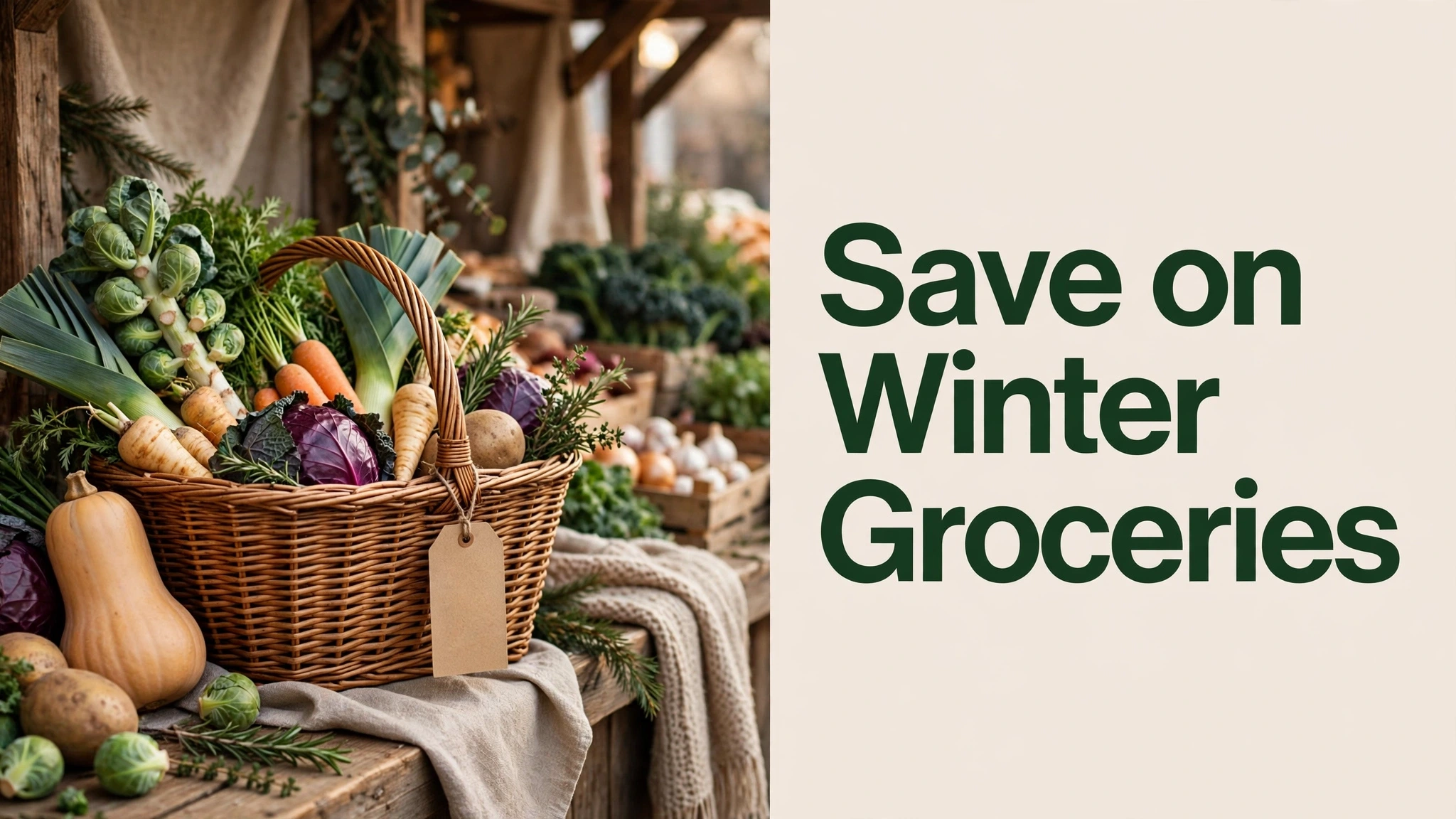
Winter’s cheapest reliable foods are the ones that store well and fill a plate: potatoes, carrots, onions, cabbage, turnips, parsnips, sweet potatoes, dried beans, lentils, rice, oats, and pasta. Build a week from them first, then add meat, cheese, or fresh herbs as flavour, not as the main event. A cabbage-and-potato soup with beans, a lentil-and-carrot stew over rice, roasted root vegetables with a small portion of chicken, and potato-and-egg hash all cost far less per meal than a meat-centred dinner with out-of-season salad on the side. Keep two or three of these as your repeat meals, because repetition is what makes winter shopping cheap: you learn the exact quantities, you stop buying one-use ingredients, and leftovers become tomorrow’s lunch instead of a mystery container. When you buy meat, choose cuts that improve with slow cooking — bone-in chicken thighs, stewing beef, pork shoulder — and stretch one roast across two meals, for example roast on Sunday and soup or sandwiches on Monday. This is not financial advice, and prices vary by store and region, but the structure holds everywhere: cheap base, small protein, strong seasoning.
Buy Seasonal and Frozen Instead of Out-of-Season Fresh
In winter, citrus, apples, pears, cabbage, kale, Brussels sprouts, leeks, and root vegetables are usually better value than berries, tomatoes, peaches, and delicate salad leaves, which travel further, cost more, and spoil sooner. Check your store’s weekly ad before you plan, not after, and let the cheapest seasonal item decide the week’s soup or roast. Frozen vegetables and fruit are the second half of this rule: they are picked and frozen at peak freshness, they do not rot in your fridge, and they work perfectly in soups, stews, curries, smoothies, and baking, where texture matters less than in a raw salad. Compare unit prices, not bag prices — a large frozen bag at a lower price per pound beats a small fresh pack that half goes bad. Keep frozen peas, mixed vegetables, berries, spinach, and corn as permanent freezer stock, and buy fresh only what you will use within three days. If a recipe calls for fresh herbs in winter, use dried herbs, garlic, ginger, chilli, lemon juice, or vinegar for flavour at a fraction of the cost, and save fresh herbs for one dish where they are the point.
Plan Soups, Stews, and One-Pot Meals for the Whole Week
Soup is winter’s best budget tool because it turns cheap ingredients, water, and time into many servings, and because it forgives substitution: no celery? Use cabbage. No fresh tomatoes? Use canned. Start the week with one large pot — vegetable soup, lentil soup, chicken-and-barley soup, or bean chilli — and plan it for two dinners plus two lunches. Cook grains and beans in bulk on the same day: a pot of rice, a pot of lentils, and roasted vegetables can combine into bowls, wraps, fried rice, and soup toppings all week without cooking from scratch each night. Write the plan on paper before shopping, with breakfast, lunch, and dinner for seven days, and shop only from that list plus milk, bread, and eggs if needed. A plan also stops the most expensive winter habit: buying ingredients for a meal you never cook, then ordering takeaway because nothing is ready. If your week is busy, plan two no-cook dinners — sandwiches, eggs on toast, or leftovers — rather than pretending you will cook every night. A realistic plan you follow beats a perfect plan you abandon.
Shop With a List, a Limit, and a Waste Check
Shop after a meal, not hungry, with a written list grouped by store section so you do not wander past tempting displays twice. Before leaving home, check the fridge, freezer, and pantry and cross off anything you already own; buying a second jar of something you have is a common, invisible leak. Set a cash or card limit for the trip and check the running total as you shop, or use a basket instead of a trolley when you only need a top-up shop, because a smaller container forces choices. Compare store-brand versions of pantry staples, canned tomatoes, beans, rice, oats, and frozen vegetables — these are often the same quality for noticeably less, and the saving repeats every week. Use loyalty offers and coupons only for items already on your list, and skip any “buy two” deal unless you will genuinely use both before they expire. At the till, keep the receipt and circle anything not on the list; after three weeks you will see your personal impulse pattern — snacks, drinks, bakery items, or extra meat — and that pattern, not willpower lectures, is what you need to change.
Stop Winter Food Waste Before It Starts
Waste is money you already spent and then threw away, and winter makes it worse because large holiday packs, soft herbs, and salad bags spoil quickly in a warm kitchen. Store potatoes and onions in a cool, dark place, keep leafy greens dry with a paper towel in a sealed container, freeze bread in slices so you toast only what you need, and freeze bananas, herbs in oil, and leftover soup in single portions. Use a “use first” box in the fridge for food near its date, and plan one fridge-clearing meal each week — soup, stir-fry, omelette, or fried rice — built from whatever is left. Cook the most perishable food first in the week and leave root vegetables, canned goods, and frozen food for later days, so nothing waits until it is unsafe or unappetising. Label freezer bags with the dish and date, because an unlabelled frozen block is food you will not trust and will eventually throw away. If you regularly throw away the same item — for example, half a bag of salad or a bunch of herbs — stop buying that size or switch to a longer-lasting alternative, such as cabbage instead of bagged salad or dried herbs instead of fresh.
Handle Holiday Food, Baking, and Guests Without Overspending
Holidays can double a winter grocery bill if you shop for a feast and a normal week at the same time. Decide the guest menu early, count portions honestly — most adults eat one main portion plus sides, not two — and let guests bring a dish or drinks, which most people are glad to do when asked directly. Bake from pantry ingredients you already use, such as oats, flour, apples, and root vegetables, instead of buying specialist ingredients for one recipe you will never repeat. Buy holiday extras only after the main shop is planned, and check what you already have for baking, spices, and canned goods before buying duplicates. If a store offers a very cheap seasonal item, such as carrots or sprouts, buy it only if it fits a meal you have planned; a bargain you do not eat is not a saving. For drinks, a large bottle, a homemade punch, or water with citrus slices usually costs far less than many small bottles, and it reduces packaging waste too. After the holiday, plan two days of leftover meals — soup, sandwiches, hash, or curry — so expensive holiday food becomes three meals instead of one feast plus waste.
Make a Simple Winter Grocery System You Can Repeat
A system beats motivation because winter is long and willpower fades. Keep a permanent winter pantry list on your phone: rice, oats, pasta, lentils, dried and canned beans, canned tomatoes, stock cubes, cooking oil, flour, onions, garlic, dried herbs, spices, salt, vinegar, and frozen vegetables. When any item runs low, add it to the next list immediately, so you never need an emergency expensive shop for one missing staple. Choose one main store for the weekly shop and one cheaper store for bulk pantry items if the saving is real after travel cost, and do a monthly price check on ten items you buy most — milk, eggs, bread, rice, chicken, potatoes, onions, canned tomatoes, oats, and frozen vegetables — to see whether your store is still competitive. Keep receipts for one month, add up the total, divide by meals cooked at home, and you have your true cost per home meal; that single number tells you whether changes are working better than any budgeting app. If the cost per meal falls while meals stay filling and varied, keep the system. If it rises, change one thing at a time — the store, the plan, or the waste — so you know what actually helped. Results vary by household size, income, and local prices, and the example figures in this post are examples only, not a promise of savings.
Use a Winter Price Book and a Two-Store Rotation
A price book is a short note, not a project: for ten foods you buy every week, write the price at each store you visit, update it once a month, and buy each item where it is cheapest after travel cost. This stops you from assuming one store is always cheapest, because stores rotate loss leaders — one week Store A discounts chicken, the next Store B discounts potatoes — and the shopper who follows the ad, not loyalty, wins. A two-store rotation works when the second store is on a route you already travel, such as near work or school; a special trip that burns fuel or a bus fare can erase a grocery saving, so count transport honestly. For bulk pantry goods, a monthly warehouse or discount-store trip can be worthwhile if you buy only long-life items and split large packs with family or a neighbour, but do not let a warehouse trip become a snack and gadget shop. Keep the price book in your phone notes with dates, because a price from last winter is not evidence for this winter, and seasonal supply, fuel, and store promotions change the ranking quickly.
Adjust the Plan for Household Size, Diet, and Cooking Time
A single person, a couple, and a family of five should not use the same winter plan. A single person wastes most by cooking large pots and forgetting leftovers, so cook half recipes, freeze the second half immediately in one portion, and buy smaller fresh packs even if the unit price is slightly higher, because eaten food beats cheap wasted food. A large family saves most by cooking full pots, buying root vegetables and grains in larger bags, and serving one shared meal rather than cooking separate dishes for picky eaters, with a simple topping or side that lets each person adjust flavour. For vegetarian, halal, or allergy-restricted households, the same structure applies — beans, lentils, eggs, dairy or alternatives, and grains provide filling protein at lower cost than meat — but check labels and cross-contact advice for your own needs, and do not assume a substitute ingredient costs the same; test one new substitute at a time. If you have only thirty minutes to cook, choose pressure-cooker lentils, sheet-pan roots, or a one-pot pasta over a slow stew that needs three hours, because a plan that fits your evening is the only plan you will repeat. Time, storage space, and taste are real constraints, not excuses, and a good winter system is built around them. Finally, keep one backup meal that needs no fresh ingredients — canned beans on toast, pasta with canned tomatoes, or rice with frozen vegetables — for the night a shop is missed or weather disrupts plans, so a gap in shopping does not become an expensive delivery order. A backup meal also protects a tight week: if money runs short before payday, you already have a filling option at home, and you do not need to borrow, skip meals, or buy on credit for basic food.
My Take:
My honest view is that most winter grocery advice fails because it treats food as a maths problem and ignores how people actually eat when it is cold, dark, and busy. A list of cheap foods does not help if you come home tired, open the fridge, see raw cabbage and lentils, and order takeaway anyway. The real skill is not finding the cheapest ingredient; it is making the cheap meal the easiest meal. That is why I would put soup and batch cooking at the centre, not at the edge, of a winter plan: one pot on Sunday that feeds you on Monday and Tuesday removes three separate decisions, three separate cooking sessions, and three chances to give up and spend more. If you do only one thing from this post, do that, and judge it after two weeks by how many nights you actually ate at home, not by how virtuous the shopping list looked.
I also think the seasonal rule needs a practical limit, because taken too literally it becomes joyless. If your family loves a particular out-of-season food, buy a small amount for one meal you enjoy, and save money everywhere else, rather than banning it and then breaking the whole budget in a frustrated shop. A budget that survives is better than a perfect budget that collapses. The same applies to store brands: try them on staples where taste difference is tiny, keep the branded version where it genuinely matters to you, and stop arguing about the rest. Personal taste is data, not weakness, and a plan that respects it lasts through February, when most January plans have already died.
The trap I would watch most carefully is the bulk-buy trap. Buying a huge pack feels like saving, but it only saves money if the food is eaten before it spoils, if you have storage space, and if you did not buy it on credit or at the cost of other essentials. I would buy bulk only for foods with a long shelf life that I use every week — rice, oats, lentils, canned tomatoes, frozen vegetables — and I would never bulk-buy fresh food, bakery items, or a new ingredient I have not cooked with before. A freezer full of unlabelled bags is not wealth; it is delayed waste. Label, date, and rotate, or do not bulk-buy at all.
My decision rule for any winter grocery “deal” is simple: does it fit a meal already planned, will it be eaten within its safe life, and is the unit price actually lower than my usual buy? If any answer is no, I skip it, however bright the sticker is. That rule protects against the two most expensive store tricks: the multi-buy on food you do not need, and the premium convenience version — pre-cut vegetables, ready meals, single-serve packs — that charges you for labour you could do in five minutes. Convenience has a place on a genuinely busy night, but it should be a planned exception, not the default, because paying for chopping and packaging every week is one of the fastest ways to inflate a bill without improving a meal.
Finally, I would measure success differently from most budget posts. Do not chase the lowest possible weekly total if it leaves you hungry, bored, or cooking food nobody wants to eat, because that total will rebound the following week. Measure three things instead: meals eaten at home, food thrown away, and whether you enjoyed at least most of what you cooked. If home meals rise, waste falls, and food still tastes good, the money usually follows — and the habit survives winter. If you are on a very tight income, prioritise filling, protein-and-fibre meals and a small emergency pantry over variety, and seek local food support without shame if needed; a grocery system should reduce stress, not add a moral test to every shop. That, to me, is the difference between saving money for a week and saving money all winter.
I would also change how I judge a “cheap week” in winter. A week where I spent less but ate takeaway three times, threw away a bag of salad, and bought a premium ready meal on Friday was not a cheap week; it was a week where costs moved off the grocery receipt and onto delivery fees and waste. The honest total is groceries plus takeaway plus wasted food, and only that total tells you whether the system worked. That is why I prefer a slightly higher grocery spend that produces seven home meals over a very low grocery spend that produces four home meals and three expensive outsourced ones. The goal is total food cost per satisfying meal, not the smallest receipt you can photograph.
One more angle matters in winter specifically: energy and health are part of the food budget, even though they do not appear on the receipt. A filling soup with beans, roots, and grains keeps you warm and full for hours; a light, expensive out-of-season salad leaves you hungry again by evening and pushes you toward a second snack purchase. Choosing filling food is therefore a saving, not just a nutrition point. I would still keep one enjoyable treat in the weekly shop — good bread, good cheese, or a favourite snack — because a budget with zero pleasure is a budget people quit. The trick is to choose the treat deliberately, buy one, enjoy it, and not let treats quietly become half the trolley. And when a week goes badly, I would not restart with a stricter plan; I would ask which single step broke — no plan, no list, no leftovers used, or a holiday shop — and fix only that step next week, because one repaired leak beats a whole new system every Monday. I would also keep the winter system visible: a pantry list on the fridge, a soup day on the calendar, and a waste note for the week, so the plan is not hidden in an app nobody opens. Visible systems get used; hidden systems get forgotten by February, however good they looked in November.
Frequently Asked Questions
How can I save money on winter groceries 2026 without eating the same soup every day? Rotate the base and the flavour, not just the recipe: use the same cheap ingredients — lentils, beans, rice, root vegetables — but change the seasoning to curry, tomato-herb, chilli, or ginger-soy, and alternate soup, stew, roast, and bowl meals so the week does not feel repetitive.
Which winter seasonal produce gives the best value in a cold-weather grocery budget? Cabbage, carrots, potatoes, onions, sweet potatoes, citrus fruit, apples, kale, and leeks are usually strong winter value because they store well and are in season; compare your local store’s weekly prices, since regional supply and store pricing can vary.
Are frozen vegetables really cheaper than fresh vegetables in winter? Often yes for cooking, because frozen vegetables do not spoil, can be bought in larger bags at a lower unit price, and are usable in exact portions; fresh is still better for raw salads, so use frozen for soups, stews, and sides and fresh only for dishes where crunch matters.
How do I stop winter grocery waste from holiday leftovers and large packs? Plan leftover meals before the holiday, freeze soup and cooked dishes in single portions with labels and dates, keep a weekly fridge-clearing meal, and buy large packs only for long-life staples you use every week.
What is a realistic winter grocery cap to set for a first month of saving? Start from your actual recent spending, not an ideal figure, and cut by about 10 to 20 percent first — for example, from $150 to $125 a week — then adjust after four weeks based on meals cooked at home and food thrown away; this is an example only, and results vary by household and prices.
Should I buy store-brand winter pantry staples or branded versions to save money? Store brands are usually worth trying for rice, oats, canned tomatoes, beans, and frozen vegetables, where quality differences are often small; keep a branded version only for items where you can genuinely taste or feel a difference that matters to your meals.
Sources
- https://www.americanstatebank.com/blog/post/14-smart-ways-iowans-can-save-on-groceries-and-utilities-this-winter
- https://www.paknsave.co.nz/money-saving-tips/ways-to-save-on-groceries
- https://smartdollarplace.com/grocery-savings/seasonal-produce-guide-what-to-buy-each-month-to-maximize-your-savings/