Tina Turner: The Life Story Behind the Queen of Rock
In this post
Tina Turner was born Anna Mae Bullock on 26 November 1939 in Nutbush, Tennessee, a small farming community in the American South, the daughter of Floyd Richard Bullock, a Baptist deacon and farm overseer, and Zelma Priscilla Currie, a factory worker, and she grew up picking cotton, singing in the church choir, and dreaming of a life beyond the fields. She was a girl of the rural South, raised in poverty, in a segregated America, and she learned to sing in a voice that was raw, powerful and unmistakable, a voice that would make her the Queen of Rock ‘n’ Roll.
When she was sixteen, she moved to St. Louis, Missouri, where she met Ike Turner, a musician and bandleader, and she joined his band, the Kings of Rhythm, as a singer, changing her name to Tina Turner, a name Ike gave her, and that he trademarked, so that she could not use it without him. Together they became Ike & Tina Turner, a duo that recorded a string of hits, including A Fool in Love, River Deep – Mountain High and Proud Mary, and that toured the world, performing a show that was electrifying and exhausting, with Tina dancing and singing for hours every night.
In 1976 Tina left Ike, fleeing their marriage after years of abuse, with thirty-six cents in her pocket and a petrol station credit card, and she spent the next eight years rebuilding her career from nothing, performing in small clubs, on television and in Las Vegas, before recording Private Dancer in 1984, an album that sold more than twenty million copies and made her, at forty-four, one of the biggest stars in the world. She was a survivor, and her comeback became one of the greatest stories in the history of popular music.
Tina died on 24 May 2023 in Küsnacht, Switzerland, at the age of 83, after a long illness, and she was mourned by the world, with tributes from presidents, from pop stars and from ordinary people who had been inspired by her story. This is her life story, from a cotton field in Tennessee to the top of the charts, and from a marriage that nearly destroyed her to a comeback that made her a legend.
Nutbush and the Childhood
Anna Mae Bullock was born on 26 November 1939 in Nutbush, Tennessee, a small, unincorporated community in Haywood County, to Floyd Richard Bullock, who worked as a farm overseer and as a deacon in the Baptist church, and Zelma Priscilla Currie, who worked in a factory. She was the younger of two daughters, her sister Alline being three years older, and she grew up in a house that was modest, with no electricity for much of her childhood, and with a family that worked hard to make a living from farming and from factory work. Her parents separated when she was eleven, and her mother moved to St. Louis, leaving Anna Mae and Alline with their grandmother in Nutbush, a separation that affected her deeply.
She attended the Flagg Grove School in Nutbush, a one-room schoolhouse for Black children, and she sang in the choir at the Nutbush Baptist Church, where her father was a deacon, and where she learned to sing gospel in a voice that was already powerful. She also picked cotton in the fields around Nutbush, working alongside her family, and she later said that the experience taught her the value of hard work and the importance of escaping poverty, a lesson that drove her for the rest of her life. She was a shy girl, but she was also determined, and she dreamed of becoming a singer, a dream that seemed impossible in Nutbush, but that she never gave up.
When she was sixteen, in 1956, she moved to St. Louis to live with her mother and her sister, and she attended Sumner High School, where she sang in the choir and where she was a cheerleader, and she worked as a nurse’s aide at a hospital. She also began to go to nightclubs in St. Louis, where she heard live music for the first time, including the bands of Ike Turner, Little Milton and other St. Louis musicians, and she was drawn to the energy and the excitement of the club scene, a world that was far removed from Nutbush, and that offered her a chance to sing.
St. Louis and Ike Turner
In 1957 Anna Mae went to a nightclub in East St. Louis, the Club Manhattan, to see Ike Turner and his band, the Kings of Rhythm, and during a break, she grabbed a microphone and sang B.B. King’s You Know I Love You, a performance that impressed Ike, who invited her to join his band as a singer. She became a regular member of the Kings of Rhythm, singing backing vocals and then lead vocals, and she changed her name to Tina Turner, a name Ike gave her, inspired by the character Sheena, Queen of the Jungle, and by the television show, and he trademarked the name, so that she could not perform as Tina Turner without him, a fact that would haunt her for years.
The band toured the American South, performing in clubs and at dances, and Tina’s voice and her stage presence made her a star, with audiences drawn to her energy, her dancing and her raw, powerful singing. In 1960 Ike and Tina recorded A Fool in Love, a song written by Ike, with Tina on lead vocals, and the record reached number two on the R&B chart and number twenty-seven on the pop chart, becoming a hit and launching the duo as Ike & Tina Turner. The record’s success led to a recording contract with Sue Records, and to a series of hits that included It’s Gonna Work Out Fine, Poor Fool and Tra La La La La.
Ike and Tina married in 1962, in Tijuana, Mexico, and they had a son, Ronnie, born in 1960, while Ike had children from previous relationships, and Tina had a son, Craig, born in 1958, from a previous relationship. The marriage was, from the start, a troubled one, with Ike’s temper, his drug use and his infidelity creating a climate of fear, and Tina later wrote that she was beaten regularly, and that she lived in terror of her husband, a reality that she hid from the public, who saw only the glamorous couple on stage.
Ike & Tina and the Hits
Ike & Tina Turner recorded a string of hits in the 1960s, including A Fool in Love, It’s Gonna Work Out Fine and Please, Please, Please, and they toured constantly, performing in America and in Britain, where they were championed by the Rolling Stones, who invited them to tour as their opening act in 1966 and again in 1969, a tour that exposed them to a rock audience and that made Tina a star in Britain. The duo’s live show was electrifying, with Tina dancing in a short skirt, singing with a raw power, and leading the Ikettes, a group of backing singers and dancers, in a performance that was unlike anything else in popular music.
In 1966 the duo recorded River Deep – Mountain High, a song produced by Phil Spector, who used his Wall of Sound technique, with a large orchestra and a choir, to create a record that was epic in scale, and that Tina sang with a power that Spector described as the greatest vocal performance he had ever recorded. The record was a hit in Britain, reaching number three, but it failed in America, reaching only number eighty-eight, a disappointment that Spector took personally, and that led him to retire from production for several years. The record is now regarded as a classic, and it is one of the most celebrated recordings in the history of popular music.
The duo’s greatest hit was Proud Mary, recorded in 1971, a cover of a Creedence Clearwater Revival song that Ike arranged as a slow ballad that built into a fast, frenetic dance number, with Tina singing the opening in a soft, sultry voice and then exploding into a performance that became the duo’s signature. The record reached number four on the pop chart, won a Grammy Award for Best R&B Vocal Performance by a Group, and became the song most associated with Ike & Tina Turner, a record that Tina continued to perform for the rest of her career, and that she made her own.
Proud Mary and the Revue
Proud Mary was recorded in 1970 and released in January 1971, and it became Ike & Tina Turner’s biggest hit, reaching number four on the Billboard Hot 100, number five on the R&B chart, and number three in Britain, and it won the Grammy Award for Best R&B Vocal Performance by a Group in 1972. The record’s arrangement, with its slow opening and its fast, driving second half, was Ike’s idea, and it showcased Tina’s voice and her ability to build a performance from a whisper to a scream, a technique that became her trademark. The song’s lyrics, about a woman who works on a riverboat, were given new meaning by Tina’s performance, which turned the record into a statement of resilience and of survival.
The Ike & Tina Turner Revue was a touring show that included the Ikettes, a group of female backing singers and dancers, and a band, the Kings of Rhythm, and it was one of the most successful live acts of the late 1960s and early 1970s, performing in America, in Britain and in Europe, and earning a reputation for a show that was physical, sexual and electrifying. Tina’s costumes, short skirts and high heels, and her dancing, which included the Pony, a dance she popularised, became part of her image, and the Revue’s performances were filmed for television and for the concert film Gimme Shelter, in which the duo appeared alongside the Rolling Stones.
The Revue’s success was built on Tina’s performance, and it was Tina who drew the audiences, but Ike controlled the money and the band, and he took the credit for the duo’s success, a fact that Tina resented, and that contributed to the breakdown of their marriage. The Revue continued to tour until 1976, when Tina left, and the duo’s final performances were tense, with Ike’s behaviour becoming more erratic and Tina’s determination to leave growing stronger with every show.
The Abuse and the Escape
Tina’s marriage to Ike was marked by violence, and she later wrote, in her memoir I, Tina, published in 1986, that Ike beat her regularly, with his fists, with a shoe stretcher, and with other objects, and that he was unfaithful, and that he used cocaine, which made his temper worse. She described an incident in which Ike broke her jaw, and another in which he beat her so badly that she was hospitalised, and she wrote that she lived in fear, and that she stayed in the marriage because she believed she had no choice, because Ike controlled her money, her name and her career, and because she had children to support.
On 1 July 1976, in Dallas, Texas, after a fight in which Ike beat her in a car on the way to a hotel, Tina fled, running across a highway to a Ramada Inn, with thirty-six cents in her pocket and a petrol station credit card, and she asked the hotel clerk for a room, hiding from Ike, who came looking for her. She filed for divorce, and she gave up her share of the couple’s property, including their house and their recording royalties, in exchange for the right to use the name Tina Turner, a name Ike had trademarked, and that she needed to continue her career. The divorce was finalised in 1978, and Tina was free, but she was broke, and she had to rebuild her career from nothing.
Her story, which she told in her memoir and in the film What’s Love Got to Do with It, released in 1993, with Angela Bassett playing Tina, became a symbol of survival, and it inspired women around the world who were in abusive relationships. Tina’s willingness to speak openly about the abuse, at a time when few celebrities did, was courageous, and it changed the conversation about domestic violence, making it a subject that could be discussed in public, and it made Tina a role model for survivors.
The Wilderness Years
After leaving Ike, Tina spent eight years rebuilding her career, performing in small clubs, in Las Vegas, on television and in Europe, where she had a following that had been built by the Ike & Tina tours. She recorded albums that sold poorly, including Rough in 1978 and Love Explosion in 1979, and she appeared on television shows, including The Hollywood Squares, and she performed in the film Tommy, in 1975, as the Acid Queen, a role that introduced her to a rock audience. She was determined to succeed on her own terms, but the music industry was reluctant to invest in a forty-year-old Black woman who had been part of a duo, and she struggled to find a record label that would sign her.
She was managed by Roger Davies, an Australian manager who believed in her, and who helped her to rebuild her live act, performing in clubs in America and in Europe, and building a reputation as a live performer who could still electrify an audience. She also performed at the Ritz in New York in 1981, in a concert that was attended by Rod Stewart, David Bowie and other stars, who had come to see her, and who were impressed by her performance, and the concert led to a renewed interest in her, and to a recording contract with Capitol Records, a major label that signed her in 1983.
The wilderness years were difficult, but they taught Tina resilience, and they gave her a determination that would serve her in her comeback. She worked constantly, touring, recording and performing on television, and she never gave up, even when the money was tight and the audiences were small. She was a survivor, and her survival was the foundation of the comeback that was to come.
Private Dancer and the Comeback
Private Dancer was released in May 1984, and it became the greatest comeback album in the history of popular music, selling more than twenty million copies worldwide, and producing the singles What’s Love Got to Do with It, which reached number one in America, Better Be Good to Me, Private Dancer and Let’s Stay Together. The album was recorded in London and in Los Angeles, with producers including Terry Britten and Graham Lyle, who wrote What’s Love Got to Do with It, and it had a sound that was contemporary, with synthesizers and drum machines, but that also showcased Tina’s voice, which was as powerful as ever, and which had acquired a new maturity and a new depth.
What’s Love Got to Do with It was released as a single in May 1984, and it reached number one on the Billboard Hot 100, Tina’s first number one as a solo artist, and it won three Grammy Awards, including Record of the Year and Song of the Year, and it became her signature song, the record she is most associated with, and one of the most famous songs of the 1980s. The song’s video, which showed Tina walking through New York in a denim jacket and a short skirt, became a staple on MTV, and the record’s success made Tina, at forty-four, one of the biggest stars in the world, a woman who had come back from nothing to the top of the charts.
The album’s success was followed by a world tour, the Private Dancer Tour, which played to sold-out arenas in America, Europe and Australia, and which established Tina as a live performer of the first rank, with a show that included her hits, her dancing and her interaction with the audience. The tour was a triumph, and it proved that Tina’s comeback was not a fluke, but a return to the top that would last for the next two decades.
What’s Love Got to Do with It and the Eighties
What’s Love Got to Do with It was written by Terry Britten and Graham Lyle, and it was offered to several singers before Tina recorded it, including Cliff Richard and Donna Summer, who turned it down, and it was Tina’s recording that made it a hit, with her voice giving the song a world-weariness and a wisdom that the lyrics required. The record reached number one in America, number three in Britain, and it won the Grammy Awards for Record of the Year, Song of the Year and Best Female Pop Vocal Performance in 1985, and it became the defining record of Tina’s solo career, a song about love that was sceptical and yet hopeful, and that spoke to women who had been hurt and who had survived.
The 1980s were Tina’s decade, with the albums Break Every Rule in 1986, which included the hits Typical Male and What You Get Is What You See, and Foreign Affair in 1989, which included the hit The Best, a song written by Mike Chapman and Holly Knight, that became one of Tina’s most popular records, and that was adopted as an anthem by sports teams, by advertisers and by fans around the world. The Best reached number fifteen in America and number five in Britain, and it became the song most associated with Tina after What’s Love Got to Do with It, a record that celebrated resilience and excellence, and that captured the spirit of her comeback.
She also appeared in films, including Mad Max Beyond Thunderdome in 1985, in which she played Aunty Entity, a role that earned her praise, and she performed the film’s theme song, We Don’t Need Another Hero, which became a hit, reaching number two in America. The 1980s made Tina a global star, and they established her as the Queen of Rock ‘n’ Roll, a title that she carried for the rest of her life, and that reflected her status as the most successful female rock singer of her generation.
The Later Years and Switzerland
In the 1990s Tina continued to record and to tour, releasing the album Wildest Dreams in 1996, which included the hits Whatever You Want and On Silent Wings, a duet with Sting, and Twenty Four Seven in 1999, her final studio album, which included the hit When the Heartache Is Over. She also recorded the theme song for the James Bond film GoldenEye in 1995, a record written by Bono and The Edge of U2, that became a hit, reaching number ten in Britain, and that introduced Tina to a new generation of film fans. Her tours in the 1990s were among the most successful in the world, with the Wildest Dreams Tour playing to millions of people in America, Europe and Asia.
She retired from touring in 2000, after a farewell tour, the Twenty Four Seven Tour, which was one of the highest-grossing tours of the year, and she moved to Switzerland, where she had bought a home in Küsnacht, on Lake Zurich, and where she lived with her partner, Erwin Bach, a German music executive whom she had met in 1985, and whom she married in 2013, in a ceremony at their home that was attended by Oprah Winfrey, David Bowie and other friends. She became a Swiss citizen in 2013, renouncing her American citizenship, a decision that reflected her love for Switzerland and her desire to live a quiet life away from the spotlight.
She came out of retirement in 2008, at the age of sixty-eight, for a fiftieth anniversary tour, the Tina!: 50th Anniversary Tour, which played to sold-out arenas in America and Europe, and which was a triumph, with Tina performing for more than two hours every night, dancing and singing with an energy that amazed audiences and critics. The tour was a farewell, and it ended in 2009, after which Tina retired for good, living in Switzerland, where she wrote her memoirs, Happiness Becomes You, and where she practised Buddhism, a faith she had adopted in the 1970s, and that she credited with helping her to survive and to find peace.
The Legacy of Tina Turner
Tina’s legacy is immense. She sold more than two hundred million records worldwide, more than any other female rock singer, and she won twelve Grammy Awards, including eight competitive awards and four Hall of Fame awards, and she was inducted into the Rock and Roll Hall of Fame twice, once with Ike Turner in 1991, and once as a solo artist in 2021, a rare honour that recognised her as a performer in her own right. Her records, including What’s Love Got to Do with It, Private Dancer, Proud Mary and The Best, are among the most famous in the history of popular music, and they are played every day around the world.
Her influence on other singers is incalculable. Beyoncé, who performed with Tina at the Grammy Awards in 2008, has said that Tina was her greatest influence, and that she studied Tina’s performances to learn how to command a stage, and other singers, from Mick Jagger to Adele, have named her as an inspiration. Her stage presence, her dancing, her voice and her resilience set the standard for female performers, and her comeback became the model for every artist who has returned from obscurity to the top of the charts.
Today Tina is remembered as the Queen of Rock ‘n’ Roll, and her name is synonymous with survival, with resilience and with the power of a woman who refused to be defeated. She was born in Nutbush, she worked in St. Louis, Los Angeles and London, and she died in Switzerland, and her songs remain the sound of a woman who sang with power and with joy, and who became a legend. Her life was long, her career was long, and her influence has lasted, and it will be felt for as long as people sing and dance.
My Take:
What I admire about Tina Turner is that her voice was the rawest in rock music, a voice that could sing a song about love, and make it sound like a cry, and that won her 12 Grammy Awards, including three for What’s Love Got to Do with It. That is a rare thing, because many singers have beautiful voices, but few have a voice that is raw, and Tina’s voice was raw, in the sense that it made every song she sang sound honest, and that is why she is the Queen of Rock ‘n’ Roll, and why her voice is still studied today, by singers who want to learn how to sing, and who listen to Tina, and who try to understand her genius, and who know they never will, because it was unique, and it was Tina’s, and it was a gift, and that gift is still here, in recordings that are more than fifty years old, and that are still powerful, still moving, and still relevant, today.
Proud Mary is the song I think about most, because it is one of the most beloved songs ever recorded, and Tina’s performance is at its heart. She sang it, about a riverboat, and it became a hit, and it won a Grammy Award, and that is a part of her legacy, a legacy that is still felt today, in every person who listens to Proud Mary, and who is moved by it, because it is a song about a river, and about being free, and that is a beautiful thing, and it is a part of her story that is both touching and inspiring, and that will be told for as long as Proud Mary is sung, and Proud Mary will always be sung, because it is a classic, and because it is Tina, and because it is a song about a riverboat, that became an anthem, and that is a gift that few singers possess, the gift of making a song into an anthem, and Tina had it, and she used it, in Proud Mary, and in every song she sang.
What’s Love Got to Do with It is a song I love, because it became a number one hit, and Tina sang it, with a voice that was raw, and that was soulful, and that made it feel personal, and that is a gift that few singers possess, the gift of making a song feel like it was written for you, and Tina had it, and she used it, in What’s Love Got to Do with It, and in every song she sang, and that is why the song is still a classic, and why it is still one of her most beloved songs, a song that is both a hit, and a work of art, and that is a rare thing, and it is a part of why Tina is a genius, and why her music is still important today, more than forty years after What’s Love Got to Do with It was recorded, because it is timeless, because it is honest, and because it is Tina.
Private Dancer is an album that moves me, because Tina released it, in 1984, at the age of 44, and it became a huge success, selling more than 20 million copies, and that is a testament to her talent, and to her determination, and to the power of a great singer, who, even when she is 44, can make a comeback, that will be remembered, for decades, and that is a lesson worth remembering, for anyone who wants to be a singer, because it shows that you can make a comeback, at 44, and you can be great, and the world will listen, if you are talented, and if you are true, and Tina was both, and that is why her comeback is inspiring, and that is a part of her story that is both touching and inspiring, and that will be told for as long as Tina is remembered, and Tina will always be remembered, as the Queen of Rock ‘n’ Roll, and as a woman who was, in every sense, a legend, and a survivor.
The lesson I take from Tina is that survival matters, even when it is hard. She was a woman, who left an abusive marriage, with only 36 cents, and a gas station credit card, and she rebuilt her life, through talent, through hard work, and through a microphone, and that is a lesson for anyone who is in an abusive relationship, because Tina shows that you can leave, and you can survive, and you can be great, and that is a powerful message, for anyone who wants to be a singer, because Tina shows that survival can be beautiful, and that a comeback can be beautiful, and that is a beautiful thing, and it is a part of why her story is inspiring, and why it will always be inspiring, and it is a reminder that we should not just survive, but come back, the way Tina did, and make our lives into art, and that is a lesson worth remembering, for every singer out there.
I also think about her childhood in Nutbush, because she was a sharecropper’s daughter, and she grew up in poverty, in the rural South, singing, in the church, and working, in the cotton fields, and that is a beautiful thing, and it is a part of her story that is both touching and inspiring, because it shows a girl, who was poor, and who became a legend, and that is a legacy that matters, in its own way, alongside her songs and her microphone, because her family is her greatest legacy, and they have honoured her, by being themselves, just as she was herself, and that is a beautiful thing, and it is a part of her story that is both touching and inspiring, and that will be told for as long as Tina is remembered, and Tina will always be remembered, as the Queen of Rock ‘n’ Roll.
Her energy on stage is something I admire, because she was a woman, who danced, in short dresses, and high heels, and she moved, with a energy, that was infectious, and that is a part of her genius, a genius that was not just about singing, but about performing, and about making an audience feel, and Tina had it, and she used it, in every concert she gave, and that is why her concerts are still regarded as some of the greatest ever given, and why she is still regarded as one of the greatest live performers ever, a woman who was, in every sense, a legend, and a survivor, and who will always be remembered, as Tina, and as the Queen of Rock ‘n’ Roll.
Finally, I believe Tina Turner was one of the greatest singers who ever lived, and her recordings are classics that will be played for as long as songs are sung. She was the Queen of Rock ‘n’ Roll, she was the greatest rock singer who ever lived, and she was a legend, and her story is one of talent, survival, and a life lived with a microphone. She will always be remembered as the woman who sang Simply the Best, and who did it, with a voice that will never be forgotten.
One more thing I want to say is that her 12 Grammy Awards are a testament to her talent, because she won them, over a career, that spanned more than fifty years, and that is a record that speaks for itself. She was great, at thirty-one, and she was great at eighty-three, and that is a rare achievement, and it is a reminder that talent does not fade with age, and that a great singer can be great for a lifetime, if she has the talent, the determination, and the voice that Tina possessed, and that is a legacy that will never be forgotten.
When I think about Nutbush, her birthplace, I think about how far she travelled, from a girl in the cotton fields to the most famous rock singer in the world, and how much she achieved. She was a girl who sang, in a church, and who became a legend, and that is a story that inspires anyone who dreams of being a singer, because it shows that dreams can come true, even if you start with nothing, and Tina started with nothing, and she became everything, and that is a hopeful message, and one that she embodied, in every song she sang, and in every concert she gave.
I will end by saying that listening to Tina Turner sing was a privilege, and I am grateful to have heard her voice. She was raw, she was soulful, and she was unmistakable, and those three things together make a great singer. She is the Queen of Rock ‘n’ Roll, she is the greatest rock singer who ever lived, and she is Tina, and she will always be remembered as such, as a legend, and as a voice that will never be forgotten.
There is a final thought I want to leave with, and it is about the line from Simply the Best, where she sings, you’re simply the best, better than all the rest, a line that has stayed with me, because it is a lesson about being the best, about believing in yourself, and about being human. Tina sang that line with a power that has stayed with me, because it is a lesson about life, about being the best, and about being human. That is the power of her singing: it teaches us how to live, and it makes us better people, by showing us that being the best matters, and that we should be the best, and that is a lesson I will carry with me, always.
And if you have never heard Proud Mary, listen to it, because it is one of the great songs of all time, and Tina’s performance is at its heart. Listen to it for the story, for the riverboat, and for the voice, and for the woman who sang it with a conviction that is unforgettable. That is the Tina Turner I will remember: not just the singer, but the woman, who was raw, soulful, and unmistakable, and who will never be forgotten.
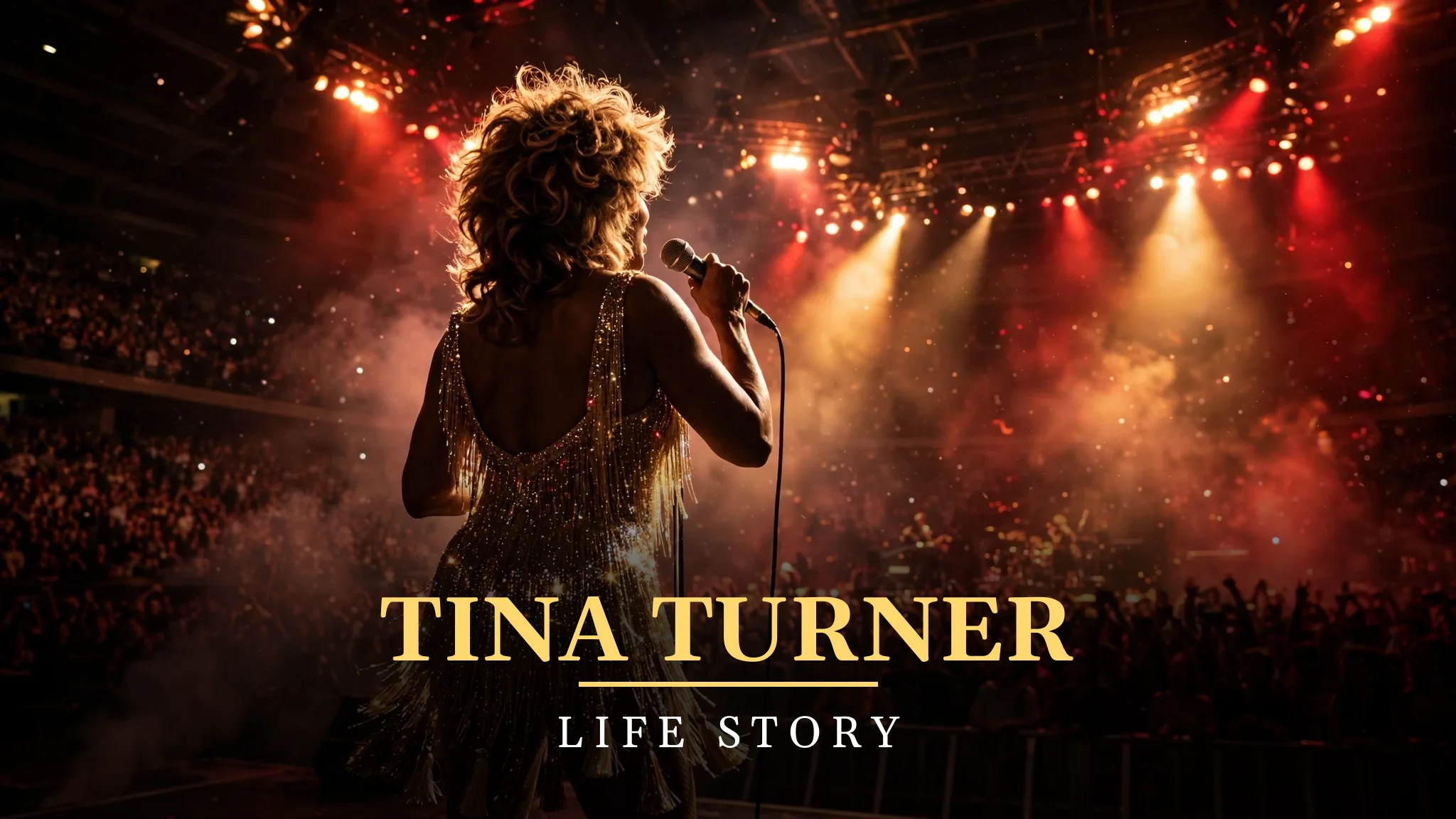
One last memory: the image of her with wild hair and a short sparkling dress, dancing on a stadium stage, with a voice that is raw, and that fills the stadium, and that makes an audience feel, in a way that no other voice can. That image is iconic, and it is beautiful, and it is the image that will define her forever. She was the Queen of Rock ‘n’ Roll, and she was Tina, and she was the greatest rock singer who ever lived.
Her legacy will live on through her recordings, through her microphone, and through the generations of singers she inspired, who heard her voice and wanted to sing the way she sang. That is a fitting legacy for a woman who defined rock, and who did it with a microphone and a voice that will never be forgotten. She is gone, but her voice remains, and her name will be remembered as one of the greats.
Finally, I want to say thank you, Tina Turner, for Proud Mary, for Simply the Best, and for a life lived with a microphone that sang of survival. You were a great singer, and you were a great woman, and the world is a better place because you were in it. Your recordings are still here, your legacy is still here, and your example is still here, and that is a life that mattered, and a life that will never be forgotten.
And one more thing: if you are a singer, sing like Tina, because she is the singer every singer deserves to be, a singer who sings with her heart, and who makes an audience feel. Sing like Tina, the way Tina Turner sang, and the world will be a better place for it, because the world needs more singers like her, who sing with rawness, with soul, and with humanity.
There is a last lesson in her life that I carry with me, and it is this: survive, even when it is hard, because surviving is a choice, and Tina chose it, every day, in every song, and in every part of her life. That is a lesson worth remembering, and it is one I will carry with me, always, because the world needs more people like Tina Turner, who survive, and who do it, with a microphone, and with a voice, that will never be forgotten.
One final thought: her album Private Dancer, released in 1984, is a testament to her talent, because she released it, at 44, and it sold more than 20 million copies, and that is a record that speaks for itself. She was great, at thirty-one, and she was great at forty-four, and that is a range that few singers possess, and it is a reminder that Tina was not just a rock star, she was a musician, and a great one, and that is a legacy that will never be forgotten.
And if you ever doubt that a song can speak for survival, remember Tina Turner, because she did, with Private Dancer, a song that made millions of people feel, and that is still sung today, by people who love rock, and who believe, that survival matters, and that is a legacy that will last, long after her songs are sung, because her voice is still here, and her influence is still here, and that is a gift that will never fade.
There is one more thing I want to say, and it is about her husband Erwin Bach, because he loved her, and he was loyal to her, and he donated a kidney, to her, in 2017, and that is a beautiful thing, and it is a part of her story that shows her as a wife, not just as a singer, and that is a legacy that matters, in its own way, alongside her songs and her microphone, because her family is her greatest legacy, and they have honoured her, by being themselves, just as she was herself.
Her story also reminds me that a girl from Nutbush can become a legend, if she has talent, determination, and a microphone, and that is a hopeful message for anyone who feels like an outsider, or who feels different. Tina was different, and she was an outsider, and she became one of the greatest singers in history, because she embraced who she was, and she used her talent to become great. That is a lesson worth remembering, for every different person out there, and for every singer who wants to be heard.
I also want to mention her Buddhism, because she became a Buddhist, in the 1970s, and she chanted, Nam Myoho Renge Kyo, every day, and she said, that Buddhism helped her, to survive, and to find peace, and that is a beautiful thing, and it is a part of her story that shows her as a woman, who found peace, in a spiritual practice, and that is a legacy that matters, in its own way, alongside her songs and her microphone, because her Buddhism is her greatest legacy, and it has honoured her, by being itself, just as she was herself.
And finally, I think about the fact that she died at 83, after a career, that spanned more than sixty years, and that is a reminder that a great singer can be great for a lifetime, and that we should make the most of our lives, the way Tina Turner did, singing with a voice that was a gift, and living a life that was both beautiful and remarkable, and that is a life worth living, and a life worth remembering, and I am grateful to have learned about it, and to have shared it with you.
Frequently Asked Questions
When was Tina Turner born?
Tina Turner was born on 26 November 1939 in Nutbush, Tennessee, USA, as Anna Mae Bullock. She grew up in poverty in the rural South, singing in church and working in cotton fields.
What is Tina Turner most famous for?
She is most famous as the Queen of Rock ‘n’ Roll, and for Proud Mary, What’s Love Got to Do with It, Private Dancer, and Simply the Best, songs that defined rock music.
How did Tina Turner leave Ike Turner?
In 1976 she walked out of a Dallas hotel with only 36 cents and a gas station credit card after years of abuse, filed for divorce in 1978, and kept only her stage name, Tina Turner.
When did Tina Turner die?
She died on 24 May 2023 in Küsnacht, Switzerland, at the age of 83, of natural causes, after a career spanning more than six decades.
What was Tina Turner’s comeback?
Her comeback was Private Dancer in 1984, at age 44, which sold over 20 million copies. What’s Love Got to Do with It became a number one hit and won three Grammy Awards.
Who was Erwin Bach?
Erwin Bach was a German music executive Tina met in 1986. They lived together in Switzerland for over 25 years, married in 2013, and he donated a kidney to her in 2017.


