Best Foods for Brain and Memory 2026
In this post
- Fatty Fish and Healthy Fats for Brain Structure
- Berries, Colourful Fruit, and Antioxidants
- Leafy Greens, Vegetables, and Whole Grains
- Nuts, Seeds, Eggs, and Protein for Focus
- Drinks, Spices, and Foods to Limit
- Eating Patterns That Support Memory Over Time
- Practical Brain-Friendly Meals and Shopping Tips
- Brain Foods on a Budget and Across Cuisines
- Sleep, Exercise, and Learning: Partners of Brain Food
- Brain Foods for Students and Workers Under Pressure
- Reading Food Labels for Brain Health
- My Take:
Food affects the brain every day, not only through energy, but through fats, vitamins, minerals, antioxidants, and blood flow. The brain is a demanding organ: it uses a large share of the body’s energy, contains a high proportion of fat, and is vulnerable to oxidative stress and inflammation over time. No single food can guarantee sharp memory or prevent disease, and claims of miracle brain foods should be treated with caution. Yet dietary patterns consistently linked with better brain health share common features: plenty of vegetables, fruit, whole grains, legumes, nuts, seeds, and fish, with limited highly processed foods, excess sugar, and unhealthy fats. Understanding which foods support the brain, and how to include them in ordinary meals, gives people practical choices without expensive supplements or complicated diets. This guide focuses on evidence-informed foods, realistic portions, and overall patterns rather than promising quick fixes.
Fatty Fish and Healthy Fats for Brain Structure
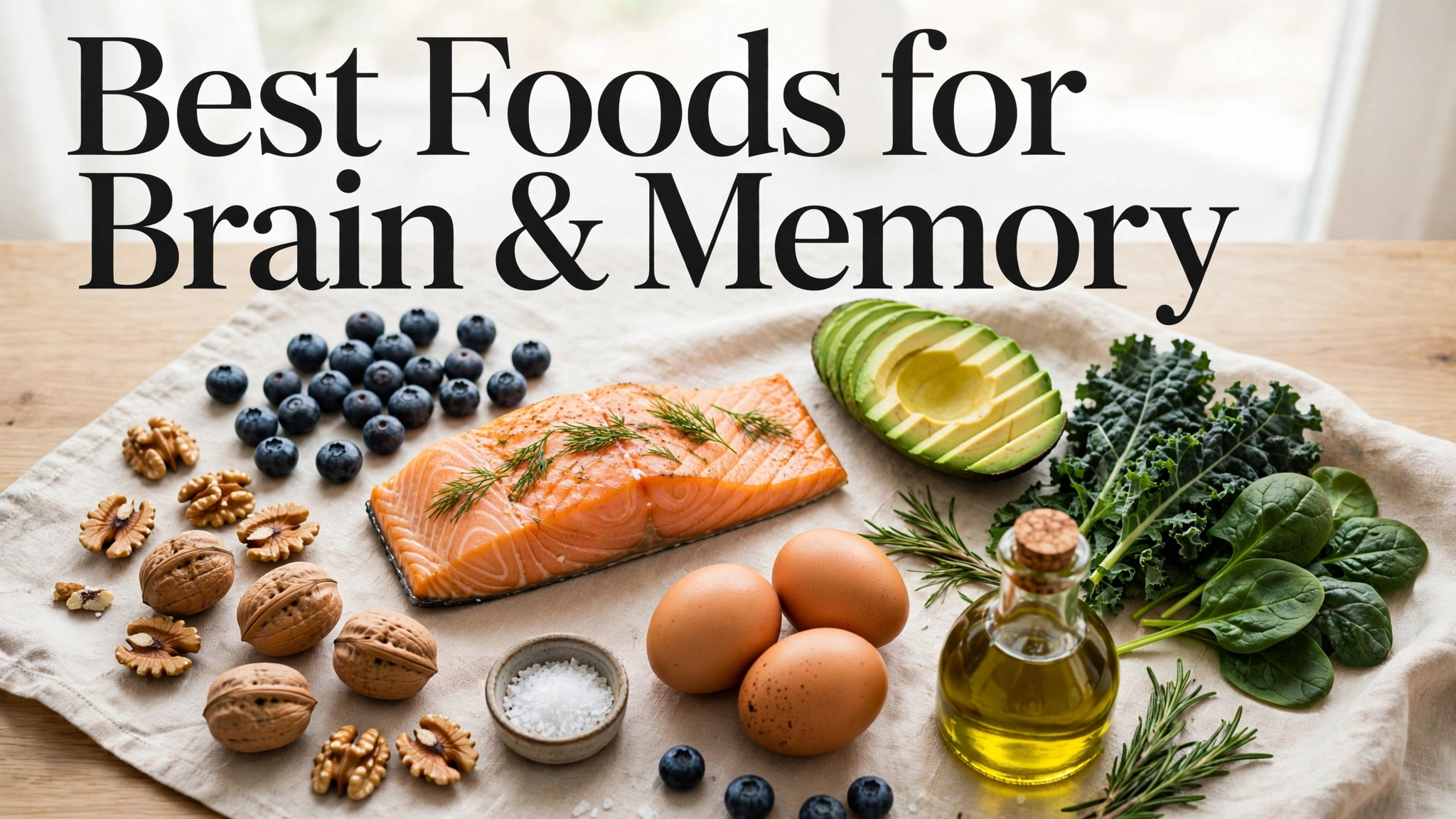
Fatty fish such as salmon, sardines, mackerel, trout, and herring are among the most studied brain foods, largely because they provide long-chain omega-3 fats, especially DHA and EPA. DHA is a major structural fat in brain cell membranes, and it plays a role in signalling between brain cells. People who eat fish regularly tend to show better cognitive outcomes in observational studies, though these studies cannot prove that fish alone causes the benefit, because fish eaters often have other healthy habits. Still, including fatty fish once or twice a week is a reasonable, widely recommended pattern for many adults, subject to personal, cultural, and medical considerations. For people who do not eat fish, plant sources such as flaxseed, chia seeds, and walnuts provide ALA, a shorter-chain omega-3 that the body converts only partly to DHA and EPA. Olive oil, avocados, and nuts provide monounsaturated fats that support heart health, which in turn supports brain blood flow. The brain depends on healthy blood vessels: what protects the heart often protects the brain. Choosing healthy fats in place of heavily processed fats, rather than simply adding fat on top of an unhealthy diet, is the key distinction.
Berries, Colourful Fruit, and Antioxidants
Berries, especially blueberries, strawberries, and blackberries, are frequently highlighted for brain health because they are rich in flavonoids and other plant compounds with antioxidant and anti-inflammatory properties. Laboratory and observational research suggests these compounds may support communication between brain cells and protect against age-related decline, though human evidence is promising rather than conclusive. Colour is a useful guide: deeply coloured fruit and vegetables often contain beneficial plant compounds. Dark grapes, cherries, pomegranates, and citrus fruit also contribute vitamins and fibre. The benefit likely comes from regular intake over years, not from a single large serving before an exam. A handful of berries in yoghurt, oatmeal, or a smoothie is a practical daily habit. Frozen berries retain many nutrients and are often cheaper and easier to store than fresh ones, which matters for real-life budgets. Fruit should complement, not replace, vegetables and protein. Excess fruit juice, which removes fibre and concentrates sugar, is not equivalent to whole fruit. The goal is a colourful, varied diet, where berries are one enjoyable part of a broader pattern rather than a magic ingredient.
Leafy Greens, Vegetables, and Whole Grains
Leafy green vegetables such as spinach, kale, collard greens, and broccoli are rich in folate, vitamin K, lutein, and other nutrients linked with slower cognitive decline in observational studies. One well-known pattern is that people who eat leafy greens regularly tend to show cognitive scores equivalent to being younger than their age, though again, overall lifestyle plays a role. Cruciferous vegetables, carrots, peppers, tomatoes, and beets add fibre, vitamins, and plant compounds while supporting blood pressure and vascular health. Whole grains such as oats, brown rice, quinoa, whole wheat bread, and barley provide steady glucose, the brain’s main fuel, without the sharp rises and crashes linked with refined grains and sugary foods. Steady energy supports concentration, especially during long study or work sessions. Legumes such as lentils, chickpeas, and beans combine fibre, protein, folate, and iron, making them excellent, affordable brain foods in many cuisines. A practical plate might include half vegetables, a quarter whole grains or starchy foods, and a quarter protein, with healthy fats added through oil, nuts, or seeds. That simple structure supports the brain without requiring exotic ingredients.
Nuts, Seeds, Eggs, and Protein for Focus
Nuts and seeds provide healthy fats, vitamin E, magnesium, and plant protein. Walnuts are often singled out because their shape resembles a brain and they contain ALA omega-3s, but almonds, pistachios, hazelnuts, pumpkin seeds, and sunflower seeds also contribute valuable nutrients. Vitamin E is an antioxidant that may help protect brain cells from oxidative damage, though high-dose vitamin E supplements are not equivalent to food and can carry risks, so food sources are preferable for most people. A small handful of unsalted nuts daily is a practical portion; large amounts add many calories, so portion awareness matters. Eggs provide choline, a nutrient used to make acetylcholine, a chemical involved in memory and muscle control, as well as B vitamins and protein. Lean meats, poultry, dairy, tofu, and legumes also supply protein and B vitamins needed for energy and brain function. Protein at meals helps sustain attention by slowing digestion and preventing rapid hunger. For students and workers, a breakfast with protein, whole grains, and fruit often supports steadier focus than a sugary breakfast alone. These are general patterns, not guarantees, and individual needs vary with age, health, and activity.
Drinks, Spices, and Foods to Limit
What you drink also affects the brain. Water is essential: even mild dehydration can impair concentration, mood, and short-term memory for some people, so regular water intake through the day matters more than any special drink. Green tea provides caffeine in moderate amounts plus L-theanine, an amino acid linked with calm alertness, which is why many people find green tea less jittery than coffee. Coffee in moderate amounts may support alertness and is linked in observational studies with lower risk of some neurological conditions, but excess caffeine can disrupt sleep and increase anxiety, which harms memory. Turmeric contains curcumin, studied for anti-inflammatory effects, though absorption from food is limited and evidence for memory benefits in healthy people remains preliminary. Dark chocolate in small amounts provides flavonoids, but sugary chocolate bars are not a health food. Foods to limit for brain health include heavily processed meats, fried foods, sugary drinks, excessive alcohol, and diets very high in added sugar and refined grains. These patterns are linked with inflammation, vascular damage, and poorer metabolic health, all of which affect the brain over time. Alcohol in particular can impair memory acutely and harm brain health with heavy use.
Eating Patterns That Support Memory Over Time
Single foods matter less than overall eating patterns sustained for years. The Mediterranean and MIND dietary patterns, both rich in vegetables, fruit, whole grains, fish, olive oil, nuts, and legumes, and low in processed foods, have been linked in studies with slower cognitive decline and lower dementia risk, though research is ongoing and cannot promise prevention. The practical lesson is consistency: eat mostly minimally processed foods, include vegetables at most meals, choose whole grains, eat fish or plant proteins regularly, and keep sugary drinks and highly processed snacks occasional. Meal timing also matters for focus: skipping meals can leave some people foggy, while very heavy meals can cause sleepiness. Regular meal times, balanced plates, and attention to sleep, exercise, and stress together support memory more than diet alone. Supplements are often marketed for brain health, but for most healthy people, a varied diet is preferable, and supplements should be discussed with a clinician, especially because some interact with medicines or carry risks at high doses. Memory is also supported by learning, social connection, physical activity, and sleep, so food should be seen as one pillar among several, not a standalone solution.
Practical Brain-Friendly Meals and Shopping Tips
Brain-friendly eating becomes easier with simple, repeatable meals. Breakfast examples include oatmeal with berries and walnuts, eggs with whole grain toast and spinach, or yoghurt with fruit and seeds. Lunch might be lentil soup with whole grain bread, a salad with chickpeas, olive oil, and vegetables, or grilled fish with brown rice and broccoli. Dinner could be salmon or tofu with quinoa and mixed vegetables, or chicken with sweet potato and greens. Snacks such as fruit, nuts, yoghurt, or vegetable sticks with hummus are more supportive than sugary snacks. When shopping, prioritise frozen vegetables and berries, canned beans and fish in water, whole grains, and seasonal produce to control cost. Read labels for added sugar, sodium, and heavily processed fats, and cook at home when possible, because home cooking gives control over ingredients. You do not need to overhaul your diet overnight. Adding one vegetable to lunch, swapping a sugary drink for water, and eating fish once a week are realistic first steps. Small, sustained changes, repeated for months, are more valuable than a perfect week followed by a return to old habits.
Brain Foods on a Budget and Across Cuisines
Brain-friendly eating does not require expensive imported foods. Lentils, beans, chickpeas, eggs, seasonal vegetables, oats, brown rice, and local fruit are affordable, widely available, and rich in nutrients that support brain health. Frozen vegetables and berries, canned fish in water, and bulk whole grains reduce cost without greatly reducing nutrition. Different cuisines already contain brain-friendly patterns: South Asian dals with turmeric and vegetables, Mediterranean salads with olive oil and legumes, East Asian meals with fish, tofu, and greens, and Latin American bean and corn dishes all combine fibre, plant compounds, and healthy fats. The key is to emphasise vegetables, legumes, whole grains, and minimally processed proteins, while limiting sugary drinks and heavily processed snacks, within foods you already enjoy and can afford. Cultural familiarity matters for sustainability: a diet that feels foreign, expensive, or difficult to cook is unlikely to last. Adapting brain-friendly principles to your own cuisine, budget, and cooking skills is far more effective than copying an unfamiliar menu. Food that is affordable, tasty, and easy to prepare will be eaten regularly, and regularity is what supports the brain over time.
Sleep, Exercise, and Learning: Partners of Brain Food
Food alone cannot carry brain health. Sleep consolidates memory, exercise improves blood flow and mood, and learning builds new neural connections. A person who eats well but sleeps poorly, sits all day, and avoids mental challenge is unlikely to reach their cognitive potential. Conversely, a person with an imperfect diet who sleeps well, walks daily, reads, learns new skills, and stays socially connected may maintain strong cognitive function. Social connection deserves special attention: conversations, shared meals, and community participation stimulate language, memory, and emotional regulation in ways that food cannot replace. Stress management also matters, because chronic stress can impair memory and focus even when nutrition is good. The most effective brain strategy is therefore combined: eat mostly whole foods, move daily, sleep consistently, challenge your mind with reading, puzzles, work, or study, and maintain relationships. Each pillar supports the others. Good food gives energy for exercise, exercise improves sleep, sleep improves learning, and learning gives purpose that motivates healthy eating. Treating brain health as a whole lifestyle, rather than a shopping list, leads to more realistic and lasting results.
Brain Foods for Students and Workers Under Pressure
Students and workers under pressure often eat poorly precisely when their brains need steady fuel most. Exam periods, deadlines, and long shifts can lead to skipped meals, sugary snacks, excessive caffeine, and late-night eating, all of which can impair focus and memory. Practical strategies help more than ideal menus: prepare simple meals in advance, keep fruit, nuts, yoghurt, and water at the desk, eat a balanced breakfast before study or work, and avoid very heavy lunches that cause afternoon sleepiness. During intense periods, a regular eating schedule matters as much as food choice, because hunger and low blood sugar can mimic poor concentration. Caffeine, if used, is best kept moderate and earlier in the day, so it does not harm sleep, which is essential for memory consolidation. Students should also remember that cramming on little sleep, even with good food, is less effective than spaced study with adequate rest. Brain-friendly eating under pressure is therefore about preparation, regularity, and sleep, not about expensive superfoods consumed at the last minute before a test or deadline.
Reading Food Labels for Brain Health
Reading labels can turn brain-friendly eating from guesswork into a practical skill. Check sugar per serving, sodium, and the length of the ingredient list, and prefer products where whole foods appear first, such as whole wheat, oats, or vegetables, rather than refined flour or added sugars. Compare similar products: two breads, yoghurts, or cereals can differ greatly in sugar, fibre, and processing, even when packaging looks similar. Watch for marketing terms such as “natural,” “brain-boosting,” or “superfood,” which are not reliable guarantees of health. A simple rule helps: if a product is heavily processed, high in added sugar, and low in fibre and protein, it is unlikely to support steady focus, no matter what the front of the packet claims. Label reading takes only seconds once practised, and it empowers shoppers to choose better options without needing expensive or exotic foods. Combined with home cooking and seasonal produce, label awareness is one of the cheapest and most effective tools for building a brain-friendly diet in everyday life.
My Take:
My honest opinion is that brain food advice has become too focused on superfoods and too divorced from real meals. People are told to buy expensive berries, exotic powders, and supplements, while ignoring the simple truth that the brain thrives on an ordinary, balanced diet eaten consistently. I have seen students eat a handful of walnuts before an exam and expect memory magic, while sleeping five hours, skipping breakfast, and drinking energy drinks all day. That approach misses the point. No food can compensate for poor sleep, chronic stress, and inactivity. The brain is not a machine you can fuel with one special ingredient. It is a living organ that needs steady energy, healthy blood flow, rest, learning, and connection, day after day. When I think about brain health, I think less about individual foods and more about patterns: vegetables at most meals, whole grains instead of refined ones, fish or beans regularly, water instead of sugary drinks, and mostly home-cooked food.
I also think we should be honest about what food can and cannot do. Eating well may support memory, focus, and long-term brain health, but it does not guarantee genius, prevent all disease, or replace medical care. Anyone promising that a single food will dramatically improve memory in days is selling something, not sharing science. That honesty matters, because false promises lead to disappointment and waste, especially for families worried about ageing parents or struggling students. A better promise is quieter and more reliable: a balanced diet, combined with sleep, movement, learning, and social life, gives your brain the best everyday conditions to work well. That may sound less exciting than a superfood claim, but it is far more useful, because it is something you can actually do, afford, and sustain for years.
So my practical advice is to start where you are. Add berries to breakfast if you can afford them, or eat seasonal fruit if you cannot. Add greens to one meal a day. Eat fish once a week if you eat fish, or lentils and walnuts if you do not. Drink water regularly, limit sugary drinks, and keep portions sensible. Most importantly, pair good food with good sleep and regular learning. Read, practise, discuss, and challenge your mind, because memory grows through use as well as nutrition. If you do those things consistently, you are not chasing a miracle. You are building a foundation. And a strong foundation, built from ordinary foods and ordinary habits, will serve your brain far better than any expensive shortcut ever will.
I also want to challenge the idea that brain health is mainly about ageing or old age. Young people, students, and workers also need brain-friendly habits now, not only in later life. A student who skips breakfast, lives on sugary drinks, sleeps little, and studies in long, distracted sessions is working against their own memory, even if they eat a superfood occasionally. A worker who eats heavy, processed lunches and sits all day may feel foggy by afternoon, not because they lack intelligence, but because their brain lacks steady fuel, movement, and rest. Building good habits early creates a foundation that pays off for decades, while waiting until problems appear makes change harder. That does not mean young people must eat perfectly. It means small, early choices, such as water instead of soda, vegetables at lunch, and regular sleep, compound over a lifetime into a meaningful advantage.
Another honest point is about marketing. The brain supplement industry is large, persuasive, and often ahead of the evidence. Products promise sharper focus, better memory, and protection from decline, using scientific-sounding language and selective studies. For most healthy people, those promises exceed what the evidence supports, and money spent on supplements might be better spent on real food, sleep, and learning. That is not to say supplements never have a role; some people have deficiencies or medical needs where a clinician may recommend them. But a supplement should not replace a balanced diet, and it should not be taken in high doses without advice, because some nutrients can be harmful in excess or interact with medicines. A sceptical, food-first approach protects both health and wallet, and it keeps attention on habits that actually work: eating well, moving, sleeping, and learning consistently.
Finally, I would encourage a joyful approach to brain food. Eating for brain health should not feel like punishment, restriction, or fear. It should feel like care: colourful meals, shared cooking, seasonal fruit, a favourite fish dish, nuts with tea, or a simple lentil soup made well. When food is enjoyable, it is sustainable, and sustainability is what the brain needs most. You do not need a perfect diet to support your memory. You need a mostly balanced pattern, repeated with kindness over years, alongside sleep, movement, learning, and connection. That combination, ordinary as it sounds, is the most powerful brain strategy available, and it is available to most people starting with their next meal.
I also think families can make brain-friendly eating easier by cooking together and modelling balanced meals, rather than lecturing children about superfoods. A child who helps prepare a vegetable soup, tastes berries, or eats fish with family is learning food habits through experience, not through fear or marketing. Those early experiences shape preferences for years. For adults, cooking at home, even a few times a week, gives control over ingredients, portions, and sugar that takeaway food rarely offers. It does not need to be elaborate: lentils, rice, vegetables, and eggs can become a nutritious meal in thirty minutes. The goal is not culinary perfection, but regular, home-cooked, vegetable-rich meals that the whole household can enjoy and afford, repeated week after week.
Finally, I would remind readers to be patient with dietary change. Taste preferences, cooking skills, budgets, and family habits change slowly. A person who adds one vegetable daily, swaps sugary drinks for water, and eats fish weekly has made meaningful progress, even if their diet is not perfect. Over a year, those small changes can improve energy, weight, blood pressure, and mood, which in turn support brain health. Do not chase a perfect brain diet for a month and then abandon it. Build a good-enough diet for a lifetime, enjoy your food, and pair it with sleep, movement, learning, and connection. That balanced, joyful, sustainable approach will serve your brain far better than any short-lived, expensive, or restrictive plan ever could.
Frequently Asked Questions
What are the best foods for brain and memory?
Fatty fish, berries, leafy greens, nuts, seeds, whole grains, legumes, and eggs are commonly highlighted, as part of an overall balanced pattern rich in vegetables, healthy fats, and minimally processed foods.
Do blueberries really improve memory?
Berries contain flavonoids linked with brain benefits in research, but evidence is promising rather than conclusive. Regular intake as part of a healthy diet is more meaningful than a single serving.
Can food prevent dementia?
No food can guarantee prevention. Dietary patterns such as Mediterranean and MIND diets are linked with slower decline in studies, but risk also depends on genetics, sleep, exercise, vascular health, and other factors.
Are brain supplements worth taking?
For most healthy people, food sources are preferable. Supplements should be discussed with a clinician, as some carry risks or interact with medicines, and evidence for memory benefits is often limited.
What foods are bad for memory?
Diets high in sugary drinks, heavily processed foods, fried foods, excessive alcohol, and added sugar are linked with poorer vascular and metabolic health, which can affect the brain over time.
Does coffee help focus?
Moderate coffee may improve alertness for many people, but excess caffeine can disrupt sleep and increase anxiety, which harms concentration. Individual tolerance varies.
Sources
- Cleveland Clinic: https://my.clevelandclinic.org
- Mayo Clinic: https://www.mayoclinic.org
- National Institutes of Health: https://www.nih.gov
- NHS: https://www.nhs.uk
- Harvard T.H. Chan School of Public Health: https://www.hsph.harvard.edu