Best Free Museums in London in 2027
In this post
- The British Museum: Two Million Years in One Building
- Natural History Museum: Dinosaurs and Wonder
- Tate Modern and Tate Britain: Art for Everyone
- The National Gallery: Masterpieces on Trafalgar Square
- Science Museum and V&A: Two Neighbours, Two Worlds
- Smaller Free Gems Worth Finding
- How to Visit Free Museums Without the Queues
- Saving Money Around the Museums
- Planning a Free Museum Day in London
- My Take:
London has some of the finest museums in the world, and the most surprising thing about them is that many of the greatest ones cost nothing at all to enter. One famous object should never decide the whole day. The Rosetta Stone is seen in ten minutes; the walk between galleries, the cafe and the Tube home fill the rest of the hours. Ask which day fits your energy and your pocket, not which day tops a list. The finest museum day on paper can still be wrong for a tired visitor with only one afternoon.
Start with the British Museum, the Natural History Museum and Tate Modern, all free, and plan your visit around the quieter weekday mornings to enjoy them properly. Your friend’s perfect day was built on their pace, their interests and their stamina. Borrow their route if you like it, but rebuild the day for your own legs and your own curiosity. Free entry does not mean a free day. Travel, food and special exhibitions add up quietly, and a coffee here and a guidebook there can double what you thought the day would cost.
A ticket offer with a countdown is a sales tactic, not a deadline. If a special exhibition pushes you to book before you have checked the day, step away; the good days will still be there tomorrow. Try the free version before you pay for anything. One gallery, one hour, one walk through the Great Court, and you will know quickly whether the paid exhibition is worth your money. For anything you pay for, get the terms in writing first: the date, the entry time, the refund rule. A friendly assurance at the desk is hard to rely on when the exhibition is sold out.
The British Museum: Two Million Years in One Building
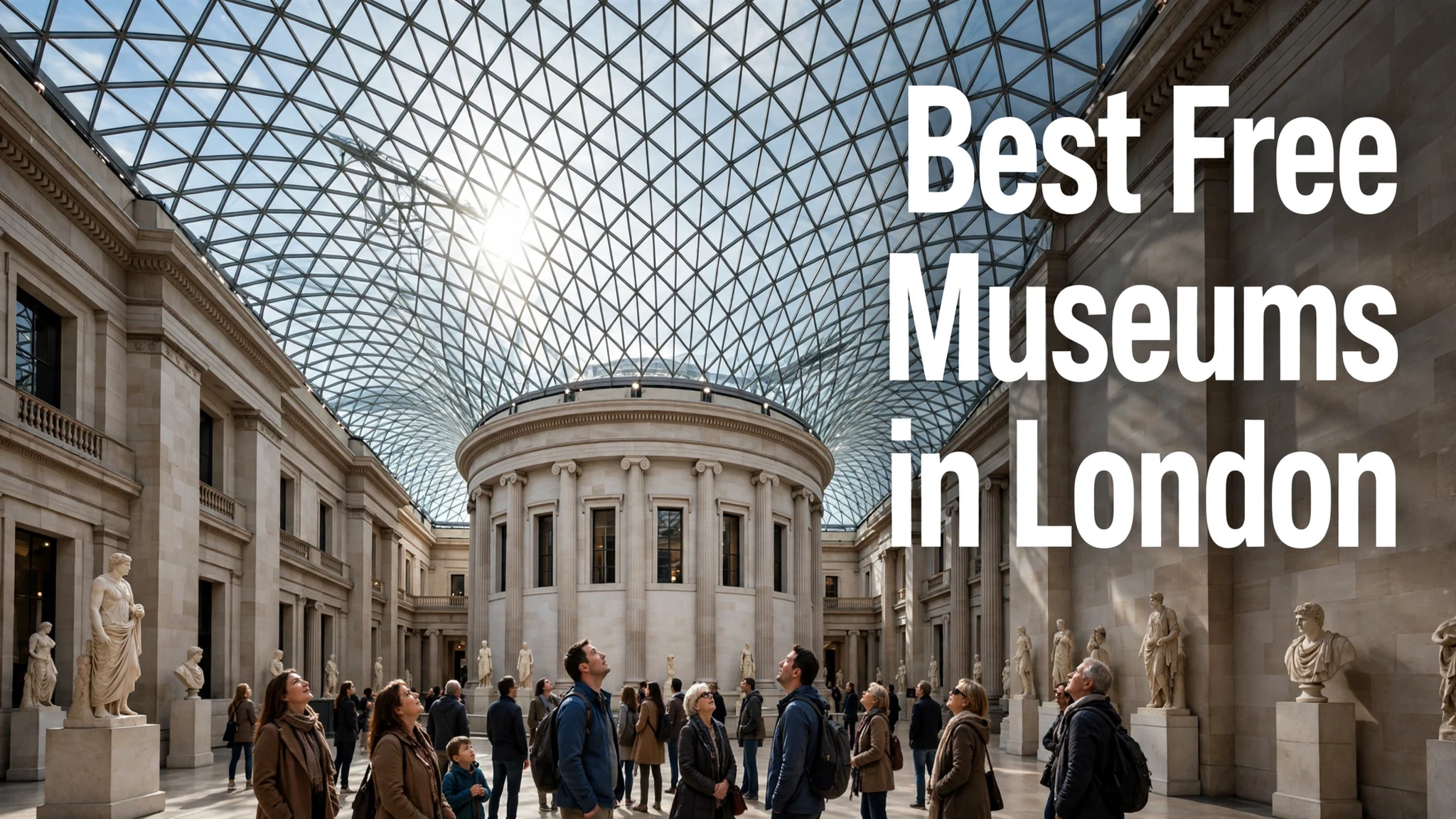
The British Museum holds objects from every part of the world, and its most famous pieces, including the Rosetta Stone, can be seen without paying for entry. The visitors who enjoy the day most usually did the dull checks first: they looked up the queue times, the closing day and the bag rules. A grand hall means little if you spend the day standing in line. Do not let one celebrated object carry the visit. The Rosetta Stone draws the crowd, but the quieter galleries, the ones you can actually stand in, are often where the day becomes memorable.
Because the museum is huge, it helps to choose one or two galleries in advance, rather than trying to see everything in a single rushed visit. Once you have settled on a plan, note the reason in a line or two. Later, when a new guide tempts you to change everything, that note will show you whether your first instinct was sound. A modest plan you can actually walk beats a grand one you abandon by lunch. Two museums, a proper break and an early finish make a real day; five museums before dark is usually a fantasy.
Pick two galleries in advance and enjoy them slowly. Price the whole day, not just the entry. Travel, food and special exhibitions across a single London day are the real total, and only that number tells the truth. Read the ticket terms before you pay. A refund policy or a timed-entry rule can matter more than a small saving, and museum small print only matters once you are standing outside.
Natural History Museum: Dinosaurs and Wonder
The Natural History Museum is famous for its dinosaur skeletons and its beautiful building, and it is one of the best free days out for families in London. Written terms protect you when the day goes wrong. Before you pay for an exhibition, get the entry window and the change rule in an email you can show at the door. Plan for the visitor you really are, not the one in the guidebook. If you tire after two hours and love a long lunch, a day built on six galleries will fail you by mid-afternoon.
Arrive early or book a free timed ticket if the museum asks for one, because the queues at midday can be long, especially during school holidays. The question is never which museum is best in general, but which day fits your legs, your money and this single visit. A famous hall can still be wrong for a visitor who wants quiet and space. Good enough, decided, beats perfect, postponed. A simple day with two museums and a fair cost can be adjusted as you go, and a start is worth far more than a flawless itinerary.
Arrive early and book a free timed ticket if needed. The first number you see is a teaser, not a total. The Tube, lunch, the special exhibition and the gift shop all arrive later, so work from the full figure from the start. Ask a visitor who spent a day at the British Museum what they would change. They will tell you about the queue, the gallery they missed and the cafe that saved the afternoon.
Tate Modern and Tate Britain: Art for Everyone
Tate Modern holds modern and contemporary art in a vast former power station on the Thames, and its permanent collection is free to visit. Before you plan anything, write one sentence about the day you want: quiet galleries, one famous object, a long lunch. Every choice must pass that sentence before it passes your wallet. Her day worked because she knew her own pace and picked two galleries, not because the British Museum is magic. Copy her method, a short list and a slow pace, not her exact route.
Tate Britain focuses on British art across the centuries, and the two galleries together give a full picture of art without a single ticket price. The cheapest day can be poor value if you spend it queuing and rushing, and the dearest can be poor value if you pay for exhibitions you barely see. Value is time well spent, not money unspent. The refund and entry rules count for more than shaving a little off the ticket. A cheap timed entry you cannot move means nothing if your train is late.
Visit Tate Modern for modern art and Tate Britain for British art. A weekday morning can change the whole day. Queues shrink, galleries empty, and the same museum feels twice as large when you are not sharing it with a crowd. Never book while a timer is running. A countdown is designed to make you skip the questions you would normally ask, and the skipped questions are exactly the ones that cost you the day.
The National Gallery: Masterpieces on Trafalgar Square
The National Gallery holds paintings by artists such as Van Gogh, Turner and Monet, and standing in front of a famous painting costs nothing. Compare three honest days side by side: which museums, what travel, what food, what exhibitions. The winner is rarely the most famous route; it is the one whose day still looks fair when every cost is counted. Imagine the day going wrong: rain, a closed gallery, a queue around the block. A plan that still works on that day is one you can actually enjoy.
The gallery is free, though special exhibitions may charge, so check what is on before you go and enjoy the permanent collection as the main event. Watch the charges that repeat through the day. A Tube fare here, a coffee there, a special exhibition at the end, and a free day has quietly become an expensive one. Ask a friend who did the British Museum in a day for the plain version: the queue, the crowds, the gallery worth the walk. Their honesty is worth more than any ranking you will read.
Enjoy the free permanent collection and skip paid exhibitions. Start with the free galleries and pay only for what you miss. The permanent collections show you quickly which paid exhibitions matter and which ones you would never have missed. Think past the visit itself. A day you remember with warmth, and no money wasted on exhibitions you rushed past, is the one worth planning; the memory lasts far longer than the ticket stub.
Science Museum and V&A: Two Neighbours, Two Worlds
The Science Museum is full of interactive exhibits and historic machines, and it is one of the most engaging free museums for curious visitors of any age. Fix the day’s total before you leave home, travel and food and exhibitions included, and treat it as a wall. Costs creep up one coffee and one gift at a time, and only a firm wall stops them. Decide when the figures fit your real life: your train times, your energy, the hours you actually have. A day that only works in a fantasy version of London will not survive the first queue.
Next door, the Victoria and Albert Museum holds design, fashion and decorative arts from around the world, and its building alone is worth the visit. Keep a note on every option: the museums, the costs, the opening times, the queues. A week later the choices blur, and the note is the only thing that remembers clearly. One visitor learned to ignore the countdown after a rushed booking cost them the morning. The lesson was simple: a good day will still be there tomorrow.
Visit both museums in one day, they are neighbours. Ignore the adjectives and ask what the ticket actually covers. Two exhibitions can both promise the highlights while one means a single room and the other means a whole wing. What if the day changes, a gallery closes, the weather turns, your energy fades? A plan that can bend, a second museum nearby, a cafe to rest in, is worth paying extra for when the day refuses to sit still.
Smaller Free Gems Worth Finding
The Museum of London, the National Portrait Gallery and the Wallace Collection are smaller, quieter and free, and they often give a more personal experience than the famous giants. Leave money and energy unspent on purpose. A queue around the block, a gallery that closes early, a lunch that runs long, these surprises are only small when the day has room for them. A deal that looks too cheap usually hides its price in the conditions. Read them twice, and if the wording stays cloudy, take the cloud as your answer and move on.
Smaller museums are also easier to enjoy in an hour or two, which makes them perfect for a short visit between other plans. The famous object is seen once; the benches, the light and the space to think are used all day. Judge a museum by the hours you will spend in it, not by the minute that takes your breath away. A year later, nobody remembers the ticket price, but you will remember whether the day felt calm and full. Buy the day for the memory you want to keep, not for the queue you stood in.
Add one small museum to every London day out. Try one free gallery first and see how the day feels. If that hour feels good, the expensive exhibition was never the point of the visit. Write the reason down the day you choose. When another guide catches your eye, that note will remind you why this day, at this cost, was the right call.
How to Visit Free Museums Without the Queues
Weekday mornings are the quietest times, while weekends and school holidays bring the longest queues, so timing is the simplest way to improve a free visit. Settle the one thing that matters most before you compare anything, the Rosetta Stone, a quiet morning, a particular gallery, and let that rule do the choosing. A ranked list of museums reflects someone else’s taste and stamina, not yours. Use it to find galleries you had not heard of, then judge each one by your own day and your own legs.
Many museums offer free timed tickets online, which can save a long wait at the door, and some open late on certain evenings when the crowds have gone. The real cost is rarely the ticket. It is the day around it, the travel, the food, the special exhibitions, and a total across the whole day shows it honestly. Flexibility is worth paying for when the day itself is still moving. A ticket you can change and a plan with a second museum nearby are worth real money when the morning goes wrong.
Book a free timed ticket and go on a weekday morning. Give the planning an end date and keep it. Comparing museums for ever costs evenings you need for the trip itself, and the research eventually costs more than any saving it finds. One visitor told me they learned to ask which day fits them, not which museum tops the list. The finest-looking day can still fail a real visitor with tired legs.
Saving Money Around the Museums
Museums are free, but the cafes and shops inside them are not, so bringing water and snacks, and eating at a nearby local cafe, keeps the day genuinely free. You control more of the cost than the adverts admit: the day, the hour, the route, the way you pay. Move one lever and the travel, food and exhibitions can all shift at once. The visitors who had the best day worked through a checklist first. They confirmed the opening times, the queue and the bag rules, and then they simply enjoyed the galleries.
Walking between museums in central London is often faster than the Tube for short distances, and it saves the fare while showing you the city. A day at the British Museum taught one visitor that a single famous object should never carry the visit. The Rosetta Stone is admired for minutes; the quiet galleries are remembered for years. Your two-line note about why you chose this day is the best antidote to second thoughts. Visitors who wrote it down stopped re-planning; visitors who did not kept scrolling until the morning itself.
Bring snacks and walk between nearby museums. Keep the day walkable and the plan will survive it. Two galleries, a long lunch and a slow afternoon make a real visit, while a five-museum sprint is usually over by noon. Cheap can still waste a day when the queues are long and the galleries are packed, and dear can still waste it when the exhibition is rushed. Pay for the hours you will actually enjoy, not for the lowest headline.
Planning a Free Museum Day in London
A good free day might pair the British Museum in the morning with the National Gallery in the afternoon, with a walk through a park in between. Add up the whole day, not just the entry fee. A museum day that looked free on the poster can turn out dear once travel, food and special exhibitions are counted. Getting the terms in writing was the lesson one British Museum visitor took home. A spoken promise at the desk is worth little when the exhibition is sold out and the queue is long.
Check opening times and any special exhibitions before you travel, because a small amount of planning turns a good free day into a great one. Shape the day for your own pace, not the guidebook’s. A slow visitor who loves lunch and quiet corners needs a different London from the one who sprints through six galleries before tea. The finest-looking day can still let you down, and the galleries will prove it sooner than you expect. Ask which day fits your legs and your money, not which museum wins the ranking.
Plan one morning museum and one afternoon museum. A good-enough day, chosen in time, beats a perfect one that never gets chosen. Most plans can be adjusted with a gallery swapped or a lunch moved, and a start matters far more than a flawless route. Small charges are the real bill, as one British Museum visitor discovered. Travel, food and exhibitions, added together, are where the money actually goes.
My Take:
I judge a museum day by what it asks of me. A day that demands five galleries and no lunch asks too much, and knowing that before I go is what keeps the day enjoyable. Once the perfect day is off the table, choosing gets easy. Pick the day that suits your legs and your wallet, and let the rankings argue among themselves. Decide with the numbers in front of you, not with a picture in your head. Pictures fade fast; a timetable and a budget that add up will still look right on the morning itself.
London’s free museums are one of the great gifts of the city, and I believe they prove that the best culture does not have to be expensive, because knowledge was never meant to be locked behind a ticket price. Judge the day a year later. If you still smile at the memory, and no money was wasted on exhibitions you rushed past, the day proved what no first impression could. The visitors who plan best keep a short list and check it twice. One of them told me the list was the whole secret: two museums, a lunch, and no queue longer than twenty minutes. Rankings get far too much attention when a museum day is at stake. The question that counts is whether the day suits your legs, your money and your afternoon, and a top-ranked museum can still fail a real visitor.
I think the British Museum alone is worth a trip to London, because it holds the story of the whole world under one roof, and the fact that it is free still surprises me. Be truthful about the money from the start. The day’s real total, travel and food and exhibitions, is the number that decides whether the visit felt free or felt expensive. Weigh what you gain against what you give up, and say it out loud. A day that trades one famous gallery for a quiet lunch and no queue is a fair trade, and naming it makes the choice yours. Spending more does not mean seeing more. The priciest exhibition is often just the busiest, and a free gallery with room to breathe can give you a better day.
My view is that the Natural History Museum is the best free family day in the city, because children remember the dinosaurs for years, and parents remember that it cost nothing. Fit is everything here. A day that matches your real habits, the walking, the lunch, the quiet corners, will feel right long after the famous object stops feeling new. First-timers should stop chasing the perfect route. Two museums, a fair cost and room to change as you go are worth more than the flawless plan you never use. The visitors I admire keep a little money spare for the unexpected. A taxi past a long queue, a lunch that costs more than planned, and the day still feels good because the cushion was there.
I am convinced that the smaller museums are the hidden treasure, because they are quiet, personal and free, and they reward the visitor who looks beyond the famous names. Write the reason for your plan on a card and keep it in your pocket. When another guide catches your eye, the card will remind you what you wanted in the first place. The cheapest day I have seen was also the most tiring: long queues, rushed galleries, a visitor who gave up by lunch. A sensible cost, settled without rushing, buys a far kinder day. Sample the free galleries before you spend anything. An hour inside will tell you more about your own pace than any review, and the paid exhibition can wait until you know what you want.
I believe timing is everything with free museums, because a quiet weekday morning turns a crowded hall into a peaceful place, and the art feels different when you can actually stand and look. What makes the day happy is rarely the famous object. It is the bench when your feet hurt, the quiet room, the cafe with a free table, and those small mercies are what you carry home. Let the figures decide, not the photographs. A picture excites you for a day, but a timetable and a budget that balance will still convince you on the morning itself. I would rather see a visitor choose a modest day that fits than stretch for a grand one that strains them. A museum visit should leave you calm, not counting the cost with every step.
The lesson I take from London’s museums is simple: the city gives its best culture away for free, and the wise visitor accepts the gift instead of paying for the things around it. My one piece of advice is simple: decide what the day must include before you open a single guide. That short list keeps the travel, the food and the exhibitions honest. Bring both your heart and your arithmetic to this one. The day has to feel right in the galleries and add up on paper, and either half alone is not enough. The visitors who enjoyed themselves most chose for boring reasons: a bench, a short walk, a fair cost. The excitement faded within an hour, and what remained was a day that simply worked.
If I had one free day in London, I would start at the British Museum in the morning, walk to the National Gallery after lunch, and finish with a quiet hour in a smaller museum before heading home. Do not hurry this one. A week of calm thought costs nothing, and the day you choose after it will be one you still feel good about when you get home. Choose the decent day now and refine it as you go. A simple plan with room to change beats a flawless one that never leaves your notebook, and London rewards the visitor who actually goes.
London’s free museums are a reminder that great cities share their treasures, and a day spent among them costs nothing but time, yet gives memories that last for years. Small comforts make the day, not the headline object. A bench, a quiet room, a cafe with space, these are the things that decide whether you leave happy or leave tired. Practical choices make happy visitors. The ones who picked a bench, a short walk and a fair cost found the day worked, and the novelty wearing off only made it better. Note-keepers decide best, in my experience. They write down the museums, the costs and the opening times, and they never regret the day, because the list did the worrying for them. Whatever a reader decides about free museums in London, I hope they decide it with their eyes open, their numbers checked, and their own life in mind, because that is what a good decision actually looks like, and a visitor who spent a day at the British Museum would agree.
Frequently Asked Questions
Are museums in London really free?
Many of the major national museums in London are free to enter, including the British Museum, Natural History Museum, Tate galleries and National Gallery. Special exhibitions may charge a fee.
Which is the best free museum in London?
It depends on your interests. The British Museum is best for world history, the Natural History Museum for families, and Tate Modern for modern art. All three are free.
Do I need to book tickets for free museums in London?
Some museums ask visitors to book a free timed ticket online, especially at busy times. Check the museum’s website before you go to avoid a long queue.
What is the quietest time to visit London museums?
Weekday mornings are usually quietest, while weekends and school holidays are busiest. Some museums also open late on certain evenings when crowds are smaller.
Are there free museums in London for children?
Yes, the Natural History Museum and Science Museum are especially good for children, with dinosaurs, interactive exhibits and hands-on displays, all free to enter.
Can I take photos inside London museums?
Photography is usually allowed in permanent galleries without flash, but rules vary by museum and exhibition. Check the signs in each room before taking photos.
Sources
- https://www.britishmuseum.org
- https://www.nhm.ac.uk
- https://www.tate.org.uk
- https://www.nationalgallery.org.uk
- https://www.timeout.com/london/museums/free-museums-in-london
This post shares general information only. It is not individual financial advice, and any figures shown are examples to check against current offers before you decide.