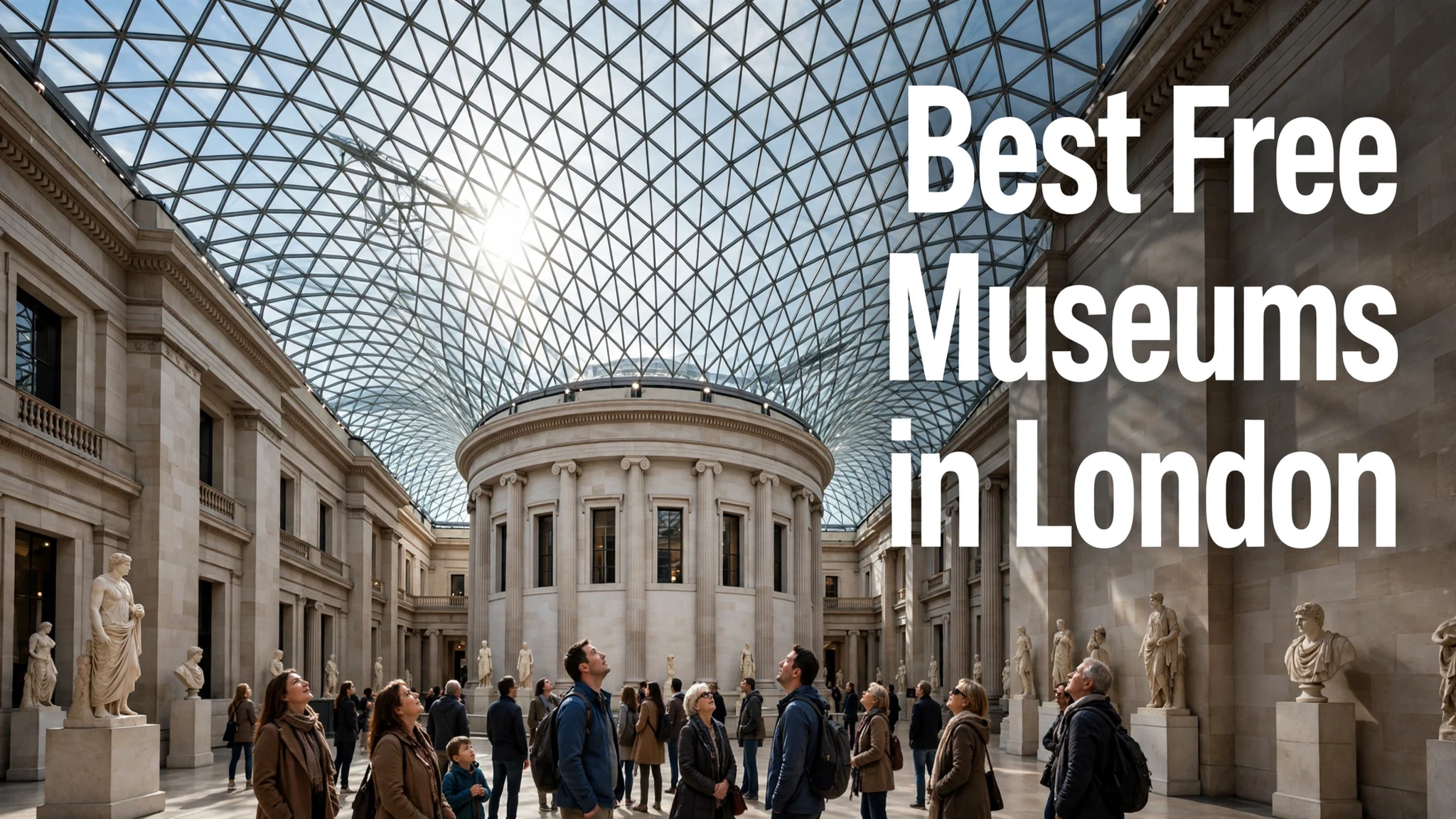
Best Free Museums in New York in 2027
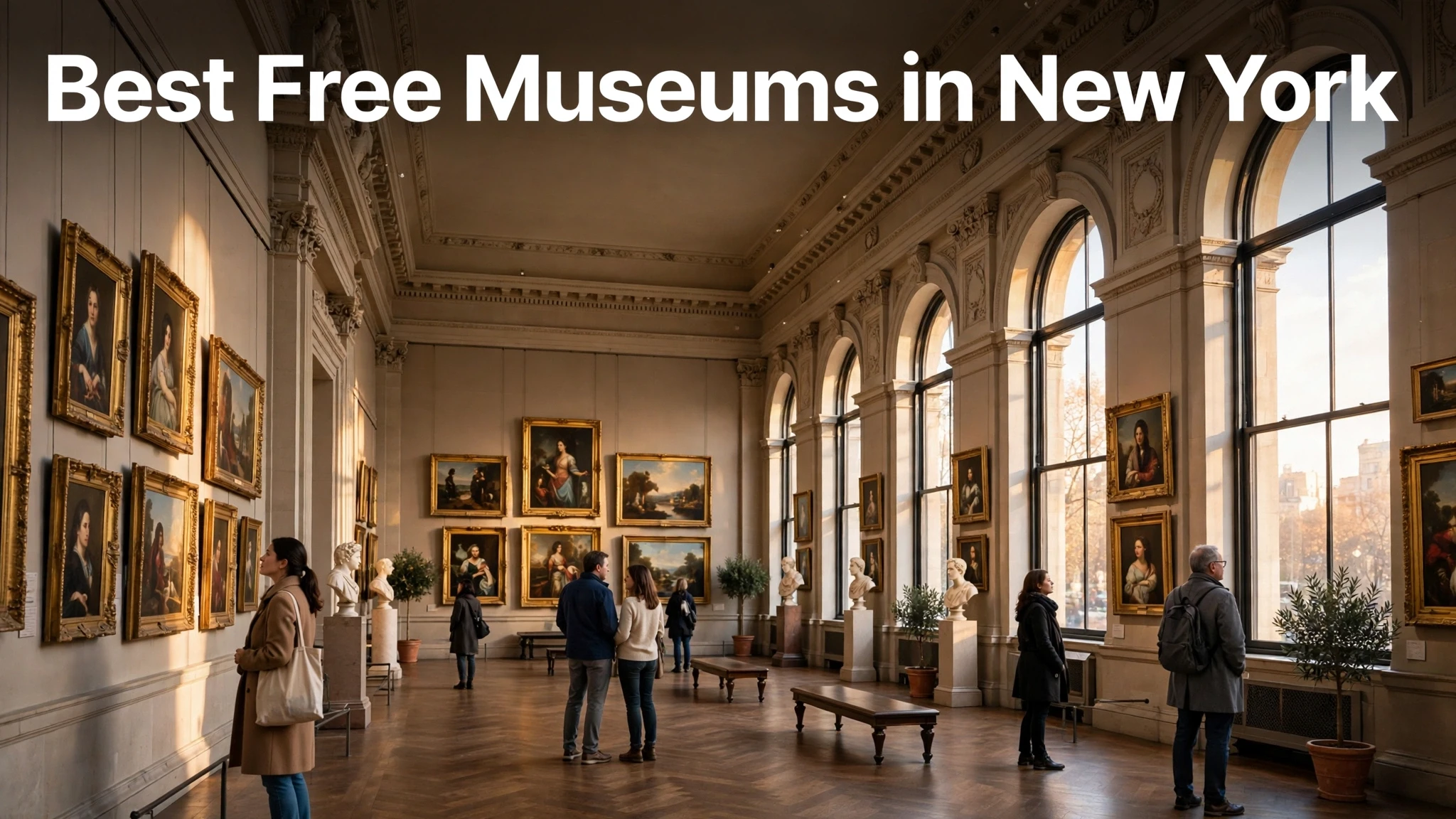
In this post
- The Met: The Greatest Museum in America
- MoMA Free Friday Evenings
- The American Museum of Natural History
- The Whitney and the High Line
- Smaller Free Museums Worth Your Time
- Free Days, Free Hours and Pay-What-You-Wish
- Libraries and Free Culture Beyond Museums
- Beating the Queues at Free Times
- Planning a Free Museum Day in New York
- My Take:
New York is famous for expensive everything, yet the city hides a generous secret: many of its greatest museums can be visited for free, if you know the days, the hours and the rules. Count the full day, not just the entry fee. Subway fares, food and special exhibitions across one New York day are the true total, and only that figure tells the truth. Start with one sentence about the day you want: quiet rooms, one great view, a slow lunch. If an option does not serve that sentence, it is not your day.
The Met offers pay-what-you-wish for New York State residents, MoMA is free on Friday evenings, and several museums have free days each month, so timing is the key to a free visit. A change of week can move the whole cost. Friday evenings and holidays pack the museums, while a plain weekday morning can make the same rooms feel half empty and twice as good. Set the day’s ceiling before you leave the hotel, subway and food and exhibitions included, and treat it as a wall. Spending creeps up one coffee and one souvenir at a time, and only a firm wall stops it.
A price that looks too low usually hides its real cost in the small print. Read the conditions twice, and if the wording stays vague, take the vagueness as your answer. The ticket is rarely the real bill. It is the day around it, the subway, the food, the special exhibitions, and a total across the whole day shows it plainly. Settle for good enough and go. A simple day with two museums and a fair cost can be reshaped as you walk, and a start is worth far more than a flawless itinerary.
The Met: The Greatest Museum in America
The Metropolitan Museum of Art holds art from every period and every part of the world, and its collection is so large that one visit can only show a small part of it. Ask which day suits your legs and your wallet, not which day tops a list. The finest museum day on paper can still fail a tired visitor with one afternoon to spend. A decent day, chosen now, beats a perfect one that never gets chosen. Most plans can be changed with a museum swapped or a lunch moved, and going matters more than planning.
New York State residents and students from nearby states can pay what they wish, while other visitors pay the standard admission, so check the policy that applies to you. The opening price is a teaser, not a total. Subway, lunch, the special exhibition and the gift shop all arrive later, so count the full figure from the start. That one sentence about your ideal day is your best filter. Every time an option sparkles, hold it against the sentence; if it does not fit, the sparkle is selling someone else’s New York.
Check the pay-what-you-wish policy before you visit. Your friend’s great day was built on their pace and their interests, not on the Met itself. Borrow the route if you like it, but rebuild the numbers for your own legs and your own curiosity. Agree the ceiling before you fall for a museum. A number you accept turns every later extra into a calm choice instead of a quiet regret.
MoMA Free Friday Evenings
The Museum of Modern Art is free on Friday evenings, and it is one of the best free cultural experiences in the city, with famous works by Van Gogh, Picasso and Warhol. The lowest cost can still be poor value if you spend the day queuing and rushing, and the highest can be poor value if you pay for rooms you barely see. Value is hours well spent, not dollars unspent. Check the ticket rules before you pay. A refund policy or a timed-entry window can matter more than a small saving, and museum fine print only matters once you are at the door.
Friday evenings are popular, so arrive early, expect a queue, and choose two or three galleries to enjoy rather than trying to see the whole museum. Shift the visit by a week and the whole bill can move. Museum prices and crowds swing with holidays and seasons, so a small change of date is often the biggest saving. Set three honest days beside each other and cost each one fully: subway, food, exhibitions, the walk between them. The winner is rarely the most famous route; it is the one whose day still seems fair at the end.
Arrive early on Friday evening and pick two galleries. Picture the day going badly: rain, a closed wing, a Friday crowd at MoMA. A plan that still works on that day is one you can actually enjoy. Keep cash and energy in reserve on purpose. A free Friday crowd, a gallery that closes early, a lunch that runs long, these surprises are only small when the day has room for them.
The American Museum of Natural History
The American Museum of Natural History is famous for its dinosaur halls, its whale model and its planetarium, and it is one of the best museums in the world for families. The little charges sink a museum day. A subway ride here, a coffee there, a special exhibition at the end, and a free day has quietly turned expensive. Ask a visitor who spent a day at the Met what they would change. They will tell you about the crowds, the wing they missed and the bench that saved the afternoon.
Admission is pay-what-you-wish for New York State residents, and the museum is large, so plan your route around the halls that interest you most. Begin with the free rooms and pay only for what you miss. The permanent collections show you fast which paid exhibitions matter and which ones you would never have missed. One Met visitor learned to set the ceiling first. Without it, subway, food and exhibitions creep upward one small purchase at a time until the free day is gone.
Plan your route around the halls you love most. Choose when the figures match your actual day: your subway times, your energy, the hours you truly have. A plan that only works in a fantasy New York will not survive the first crowd. Pick the single thing that matters most, the Temple of Dendur, a quiet morning, a particular wing, before you compare anything. That choice makes every later decision faster.
The Whitney and the High Line
The Whitney Museum of American Art sits at the end of the High Line, and its free evenings and pay-what-you-wish hours make it one of the best-value art visits in the city. Note down every option you price: the museums, the costs, the hours, the queues. A week later the choices blur, and the notes are the only clear memory you will have. A countdown on a ticket is a trick, not a deadline. If an offer pushes you to skip the checks you would normally make, walk away for an hour; a good day will still be there.
Combining the Whitney with a walk along the High Line turns a museum visit into a full free afternoon, with views of the city that cost nothing at all. Look past the adjectives and ask what the ticket covers. Two exhibitions can both promise the highlights while one means a single room and the other a whole wing. A day with slack, spare money, a free hour, a backup museum, bends when things go wrong. A day packed tight with bookings and no margin snaps at the first surprise.
Combine the Whitney with a free High Line walk. Cloudy terms are an answer in themselves. When a museum will not spell out the entry window and the change rule, assume the price will grow later and look elsewhere. Three things move the total: when you go, how many rooms you pay for, and what you eat. Change one of those and the subway, food and exhibitions all shift together.
Smaller Free Museums Worth Your Time
The Bronx Museum, the Museum at FIT, and the National Museum of the American Indian are free, quieter and full of character, and they reward visitors who look beyond the famous names. A celebrated wing gets one glance; the seats, the light and the quiet corners are what you live with all day. A museum earns its keep in the hours between the famous moments. Look beyond the visit itself. The day worth having is the one you recall fondly a year later, with no money wasted on rooms you rushed through, because memories outlast ticket stubs by years.
Smaller museums are also easier to enjoy in an hour, which makes them perfect for a short visit between other plans in the city. Rehearse the free version first. One gallery, one hour, one walk through the Met, and you will know quickly whether the paid exhibition is worth your money. Decide the one thing you refuse to give up before you start comparing, and let that rule do the choosing. It stops a clever pitch from quietly moving your goalposts.
Add one small free museum to every New York day. A ranked list was made by someone with different legs and a different wallet. Use it to discover rooms you had not heard of, then judge each museum by your own day. Total the whole day, not just the entry. A museum day that looked free on the poster can turn out dear once subway, food and special exhibitions are counted.
Free Days, Free Hours and Pay-What-You-Wish
Many New York museums offer a free day or free evening each week or month, and the details change, so check the museum’s website on the week of your visit. Count everything the day will ever cost, from the first subway ride to the last coffee. The total across the day shows the honest figure, and the honest figure is the one to trust. What if the plan changes, a wing closes, the weather turns, your feet give out? A day that can bend, a second museum nearby, a park bench to rest on, is worth paying extra for when the morning goes wrong.
Pay-what-you-wish usually means you can choose your price, and for residents that can mean a very small amount, so never assume a museum is out of reach. Put a date on the planning and keep it. Comparing museums for ever costs evenings you need for the trip, and the research eventually costs more than any saving it finds. You hold more of the cost than the adverts admit: the day, the hour, the route, the way you pay. Move one lever at a time and watch the subway, food and exhibitions fall.
Check each museum’s free hours on the week you go. The happiest visitors began with homework, not with the highlights: hours, queues, bag rules. A grand hall means little if the day is spent standing in line. Treat the opening figure as the start of the conversation, not the final bill. The extras only show themselves once you are already picturing Fifth Avenue full of people.
Libraries and Free Culture Beyond Museums
The New York Public Library’s main building is free to enter, beautiful to walk through, and full of exhibitions that cost nothing to see. One star attraction should never carry the whole visit. The Temple of Dendur draws the crowd, but the smaller rooms you can linger in are often where the day turns memorable. Jot down why you picked this day, in two short lines. When a shinier guide appears, those lines will remind you what you actually wanted from the visit.
Free walking tours, public parks and open-air art are also part of the city’s culture, and they turn a museum day into a full day of free discovery. A plan you can walk beats a grand one you abandon by lunch. Two museums, a proper break and an early finish make a real day; five museums before dark is usually a daydream. Total the whole day, as one Met visitor learned the hard way. A plan that looked cheap on the poster turned dear once subway, food and exhibitions were counted.
Visit the public library and a free walking tour too. Get the paid terms in writing before you pay: the entry time, the refund rule, the change policy. A spoken assurance is hard to rely on when the exhibition is sold out. A week can move the price, as one Met visitor discovered. Museum crowds and costs swing with holidays, so shifting the date is often where the biggest saving hides.
Beating the Queues at Free Times
Free hours are popular, so arriving before opening, booking a free ticket online when offered, and visiting on a weekday can save a long wait. Shape the day for your own stamina, not the guidebook’s. A slow visitor who loves lunch and quiet rooms needs a different New York from the one who races through six museums before tea. The finest day on paper can still fail you, and Fifth Avenue will prove it sooner than you expect. Ask which day fits your legs and your wallet, not which museum wins the ranking.
If the queue is very long, a smaller museum nearby is often empty, and a quiet hour there can be more enjoyable than a crowded hour at a famous one. A good-enough day, booked in time, beats a flawless one that stays a dream. Choices can be adjusted with a wing swapped or a lunch moved, and a start matters far more than a perfect route. The first figure you are given is a teaser. Subway, lunch, exhibitions and souvenirs all arrive later, so judge by the complete figure, not the opening one.
Arrive before opening and book a free ticket online. Hold every option against the sentence you wrote about your ideal day. If it does not serve that sentence, it is selling someone else’s New York, not yours. Start free and spend only where the day itself demands it. The permanent rooms reveal quickly which paid exhibitions are worth it and which ones add nothing to the day.
Planning a Free Museum Day in New York
A good free day might pair the Met in the morning with a walk through Central Park, followed by a free evening at MoMA if it is a Friday. Her visit succeeded because she kept it short and slow, not because the Met is magic. Copy the approach, a short list and an unhurried pace, not the route itself. Low cost can still waste a day when the crowds are thick and the rooms are packed, and high cost can still waste it when the exhibition is rushed. Spend on the hours you will truly enjoy, not on the smallest number.
Check opening times, free hours and any special exhibitions before you travel, because a small amount of planning turns a good free day into a great one. Check the refund and change rules first, before you even look at the price. A small saving on the ticket means little if a late subway costs you the whole entry. The same rooms feel different on different days, and a weekday morning can make the Met feel twice as large as a crowded Saturday does.
Plan one morning museum and one free evening museum. Three full days, costed end to end, tell the truth no single guide can. Include the subway, the food and the exhibitions, and the honest winner stops being the one with the best photograph. Two tickets can sound identical while covering very different things, and the gap shows up first in subway, food and special exhibitions. Get the inclusions listed plainly, not dressed in adjectives.
My Take:
Let feeling and arithmetic decide together. The visit must delight you in the rooms and balance on paper, and I want both answers to be yes before anyone pays. The lowest-cost day I have watched was also the most miserable: endless lines, hurried rooms, a visitor ready to quit by lunch. A fair cost, agreed calmly, buys a far better day. Booking on a high, in the excitement of a friend’s stories, is the mistake I see most. Ordinary days are the real test, and a museum day has to survive them, not just the happiest afternoon of the planning.
New York is expensive, but I believe its free museum culture is one of the city’s most generous features, because it opens the greatest art in the world to anyone willing to plan a little. Every museum day is an exchange, and I judge it by the terms. Give up one famous room for a quiet lunch and no queue, and the trade can be a good one, as long as you chose it knowingly. A dearer ticket does not buy a dearer day. What matters is what the money gives you, and the most expensive room is often simply the most crowded, not the one you will enjoy most. My rule is simple: the heart and the ledger must agree. The rooms must delight you and the bill must balance, and I need both answers before I would pay for anything.
I think the Met is the single best museum value in America, because its collection is endless, and the pay-what-you-wish policy for residents is a gift that more people should use. If this is your first museum day, accept good enough and go. A decent plan at a fair cost can be adjusted as you walk, and that freedom beats the flawless route you never take. Plan for the surprise, because it always arrives: a fare you missed, a line that forces a taxi, a lunch that runs long. The visitors who enjoy New York most are the ones who expected the unexpected. Stop hunting for a flawless day and the decision lightens at once. The right day is simply the one that fits your legs, your money and the hours you actually have.
My view is that MoMA on a Friday evening is the best free date in the city, because great art, a buzzing crowd and a free ticket are a combination that is hard to beat. A bargain day that causes stress all week ends up dearer than a fair cost paid calmly, and that stress usually starts with the subway, the food and the exhibitions. Try one free room before you commit to anything paid. A short visit shows you more about your pace than a shelf of reviews, because doing beats reading every time. Make this choice for yourself, not for your friend. Their pace, their interests and their favourite rooms are theirs alone, and a day built for them will rarely fit you.
I am convinced that the smaller museums are the hidden treasure of New York, because they are quiet, free and personal, and they reward the visitor who explores beyond the famous names. Let the timetable and the budget decide, not the photographs. A picture excites you for a day, but figures that balance will still convince you on the morning itself. Give me the modest day over the grand one, every time. A visit that fits your legs and your wallet leaves you calm; a grand one leaves you counting the cost with every step. The worst time to decide is while you are still excited by a friend’s stories. Normal days are the true test, and a museum day has to work on them, not just in the best week of the year.
I believe timing is the whole secret of free museums in New York, because the same museum that is crowded and costly on a Saturday can be calm and free on a Friday evening. Decide with a clear head and a calculator in hand. It is a feelings choice and a money choice at once, and wishful thinking gets punished faster here than in almost any other part of a New York day. Practical choices make happy visitors. The ones who picked a seat, a short subway ride and a fair cost found the day worked, and the novelty wearing off only made it better. No day is perfect, and every one asks you to trade something. Name the trade plainly, a famous room for a quiet lunch, a dearer ticket for a calmer morning, and stand by it without regret.
The lesson I take from New York’s museums is simple: the city rewards the planner, and a visitor who checks the free hours can enjoy world-class culture for almost nothing. Talk to a visitor who has already done the day before you spend anything. Their plain story, the lines, the food, the ticket they never used, is worth more than every guide you will read. Slow down over this one. A few more weeks of thought cost almost nothing, while a hurried day can mean a year of wishing you had waited, and a museum visit deserves the patience. Give the unassuming museums a fair chance. A smaller room can give you a warmer day than the famous hall everyone talks about, and modesty often remembers better than grandeur.
If I had one free day in New York, I would spend the morning at the Met, walk through Central Park at lunch, and finish with a Friday evening at MoMA, carrying water and snacks so the day stayed genuinely free. Price and value are different things here. The dearest room is often just the busiest one, not the one that fits your legs and your wallet best. Keep a note of why you chose this day, in your phone where you can find it. When a shinier option appears, the note will show you what mattered to you in the first place.
New York’s free museums prove that even the most expensive city in the world shares its treasures, and a day among them costs little yet gives memories that last for years. Booking while you are still buzzing is the mistake I see most, as one Met visitor found out. A museum day has to work on normal days, not just in the glow of the best week of the year. Someone who did the Met in a day will give you the unfiltered version: the lines, the crowds, the ticket they never used. Their honesty is worth more than any ranking you will read. Face the money honestly before you go. The day’s full total is the number that decides whether the visit felt free, so agree it early and let it guard every choice after it. Above all, I would rather see a reader make a small careful decision about free museums in New York this week than a perfect one next year, because progress always beats preparation in the end, and planning a free museum day in New York starts the moment you take that first step.
Frequently Asked Questions
Are any museums in New York completely free?
Some smaller museums are always free, while larger ones offer free days, free evenings or pay-what-you-wish admission. Check each museum’s website for its current policy.
When is MoMA free in New York?
MoMA is free on Friday evenings. Arrive early, as free evenings are popular, and check the museum’s website for the exact hours before you go.
Is the Met Museum free?
The Met offers pay-what-you-wish admission for New York State residents and some students, while other visitors pay standard admission. Check the policy that applies to you.
What is the best free museum in New York for families?
The American Museum of Natural History is excellent for families, with dinosaur halls and a giant whale model. Its pay-what-you-wish policy for residents makes it very affordable.
Do New York museums have free days each month?
Many do, though the days and hours change, so check the museum’s website on the week of your visit. Some offer a free evening each week rather than a free day.
Can I visit New York museums for free as a tourist?
Yes, tourists can use free days and free evenings, though pay-what-you-wish admission is usually limited to New York State residents. Plan your visit around the free hours that are open to everyone.
Sources
- https://www.metmuseum.org
- https://www.moma.org
- https://www.amnh.org
- https://whitney.org
- https://www.nycgo.com/free-in-nyc
This post shares general information only. It is not individual financial advice, and any figures shown are examples to check against current offers before you decide.