Trump Announces Russia-Ukraine 'Energy Ceasefire' — But Ukraine's President Says He Heard It From Social Media First
Donald Trump declared an immediate energy ceasefire between Russia and Ukraine. Kyiv says it was never told, Moscow has not confirmed it, and strikes were reported hours later. What is really going on?
Imagine waking up one morning and reading on social media that a war in your country has partly stopped — and nobody told you first. That is almost exactly what happened this week between the United States, Ukraine and Russia, and the whole story is as strange as it sounds.
On Sunday, October 11, 2026, US President Donald Trump posted a short message on his Truth Social platform. In it, he declared that an “energy ceasefire” between Russia and Ukraine was starting right away. Both sides had agreed, he wrote, ending with a warning: “Do not break it!”
It sounded like huge news. But within hours, a very different picture started to appear — one with missing pieces, surprised leaders and fresh reports of attacks. So what is really going on? Let us walk through it slowly.
What Exactly Did Trump Announce?
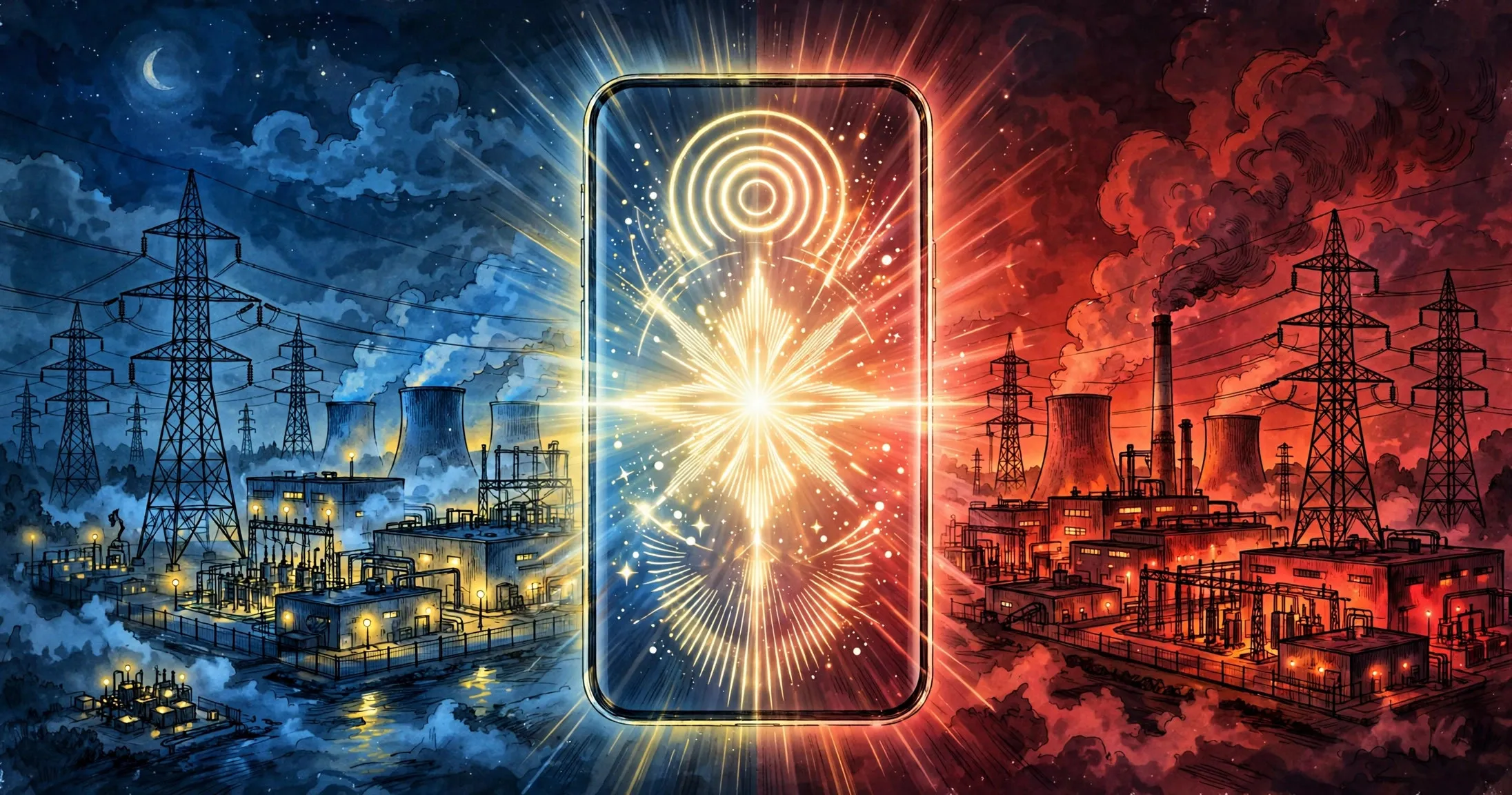
Trump’s post was short, and that is part of the problem. He said an energy ceasefire was in effect “immediately” — meaning Russia and Ukraine would stop attacking each other’s energy systems: power plants, electricity grids, heating networks and the facilities that keep lights on and homes warm through the winter.
But the post gave no details at all. There was no start time beyond “immediately”, no end date, no list of places covered, and no explanation of who would check that both sides were keeping their word. For something as serious as a pause in a war, the announcement was just a few lines long.
An energy ceasefire is not the same as a full ceasefire. Soldiers would still fight on the front lines. Missiles and drones could still be used against military targets. Only attacks on energy systems would stop. Even so, for ordinary people in Ukraine — where power cuts have become a part of daily life — such a pause would matter a great deal.
Ukraine’s President: “This Was News for Me”
The reaction from Kyiv was the first surprise. Ukrainian President Volodymyr Zelenskyy admitted openly that the announcement “was news for me” — he had learned about it from the media, just like everyone else.
Think about that for a moment. The president of a country at war found out about a ceasefire involving his own country by reading about it, not through a phone call or an official message.
Zelenskyy’s position, however, was not simply negative. He said Ukraine would accept an energy ceasefire if Russia did the same. He asked Washington to tell him when exactly it begins, and said Ukraine was ready. In other words: Kyiv did not reject the idea — it simply had not been part of making it.
Then Came the Reports of New Strikes
If the story had ended there, it might have been only an awkward communication problem. But Zelenskyy soon added something much more serious.
He accused Russia of striking Kyiv’s electricity grid and energy facilities in the city of Kharkiv after Trump’s post appeared — the very kind of attacks an energy ceasefire is supposed to stop. He said the strikes caused power cuts, and that Russian drones had filled Ukrainian skies all day.
This is why the announcement is being treated with such caution. A ceasefire that is declared by one president, not confirmed by another country, and — according to Ukraine — broken within hours, is not really a ceasefire yet. At the time of writing, Trump’s announcement remains exactly that: an announcement.
Russia Has Not Confirmed Anything
The second big missing piece is Moscow. Russia has not confirmed that any agreement exists.
When journalists asked Kremlin spokesman Dmitry Peskov whether a deal had been reached, he refused to say. “Contacts are continuing,” he replied. “As soon as we have anything to say on this matter, we will be sure to let you know.”
That is careful, diplomatic language — but it is not a yes.
The conversation became even sharper when the topic turned to a different proposal. Zelenskyy had earlier offered to organise elections in Ukraine if Russian President Vladimir Putin agreed to a 60-day total ceasefire. Peskov dismissed the idea directly: “We don’t want a ceasefire, we want long-term peace.” Foreign Minister Sergei Lavrov added that Zelenskyy did not deserve a two-month break just to hold a vote.
So, on the Russian side, there is no public confirmation of an energy deal — and open hostility toward the separate election-linked ceasefire idea.
The Messy Week That Led to This Moment
To understand the confusion, it helps to look at the days just before the post. It was a tense week between Washington and Kyiv.
On Friday, October 9, Trump temporarily eased US sanctions on Russian diesel. The move drew criticism from Ukraine and from European allies, who argued it would embolden Putin rather than pressure him.
On Saturday, Trump said it was “time for Ukraine to get a new president” and told Zelenskyy to stop Ukraine’s attacks on Russian oil refineries. Zelenskyy answered by offering elections — if Putin agreed to a 60-day total ceasefire first. He also pushed back on the refinery criticism, blaming rising fuel prices on the war in the Middle East instead of Ukraine.
Then, on Sunday, came the ceasefire post. Seen in this order, the announcement landed in the middle of a public argument — which may explain why Kyiv sounded so surprised, and why so many people are waiting for proof before believing it.
Markets Reacted — Carefully
Money, as usual, had its own opinion. On Monday, oil prices fell by more than 1%, with Brent crude trading at around $103.48 a barrel. Bitcoin rose by more than 1% to about $83,900.
But there is an interesting detail in the timing. According to CoinDesk’s market reporting, Bitcoin’s rise came only after Zelenskyy’s conditional support for the idea appeared. Traders, it seems, were waiting for a second voice to back up Trump’s claim before treating it as real. One social media post was not enough — even for the markets.
One Small Sign of Movement
There was one quieter development that may matter. Russia’s state atomic energy company, Rosatom, said it expected an agreement soon to repair parts of the Dniprovska power line and equipment at the Zaporizhzhia power station, according to Reuters.
Zaporizhzhia is Europe’s largest nuclear power station, and it has been a source of worry throughout the war. Repair work there would be a practical, limited step — not peace, but the kind of small, concrete arrangement from which bigger ones sometimes grow.
We Have Been Here Before
There is one more reason for caution, and it comes from history. As the Japanese broadcaster NHK pointed out, Trump made a similar claim back in September — and afterwards, both sides kept striking each other’s energy facilities anyway.
That memory hangs over this week’s announcement. A claim repeated is not the same as an agreement kept, and Ukrainians who have lived through announcements before have learned to watch actions, not posts.
Frequently Asked Questions
Did Russia and Ukraine actually agree to an energy ceasefire?
That is not confirmed. President Trump announced one, Ukraine said it was ready to accept one if Russia did, and Russia has not confirmed that any agreement exists. So at this stage, it is an announcement, not a verified deal.
What is an energy ceasefire?
It is a limited pause in which both sides agree to stop attacking energy systems — power stations, electricity grids and similar facilities — while other fighting may continue. It is narrower than a full ceasefire.
Why did Ukraine’s president seem surprised?
Because, by his own account, he learned of the announcement from the media. He said it “was news for me”, and asked Washington to tell him when the ceasefire is supposed to begin.
What did Russia say?
Russia did not confirm any deal. Kremlin spokesman Dmitry Peskov said contacts were continuing and that Moscow would speak when it had something to say. On the separate idea of a 60-day total ceasefire for elections, Peskov said Russia wants long-term peace, not a ceasefire.
Were there really strikes after the announcement?
According to President Zelenskyy, yes. He accused Russia of hitting Kyiv’s electricity grid and energy facilities in Kharkiv after Trump’s post, causing power cuts. These are Ukraine’s claims about events on the ground, reported as part of the dispute over whether any ceasefire is operating.
What happens next?
That is the open question. Repair work around the Zaporizhzhia power station may move ahead, based on Rosatom’s comments. But until Moscow confirms an agreement and the attacks on energy systems actually stop, the “energy ceasefire” exists mainly as words.
The Bottom Line
Right now, the honest summary is short: a powerful announcement, made in a few lines on social media, that the two countries actually fighting have not jointly confirmed. Ukraine says it is ready but was never told. Russia says almost nothing. And people in Ukrainian cities, watching their power grids and their skies, will judge this ceasefire the only way that matters — by whether the lights stay on. Until the strikes truly stop, the world is wise to wait, watch, and hope that the words eventually become real.