Wilford Brimley: The Life Story Behind Hollywood's Beloved Character Star
In this post
- A Utah Boy and the Marines
- The China Syndrome and the First Big Roles
- Cocoon and the Beloved Old Man
- Quaker Oats, Diabetes, and a Voice America Trusted
- The Later Years and a Quiet Goodbye
- What His Life Means Today
- Our House, Seinfeld, and the Warmth of Television
- The Firm, In and Out, and the Last Roles
- My Take:
Wilford Brimley was a man who looked like your grandfather, sounded like your grandfather, and acted like a man you could trust. He had a white moustache, a warm voice, and a face that told you he had worked hard all his life. He was not a movie star in the usual sense, but he was one of the most loved character actors in America, a man who appeared in some of the most famous films of the 1980s and who became a household name through television commercials for Quaker Oats. He played doctors, farmers, old men, and wise friends, and he made every role feel real, because he was real himself.
He was born in Utah, he served in the Marines, he worked as a cowboy, a blacksmith, and a horse wrangler, and he came to Hollywood not as an actor but as a man who knew horses and who could work with animals on a film set. He became an actor by accident, and he stayed an actor because he was good at it, because directors loved him, and because audiences trusted him. His story is about a working man who became a star without ever trying to be one, and who kept his feet on the ground for his whole life.
This is the story of how Anthony Wilford Brimley, a boy from Salt Lake City, became one of the most recognisable faces in American film and television. It is about the Marines, about the ranch, about The China Syndrome and The Thing, about Cocoon and The Natural, about the Quaker Oats ads and the diabetes work that made him a hero to millions, and about a man who died in 2020, at the age of eighty-five, still loved by the people who had watched him for forty years.
A Utah Boy and the Marines
Anthony Wilford Brimley was born on 27 September 1934 in Salt Lake City, Utah. His father worked as a real estate broker, and his mother was a homemaker. The family lived in Utah, a state known for its mountains, its deserts, and its strong sense of community. Wilford grew up in a house where hard work was valued, where people helped each other, and where life was simple and honest. He was a big and strong boy, and he loved to be outdoors, to ride horses, and to work with his hands.
When he was still a young man, he left school and joined the United States Marine Corps. He served in the Marines for several years, and he learned discipline, hard work, and the importance of looking after the men around him. The Marines gave him a sense of purpose, and they taught him to be tough and to be reliable, qualities that would stay with him for the rest of his life. He was proud of his service, and he spoke about it with respect for the rest of his life.
After the Marines, he worked as a cowboy, a blacksmith, and a horse wrangler on ranches in the American West. He learned to shoe horses, to work with metal, and to handle animals, and he became a skilled and trusted worker. He was a man who could do almost anything with his hands, and he was happy to work hard for a living. He also worked as a stuntman in films, because he knew horses and he knew how to fall safely, and he began to spend time on film sets, watching how movies were made.
It was on film sets that he was discovered as an actor. Directors and producers saw him and realised that he had a face and a voice that were perfect for the screen. He was not a young man, and he was not handsome in the Hollywood way, but he looked like a real person, a man who had worked hard and who knew life. He was offered small parts in films, and he took them, because he was curious and because he enjoyed the work. He had no training as an actor, but he had something better: a lifetime of real experience, and that experience made his performances feel true.
The China Syndrome and the First Big Roles
Wilford Brimley’s first big break came in 1979, when he was cast in The China Syndrome, a thriller about a nuclear power plant, starring Jane Fonda, Jack Lemmon, and Michael Douglas. He played Ted Spindler, a worker at the plant who helps to expose a dangerous cover-up. The role was small, but it was important, and his performance was praised for its honesty and its warmth. He played a working man who does the right thing, even when it is hard, and audiences believed him, because he was a working man himself.
The film was a success, and it showed Hollywood that Brimley was a talented actor. He began to get more roles, and he worked with some of the best directors in the business. He appeared in Absence of Malice in 1981, a drama starring Paul Newman, in which he played a government official, and in The Natural in 1984, a baseball film starring Robert Redford, in which he played Pop Fisher, the manager of a struggling team. Pop was a kind and tired old man who believes in his team, and Brimley played him with a warmth that made audiences love him.
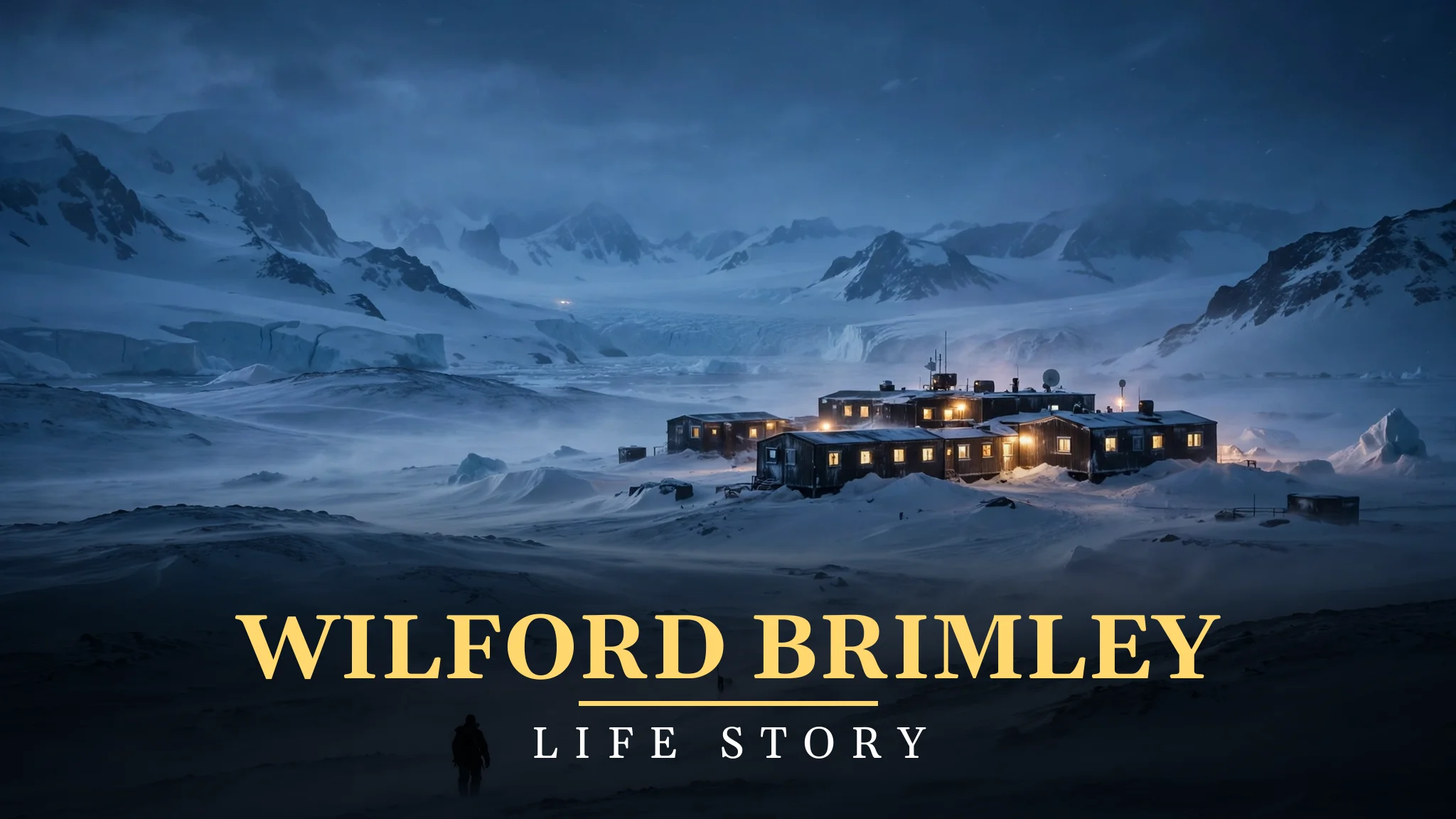
He also appeared in The Thing in 1982, a horror film by John Carpenter, in which he played Blair, a scientist at an Antarctic research station who goes mad when an alien creature begins to kill his colleagues. The film is now regarded as one of the greatest horror films ever made, and Brimley’s performance is one of the most frightening in the film. He showed that he could play fear and madness as well as kindness, and that he was a versatile actor who could do almost anything.
These roles made him a familiar face to audiences, and directors began to think of him for bigger and more important parts. He was not a star, but he was a reliable and talented actor, and he was in demand. He worked steadily, he took every role seriously, and he built a career, one film at a time, just as he had built his life, one day at a time, on the ranch and in the Marines.
Cocoon and the Beloved Old Man
In 1985, Wilford Brimley starred in Cocoon, a film by Ron Howard about a group of old men in a Florida retirement home who discover a swimming pool that makes them feel young again. He played Ben Luckett, one of the old men, a kind and funny man who falls in love again and who finds a new reason to live. The film was a huge success, and it won two Academy Awards, and it made Brimley a star. Audiences loved him, because he played an old man who was not ready to give up on life, and who still had love and laughter in his heart.
Cocoon was a special film, because it treated old people with respect and with humour, and it showed that life does not end when you get old. Brimley was fifty years old when he made the film, but he played a man much older than himself, and he did it with such truth that audiences believed him completely. He had a gift for playing old men, because he understood them, and because he respected them. He knew that old age is not a joke, and that it is not a tragedy either. It is a part of life, and it deserves to be shown with honesty and with love.
He returned for Cocoon: The Return in 1988, and he continued to work in films throughout the 1980s and 1990s. He appeared in Brimstone and Treacle in 1982, in Tender Mercies in 1983, in Country in 1984, and in many other films that showed his range and his talent. He was a busy actor, and he was loved by audiences who saw him as a kind and trustworthy man, a man who reminded them of their own fathers and grandfathers.
He also worked on television, starring in the series Our House from 1986 to 1988, in which he played Gus Witherspoon, a grandfather who takes in his family after a tragedy. The show was warm and gentle, and it was loved by families who watched it together. Brimley played Gus with the same warmth and the same honesty that he brought to all his roles, and the show became a favourite with audiences who wanted to see a good man doing good things.
Quaker Oats, Diabetes, and a Voice America Trusted
In the 1980s and 1990s, Wilford Brimley became famous to millions of Americans through his television commercials for Quaker Oats. In the ads, he spoke directly to the camera, in his warm and honest voice, and he said, “It’s the right thing to do, and the tasty way to do it.” The ads were simple, and they were effective, because audiences trusted Brimley. He looked like a man who would tell you the truth, and he sounded like a man who believed what he was saying. The ads made him a household name, and they made Quaker Oats one of the most trusted brands in America.
He also became a spokesman for diabetes awareness, after he was diagnosed with type 2 diabetes himself. He worked with Liberty Medical, a company that supplied diabetes testing equipment, and he appeared in commercials in which he spoke about the importance of checking blood sugar and of taking care of your health. His famous line in those ads was, “Call Liberty. They can help you live a better life.” Millions of people with diabetes trusted him, because he was one of them, and because he spoke about the disease with honesty and with care.
His work for diabetes awareness was important, because it helped many people to understand the disease and to take it seriously. He did not just appear in ads for money. He believed in the cause, and he wanted to help people who were living with diabetes, just as he was. He spoke at events, he met with patients, and he used his fame to do good. That work is one of the most important parts of his legacy, and it is why he is remembered not only as an actor, but as a man who cared about other people.
He also appeared in a famous episode of the television show Seinfeld, called “The Jimmy,” in which he played a character who talks about his legs in a funny way. The episode is still loved by fans of the show, and it showed that Brimley had a gift for comedy as well as for drama. He could make people laugh, and he could do it without trying too hard, because his humour came from who he was, a warm and funny man who loved to make people smile.
The Later Years and a Quiet Goodbye
In his later years, Wilford Brimley continued to act, though he worked less often as he grew older. He appeared in films such as The Firm in 1993, a thriller starring Tom Cruise, and in In & Out in 1997, a comedy starring Kevin Kline, and he continued to work on television. He was a familiar face, and he was loved by audiences who had grown up watching him. He lived in Utah, and he spent time with his family, his horses, and his friends, living the simple life he had always loved.
He was married twice, first to Lynne Bagley, with whom he had four children, and then, after her death, to Beverly Berry. He was a family man, and he was proud of his children and his grandchildren. He was also a man of faith, and he was active in his church and in his community. He believed in hard work, in honesty, and in helping other people, and he lived those beliefs every day of his life.
He died on 1 August 2020, at the age of eighty-five, in St. George, Utah, after suffering from kidney disease. His death was mourned around the world, and tributes came from actors, directors, and fans who had loved him for decades. People remembered him as a kind man, a great actor, and a voice they trusted. He was buried in Utah, the state where he was born, and his legacy lives on in the films and the commercials that are still watched today.
What His Life Means Today
Today, Wilford Brimley is remembered as one of the most beloved character actors in American film, and his work is still watched and loved by audiences around the world. Cocoon is still one of the most loved films about old age, The Thing is still one of the greatest horror films ever made, and The Natural is still one of the most loved sports films ever made. His commercials for Quaker Oats are still remembered, and his work for diabetes awareness is still appreciated by millions of people who live with the disease.
His legacy is also about the way he lived. He was a working man who became a star without ever trying to be one, and he kept his feet on the ground for his whole life. He served in the Marines, he worked as a cowboy and a blacksmith, he raised a family, and he used his fame to help other people. He did not chase glamour, he did not chase money, and he did not try to be someone he was not. He was himself, a warm and honest man from Utah, and that was enough. His life is a reminder that the best actors are often the ones who have lived a real life, and who bring that life to the screen.
He is also remembered as a voice America trusted. In a world where so many famous people say things they do not believe, Brimley said things he did believe, and audiences knew it. He told them to eat oatmeal because it was the right thing to do, and he told them to check their blood sugar because it could save their lives, and they listened, because they trusted him. That trust is a rare and precious thing, and it is why his work still matters today.
Our House, Seinfeld, and the Warmth of Television
One of the most loved parts of Wilford Brimley’s career was his work on television, especially the series Our House, which ran from 1986 to 1988. He played Gus Witherspoon, a grandfather who takes in his daughter-in-law and her children after a tragedy, and who tries to hold the family together with love, humour, and hard work. The show was warm and gentle, and it was loved by families who watched it together. Brimley played Gus with the same warmth and the same honesty that he brought to all his roles, and the show became a favourite with audiences who wanted to see a good man doing good things.
Television gave him something that film did not always give him: time. In a film, he had only a few scenes to show who his character was. On television, he had many episodes, many weeks, and many stories, and he could build a character slowly, letting the audience get to know him over time. That suited Brimley, because he was a patient actor, and he believed that the best performances come from taking your time and letting the truth emerge naturally. Our House showed that, and it is still remembered fondly by people who watched it when they were young.
He also appeared in a famous episode of Seinfeld, called “The Jimmy,” in which he played a character who talks about his legs in a funny way, and the episode is still loved by fans of the show. It showed that Brimley had a gift for comedy as well as for drama, and that he could make people laugh without trying too hard, because his humour came from who he was, a warm and funny man who loved to make people smile. He was not a comedian in the usual sense, but he was funny, because he was real, and because he understood people.
His television work also included many guest roles and television movies, and he became a familiar face to audiences who watched him at home. He was a big man, with a white moustache and a warm voice, and he was instantly recognisable. People felt as if they knew him, because he reminded them of their own fathers and grandfathers, and that familiarity made them trust him. That trust is why his commercials worked so well, and why his diabetes work mattered so much, because audiences believed him when he spoke, and they listened to what he had to say.
The Firm, In and Out, and the Last Roles
In the 1990s, Wilford Brimley continued to work in films that showed his range and his talent. He appeared in The Firm in 1993, a thriller starring Tom Cruise, in which he played a security chief at a law firm, a man who is serious, loyal, and quietly menacing. The film was a huge success, and it showed that Brimley could play a man with a dark side as well as a kind grandfather. He was a versatile actor, and he could do almost anything, from comedy to drama to thriller, and he did it all with the same honesty and the same warmth.
He also appeared in In and Out in 1997, a comedy starring Kevin Kline, in which he played a small but memorable part, and he continued to work on television, appearing in guest roles and in television movies. He was a busy actor, and he was loved by audiences who saw him as a kind and trustworthy man, a man who reminded them of their own fathers and grandfathers. He worked steadily, he took every role seriously, and he built a career that lasted for more than forty years, one film at a time, just as he had built his life, one day at a time, on the ranch and in the Marines.
His later years were quieter, and he spent more time with his family in Utah, with his horses, and with his friends. He was a man of faith, and he was active in his church and in his community. He believed in hard work, in honesty, and in helping other people, and he lived those beliefs every day of his life, until the very end. He was a good man, and he was loved by everyone who knew him, and that love is part of why his work still matters today.
My Take:
When I think about Wilford Brimley, the first thing I feel is a sense of comfort. He was a man who made me feel safe, who made me feel as if everything was going to be all right, even when the world was scary. He had a warm voice, a kind face, and a way of speaking that made you believe him, whether he was playing a doctor, a farmer, or a grandfather. In a world full of loud and flashy stars, he was quiet and steady, and that steadiness is something I admire more than almost anything else. He did not need to shout to be heard. He just needed to be honest, and people listened.
I think his greatest strength was his honesty. He was not pretending to be a working man. He was a working man, and he had been one all his life. He had served in the Marines, he had worked as a cowboy and a blacksmith, he had shod horses and worked with his hands, and he brought all of that experience to his acting. When he played a farmer in The River or a manager in The Natural, audiences believed him, because he was telling the truth. That honesty is what made him great, and it is what separates him from actors who only pretend to be something they are not. He did not need to act like a working man. He was one, and that truth shone through in every performance.
What I find most moving about his story is the way he became an actor by accident. He did not go to acting school, he did not dream of being a star, and he did not chase fame. He went to Hollywood to work with horses, and directors saw him and realised that he had something special. He took the small parts, he worked hard, and he built a career, one film at a time, just as he had built his life, one day at a time, on the ranch and in the Marines. That is a beautiful lesson, and it tells me that you do not need to plan your whole life in advance. Sometimes, the best things happen when you are just doing your work, honestly and well, and someone notices.
I feel sad when I think about his death, because he was eighty-five years old, and he had lived a long and full life, but it is still hard to lose a person who felt like a grandfather to so many people. He died from kidney disease, after a long illness, and his death was mourned by millions of people who had never met him but who felt as if they knew him. That is a rare thing, and it shows how much he meant to people. He was not a star in the usual sense, but he was a friend, a neighbour, and a grandfather to America, and that is a legacy to be proud of.
What I would say to a young person who wants to learn from Wilford Brimley is this: work hard, be honest, and be kind. He worked hard every day of his life, from the Marines to the ranch to Hollywood, and he never complained about it. He was honest, in his acting and in his life, and people trusted him because of it. And he was kind, to his family, to his friends, and to the millions of people with diabetes whom he tried to help. If you can work hard, be honest, and be kind, you will go far in life, whether you are an actor, a cowboy, or anything else. Brimley proved that, and his life is a perfect example of it.
I also think about his work for diabetes awareness, and how much it meant to people. He was diagnosed with diabetes himself, and he could have kept it private, but he chose to speak about it openly, and to help other people who were living with the disease. He told them to check their blood sugar, to take care of their health, and to live a better life, and millions of people listened, because they trusted him. That is a brave and generous thing to do, and it shows that fame can be used for good, not just for money or for attention. He used his fame to help people, and that is one of the best things a famous person can do.
If I have a criticism, it is not of him but of the film industry that did not give him more leading roles. He was a great actor, and he could have played more leading parts, but Hollywood often saw him only as a character actor, a kind old man who could make a film better in a small part. That is a loss for all of us, because we missed out on performances that he could have given. I am glad that Cocoon gave him the chance to show what he could do, but I wish there had been more films like that, where he was at the centre of the story. He deserved more, and audiences deserved more of him.
In the end, what I take from Wilford Brimley is a simple idea: be a good man, do good work, and help other people. He was a good man, a Marine, a cowboy, a father, and a friend, he did good work in films and on television for more than forty years, and he helped millions of people with diabetes to live better lives. He is proof that you do not need to be a handsome leading man to be a great actor, that you do not need to be born in Hollywood to become a star, and that a life lived with honesty and kindness is the best legacy anyone can leave. I will always remember his voice, saying, “It’s the right thing to do,” and I will always believe him, because he was right.
I also think about his work on Our House, and how much it meant to families who watched it together. He played Gus Witherspoon, a grandfather who takes in his family after a tragedy, and he played him with a warmth and a love that made audiences feel safe. That is a rare gift, and it is one that I admire deeply. In a world where so many television shows are loud and cynical, Our House was warm and gentle, and Brimley was the heart of it. He showed that a good man, doing good things, can be just as interesting as a villain or a hero, and that kindness is not boring. It is beautiful, and it is powerful, and it is something we need more of, on television and in real life.
There is another part of his story that I keep thinking about, which is his work for diabetes awareness. He was diagnosed with type 2 diabetes himself, and he could have kept it private, but he chose to speak about it openly, and to help other people who were living with the disease. He told them to check their blood sugar, to take care of their health, and to live a better life, and millions of people listened, because they trusted him. That is a brave and generous thing to do, and it shows that fame can be used for good, not just for money or for attention. He used his fame to help people, and that is one of the best things a famous person can do, and it is a big part of why he is so loved.
I feel sad when I think about his death, because he was eighty-five years old, and he had lived a long and full life, but it is still hard to lose a person who felt like a grandfather to so many people. He died from kidney disease, after a long illness, and his death was mourned by millions of people who had never met him but who felt as if they knew him. That is a rare thing, and it shows how much he meant to people. He was not a star in the usual sense, but he was a friend, a neighbour, and a grandfather to America, and that is a legacy to be proud of, and one that will last for a long time.
What I would say to a young person who wants to learn from Wilford Brimley is this: work hard, be honest, and be kind. He worked hard every day of his life, from the Marines to the ranch to Hollywood, and he never complained about it. He was honest, in his acting and in his life, and people trusted him because of it. And he was kind, to his family, to his friends, and to the millions of people with diabetes whom he tried to help. If you can work hard, be honest, and be kind, you will go far in life, whether you are an actor, a cowboy, or anything else. Brimley proved that, and his life is a perfect example of it, from Utah to Hollywood and back to Utah again.
I think about his role in The Thing, and how frightening it was, because it showed a completely different side of him. He played Blair, a scientist at an Antarctic research station who goes mad, and his performance is one of the most terrifying in the film. That is remarkable, because most people think of Brimley as a warm and kind man, and here he was playing a man who is losing his mind. It shows that he was a versatile actor, and that he could play fear and madness as well as kindness. I admire that versatility, because it proves that he was not just a type. He was a real actor, and he could do almost anything, from horror to comedy to drama, and he did it all with the same honesty.
If I have a criticism, it is not of him but of the film industry that did not give him more leading roles. He was a great actor, and he could have played more leading parts, but Hollywood often saw him only as a character actor, a kind old man who could make a film better in a small part. That is a loss for all of us, because we missed out on performances that he could have given. I am glad that Cocoon gave him the chance to show what he could do, but I wish there had been more films like that, where he was at the centre of the story. He deserved more, and audiences deserved more of him, and I hope young actors who watch his work understand how great he was.
In the end, what I take from Wilford Brimley is a simple idea: be a good man, do good work, and help other people. He was a good man, a Marine, a cowboy, a father, and a friend, he did good work in films and on television for more than forty years, and he helped millions of people with diabetes to live better lives. He is proof that you do not need to be a handsome leading man to be a great actor, that you do not need to be born in Hollywood to become a star, and that a life lived with honesty and kindness is the best legacy anyone can leave. I will always remember his voice, saying, “It’s the right thing to do,” and I will always believe him, because he was right, and because he lived those words every day of his life.
I also think about his role in The Firm, and how it showed a different side of him. He played a security chief, a man who is serious and loyal, and who has a dark side that audiences did not expect from the kind grandfather of Cocoon. That versatility is something I admire, because it proves that he was not just a type. He was a real actor, and he could play almost anything, from a farmer to a scientist to a security chief, and he did it all with the same honesty. I wish Hollywood had given him more roles like that, where he could show his range, because he had so much more to offer than the kind old man that everyone loved.
When I think about his faith and his community work in Utah, I feel a deep respect for the way he lived. He was active in his church, he helped his neighbours, and he believed in hard work and in honesty, not just in words but in actions, every day of his life. That is a rare thing in Hollywood, where so many people talk about values but do not live them. Brimley lived them, and people knew it, and that is why they trusted him, whether he was selling oatmeal, talking about diabetes, or playing a character on screen. He was the real thing, and the real thing is always worth remembering.
Frequently Asked Questions
Why did Wilford Brimley become famous for Quaker Oats ads?
He became famous for Quaker Oats commercials in the 1980s and 1990s because he spoke directly to the camera in his warm and honest voice, saying, “It’s the right thing to do, and the tasty way to do it,” and audiences trusted him. He looked and sounded like a man who would tell you the truth, and the ads made him a household name across America.
What role did Wilford Brimley play in Cocoon?
In Cocoon in 1985, directed by Ron Howard, he played Ben Luckett, one of a group of old men in a Florida retirement home who discover a swimming pool that makes them feel young again. The film was a huge success, it won two Academy Awards, and his warm and funny performance made him a star and showed that old age could be treated with respect and humour.
Was Wilford Brimley a real cowboy before acting?
Yes, he was a real cowboy who worked as a horse wrangler, a blacksmith, and a stuntman on ranches in the American West after serving in the United States Marine Corps. He came to Hollywood to work with horses on film sets, and directors discovered him there, offering him small parts that grew into a forty-year acting career built on real life experience.
How did Wilford Brimley help people with diabetes?
After he was diagnosed with type 2 diabetes himself, he became a spokesman for diabetes awareness, working with Liberty Medical and appearing in commercials in which he spoke about checking blood sugar and taking care of your health. His famous line was, “Call Liberty. They can help you live a better life,” and millions of people trusted him because he was living with the disease himself.
What was Wilford Brimley’s role in The Thing?
In The Thing in 1982, directed by John Carpenter, he played Blair, a scientist at an Antarctic research station who goes mad when an alien creature begins to kill his colleagues. The film is now regarded as one of the greatest horror films ever made, and his frightening performance showed that he could play fear and madness as well as kindness and warmth.
How did Wilford Brimley die?
He died on 1 August 2020, at the age of eighty-five, in St. George, Utah, after suffering from kidney disease. His death was mourned around the world, and tributes came from actors, directors, and fans who had loved him for decades, especially for Cocoon, The Natural, and his trusted voice in the Quaker Oats and diabetes commercials.


