Air Defence Systems Explained Simply

In this post
- Not One Weapon, But A Team
- Step One Is Spotting The Threat
- Step Two Is Tracking And Judging
- Step Three Is Deciding What To Do
- Step Four Is Stopping The Threat
- Why Layers Matter So Much
- The Difference Between Missiles And Bombs
- Jammers, Sirens And Warnings
- Passive Defence Means Limiting Harm
- Offensive Action Against Attackers
- What Air Defence Cannot Do
- Why This Matters In The News
- You may also like
Imagine a city that needs protection from the sky. Planes, missiles and drones could arrive from far away, fast, and often at night. One weapon alone cannot stop all of them. What a country needs is a team of tools working together: eyes that watch the sky, brains that decide what is dangerous, and weapons that can reach up and stop the threat before it arrives. That team is an air defence system.
This post explains, in simple words, how such a system works. It describes the general idea only. Real systems differ greatly from country to country, and no two are exactly alike.
Not One Weapon, But A Team
An air defence system is a series of mechanisms working in tandem to protect against enemy air strikes, as The Indian Express explains. The most commonly known element is a surface-to-air missile, often shortened to SAM. A SAM is a missile launched from the ground to intercept an enemy missile or aircraft. But a SAM is just one component of an elaborate system. How layered the system is depends on the military capabilities of a country.
Think of it like a football team. One star player cannot win alone. The system needs watchers, decision-makers and stoppers, all working at the same time. If one part fails, another part may still help. If all parts work together, the chance of stopping an attack is much higher.
Step One Is Spotting The Threat
The first job is to find the incoming object. That job belongs mainly to radar. A radar transmits radio waves, which hit an object and come back to the radar, telling the radar about the incoming object. By measuring the returning waves, operators can learn where the object is, how high it is flying, how fast it is moving, and which way it is heading.
Radar is not the only watcher. Cameras, listening equipment, satellites and reports from aircraft and ground observers can all add information. The more sources agree, the clearer the picture becomes. Spotting early matters most of all, because it gives defenders time. A threat found far away can be tracked calmly. A threat found late leaves almost no time to act.
Step Two Is Tracking And Judging
Once an object is spotted, it must be tracked. Tracking means following it continuously, so defenders always know where it is. At the same time, people and computers must judge what it is. Is it a passenger plane on a normal route? Is it a friendly military aircraft? Is it a drone, a missile or a bomb being dropped from a plane?
The main functions of an air defence system are identifying, tracking, and then engaging the enemy missile, The Indian Express explains. Radars, jammers and air sirens are all parts of an air defence system. Identification is the hardest and most serious part of the job. A mistake here can be terrible: shooting down a civilian aircraft, or letting a real threat through because it was judged harmless.
Step Three Is Deciding What To Do
Once a missile or aircraft has been identified, human personnel decide how to deal with it. This involves judging how big the incoming threat is, and which weapon system should be deployed to deal with it. The decision is not automatic in the simple sense. People weigh the speed, direction and likely target of the threat, and choose the response that fits.
Time pressure makes this step difficult. A fast missile may give defenders only minutes, or even seconds, to decide. That is why much of the tracking and display work is done by computers, which present the information clearly and quickly. But the final choice about using a weapon is a human responsibility, and it carries great weight.
Step Four Is Stopping The Threat
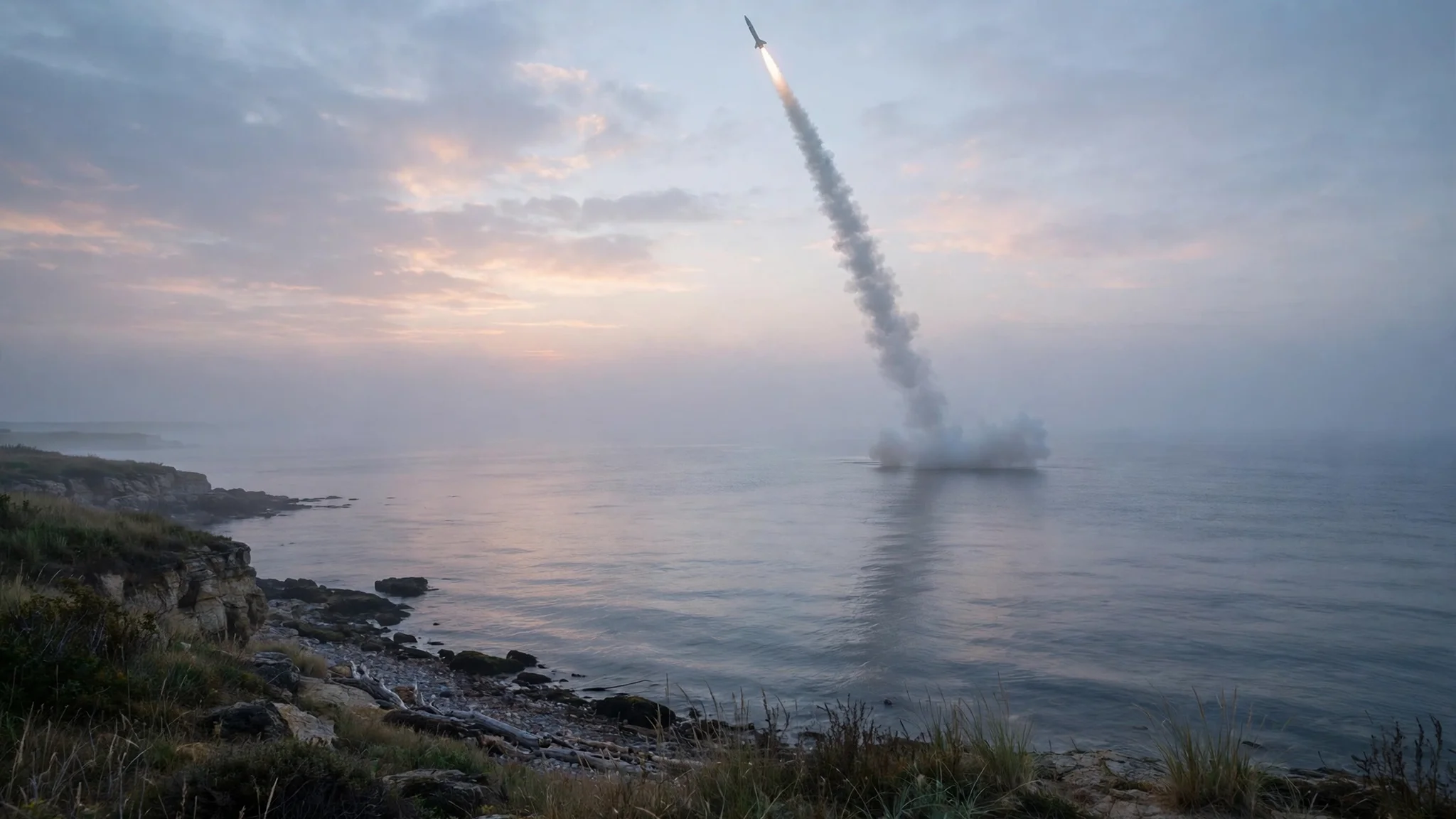
The most visible step is the interception. A surface-to-air missile can be launched to hit and take down the enemy aircraft, or to intercept the ammunition the aircraft is dropping. The missile intercepts the incoming missile, bomb or drone and makes sure it goes off in the air, before it can hit its intended target.
Often, this interception happens so high up in the air that even the debris of the incoming ammunition evaporates before it can touch the ground. That is the ideal result: the threat is destroyed far from people and buildings. In practice, debris can still fall, and not every interception works perfectly. Stopping a fast, small object in the sky is one of the hardest tasks in modern warfare.
Why Layers Matter So Much
No single weapon can stop every kind of threat. Some threats fly very high and very fast. Others fly low and slow. Some are large aircraft. Others are tiny drones. A layered system uses different tools for different ranges and heights, so that a threat missed by one layer may be caught by the next.
A surface-to-air missile can have various strike ranges. Short-range systems protect a small area, such as a base or a city centre. Longer-range systems can reach threats much further away. Together, the layers form a net. The net has holes, because no defence is perfect, but a layered net is far stronger than a single weapon standing alone.
The Difference Between Missiles And Bombs
It helps to understand two words that are often mixed up. A missile has its own engine and follows a guided or partially guided path. It can change direction and steer toward a target. A bomb depends on gravity to fall down and hit its target after being dropped from an aircraft.
Air defences must handle both. A guided missile may need to be intercepted in flight, while a falling bomb may need to be destroyed before it reaches the ground, or the aircraft carrying it may need to be stopped first. The distinction matters because the speed, shape and behaviour of each threat call for different responses.
Jammers, Sirens And Warnings
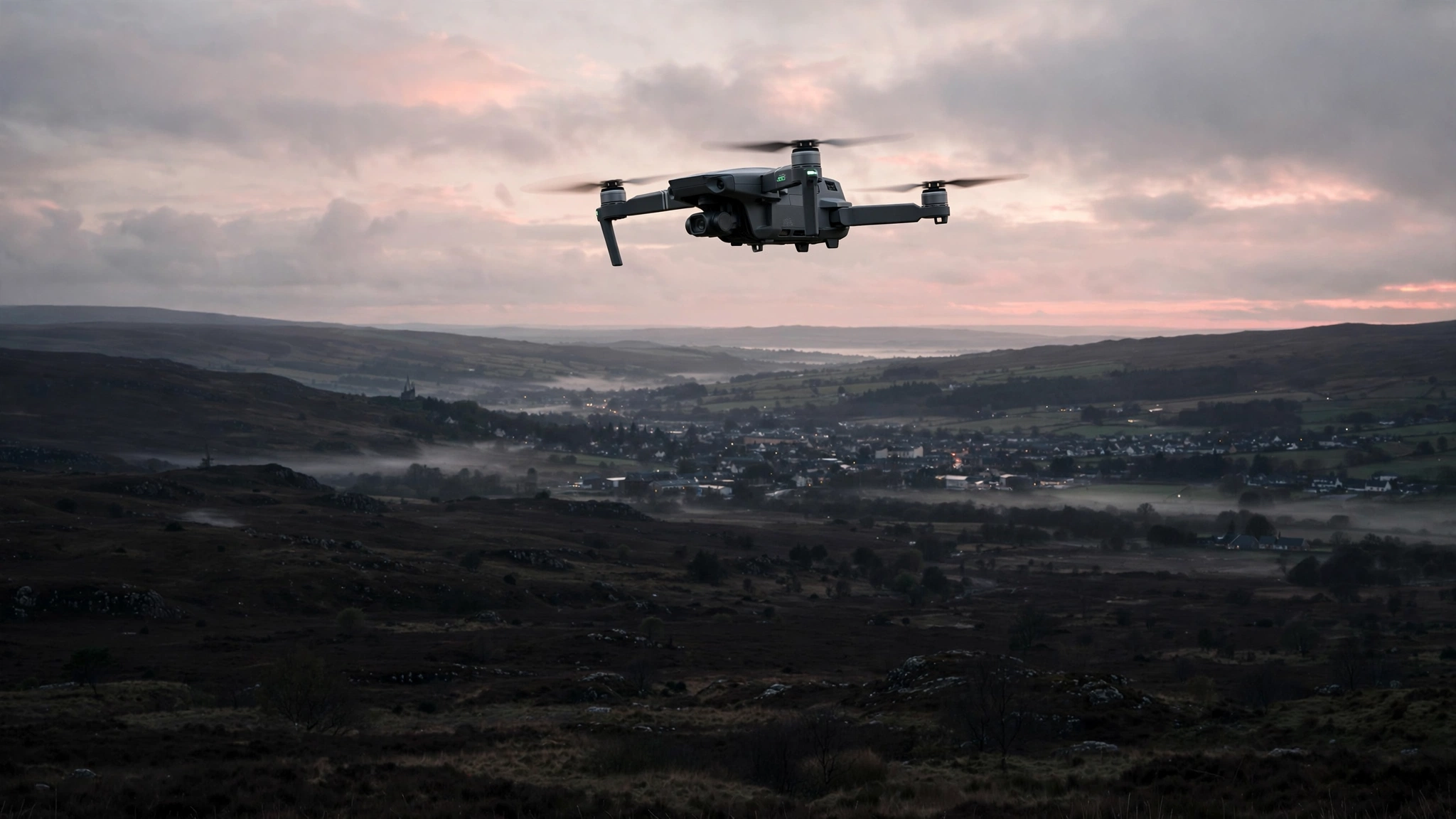
Not every part of air defence shoots. Jammers are electronic tools that can interfere with the signals guiding an enemy weapon or drone. If a drone loses its link to its operator, it may be unable to complete its mission. Warning sirens and alerts tell civilians to take shelter, which saves lives even when a threat cannot be stopped in time.
These quieter tools are part of the system too. A warning that gives people minutes to reach shelter can matter as much as a missile that destroys a threat in the sky. Defence is not only about destroying weapons. It is also about protecting people while weapons are in the air.
Passive Defence Means Limiting Harm
There is another side of air defence that involves no shooting at all. The Indian Express, citing a NATO research paper, describes passive defensive counter-air measures. These are used to minimise the effects enemy raids might have. Key facilities are hardened and protected, and may be duplicated or backed up, so that losing one does not stop everything.
Camouflage, concealment and deception may be used to prevent direct attacks on likely targets. Civil defence organisations provide firefighting, medical, rescue and recovery services after an attack. In plain words, passive defence means making targets harder to hit, harder to destroy, and quicker to recover. It accepts that some attacks may get through, and works to limit the damage they cause.
Offensive Action Against Attackers
The same NATO paper describes a third idea: offensive counter-air. This basically means compromising the enemy’s strike capability through direct action. In other words, instead of only waiting to stop incoming weapons, a force may try to damage the bases, launchers or aircraft from which attacks are launched.
This is the most aggressive part of air defence thinking, and the most contested. Destroying an enemy’s ability to attack can prevent future strikes, but it can also widen a conflict. That is why decisions about offensive action are political as well as military, and why they are taken at the highest levels of government, not by radar operators alone.
What Air Defence Cannot Do
No air defence system is a perfect shield. Small drones can slip past radar. Fast missiles can arrive with little warning. Large numbers of incoming weapons can overwhelm even a good system, because each interception costs money and uses up missiles that take time to replace. Weather, terrain and electronic interference can all reduce what radars and weapons can do.
It is also worth remembering why air defences are attacked first in many conflicts. Destroying a city’s air defence systems is usually done as preparation for bombing the city or selected locations within it. Once the shield is weakened, later attacks become easier. That is why air defence sites themselves are heavily protected, and why their loss is treated as a serious event.
Why This Matters In The News
Air defence appears in the news whenever missiles or drones are reported over a city, an airport or a port. Readers often ask whether a particular attack was stopped, and why some attacks get through. The general answer is the one in this post: a system must spot, track, decide and stop, all in very little time, against threats that differ greatly in size and speed.
Understanding those steps helps readers judge news reports more calmly. A claim that a system stopped an attack, or failed to stop one, should be checked against what officials and independent sources actually say. In fast-moving conflicts, early claims are often uncertain, and honest reporting separates what is confirmed from what is only claimed. This post makes no claim about any specific recent interception, because the general explanation does not need one.
You may also like
Frequently Asked Questions
How does an air defence system work in simple words?
An air defence system works in four linked steps: spot the threat, track and identify it, decide how to respond, and stop it before it hits its target. Radar sends out radio waves that bounce off incoming objects and return, telling operators where the object is, how high and fast it is flying, and which way it is heading. Human personnel then judge the size of the threat and choose a weapon, most commonly a surface-to-air missile, to intercept the aircraft, missile, bomb or drone in the air before it can strike.
What is a surface-to-air missile?
A surface-to-air missile, often shortened to SAM, is a missile launched from the ground to intercept an enemy missile or aircraft. It is the best-known part of an air defence system, but only one component of a much larger system that also includes radars, jammers and warning sirens. A SAM can have various strike ranges, and it works by hitting the incoming threat or the ammunition it carries, ideally so high in the air that the debris cannot reach the ground.
Why do air defence systems use layers?
Air defence systems use layers because no single weapon can stop every kind of threat, since some fly very high and fast, others fly low and slow, and some are large aircraft while others are tiny drones. Short-range systems protect a small area such as a base or city centre, while longer-range systems reach threats much further away, so a threat missed by one layer may be caught by the next. How layered a system is depends on the military capabilities of a country, but a layered net is far stronger than any single weapon standing alone.
What is passive air defence?
Passive air defence means limiting the harm an attack can cause without shooting at it. According to a NATO research paper cited by The Indian Express, key facilities are hardened and protected and may be duplicated or backed up, while camouflage, concealment and deception help prevent direct attacks on likely targets. Civil defence organisations also provide firefighting, medical, rescue and recovery services, so passive defence accepts that some attacks may get through and works to make targets harder to hit, harder to destroy, and quicker to recover.
Can air defence stop every missile or drone?
No air defence system is a perfect shield. Small drones can slip past radar, fast missiles can arrive with little warning, and large numbers of incoming weapons can overwhelm even a good system because each interception costs money and uses up missiles that take time to replace. Weather, terrain and electronic interference can also reduce what radars and weapons can do, which is why air defence sites are themselves heavily protected and why destroying them is often the first step before bombing a city.