Best Foods for Gut Health in 2027
In this post
Gut health has become one of the biggest health topics of the last few years, and for good reason. Your gut is home to trillions of microbes, collectively called the microbiome, which help digest food, support the immune system, and even affect mood. When the microbiome is diverse and healthy, digestion usually works well, but when it is disrupted by poor diet, stress, or antibiotics, problems such as bloating, constipation, and discomfort can follow. The good news is that food is the most powerful tool for gut health, and the best foods are simple, affordable, and widely available.
The idea is not to buy expensive supplements or follow a complicated diet, but to eat a variety of fibre-rich and fermented foods, to drink enough water, and to avoid the habits that harm the gut. That sounds simple, and it is, but modern diets, with their processed foods, low fibre, and high sugar, make it harder than it should be. This article explains which foods help the gut most, why they work, and how to add them to your meals without overhauling your whole diet. It is general information only, not medical advice, and anyone with a serious digestive condition should talk to a clinician.
What Gut Health Really Means
Gut health refers to how well your digestive system works, including how you digest food, absorb nutrients, and maintain a balanced microbiome. The microbiome is a community of bacteria, fungi, and other microbes that live in your gut, and a diverse microbiome is generally a healthy one. These microbes help break down fibre, produce vitamins, and protect against harmful bacteria. They also communicate with the brain through the gut-brain axis, which is why gut health can affect mood and stress. When the microbiome is out of balance, you may notice bloating, gas, irregular bowel habits, or low energy, although these symptoms can have many causes and should be checked if they persist.
A better frame is to find movement you enjoy, whether it is walking, dancing, swimming, or gardening, and to do it because it feels positive, not since you have to. Enjoyable movement is sustainable movement, and sustainable movement is the only kind that matters for wellbeing. Exercise is often sold as punishment for eating, or as a way to earn food, and that framing is harmful. Movement is not a penalty; it is a pleasure, a way to feel strong, to clear your mind, and to enjoy your body. When exercise is framed as a chore, individuals avoid it, and when it is framed as a way to burn calories, individuals quit when the calories do not add up.
You do not have to do it alone, and you should not try to. One more point that is often missed is the role of other individuals in wellbeing. A partner who cooks with you, a friend who walks with you, a family that supports a fresh habit: all of these make change easier and more enjoyable. Wellbeing is not only an individual project; it is a social one, and the individuals around you can help or hinder, often without realising it. Talking openly about what you are trying to do, and asking for support, is not a sign of weakness; it is a practical step that makes success more likely.
Fibre: The Foundation of a Healthy Gut
Fibre is the most important nutrient for gut health, because it feeds the good bacteria in your gut and helps keep bowel movements regular. There are two main types: soluble fibre, found in oats, beans, lentils, and fruit, which feeds bacteria and helps control blood sugar, and insoluble fibre, found in whole grains and vegetables, which adds bulk and helps food move through the gut. Most adults need around 30 grams of fibre a day, but many people eat far less. Increasing fibre gradually, and drinking enough water with it, is important, because a sudden increase can cause gas and bloating. Good sources include oats, lentils, chickpeas, beans, wholemeal bread, vegetables, and fruit.
The finest health advice is the kind that works in an ordinary kitchen, on an ordinary income, with ordinary time. Home-cooked lentils, a walk around the block, water from the tap, and a consistent sleep schedule are all free or cheap, and they are available to almost everyone. If a plan only works for the wealthy and the idle, it is not a wellbeing plan; it is a fantasy. Health advice often ignores the fact that individuals live in real homes, with genuine budgets, genuine families, and real constraints. A recommendation that requires expensive food, special equipment, or hours of free time is not a recommendation for most people; it is a luxury.
A better approach is to keep the foods you love, in smaller portions, and to add healthier foods alongside them, rather than replacing everything at once. Enjoyment matters, since a diet you enjoy is a diet you will keep, and a diet you keep is the only one that works. Food is not only fuel; it is also culture, comfort, and connection, and any wellbeing advice that ignores that will fail. People eat with family, they celebrate with food, and they comfort themselves with familiar dishes. A diet that forbids all of that, that turns every meal into a test, will not last, because it asks individuals to give up too much of what makes life enjoyable.
Fermented Foods and Probiotics Explained
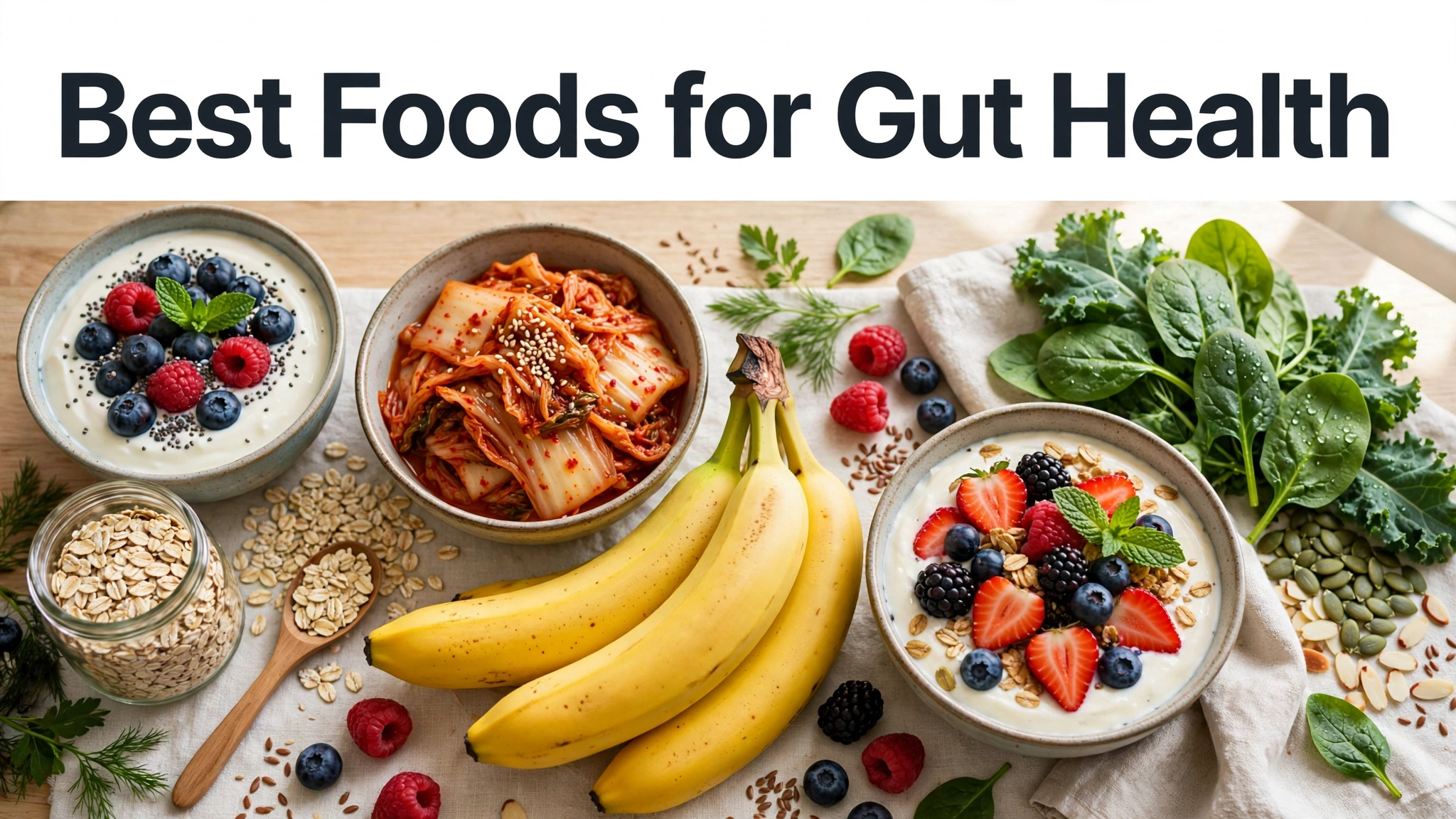
Fermented foods contain live bacteria that can support the microbiome, and they have been eaten for centuries in many cultures. Examples include yoghurt, kefir, kimchi, sauerkraut, miso, and kombucha. Yoghurt with live cultures is one of the easiest and most affordable options, and it provides calcium and protein as well as beneficial bacteria. Kimchi and sauerkraut provide fibre and bacteria, but they can be high in salt, so portion size matters. Probiotic supplements are also available, but the evidence for them is mixed, and food sources are usually a better first step. Eating a small portion of fermented food most days is more useful than taking a supplement occasionally.
If a habit makes you feel better, keep it. If it makes you feel worse, stop it and try something else. Your body is the finest guide you have, and learning to listen to it, with patience and with professional help when needed, is the most important wellbeing skill of all. Finally, wellbeing is personal, and what works for one person may not work for another. A diet that suits a young athlete may not suit an older person with kidney disease, and an exercise that aids one person may harm another with a bad knee. That is why general advice should be treated as a starting point, not as a prescription, and why listening to your personal body matters.
A habit that survives a bad week, a late night, a cold, or a family crisis is a habit that will last for years. That is why modest, simple habits beat grand plans: a short walk, a glass of water, a consistent bedtime, and a straightforward meal are all things you can do even when everything else is difficult. Design for the worst week, and the good weeks will take care of themselves. The most helpful way to think about any wellbeing habit is to ask whether you could still do it on your worst week, not your best one. A routine that only works when life is calm, when you have time, money, and energy, will fail at the first busy period, and busy periods are when you need it most.
Prebiotics: Food for Your Good Bacteria
Prebiotics are types of fibre that feed the good bacteria in your gut, and they are found in foods such as garlic, onions, leeks, asparagus, bananas, and oats. When good bacteria eat prebiotics, they produce short-chain fatty acids, which help keep the gut lining healthy and reduce inflammation. You do not need to buy special prebiotic products; a varied diet with plenty of vegetables, fruit, and whole grains provides them naturally. The key is variety: different fibres feed different bacteria, so eating a wide range of plant foods supports a diverse microbiome. Aim for a variety of colours and types of vegetables each week, rather than eating the same few foods every day.
Many wellbeing problems are made worse by the habit of ignoring early warnings. A pain that lasts, a tiredness that does not lift, a change in appetite or in bowel habits, a mole that changes shape: all of these are the body’s way of asking for attention. Ignoring them does not make them go away; it generally makes them harder and more expensive to treat later. Paying attention early, and asking a clinician a straightforward question, is one of the cheapest and most effective wellbeing habits there is. It is not hypochondria; it is responsibility, and it is the habit that saves lives more often than any supplement or diet.
A person who takes blood pressure medicine and also walks, eats less salt, and sleeps well will do better than a person who does only one of those things. Medication is not a sign of failure; it is a tool, and like any tool, it works best when used properly and combined with other tools. The finest health outcomes come from honesty: take the medicine you need, make the changes you can, and work with your clinician, not against them. That combination is the most effective medicine there is. Medication and lifestyle are frequently presented as opposites, as if you must choose one or the other, but in reality they work together.
Foods and Habits That Harm Gut Health
Some foods and habits can harm gut health, especially when they dominate the diet. Highly processed foods, sugary drinks, and foods high in saturated fat are linked to a less diverse microbiome and more digestive problems. Excess alcohol can also damage the gut lining and disrupt bacteria. Eating too quickly, skipping meals, and eating under stress can worsen digestion, because the gut responds to stress and to rushed eating. Antibiotics, while sometimes necessary, can also disrupt the microbiome, so they should only be used when prescribed. You do not need to avoid these foods completely, but reducing them and replacing them with whole, fibre-rich foods helps the gut recover.
Build a life that supports your health, rather than a plan that fights your life, and you will be healthier for longer. Finally, remember that wellbeing is a lifelong project, not a short-term fix. A diet that lasts a month, an exercise programme that lasts a few weeks, or a sleep routine that lasts a few days will not change your health in the long term. What changes health is a pattern that you can keep for years, through distinct seasons of life, through work, family, and ageing. That pattern does not need to be perfect; it needs to be sustainable.
Numbers can help or they can harm, depending on how you use them. A scale, a step counter, or a blood pressure reading is helpful if it tells you whether a habit is working, but it is harmful if it becomes a everyday judgement that makes you feel like a failure. The best way to use numbers is to look at trends over weeks, not at single days, and to pay attention to how you feel, not only to what the number says. If you sleep better, feel more energetic, and walk further, those are real improvements, even if the scale has not moved. Judge a habit by your life, not by a single measurement, and you will be kinder to yourself and more likely to keep going.
A Simple Gut-Friendly Day of Eating
A gut-friendly day does not need to be complicated. Breakfast could be oats with banana and yoghurt, which provides fibre, prebiotics, and live bacteria. Lunch could be a lentil soup with wholemeal bread and a side salad, providing fibre and variety. Dinner could be a vegetable stir-fry with beans or fish and brown rice, with a small portion of kimchi or sauerkraut on the side. Snacks could be fruit, nuts, or a small pot of yoghurt. Drinking water throughout the day, eating slowly, and chewing well all help digestion. The goal is not perfection, but a pattern: plenty of plants, some fermented food, enough water, and regular meals.
That is a hopeful message, because it means that the choices you make today, at any age, still matter. It is never too late to start, and the benefits of starting, even late, are genuine and measurable. Age is a reason to take care of yourself, not a reason to give up. Ageing changes the body, but it does not have to mean decline. Muscle can be built at any age, balance can be improved, and the brain can learn fresh things throughout life. The individuals who age well are usually the ones who keep moving, keep learning, keep eating well, and keep connected to others, not the ones who accept decline as inevitable.
Trust the numbers on the back, not the promises on the front. Food labels can be confusing, and numerous products that claim to be healthy are not. A cereal that says whole grain may still be high in sugar, a juice that says natural may still be high in calories, and a snack that says low fat may be high in salt. Learning to read a label, to check sugar, salt, and fibre per hundred grams, and to ignore the claims on the front of the packet, is a useful skill. It takes a few minutes to learn, and it saves you from being misled by marketing.
When Gut Symptoms Need Medical Help
Most gut symptoms improve with better food, more fibre, and less stress, but some need medical attention. If you have persistent diarrhoea or constipation, blood in your stool, unexplained weight loss, severe pain, or symptoms that last more than a few weeks, talk to a clinician. Conditions such as irritable bowel syndrome, coeliac disease, and inflammatory bowel disease need proper diagnosis and treatment, and a clinician can refer you for tests or to a dietitian. Do not try to diagnose yourself from the internet, and do not cut out whole food groups without advice, because that can make the problem worse. Good gut health starts with good food, but it sometimes needs professional help too.
That is how real change happens, not in a single dramatic overhaul, but in a chain of small improvements. Sleep, food, movement, and stress are not separate topics; they are one system, and they affect each other constantly. Poor sleep makes you crave sugar, sugar makes you sleep badly, lack of movement makes you tired, and tiredness makes you stressed. Breaking that cycle at any one point aids the whole system, which is positive news: you do not need to fix everything at once. Fix sleep, and food becomes easier. Fix food, and energy improves. Fix movement, and sleep improves. Pick the easiest one, start there, and let the improvement spread.
The most effective stress management is often the simplest: consistent sleep, consistent movement, time outdoors, time with individuals you trust, and a few minutes of quiet each day. Those habits do not eliminate stress, but they make the body more resilient to it, and resilience is the goal, not a stress-free life, which does not exist. Stress is not only a feeling; it is a physical state that affects the heart, the gut, the immune system, and the brain. Chronic stress raises blood pressure, disrupts sleep, increases appetite for sugary food, and weakens immunity. Managing stress is therefore not a luxury or a self-indulgence; it is a medical necessity.
My Take:
Gut health is a topic where the advice is often more complicated than it needs to be, and I think the simplest version is also the best: eat a variety of plants, include some fermented food, drink water, and avoid living on processed food. That is not a new diet; it is the way people ate for most of history, before food became industrialised. The microbiome does not need expensive supplements; it needs fibre, variety, and time. I would rather see someone eat lentils, oats, and yoghurt every day than buy a probiotic they do not understand and use it for a week. Finally, my practical advice is to start smaller than you think you need to. Choose one change, make it so small that skipping it feels silly, and do it at the same time each day. Track how you feel, not just a number. Give it several weeks before judging it, and change only one thing at a time so you know what helped. If a change makes life harder without making you feel better, drop it and try another. The best routine is the one you can keep, the one that fits your life, and the one that leaves you with more energy, not less.
I also believe we should be honest about the limits of gut health advice. A healthy gut will not cure every problem, and anyone who promises that is selling something. What good food can do is improve digestion, reduce bloating, and support overall health, and that is worth doing. But if symptoms persist, the right step is to see a clinician, not to try another supplement. The gut is complex, and it deserves respect, not hype. Eat well, be patient, and get help when you need it, and your gut will usually reward you. I also believe that asking for help is a strength, not a weakness. Persistent tiredness, pain, or worry deserves a clinician’s attention, and getting that attention early is wiser than waiting until a problem becomes serious. Too many people suffer in silence because they do not want to be a bother, or because they think their problem is not serious enough. It is serious enough if it affects your daily life, and a good clinician will take it seriously. Health is not a solo project; it is a shared one, and help is part of it.
Gut health is a topic where the advice is often more complicated than it needs to be, and I think the simplest version is also the best: eat a variety of plants, include some fermented food, drink water, and avoid living on processed food. That is not a new diet; it is the way people ate for most of history, before food became industrialised. The microbiome does not need expensive supplements; it needs fibre, variety, and time. I would rather see someone eat lentils, oats, and yoghurt every day than buy a probiotic they do not understand and use it for a week. My view is simple: health advice should fit a real life, not an ideal one. If a routine only works when you have time, money, and energy, it will fail when you need it most, and that is not your fault; it is the advice’s fault. I look for habits that survive a bad week, that cost little, and that can be done in an ordinary home, because those are the habits that actually change health. The rest is decoration, and decoration does not lower blood pressure, improve sleep, or make you stronger. Small, survivable habits are the ones worth keeping.
I also believe we should be honest about the limits of gut health advice. A healthy gut will not cure every problem, and anyone who promises that is selling something. What good food can do is improve digestion, reduce bloating, and support overall health, and that is worth doing. But if symptoms persist, the right step is to see a clinician, not to try another supplement. The gut is complex, and it deserves respect, not hype. Eat well, be patient, and get help when you need it, and your gut will usually reward you. I also think we should stop treating health as a moral test. A missed walk, a late night, or a heavy meal is not a failure of character; it is a normal day. The language of cheating and falling off the wagon turns normal life into guilt, and guilt rarely helps anyone make a better choice tomorrow. What helps is noticing, without drama, and returning to the routine at the next opportunity. That calm return is a skill, and it matters more than any single perfect day. Be kind to yourself, and you will be healthier for it.
Gut health is a topic where the advice is often more complicated than it needs to be, and I think the simplest version is also the best: eat a variety of plants, include some fermented food, drink water, and avoid living on processed food. That is not a new diet; it is the way people ate for most of history, before food became industrialised. The microbiome does not need expensive supplements; it needs fibre, variety, and time. I would rather see someone eat lentils, oats, and yoghurt every day than buy a probiotic they do not understand and use it for a week. Another belief I hold is that the body gives better feedback than any app. Tiredness, thirst, hunger, pain, and poor sleep are all information, not annoyances to be overridden. Learning to notice those signals early, and to act on them, is one of the most valuable health skills there is. It does not replace medical care; it tells you when medical care is needed, and it tells you sooner, when help is usually simpler. Listen to your body, and take it seriously, because it is trying to tell you something.
I also believe we should be honest about the limits of gut health advice. A healthy gut will not cure every problem, and anyone who promises that is selling something. What good food can do is improve digestion, reduce bloating, and support overall health, and that is worth doing. But if symptoms persist, the right step is to see a clinician, not to try another supplement. The gut is complex, and it deserves respect, not hype. Eat well, be patient, and get help when you need it, and your gut will usually reward you. I want to be honest about limits too. No single habit, food, or routine is a cure, and anyone who promises a cure is selling something. Health is shaped by genetics, environment, income, and luck, as well as by choices. Pretending otherwise blames people for problems they did not cause. What honest advice can do is shift the odds, reduce daily strain, and make life feel better. That is enough, and it is worth doing without exaggerating it. Trustworthy advice says what it can do and what it cannot.
Frequently Asked Questions
What are the best foods for gut health?
Oats, lentils, beans, yoghurt, kimchi, sauerkraut, vegetables, and fruit are among the best, because they provide fibre and beneficial bacteria.
What is the microbiome?
The microbiome is the community of trillions of microbes in your gut that help digest food, support immunity, and communicate with the brain.
Do probiotic supplements work?
The evidence is mixed, and food sources such as yoghurt and fermented vegetables are usually a better first step than supplements.
How much fibre do I need for gut health?
Most adults need around 30 grams of fibre a day, from whole grains, beans, lentils, vegetables, and fruit, increased gradually with enough water.
Can stress affect gut health?
Yes, stress can affect digestion and the microbiome through the gut-brain axis, which is why regular meals, sleep, and stress management help.
When should I see a doctor about gut problems?
See a clinician if you have blood in your stool, unexplained weight loss, severe pain, or symptoms that last more than a few weeks.