How Do Wolves Communicate? Explained Simply
In this post
Wolves communicate with sound, body language, scent and touch, because a pack must work together to hunt and survive. In practice, what people notice first about wolves communicating is howls, scent marks and body language, since that chorus of signals colours the whole story across a forest territory along with the confidence watchers put in it. When the pack stays in touch with howls, scent marks and body language across a forest territory, nobody thinks about wolves communicating at all, while a broken signal becomes the one thing they recall. Getting a grip on howls, scent marks and body language before buying, using or judging wolves communicating spares you wasted effort, needless worry and foggy thinking.
A wolf pack is a family group, usually a breeding pair and their pups, and clear communication keeps the family together. Look closely at howls, scent marks and body language and the picture of wolves communicating comes into sharper relief, since that chorus ties into almost all of wolves communicating. That is why some people love wolves communicating and others doubt it, and why howls, scent marks and body language can work brilliantly in one place across a forest territory but trip up elsewhere. Once that thread running through howls, scent marks and body language is clear, the rest of wolves communicating slots into place, so the reports you hear about wolves communicating are simpler to weigh calmly and honestly.
A Pack That Talks Without Words
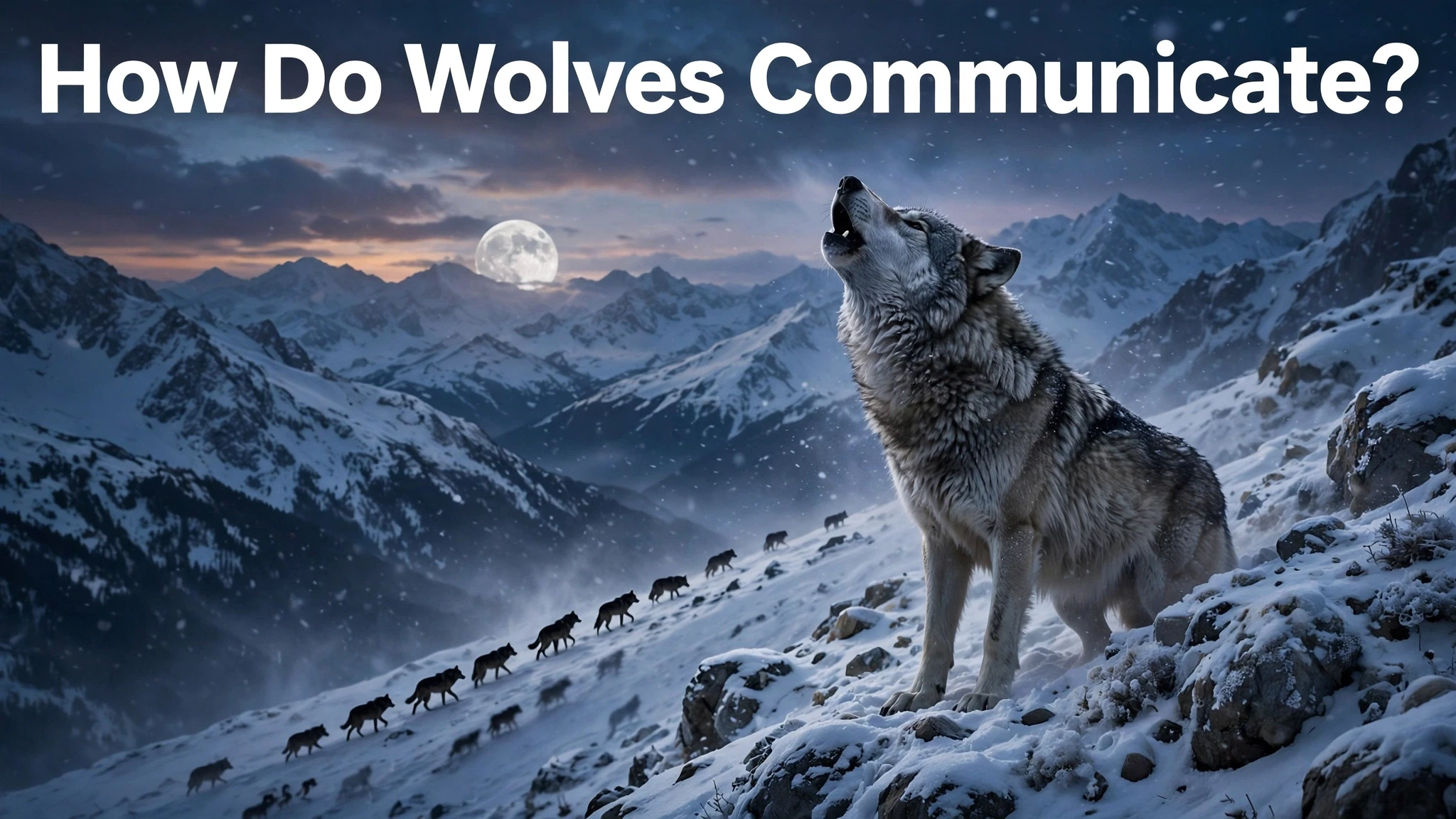
The howl is the most famous wolf sound, and it can be heard for many kilometres across a forest or a valley. This is also where most misunderstandings about wolves communicating crop up, since the neat summary leaves out howls, scent marks and body language, the part that counts most. Watchers hand on the trimmed version of wolves communicating, they repeat it, and before long the short telling settles as truth in many heads about howls, scent marks and body language. The longer version of wolves communicating is worth your time, since it shows the limits, the compromises and the hidden forces behind the chatter about howls, scent marks and body language.
A howl tells other wolves where the pack is, warns rivals to stay away, and calls scattered pack members back together. A beginner should hold on to howls, scent marks and body language, because it gives a wolf pack keeping contact over distance a simple way to test claims about wolves communicating. If a claim does not fit howls, scent marks and body language, it is probably exaggerated or wrong about wolves communicating. If it does fit howls, scent marks and body language, you can lean on the rest of the account about wolves communicating more. That small test with howls, scent marks and body language turns into a handy reflex, and it carries over to wolves communicating together with plenty of other ideas you will bump into.
Wolves howl more at dawn and dusk, when the air is still and sound carries further through the forest. There is a practical side to wolves communicating too, since it steers the choice you make next across a forest territory. Knowing howls, scent marks and body language helps a wolf pack keeping contact over distance choose with more care, save more time, and avoid a common trap with wolves communicating. A person who misses howls, scent marks and body language might settle on the wrong choice, the wrong path, or lose sleep over the wrong threat with wolves communicating. Brains are not the dividing line, just holding this single piece of the full story around wolves communicating, and that piece is howls, scent marks and body language.
A chorus howl, when many wolves howl together, sounds bigger and stronger, which can make a small pack seem larger. The history of wolves communicating helps here, because howls, scent marks and body language grew out of real needs. Wolves communicating emerged from old habits, old patterns and old failures, every stage bending howls, scent marks and body language into the version we see today. Once that past is clear, the present shape of wolves communicating reads less like chance and more like a reply to a genuine puzzle watchers bumped into with howls, scent marks and body language and tried to solve.
The Howl: A Voice Across the Forest
Each wolf has a slightly different howl, so pack members can recognise each other by voice alone. Put wolves communicating beside silence between pack members and the choice becomes sharper. Silence between pack members can look cheaper, simpler or more familiar, yet it trips at the precise place where howls, scent marks and body language succeeds for wolves communicating. That is why experts keep returning to howls, scent marks and body language, and why a good guide to wolves communicating ought not skip it, even when the reader wants to hurry to the conclusion.
A lone wolf may howl to find a mate or to join a new pack, because the sound carries its identity across the land. Finally, remember that this detail, howls, scent marks and body language, is no stray fact standing on its own about wolves communicating. This detail, howls, scent marks and body language, feeds into the next section, into the questions readers put about wolves communicating, together with the choice that waits at the finish. Hold on to howls, scent marks and body language beside you as you keep reading, since the later chunks lean on it and make more sense once this picture of wolves communicating is in place.
Body language is just as important as sound, and a wolf can say a lot with its ears, tail and posture. In ordinary use, the opening thing watchers register about wolves communicating is howls, scent marks and body language, because it shapes how it feels across a forest territory and the faith watchers put in it. When the pack stays in touch for wolves communicating across a forest territory, nobody thinks about wolves communicating at all, while a lost signal becomes the one thing they recall. Wrapping your head around howls, scent marks and body language before buying, using or judging wolves communicating keeps effort, patience and peace of mind intact.
A dominant wolf stands tall, with ears forward and tail raised, to show confidence and leadership. Look closely and the picture of wolves communicating becomes clearer, because this detail, howls, scent marks and body language, weaves into every other strand of the story of wolves communicating. It is howls, scent marks and body language that explains why some people love wolves communicating and others doubt it, and why wolves communicating can dazzle in one valley and disappoint in the next. Once you catch that thread inside howls, scent marks and body language, the rest of wolves communicating settles into place, so you can judge the talk around it with a steadier eye.
Body Language: Ears, Tail and Posture
A submissive wolf lowers its body, tucks its tail and flattens its ears, to show respect and avoid a fight. Most misunderstandings about wolves communicating begin here as well, since the tidy summary skips over the piece that matters, which is howls, scent marks and body language. The short version of wolves communicating gets echoed and repeated, until it firms up as truth in plenty of heads, though the fuller account of howls, scent marks and body language carries more weight. The fuller tale justifies the patience for wolves communicating, because it uncovers the compromises, the limits and the genuine forces behind the headlines about howls, scent marks and body language.
A playful wolf bows down with its front legs and raises its rear, which is an invitation to play, not to fight. For a beginner, this detail, howls, scent marks and body language, is the one to keep hold of, since it offers a wolf pack keeping contact over distance a simple check on whatever they are told about wolves communicating. A claim about wolves communicating that does not fit howls, scent marks and body language probably overstates things or misses the mark. If a claim lines up with howls, scent marks and body language, the rest of the explanation about wolves communicating earns more trust. Testing wolves communicating with that small check on howls, scent marks and body language forms a steady habit, and it holds up here the way it does for plenty of other ideas you bump into.
Eye contact matters, because a direct stare can be a challenge, while looking away can calm a tense moment. There is a practical side to howls, scent marks and body language too, since it guides the move you make next with wolves communicating. A person who understands howls, scent marks and body language decides more wisely, keeps more time in hand, and steers clear of a familiar pitfall with wolves communicating. Missing howls, scent marks and body language can leave a wolf pack keeping contact over distance can end up with the wrong pick, the wrong approach, or stressing over the wrong danger with wolves communicating. Brains do not draw the line, just knowing howls, scent marks and body language and how it shapes wolves communicating.
Scent marking is a chemical message, and a wolf leaves urine or faeces on a tree or a rock to mark its territory. History helps with wolves communicating, because howls, scent marks and body language did not appear by accident. Wolves communicating emerged from earlier troubles, earlier designs and earlier mistakes, every stage bending howls, scent marks and body language into its present form. Knowing that past makes the current shape of wolves communicating reads less like luck and more like a reply to a genuine puzzle watchers bumped into with howls, scent marks and body language.
Scent Messages That Last for Days
Other wolves can read that scent for days, learning who passed by, whether it was male or female, and how long ago. Compare wolves communicating with silence between pack members and the wiser pick stands out. The other path, silence between pack members, might look cheaper, simpler or more familiar, yet it breaks down at the exact spot where howls, scent marks and body language succeeds with wolves communicating. Experts keep returning to howls, scent marks and body language for a reason, and a solid handbook on wolves communicating belongs in the guide, even when the reader wants to rush to the ending.
A wolf’s sense of smell is far stronger than a human’s, so scent messages carry information that sound cannot. Finally, remember that this detail about wolves communicating does not stand alone from howls, scent marks and body language. This detail about howls, scent marks and body language ties into the coming section, into the queries readers raise about wolves communicating, alongside the choice waiting for you at the finish. Keep howls, scent marks and body language at hand while you read on, because the next sections draw on it and only click once this base about wolves communicating is in place.
Growling is a warning sound, used when a wolf feels threatened or wants another animal to back away. In practice, what people notice first about wolves communicating is howls, scent marks and body language, because that chorus decides how smooth the pack feels across a forest territory together with the faith watchers put in it. Once the pack stays in touch with howls, scent marks and body language across a forest territory, nobody thinks about wolves communicating at all, while one missed signal lingers in the memory for days. Wrapping your head around howls, scent marks and body language before buying, using or judging wolves communicating keeps effort, calm and clarity on your side.
Barking is rare in adult wolves, and it is usually a short alarm call, not the constant barking of a domestic dog. Look closely at howls, scent marks and body language and the picture of wolves communicating sharpens into focus, since that chorus explains nearly all of wolves communicating. That is why some people love wolves communicating and others doubt it, and why howls, scent marks and body language can work brilliantly in one place across a forest territory yet stumble somewhere else. Once that link inside howls, scent marks and body language is clear, the rest of wolves communicating falls into place, so the stories you hear about wolves communicating are easier to judge calmly and honestly.
Growls, Barks and Quiet Sounds
Whining and whimpering are softer sounds, used by pups to ask for food or comfort, and by adults to greet each other. This is also where most misunderstandings about wolves communicating start, since the tidy summary skips over howls, scent marks and body language, the core that matters. People repeat the trimmed account of wolves communicating, they hand it on, and soon the short version firms up as fact in plenty of heads about howls, scent marks and body language. The longer version of wolves communicating rewards the reader, since it sets out the trade-offs, the limits and the genuine drivers behind the noise around howls, scent marks and body language.
A wolf pup learns the language by watching adults, copying their postures and sounds, and being corrected gently. A beginner should hold on to howls, scent marks and body language, because it gives a wolf pack keeping contact over distance a simple way to test claims about wolves communicating. If a claim does not fit howls, scent marks and body language, it is probably exaggerated or wrong about wolves communicating. If it does fit howls, scent marks and body language, you can lean harder on the rest of the account about wolves communicating more. That small test with howls, scent marks and body language builds a handy reflex, and it holds for wolves communicating alongside plenty of other ideas you will come across.
Play fighting among pups teaches them the rules of the pack, including when to submit and when to stand firm. There is a practical side to wolves communicating as well, since it shapes the move you make next across a forest territory. Knowing howls, scent marks and body language helps a wolf pack keeping contact over distance pick wisely, keep more time in hand, and dodge a familiar slip-up around wolves communicating. A person who misses howls, scent marks and body language may pick the wrong option, the wrong way, or lose sleep over the wrong danger with wolves communicating. It is not brains that set people apart, just grasping one scrap of the full picture around wolves communicating, and that piece is howls, scent marks and body language.
Touch is also communication, because wolves greet each other by licking faces, nuzzling and rubbing bodies together. The history of wolves communicating helps here, because howls, scent marks and body language grew out of real needs. Wolves communicating as it stands took form through past troubles, past designs and past slip-ups, every stage shaping howls, scent marks and body language into its present form. Once that past is clear, the present shape of wolves communicating seems less like chance and more like a response to a genuine headache watchers ran into with howls, scent marks and body language and tried to solve.
How Pups Learn the Language
A wolf that licks the mouth of an older wolf is showing respect and asking for food, a behaviour seen in pups. Put wolves communicating beside silence between pack members and the choice becomes sharper. Silence between pack members may seem cheaper, simpler or more familiar, yet it stumbles at the exact place where howls, scent marks and body language succeeds for wolves communicating. That is why experts keep returning to howls, scent marks and body language, and why a good guide to wolves communicating ought to stay in, even when the reader wants to rush to the conclusion.
Wolves rarely fight within the pack, because clear signals prevent most fights before they start. Finally, remember that this detail, howls, scent marks and body language, is no stray fact standing on its own about wolves communicating. This detail, howls, scent marks and body language, feeds into the next section, into the questions readers put about wolves communicating, alongside the call you face at the finish. Hang on to howls, scent marks and body language with you as you read further, since what follows builds on it and grows easier once this base about wolves communicating is in place.
The language of wolves is honest, because a wolf cannot lie about its posture, its scent or its voice. In everyday use, the first thing watchers spot about wolves communicating is howls, scent marks and body language, because it shapes how it feels across a forest territory and the faith watchers put in it. When the pack stays in touch for wolves communicating across a forest territory, nobody thinks about wolves communicating at all, while a broken signal becomes the one thing they recall. Getting a grip on howls, scent marks and body language before buying, using or judging wolves communicating keeps effort, patience and peace of mind intact.
Humans can learn from wolves that most communication is not words, but tone, posture and timing. Look closely and the picture of wolves communicating becomes clearer, because this detail, howls, scent marks and body language, runs through every other strand of the tale of wolves communicating. It is howls, scent marks and body language that explains why some people love wolves communicating and others doubt it, and why wolves communicating can dazzle in one valley and disappoint in the next. Once you catch that thread inside howls, scent marks and body language, the rest of wolves communicating comes together, so the claims you hear get easier to weigh with a cool head.
What Wolves Teach Us About Talking
The howl of a wolf is not a cry of sadness, as stories suggest, but a practical tool for keeping a family together. Most misunderstandings about wolves communicating crop up here as well, since the tidy summary leaves out the vital piece, which is howls, scent marks and body language. The short version of wolves communicating gets retold and passed along, until it sticks as fact in many minds, though the complete story of howls, scent marks and body language carries more weight. The fuller tale justifies the patience for wolves communicating, since it exposes the trade-offs, the limits and the quiet drivers behind the buzz concerning howls, scent marks and body language.
Wolves communicate with sound, body language, scent and touch, because a pack must work together to hunt and survive. For a beginner, this detail, howls, scent marks and body language, is the one to keep hold of, since it offers a wolf pack keeping contact over distance a simple check on whatever they are told about wolves communicating. A claim about wolves communicating that does not fit howls, scent marks and body language looks stretched or simply wrong. If a claim lines up howls, scent marks and body language, the rest of the explanation about wolves communicating earns more trust. Testing wolves communicating with that small check on howls, scent marks and body language turns into a useful reflex, and it pays off here like it does for plenty of other ideas you bump into.
A wolf pack is a family group, usually a breeding pair and their pups, and clear communication keeps the family together. There is a practical side to howls, scent marks and body language too, since it guides the move you make next with wolves communicating. A person who understands howls, scent marks and body language picks with more care, holds on to more money, and avoids a common trip-up with wolves communicating. Missing howls, scent marks and body language can leave a wolf pack keeping contact over distance may land on the wrong choice, the wrong path, or lose sleep over the wrong threat with wolves communicating. Cleverness is not the gap, just knowing howls, scent marks and body language and how it shapes wolves communicating.
The howl is the most famous wolf sound, and it can be heard for many kilometres across a forest or a valley. History helps with wolves communicating, because howls, scent marks and body language did not appear by accident. Wolves communicating grew from earlier troubles, earlier patterns and earlier mistakes, every stage shaping howls, scent marks and body language into its present form. Knowing that past makes the current shape of wolves communicating looks less like chance and more like an answer to a genuine problem watchers faced and worked to answer with howls, scent marks and body language.
My Take:
A wolf pack is a family, and its language is built for keeping that family together, not for showing off. My view of wolves communicating has grown stronger the more I have looked at the details of howls, scent marks and body language, because the facts keep pointing the same way. A headline or a promise about wolves communicating can impress anyone, but the quiet details in howls, scent marks and body language decide whether it works in real life for a wolf pack keeping contact over distance. I would rather trust the details of howls, scent marks and body language than a slogan for wolves communicating, and admit what is still unknown than pretend wolves communicating has a simple answer.
The howl is the most misunderstood sound in nature, and it is a map, a warning and a roll call, not a song of sadness. I say this not to dismiss the other side of wolves communicating, but because the trade-off in howls, scent marks and body language is real and it deserves to be named. With wolves communicating, something is always given up, and knowing the trade-off in howls, scent marks and body language leads to a better decision than hearing only the benefits. That is why I keep coming back to howls, scent marks and body language, and why I think it should be part of any honest discussion of wolves communicating.
Body language does the quiet work here, and a lowered tail can prevent a fight that a growl would start. From my own reading about wolves communicating, the strongest argument is not the loudest one, but the one that survives a closer look at howls, scent marks and body language. When I test a claim about wolves communicating against the facts in this article, some claims fall away quickly, while others hold up against howls, scent marks and body language. The claims that hold up when tested against howls, scent marks and body language are the ones I trust about wolves communicating, and the ones I would pass on to a friend who asked for a straight answer.
Scent is the message that outlasts the moment, and a wolf can read a tree the way we read a letter. What matters most to me here is how an ordinary person experiences wolves communicating across a forest territory, not an expert with perfect conditions. A version of wolves communicating that shines in a demonstration but fails across a forest territory is not really working for a wolf pack keeping contact over distance. I test wolves communicating by asking whether it helps on a busy day, in a real home, with real limits, and that is the test I apply to howls, scent marks and body language before recommending anything.
A chorus howl is clever, because it makes a small pack sound large, and that is a survival trick, not a performance. I also think the future of wolves communicating depends on the choices people make now, not only on what inventors build next for howls, scent marks and body language. When buyers ask better questions about wolves communicating, users demand clearer labels, and makers listen to a wolf pack keeping contact over distance, the next version of wolves communicating will be better. If nobody asks hard questions about wolves communicating, the same mistakes will be repeated and the same promises about howls, scent marks and body language will return with a new name.
Pups learn by watching and playing, and that is a reminder that language is taught, not born. It is tempting to treat wolves communicating as simply good or bad, but the truth in howls, scent marks and body language is more interesting than that. Wolves communicating can be excellent for one person and wrong for another, and the difference is often their home, their budget, their habits or their needs. A single recommendation for everyone about wolves communicating is usually poor, because the details of howls, scent marks and body language differ for each person, so a personal answer is better.
A direct stare is a challenge in a wolf’s world, and looking away is not weakness, it is wisdom. That view of wolves communicating has grown stronger the more I have looked at howls, scent marks and body language, because the facts keep pointing in the same direction. It is easy to be impressed by a headline or a promise about wolves communicating, but the quiet details of howls, scent marks and body language are the ones that decide whether it works in real life across a forest territory. I would rather trust howls, scent marks and body language than a slogan about wolves communicating, and I would rather admit what is still unknown than pretend the answer is simple when it is not.
Growling is a warning, not an attack, and respecting it is how most fights are avoided. I do not say this to dismiss the other side of wolves communicating, but because the trade-off behind howls, scent marks and body language is real and deserves naming. Every choice about wolves communicating gives something up, and a person who knows what they are giving up with howls, scent marks and body language decides better than a person who only hears the benefits. That is why this detail, howls, scent marks and body language, keeps coming up here, and why any honest discussion of wolves communicating should include it.
Touch and greeting matter, because a pack that greets each other stays bonded through a hard winter. In my own reading on wolves communicating, the argument that holds up is not the loudest one, but the one that survives a closer look at howls, scent marks and body language. Testing a claim about wolves communicating against the facts here makes some claims fall away quickly, while others hold up when checked against howls, scent marks and body language. The claims about wolves communicating that hold up against howls, scent marks and body language are the ones I trust, and they are the ones I would pass on to a friend who asked me for a straight answer.
Wolves rarely fight each other, and that is because their signals are clear, honest and read by everyone. What matters most to me about wolves communicating is the experience of an ordinary person across a forest territory, not an expert with perfect conditions. A version of wolves communicating that only works in a test room or a showroom, and not across a forest territory, is not really working for a wolf pack keeping contact over distance. The test for wolves communicating is whether it helps on a busy day, in a real home, with real limits, and that is the test I apply to howls, scent marks and body language before I recommend anything.
The lesson for us is simple: most of what we say is not in our words, but in our posture, our tone and our timing. The future of wolves communicating also depends on the choices people make now about howls, scent marks and body language, not only on what inventors build next. If buyers ask better questions about wolves communicating, if users demand clearer labels for howls, scent marks and body language, and if makers listen, the next version will be better. If nobody asks about howls, scent marks and body language, the same mistakes with wolves communicating will be repeated, and the same promises will be made again with a new name.
In the end, my view of wolves communicating comes down to one simple test: with howls, scent marks and body language, does it help a wolf pack keeping contact over distance in a real day across a forest territory, or does it only sound good in a description? I have used that test on every fact here about wolves communicating, and I would ask the reader to do the same before spending money on wolves communicating, changing a habit, or repeating a claim about howls, scent marks and body language. A reader who checks howls, scent marks and body language, asks how it behaves across a forest territory, and keeps the costs in view will learn far more about wolves communicating than a reader who only remembers a headline. Using what you have read here about wolves communicating in that careful way is the honest approach, and it is the way I would use it myself with howls, scent marks and body language.
Frequently Asked Questions
How do wolves communicate?
Wolves communicate with howls, body language, scent marking, growls, whines and touch. Each method carries a different message, from warning rivals to greeting pack members.
Why do wolves howl?
Wolves howl to tell other wolves where they are, to call scattered pack members together, to warn rivals away, and to find a mate. A howl can be heard for many kilometres.
What does a wolf howl mean?
A howl usually means location, warning or reunion, not sadness. Each wolf has a slightly different howl, so pack members can recognise each other by voice.
How do wolves show dominance?
A dominant wolf stands tall with ears forward and tail raised. A submissive wolf lowers its body, tucks its tail and flattens its ears to show respect and avoid a fight.
Do wolves bark like dogs?
Adult wolves rarely bark. Barking in wolves is usually a short alarm call, not the constant barking of a domestic dog. Wolves rely more on howls, growls and body language.
How do wolf pups learn to communicate?
Pups learn by watching adults, copying postures and sounds, playing with siblings, and being corrected gently. Play fighting teaches them when to submit and when to stand firm.