How to Grow Vegetables on a Balcony 2027
In this post
- Start With Sunlight: The One Thing You Cannot Fake
- Choosing Pots, Containers and Drainage
- Soil, Feeding and the Basics of Container Nutrition
- Watering: The Most Common Balcony Mistake
- The Easiest Vegetables for Balcony Beginners
- Seeds, Seedlings and Timing Through the Seasons
- Pests, Problems and Organic Balcony Care
- Harvesting, Succession and Keeping the Garden Going
- Balcony Garden Layouts, Vertical Growing and Small-Space Design
- My Take:
A balcony vegetable garden is one of the most rewarding small projects you can start at home. You do not need a large garden, expensive equipment or years of experience. With enough sunlight, the right pots, good soil and regular watering, a balcony can produce tomatoes, lettuce, herbs, chillies, beans and many other vegetables, often within a few weeks of planting. The harvest may not replace a supermarket shop, but the flavour, freshness and satisfaction are difficult to beat.
This guide explains balcony vegetable growing in plain, practical steps, including what to grow first, how to set up pots, and how to avoid the most common beginner mistakes.
Start With Sunlight: The One Thing You Cannot Fake
Sunlight decides almost everything in balcony gardening. Most vegetables need at least six hours of direct sunlight a day to grow well, especially fruiting vegetables such as tomatoes, chillies, peppers and cucumbers. Leafy vegetables such as lettuce, spinach and herbs tolerate less sun, often growing well with four to five hours, and some even prefer partial shade in hot climates.
Before buying seeds or pots, observe your balcony for a few days. Note when sunlight arrives, when it leaves, and which corners stay shaded by walls, railings or neighbouring buildings. South-facing balconies in the northern hemisphere usually receive the most sun, while north-facing balconies receive the least, although this reverses in the southern hemisphere. East-facing balconies get gentle morning sun, which suits leafy crops, while west-facing balconies get strong afternoon sun, which suits fruiting crops but may need more watering.
If your balcony receives little direct sun, do not give up. Choose leafy greens, herbs, radishes and spring onions, use light-coloured pots that reflect heat, and keep plants close to the railing or edge where light is strongest. Avoid fruiting vegetables that will struggle, produce few fruits and frustrate a beginner. Matching crops to your light is the single most important decision in balcony gardening.
Choosing Pots, Containers and Drainage
Almost any container can grow vegetables, provided it has drainage holes, enough depth and enough volume for roots. Tomatoes, peppers and cucumbers need large pots, ideally at least 20 to 30 litres for a single plant, with strong support. Lettuce, herbs, radishes and spring onions grow well in smaller pots, window boxes and shallow trays, provided they are watered regularly.
Drainage is essential. Without holes, water collects at the bottom, roots rot, and plants die quickly, even if the top soil looks dry. Always use pots with drainage holes, raise pots slightly on feet or a tray with space underneath, and use a free-draining potting mix, not heavy garden soil, which compacts in pots and holds too much water. A saucer underneath protects balcony floors, but empty it after watering so pots do not sit in water.
Material matters too. Terracotta pots look beautiful and breathe well, but they dry out faster and are heavy. Plastic pots are light, cheap and retain moisture better, which helps on hot balconies. Fabric grow bags are light, drain well and suit potatoes, tomatoes and beans, but they dry out quickly and need frequent watering. Wooden planters suit larger balcony gardens, but check weight limits, because wet soil is very heavy, and a balcony has a structural load limit that must never be exceeded. If in doubt, ask your building management about weight limits and use lighter pots and mixes.
Soil, Feeding and the Basics of Container Nutrition
Good potting mix is the foundation of balcony growing. Use a quality, peat-free potting mix where available, designed for containers, because it drains well, holds moisture and contains some nutrients to start growth. Do not fill pots with garden soil alone, because it becomes dense, waterlogged and poor in air, which harms roots.
Container plants use nutrients faster than garden plants, because watering washes nutrients out of pots. After a few weeks, feed regularly with a balanced liquid feed, following the label instructions, or use slow-release fertiliser pellets mixed into the mix at planting. Tomatoes and other fruiting crops benefit from a feed higher in potassium once flowers appear, often sold as tomato feed, but a general balanced feed is a good start for beginners. Overfeeding harms plants as much as underfeeding, causing burnt leaves and weak growth, so follow doses carefully and feed little and often rather than all at once.
Mulching helps too. A thin layer of straw, bark, or even small stones on the soil surface reduces evaporation, keeps soil cooler, and reduces splashing during watering. It also helps prevent soil drying into a hard crust, which can make watering less effective. Leave a small gap around plant stems to avoid rot.
Watering: The Most Common Balcony Mistake
Watering is where most balcony gardens succeed or fail. Pots dry out much faster than garden beds, especially in sun and wind, and a plant in a small pot on a hot balcony may need watering daily in summer, sometimes twice a day. At the same time, overwatering drowns roots, so the goal is moist, not soggy, soil.
Check soil before watering by pushing a finger about two to three centimetres into the mix. If it feels dry at that depth, water thoroughly until water drains from the bottom, then stop. If it feels moist, wait and check again later. Water in the morning or evening, rather than in the heat of midday, to reduce evaporation and leaf scorch. Water the soil, not the leaves, where possible, because wet leaves in hot sun can scorch, and wet foliage encourages fungal disease.
Self-watering pots, drip trays, and simple watering cans with a fine rose help beginners. For holidays, ask a neighbour to water, use larger pots that hold moisture longer, group pots together to reduce wind drying, or use a simple drip irrigation kit with a timer where your balcony water supply allows. Never leave a balcony garden without a watering plan during a hot week, because pots can dry out in a single day.
The Easiest Vegetables for Balcony Beginners
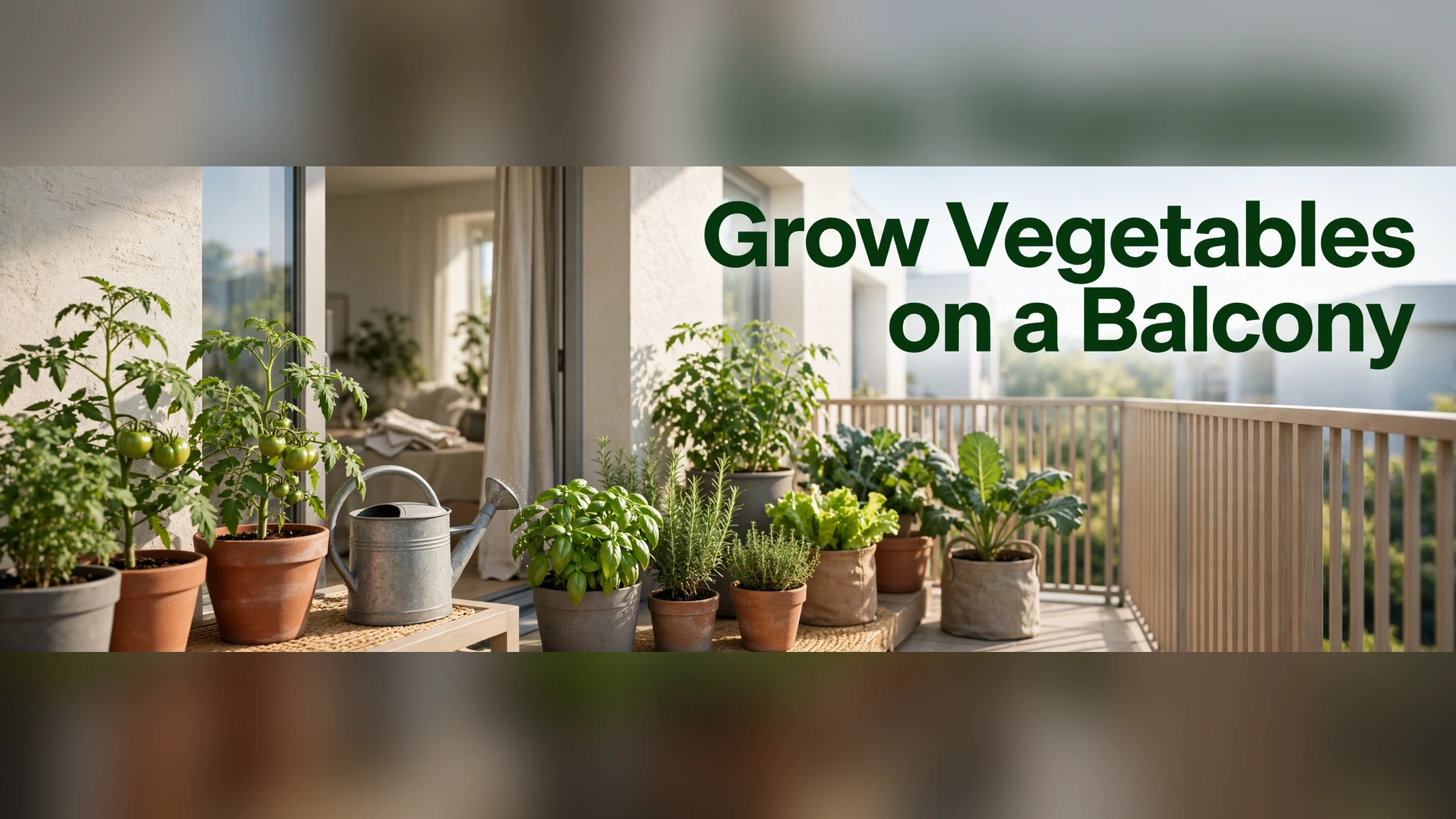
Tomatoes are the classic balcony crop, and for good reason. Cherry tomatoes, in particular, grow well in large pots, produce heavily, and taste far better fresh than shop-bought. Choose a compact or determinate variety for small balconies, provide a stake or cage, pinch out side shoots for indeterminate varieties if advised on the seed packet, and feed regularly once flowers appear. Tomatoes need sun, consistent watering and support, but they reward care generously.
Lettuce and salad leaves are ideal for beginners and small spaces. They grow quickly, often ready in four to six weeks, tolerate partial shade, and can be harvested leaf by leaf, so one pot keeps producing. Sow small amounts every two to three weeks for a continuous supply, rather than sowing everything at once. Keep soil moist, protect from hot afternoon sun in very warm climates, and harvest in the morning for crisp leaves.
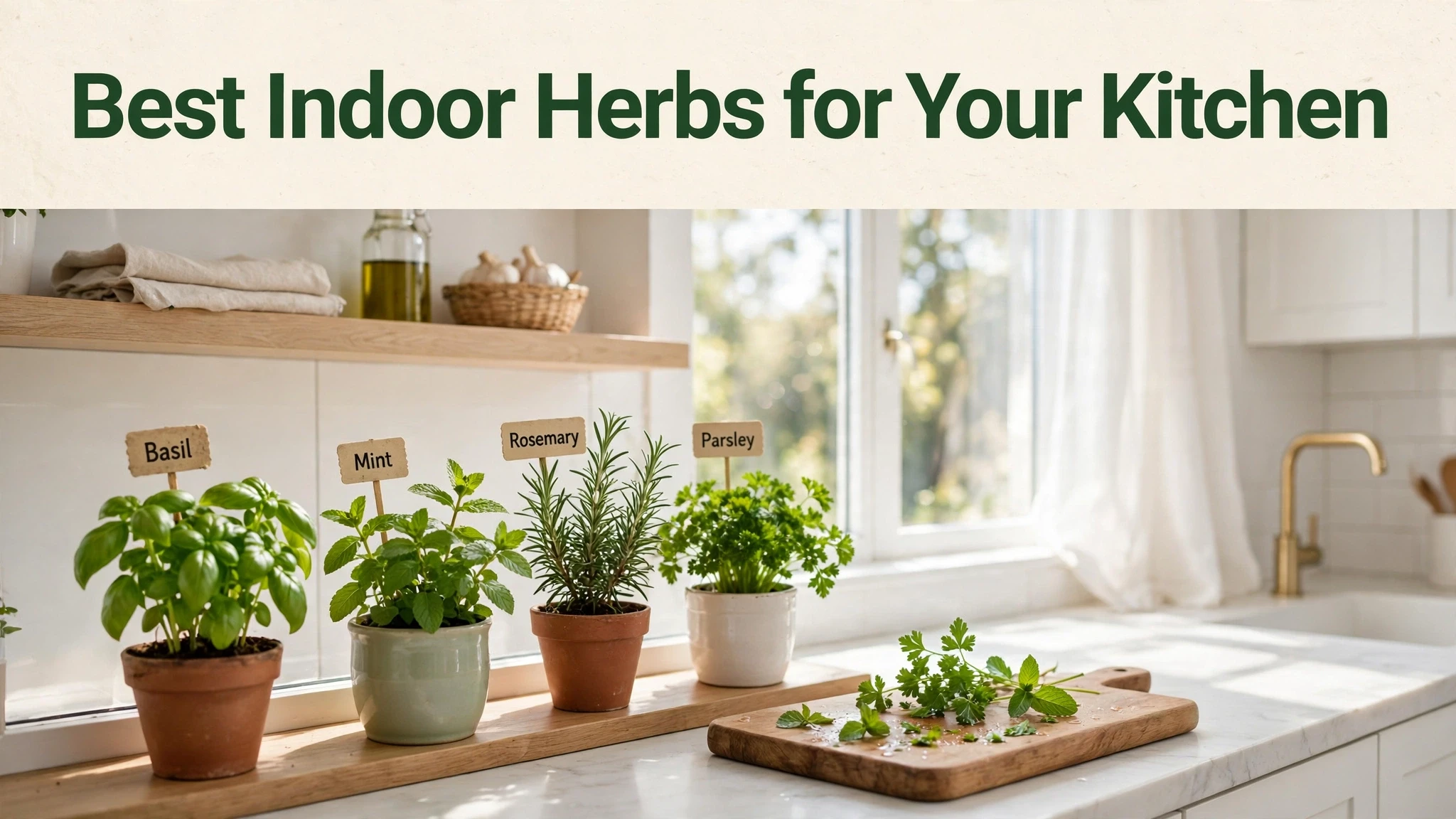
Herbs are the most useful balcony crop for daily cooking. Basil, mint, parsley, chives, coriander and rosemary all grow well in pots. Mint should always be grown in its own pot, because it spreads aggressively and will take over shared containers. Basil loves sun and warmth, parsley tolerates shade, and rosemary prefers drier soil and good drainage. Fresh herbs transform simple meals, and they are expensive to buy regularly, so growing them saves money quickly.
Other excellent balcony vegetables include radishes, which mature in about four weeks and suit shallow pots, spring onions, which grow in small spaces and regrow after cutting, chillies and peppers, which love sun and pots, beans, especially dwarf French beans that need no tall support, and courgettes, which need a very large pot but produce heavily. Potatoes can also grow in grow bags, although they need depth and regular watering. Start with three or four crops you actually eat, rather than ten you may neglect.
Seeds, Seedlings and Timing Through the Seasons
Beginners can start with either seeds or young seedlings from a garden centre. Seeds are cheaper and offer more varieties, but they need care, warmth and patience to germinate. Seedlings are easier and faster, especially for tomatoes, peppers and herbs, although choice is more limited and cost is higher. A good beginner strategy is to buy seedlings for slow or tricky crops, and sow seeds for fast crops such as lettuce, radish and spring onions.
Timing depends on your climate, and seed packets give local guidance for sowing and planting dates. In general, start warm-season crops such as tomatoes, peppers and cucumbers after the last frost in your area, when nights are reliably mild. Start cool-season crops such as lettuce, spinach, peas and radishes in cooler months, or in spring and autumn in hot climates, where summer heat can make them bolt, meaning they flower early and become bitter.
Keep a simple notebook or phone note of what you planted, when, and how it grew. That record becomes invaluable next season, because you will know which varieties suited your balcony, which pots dried out fastest, and which crops you actually harvested and enjoyed. Balcony gardening improves quickly with one season of notes, far faster than with guesswork alone.
Pests, Problems and Organic Balcony Care
Balcony gardens usually have fewer pests than ground gardens, because they are isolated, but aphids, whitefly, slugs and caterpillars can still appear. Check leaves regularly, especially undersides, and remove pests by hand, spray with plain water, or use insecticidal soap where allowed and labelled safe for edible crops. Avoid harsh chemical sprays on food plants unless you understand the product, waiting period and safety rules, because balcony crops are eaten fresh and often.
Common problems include yellowing leaves from overwatering or nutrient deficiency, wilting from underwatering or root damage, blossom end rot on tomatoes from inconsistent watering and calcium uptake issues, and leggy seedlings from insufficient light. Most problems improve with consistent watering, correct pot size, good light and regular feeding, rather than with a miracle product. Remove badly diseased leaves, improve air circulation by spacing pots, and avoid overcrowding, which traps humidity and encourages fungal disease.
Wind is a special balcony problem. High balconies can be very windy, which dries soil, breaks stems and topples pots. Use heavy pots or secure light pots, provide stakes and ties for tall plants, create a windbreak with a trellis or railing screen where allowed, and choose compact varieties for exposed balconies. Always secure pots so they cannot fall from a balcony, because falling pots are a serious safety hazard for people below. Check building rules about railings, hanging pots and weight before installing anything outside the railing.
Harvesting, Succession and Keeping the Garden Going
Harvest little and often for most balcony vegetables. Pick lettuce leaves from the outside, cut herbs regularly to encourage bushy growth, pick tomatoes when fully coloured and slightly soft, and harvest beans, courgettes and chillies before they grow too large and tough. Regular picking encourages plants to produce more, while leaving overripe fruits on the plant can slow further production.
Succession planting keeps a small balcony productive. When a pot of lettuce finishes, replace it with radishes or spring onions. When spring peas finish, plant beans or herbs in the same pot with fresh mix. Sow salad leaves every few weeks for a steady supply, rather than a single large harvest that wilts before you can eat it. Even a tiny balcony can produce fresh salads for months with this rhythm.
At the end of a season, clean pots, remove dead plants, refresh or replace old potting mix, and store pots safely. Do not reuse diseased soil for the same crop family without refreshing it, because pests and diseases can persist. A clean start each season, with fresh mix and a simple plan, prevents many problems and makes balcony gardening feel enjoyable rather than overwhelming.
Balcony Garden Layouts, Vertical Growing and Small-Space Design
A well-designed balcony garden uses vertical space as much as floor space, because floor area is limited while wall and railing space often goes unused. Trellises, wall-mounted planters, hanging pots and tiered shelves can hold herbs, strawberries, lettuce and trailing plants without crowding the floor. Climbing beans, peas and cucumbers grow upwards on a trellis, producing a large harvest from a single pot at the base, provided the trellis is secure and does not overload the railing. Always check building rules before fixing anything to walls or railings, and never hang heavy pots where they could fall.
Companion planting, the practice of growing certain plants together for mutual benefit, can help in small spaces, although claims should be kept realistic. Tall tomatoes can provide light shade for lettuce in hot climates, basil is traditionally grown near tomatoes and is useful in cooking, and marigolds are often planted near vegetables to attract pollinators and deter some pests, although they are not a guaranteed pest solution. More important than companion charts is practical grouping: place plants with similar water and sun needs together, so watering and care are simpler, and avoid overcrowding, which causes disease and competition for light.
Layout should also leave room for you. A balcony garden that blocks the door, the chair, or the drying rack will quickly become a nuisance, however productive it is. Leave a clear path, keep watering cans and tools tidy, and design the garden around how you actually use the balcony: morning coffee, evening reading, laundry drying, or children’s play. A garden that fits daily life will be tended daily, while a garden that obstructs daily life will be neglected, however beautiful it looked on planting day.
For very small balconies, a single railing planter with herbs, a large pot with a cherry tomato, and a window box with lettuce can be a complete, satisfying garden. For larger balconies, zones work well: a sunny zone for fruiting crops, a shadier zone for leafy crops, a herb zone near the kitchen door for easy picking, and a seating zone where you can enjoy the garden. Photograph your layout each season, note what worked, and adjust gradually, because a balcony garden is a design that improves with experience, not a one-time installation.
My Take:
My view is that balcony gardening is valuable far beyond the vegetables themselves. It teaches patience, observation and care in a small, daily way. You check soil, notice a new leaf, taste a tomato you grew yourself, and suddenly you understand food, seasons and weather in a way that shopping never teaches. That connection matters, especially for people living in cities who rarely see where food comes from.
I also believe beginners should start small and succeed, rather than start big and feel defeated. Three pots, well watered and well placed, will teach you more and give you more pleasure than twenty pots neglected in a busy week. Success builds confidence, and confidence leads to a bigger garden next season, chosen with knowledge rather than enthusiasm alone.
Another point I feel strongly about is safety and neighbourliness. A balcony garden should never endanger people below, overload a structure, or block shared spaces. Secure pots, respect building rules, water carefully so you do not flood a neighbour’s balcony, and share surplus herbs or tomatoes when you can. A garden that is safe and generous becomes a joy for a whole building, not only for one flat.
Finally, I think balcony vegetables taste better not because of magic, but because of freshness and attention. A tomato picked warm from your own pot, a handful of basil torn into pasta, or lettuce cut minutes before a meal, carries a flavour that travel and storage dull. That freshness, plus the small daily ritual of caring for living plants, is the real harvest of balcony gardening, and it is available to anyone with a little sun, a pot and a willingness to water.
I also think balcony gardening teaches a valuable lesson about failure. Plants die, seeds fail, pests arrive, and a heatwave can ruin a month of care in a few days. That failure feels personal at first, especially for beginners who followed every instruction, but it is normal in gardening, and it is not a judgement on the gardener. Weather, seed quality, soil variation and unseen pests all play a role, and even experienced gardeners lose plants every season. The useful response is to ask what happened, adjust one thing, and try again, rather than abandoning the garden or buying expensive products in panic. Gardening rewards resilience more than perfection.
Another reflection is on children and balcony gardens. A child who sows a radish seed, waters it daily, and eats the result a month later learns more about food, patience and nature than any lesson alone can teach. Balcony gardens are ideal for children because they are small, visible and safe, with no large tools or distant fields. Give a child their own pot, let them choose one crop, and accept that their watering may be uneven and their harvesting enthusiastic. The goal is not a perfect crop. It is a child who understands that food grows, takes time, and tastes better when you have cared for it yourself.
I would also encourage sharing. A balcony garden rarely produces enough to feed a family completely, but it often produces more herbs, lettuce or tomatoes than one household can eat at peak harvest. Sharing that surplus with neighbours, friends or family builds community, reduces waste, and turns a private hobby into a social pleasure. A small bag of fresh basil, a few homegrown tomatoes, or a pot of mint given to a neighbour can start conversations, exchanges of tips and seeds, and even shared watering help during holidays. In apartment buildings where neighbours may barely know each other, a balcony garden can be a quiet bridge.
Finally, I believe balcony gardening is a hopeful act in a world of screens, speed and convenience. It slows you down for ten minutes a day, puts your hands in soil, connects you to weather and seasons, and produces something real you can eat. That daily ritual, repeated through a season, can improve mood, encourage healthier eating, and give a sense of achievement that has nothing to do with productivity or profit. Whether your balcony is large or tiny, sunny or shaded, a few pots, tended with care, can turn an ordinary outdoor space into a small, living garden, and that transformation, repeated in millions of flats around the world, is quietly remarkable.
Another practical topic is saving money with a balcony garden, because beginners often spend more on pots, soil and plants than they save on vegetables in the first season. That is normal, and it should not discourage you, because pots and tools last for years, while harvests repeat each season. To keep costs sensible, start with a few pots, reuse containers safely with drainage holes added, buy seeds rather than many seedlings, share plants and cuttings with neighbours, and grow expensive, frequently used crops such as herbs, salad leaves and cherry tomatoes, rather than cheap, bulky crops such as potatoes that need large space. Track spending and harvest roughly for one season, not to turn gardening into accounting, but to learn which crops truly save money for your household and which are grown mainly for pleasure, which is also a valid reason.
I also think about balcony gardening and mental health, with appropriate care not to overclaim. Many gardeners report that daily watering, sunlight, fresh air and contact with plants reduce stress and improve mood, and research on gardening and wellbeing is broadly supportive, although individual experiences vary and gardening is not a treatment for serious mental health conditions. For people who work from home, live alone, or spend most of the day indoors, a balcony garden offers a reason to step outside, a routine that follows seasons rather than screens, and a small, visible result of care. Those benefits are real, even when harvests are modest, and they deserve mention alongside practical advice about soil and sun.
Finally, I would encourage gardeners to think about pollinators and wildlife, even on a high balcony. Herbs left to flower, marigolds, nasturtiums and a small pot of lavender can attract bees and butterflies, which also help pollinate tomatoes, beans and courgettes. Avoiding harsh pesticides on edible crops protects those pollinators, and leaving a small dish of water for birds in hot weather, where building rules allow, can support urban wildlife. A balcony garden that feeds people, supports pollinators and brings a little green into a concrete building is a small act with wider value, and that wider value is a good reason to keep gardening, season after season, even when a crop fails or a summer is difficult.
Frequently Asked Questions
How much sunlight do balcony vegetables need?
Most fruiting vegetables need at least six hours of direct sun daily, while leafy greens and many herbs grow well with four to five hours. Observe your balcony’s sun pattern before choosing crops, and match plants to your light.
What size pots do I need for balcony vegetables?
Tomatoes, peppers and cucumbers need large pots of at least 20 to 30 litres, while lettuce, herbs, radishes and spring onions grow well in smaller pots and window boxes, provided drainage and regular watering are good.
How often should I water balcony vegetables?
Check soil daily in warm weather and water when the top two to three centimetres feel dry, watering thoroughly until drainage appears. Pots dry faster than garden beds, so hot, sunny balconies may need daily watering in summer.
What are the easiest vegetables to grow on a balcony?
Cherry tomatoes, lettuce, salad leaves, herbs such as basil and mint, radishes, spring onions, chillies and dwarf French beans are among the easiest and most rewarding for beginners in pots.
Can I grow vegetables on a shady balcony?
Yes, with the right crops. Lettuce, spinach, herbs, radishes and spring onions tolerate partial shade better than tomatoes and peppers, which need strong sun to fruit well. Place pots where light is strongest.
Is balcony gardening safe for the building?
Yes, if you respect weight limits, secure pots so they cannot fall, avoid overloading railings, use proper drainage, and follow building rules. Wet soil is heavy, so check limits and use lighter pots where needed.