Why We Forget Everyday Things
In this post
- Normal Ageing: Fewer Connections, Slower Processing
- Occasional Or Disabling: The Key Distinction
- The Common Culprits: Names, Dates, And Keys
- Why Dates Slip Away
- Sleep, Stress, And The Chemistry Of Forgetting
- How Stress Steals Memory
- When Depression Looks Like Memory Failure
- When Forgetting Is More Than Everyday: Warning Signs
- What Helps: Attention, Routine, And A Healthy Brain
- Practical Habits That Help Memory
- You may also like
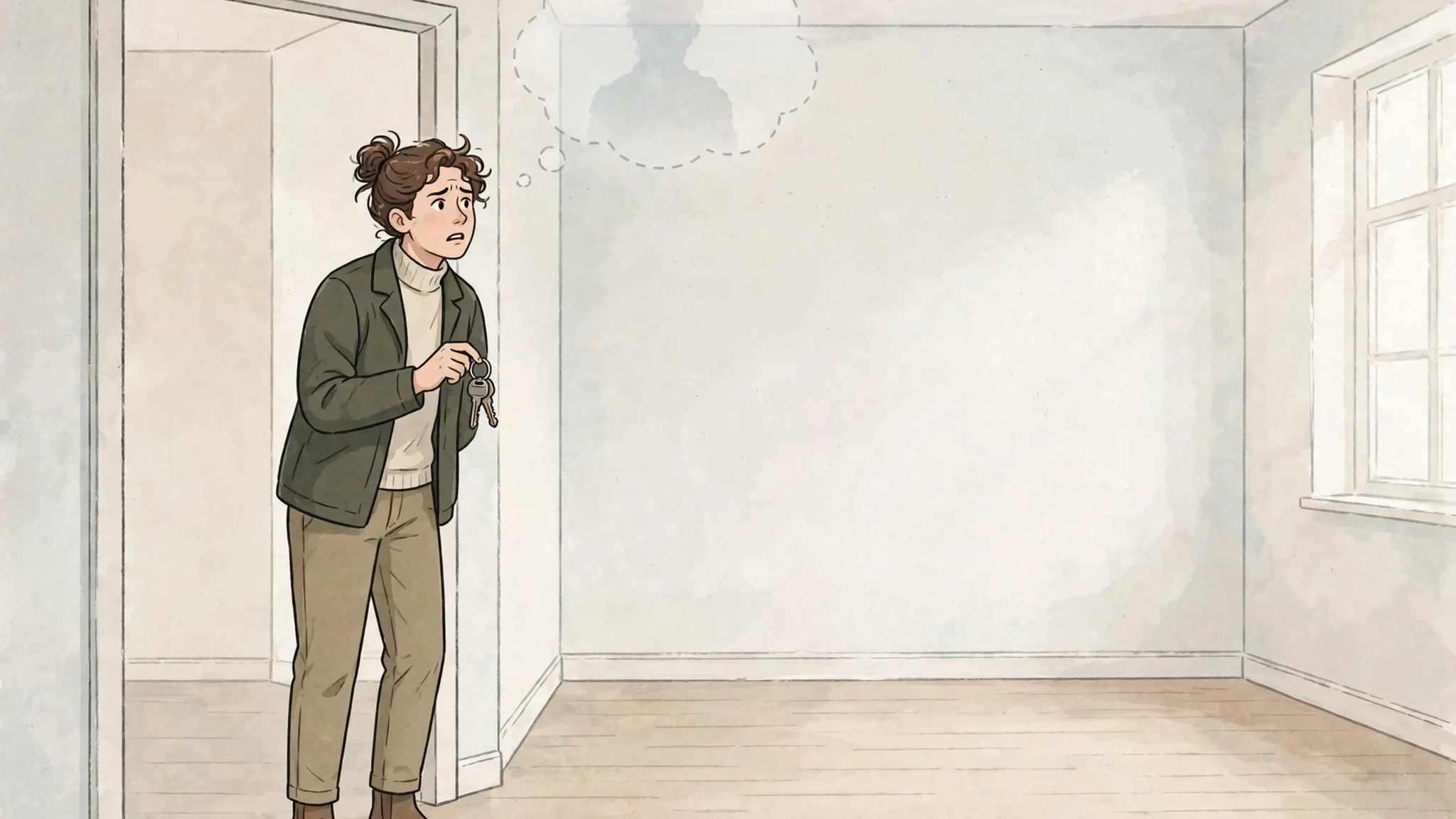
You walk into a room and stop. You know you came here for something, but the something is gone, as if the doorway erased it. You meet a person whose face you know perfectly, and whose name has vanished completely. You put your keys down somewhere safe, and the safe place is now the best-kept secret in the house. These moments are so common that we joke about them, and so unsettling that we also fear them: is this normal, or is something wrong with my brain? For most people, most of the time, the answer is reassuring. Occasional forgetfulness is a normal part of ageing, and it happens for reasons that have little to do with disease, and much to do with how memory works, and how life interferes with it.
Memory is not a video recording. It is a process of noticing, keeping, and finding, and each step can fail in its own way. To remember something later, you must first notice it, paying enough attention for it to register. Then you must keep it, storing it in a way that lasts. Then you must find it again, retrieving it when you need it. Forgetting can happen at any step: you never noticed in the first place, you noticed but did not store it well, or you stored it but cannot find it now, although it is still there. Understanding which step failed explains most everyday forgetting, and points to what helps.
Normal Ageing: Fewer Connections, Slower Processing
As we age, the brain changes in ways that affect memory, even in healthy people with no disease. The brain forms fewer new connections between its cells, and it processes information more slowly, which makes it harder to learn new things quickly, to hold several things in mind at once, and to retrieve stored information on demand. These changes are gradual, they begin in middle age for many people, and they are normal, in the same way that joints stiffen and eyesight changes with age. They are not, on their own, a sign of dementia or disease.
What this means in daily life is specific and recognisable. Occasional forgetfulness, such as forgetting a name, a date, or where you put something, is common, and it increases with age. You may take longer to learn a new skill, a new route, or a new colleague’s name. You may need to hear something twice, or write it down, where once you would have remembered it first time. You may find that a word is on the tip of your tongue, present but unreachable, and that it arrives, unbidden, an hour later, when you no longer need it. These are the ordinary frictions of an ageing brain, and they are frustrating, but they are not, by themselves, cause for alarm.
Occasional Or Disabling: The Key Distinction
The key distinction is between occasional and persistent, and between inconvenient and disabling. Normal age-related forgetfulness is occasional: a name forgotten, then remembered later; keys misplaced, then found; an appointment missed, then rescheduled, with life otherwise continuing normally. Forgetting that disrupts daily life, that is frequent, worsening, and noticed by others as well as yourself, is different, and it deserves medical attention, as this post explains later. Most everyday forgetting falls firmly in the first group, and recognising that is the first step to worrying less about it.
The Common Culprits: Names, Dates, And Keys
Some things are forgotten far more often than others, and the pattern tells us how memory works. Names are famously hard: you may remember a person’s face, their job, where you met them, and everything they said, but not their name. Names are arbitrary labels, with no meaning to anchor them, and they are often heard once, in passing, while your attention is on the person’s face, their words, or your own introduction. A name learned without attention, without repetition, and without connection to anything else you know, is a name that will not stay.
Why Dates Slip Away
Dates are similar. A date is a number, attached to an event by convention, and numbers, without a story, are hard to retain. You may remember that a birthday is “in June” but not which day, or that an appointment is “next week” but not which hour, because the brain stores the gist, the approximate meaning, more readily than the exact detail. Keys, glasses, and phones are forgotten differently: not because they were never learned, but because putting them down is an automatic action, performed without attention, while the mind is on something else. You do not remember where you put your keys because you were not paying attention when you put them down, and no memory was formed to retrieve later.
These everyday lapses share a cause: inattention at the moment of learning. Memory begins with noticing, and modern life is full of demands on attention: conversations, notifications, worries, and multitasking, all competing for a limited resource. When attention is divided, the noticing step is weak, and the memory that follows is weak too. The remedy is not a better brain, but better attention: pause, look, say the name aloud, repeat the date, watch yourself put the keys down, and the memory, given a fair chance at the start, is far more likely to survive.
Sleep, Stress, And The Chemistry Of Forgetting
Memory is not only a matter of attention. It is also a matter of the body’s condition, and several common, treatable factors can make forgetting much worse. Poor sleep is one of the most important. Sleep is when the brain consolidates memories, strengthening the connections formed during the day and transferring important information into longer-term storage. A night of poor sleep, or a pattern of short, disrupted sleep, impairs that consolidation, and the result is a day of foggy recall, in which names, dates, and intentions slip away more easily. Sleeping well is not a luxury for memory. It is part of how memory is made.
How Stress Steals Memory
Stress has a similar effect, through different means. When you are stressed, anxious, or low in mood, your attention narrows to the source of the stress, and less attention is available for noticing and storing new information. Stress hormones also interfere directly with the brain’s memory systems, making it harder to form new memories and harder to retrieve old ones. A person under sustained stress may feel that their memory is failing, when in fact their attention and their brain chemistry are both working against memory formation, and the forgetting lifts when the stress lifts, or is treated.
Medicines and alcohol can also affect memory. Some medicines list forgetfulness or confusion as side effects, and taking several such medicines together can compound the effect. Alcohol, even in moderate amounts, impairs the formation of new memories, which is why a night of heavy drinking is often followed by gaps in recall, and why regular heavy drinking is associated with persistent memory problems. If forgetting began after starting a new medicine, or increased with alcohol use, those are important clues to discuss with a doctor, because both causes are treatable, by adjusting the medicine or reducing the drinking, under medical guidance.
When Depression Looks Like Memory Failure
Depression, too, can masquerade as memory failure. A person who is depressed may report poor memory, difficulty concentrating, and a sense that their mind is blank, when the primary problem is mood, not memory. Treating the depression often restores the memory, because the attention and energy that memory requires return with the mood. The lesson is general: forgetting is often a symptom, not a disease, and finding the cause, sleep, stress, medicines, alcohol, or mood, is more useful than blaming the brain itself.
When Forgetting Is More Than Everyday: Warning Signs
Most forgetting is normal, but some patterns deserve prompt medical attention, because they may signal a condition that needs diagnosis and treatment. The distinction is not any single lapse, but a pattern: forgetting that is frequent, that is getting worse over time, that interferes with daily life, and that is noticed by family or friends as well as by yourself. If you repeatedly ask the same questions, get lost in familiar places, struggle to follow conversations or instructions, have trouble managing money or medicines, or find that forgetting is affecting your work, your relationships, or your safety, see a doctor.
A doctor will ask about the pattern, review medicines, check for depression, sleep problems, and other treatable causes, and may arrange further testing, depending on what is found. The purpose is not to frighten, but to find causes that can be treated, and to give a clear picture of what is happening, rather than leaving the person and their family to worry in the dark. Early assessment matters, because some causes of memory problems are reversible when treated, and because for conditions that are not reversible, early support, planning, and treatment help more than late discovery.
It is also important not to delay through fear or embarrassment. Many people avoid raising memory concerns, worried about what a diagnosis might mean, or convinced that nothing can be done. In fact, much can be done, for many causes, and even when the news is difficult, knowing allows planning, support, and choices that are far harder to make in uncertainty. A memory concern raised early is a problem that can be worked on. A memory concern hidden until crisis is a problem that has already caused harm.
What Helps: Attention, Routine, And A Healthy Brain
The same steps that support general health support memory, and they are within most people’s reach. Exercise regularly: physical activity increases blood flow to the brain, supports the growth of new connections, and improves sleep and mood, all of which help memory. Eat a balanced diet, rich in vegetables, fruits, whole grains, and healthy fats, and limit alcohol. Sleep well, aiming for a regular schedule and enough hours, and treat sleep problems that fragment sleep. Stay socially and mentally active: conversations, learning, reading, puzzles, and new skills all exercise the brain’s memory systems, and social connection protects against the isolation that worsens both mood and memory.
Practical Habits That Help Memory
Practical habits help as much as general health. Use external aids without shame: calendars, lists, reminders, and a single, consistent place for keys, glasses, and wallet remove the burden from memory and free attention for what matters. When meeting someone new, repeat their name aloud, connect it to something you know, and use it in conversation, to give the noticing step a fair chance. When you need to remember a task, say it aloud, write it down, or link it to an existing routine, rather than trusting a divided attention to hold it. When you walk into a room and forget why, retrace your steps, physically or mentally, to the place where the intention was formed: context is a powerful cue, and returning to it often restores the memory.
Above all, be patient with yourself, and with others who forget. Memory is not a test of worth, and forgetting a name or a date is not a failure of character. It is a normal feature of a brain that must choose, every moment, what to notice, what to keep, and what to let go, in a world that offers far more to notice than any brain can hold. The goal is not perfect recall, which no one has, but a memory that serves daily life, supported by attention, routine, sleep, health, and, when needed, medical help. Most everyday forgetting is normal, most of it is manageable, and all of it is easier to bear when it is understood, rather than feared.
You may also like
Frequently Asked Questions
Why do we forget everyday things like names and keys? Because memory begins with noticing, and names, dates, and automatic actions like putting down keys are often registered with divided or minimal attention, so no strong memory is formed to retrieve later. Names are arbitrary labels with no meaning to anchor them, dates are numbers without a story, and keys are put down automatically while the mind is elsewhere. As we age, the brain also forms fewer new connections and processes information more slowly, making it harder to learn quickly and retrieve on demand. Pausing, repeating a name aloud, and watching yourself put something down give memory a fair chance at the start.
Is forgetting part of normal ageing? Yes, occasional forgetfulness is a normal part of ageing. The brain forms fewer new connections and processes information more slowly with age, making it harder to learn new things quickly, hold several things in mind, and retrieve stored information on demand. Forgetting a name, a date, or where you put something, occasionally, and remembering it later, is common and increases with age. It is not, on its own, a sign of dementia: the key distinction is between occasional, inconvenient lapses and frequent, worsening forgetting that interferes with daily life.
Can poor sleep and stress make memory worse? Yes, both have strong effects. Sleep is when the brain consolidates memories, strengthening connections formed during the day, so poor or short sleep impairs consolidation and leaves recall foggy. Stress narrows attention to the source of stress, leaving less attention for noticing and storing new information, and stress hormones interfere directly with the brain’s memory systems. Medicines, alcohol, and depression can also worsen forgetting, and all of these causes are worth discussing with a doctor, because they are treatable.
When should I see a doctor about forgetting? See a doctor if forgetting is frequent, getting worse over time, interferes with daily life, and is noticed by family or friends as well as yourself. Warning signs include repeatedly asking the same questions, getting lost in familiar places, struggling to follow conversations or instructions, and having trouble managing money or medicines. A doctor can review medicines, check for depression, sleep problems, and other treatable causes, and arrange testing if needed, and early assessment matters because some causes are reversible when treated.
What can I do to remember better? Exercise regularly, eat a balanced diet, sleep well on a regular schedule, and stay socially and mentally active, since all of these support the brain’s memory systems. Use practical aids without shame: calendars, lists, reminders, and one consistent place for keys, glasses, and wallet. When learning a name, repeat it aloud and connect it to something you know; when you forget why you entered a room, retrace your steps to where the intention was formed, since context is a powerful cue. Be patient with yourself: the goal is a memory that serves daily life, not perfect recall, which no one has.
Sources
- Harvard Health Publishing, Harvard Medical School, “Is occasional forgetfulness a normal part of aging?”: https://www.health.harvard.edu/brain-health/is-occasional-forgetfulness-a-normal-part-of-aging