Why We Sneeze So Often
In this post
- The Reflex: How A Sneeze Is Built
- Why Sneezes Come In Bursts
- Dust, Pollen, And The Air We Breathe
- Air Pollution And Sneezing
- Colds, Flu, And Infections
- Sneezing Is Not Coughing
- The Photic Sneeze: Sneezing At Bright Light
- A Harmless Wiring Quirk
- Eyebrows, Spicy Food, And Other Strange Triggers
- How Often Is Normal, And When To See A Doctor
- You may also like
It arrives without warning, takes over your whole body for a second, and leaves you blinking, sometimes with tears in your eyes, sometimes with a second and a third following close behind. A sneeze is one of the most violent things the body does routinely: a sudden, explosive expulsion of air from the nose and mouth, at a speed that would earn a fine on most roads, carrying with it whatever was irritating the inside of your nose. And it is entirely involuntary. You cannot decide to sneeze, and once it has started, you cannot decide to stop it. Why do we sneeze, why do we sneeze so often, and why do some people sneeze in bursts, or sneeze at bright light, or sneeze when they pluck an eyebrow? The answer is a reflex, older than thought, designed to protect the lungs by clearing the nose, and triggered by more things than most people realise.
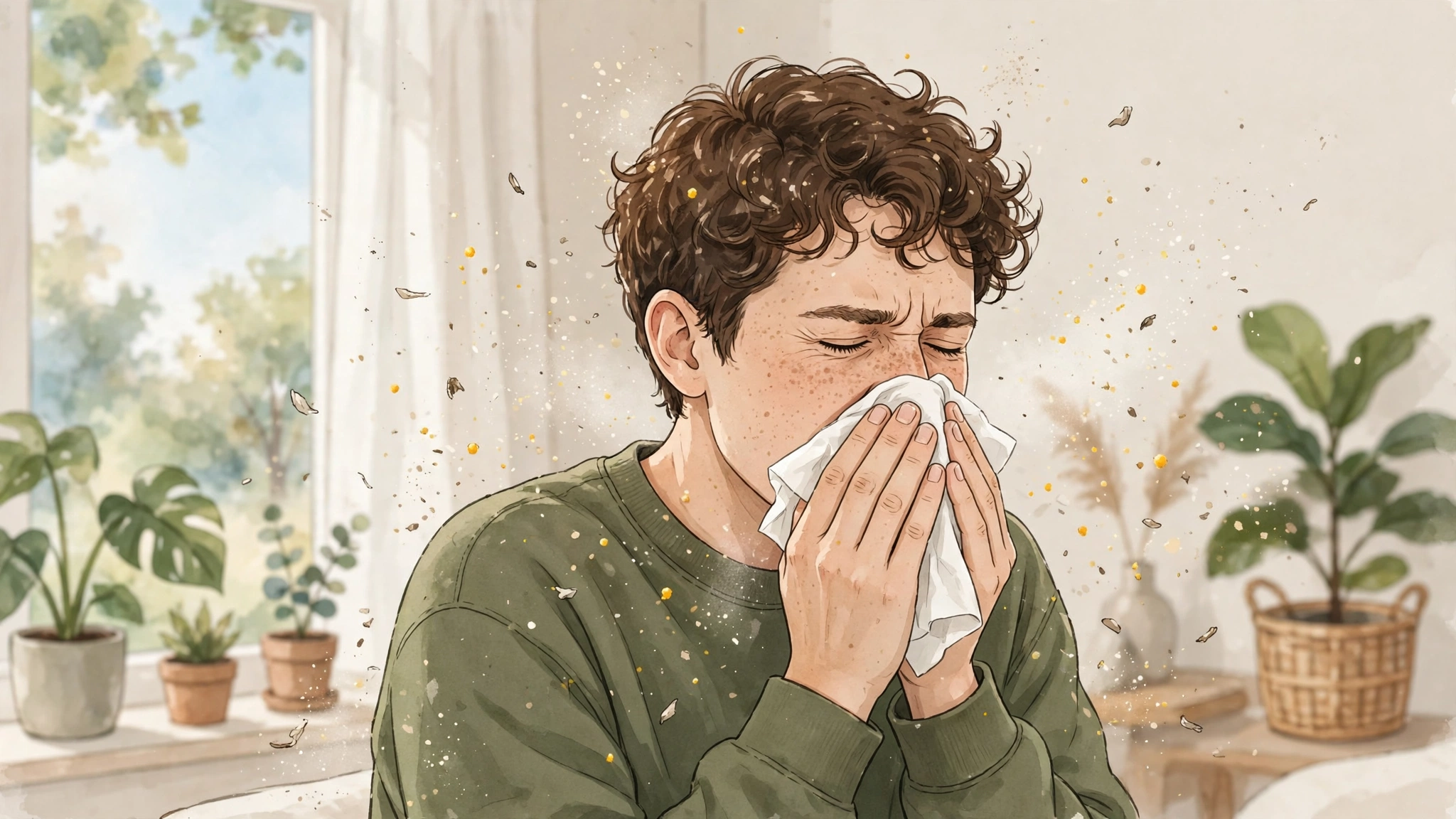
Sneezing is a reflex that clears irritants from the nose. When something irritates the lining of the nose, the lining the medical word for which is the nasal mucosa, nerves send a signal to the brain, and the brain orders a sneeze: a deep breath in, a closing of the eyes, and then a forceful blast of air out through the nose and mouth, carrying mucus, dust, and whatever else was causing the irritation. The purpose is protection. The nose is the gateway to the lungs, and anything that gets past the nose can reach the lungs, where it can do real harm. Sneezing is the nose’s way of evicting intruders before they travel further.
The Reflex: How A Sneeze Is Built
A sneeze is not a single action but a coordinated sequence, involving muscles from the abdomen to the eyelids, and it happens too fast to control consciously. First, the irritant triggers sensory nerves in the nose, which send a signal to the sneeze centre in the brainstem, the ancient part of the brain that controls reflexes. The brainstem then coordinates the response: the eyes close, because the same nerves that serve the nose also serve the eyes, and closing them protects them from the blast; the chest and abdomen contract; and air is expelled, violently, through the nose and mouth, at high speed, carrying the irritant out with it.
The eyes close reflexively during a sneeze, as part of the same coordinated response, which also protects them from the blast of air.
Why Sneezes Come In Bursts
After a sneeze, the nose is, briefly, clearer. The mucus that trapped the irritant has been expelled, the lining has been cleared, and the airway is open again. But if the irritant remains in the air, or if the cause is an infection or allergy that keeps producing irritation, the reflex will fire again, and again, in a burst. Sneezing in twos and threes, or more, is normal, and it reflects the persistence of the cause, not a fault in the reflex. The nose keeps sneezing until the job is done, or until the irritant is gone.
Dust, Pollen, And The Air We Breathe
The most common causes of sneezing are the particles in the air around us. Dust, pollen, and other airborne irritants enter the nose with every breath, and the nose’s job is to trap them in mucus before they reach the lungs. When the load is heavy, or when a particle reaches a sensitive spot, the sneeze reflex fires, clearing the nose in one explosive blast. This is why sneezing is more common in dusty rooms, on windy days when pollen is in the air, during spring when many plants release pollen, and in environments with smoke, strong smells, or chemical fumes.
Allergies make the reflex far more sensitive. In an allergic person, the immune system overreacts to a normally harmless substance, such as pollen, dust mites, or animal dander, treating it as a threat, and producing inflammation in the nose, with sneezing, itching, a runny nose, and congestion. Allergic sneezing is often accompanied by itchy eyes, an itchy nose or throat, and a clear, watery discharge, and it recurs whenever the allergen is present, seasonally for pollen, or year-round for dust mites and pets. It is not an infection, and it is not contagious, but it can be miserable, and for some people, it disrupts sleep, work, and daily life, which is when medical advice is worth seeking.
Air Pollution And Sneezing
Air pollution adds to the load. Fine particles in polluted air, including PM2.5, particles smaller than 2.5 micrometres, and PM10, particles smaller than 10 micrometres, along with gases such as carbon monoxide, irritate the nose and airways and can trigger sneezing, especially in people who are already sensitive. In cities with heavy traffic, construction dust, or industrial emissions, sneezing may be a response to the air itself, not to any single allergen, and reducing exposure, by staying indoors on high-pollution days, using air filtration, or wearing a mask outdoors, can reduce it. The nose is a sensor, and in polluted air, it senses trouble, and sneezes accordingly.
Colds, Flu, And Infections
Infections are another major cause of sneezing, and they work differently from allergies. When a virus, such as a cold virus, infects the nose, it inflames the lining, increases mucus production, and sensitises the nerves, making the sneeze reflex fire more easily. Sneezing in a cold is the body’s attempt to clear virus-laden mucus, and it also, unfortunately, spreads the virus to others, in droplets expelled at speed, which is why covering a sneeze, with a tissue or an elbow, and washing hands afterwards, matters so much during an infection.
Sinus infections, in which the sinuses, the air-filled cavities around the nose, become inflamed and filled with mucus, also cause sneezing, along with facial pain, pressure, congestion, and thick discharge. A sinus infection may follow a cold, when mucus blocks the drainage of the sinuses and bacteria grow in the trapped fluid, or it may arise from allergies that keep the sinuses inflamed. Sneezing from a sinus infection is often accompanied by other symptoms that point to the sinuses, rather than the nose alone, and persistent sinus symptoms, lasting more than ten days, or returning repeatedly, deserve medical assessment.
Sneezing Is Not Coughing
It is important to distinguish sneezing from coughing, although both are expulsive reflexes that clear the airways. Sneezing clears the nose. Coughing clears the throat and lungs. A cold may cause both, as infection affects the whole upper airway, but a sneeze that is frequent, forceful, and unaccompanied by other cold symptoms is more likely to be allergy or irritation, while a sneeze accompanied by a sore throat, fever, and body aches is more likely to be infection. The company a sneeze keeps tells you much about its cause.
The Photic Sneeze: Sneezing At Bright Light
About a quarter of people, roughly 25 percent, sneeze when they step into bright light, especially bright sunlight, after being indoors. This is the photic sneeze reflex, sometimes called the ACHOO syndrome, an acronym for Autosomal Dominant Compelling Helio-Ophthalmic Outburst, a name that is almost as remarkable as the reflex itself. It is inherited: if one parent has it, each child has about a 50 percent chance of inheriting it, because the trait follows an autosomal dominant pattern, passed through a gene that is not on a sex chromosome, and that expresses itself even when only one copy is present.
Why bright light should make anyone sneeze is not fully understood, but the leading explanation involves crossed wires. The nerve that constricts the pupils in bright light, the optic nerve, runs close to the nerve that serves the nose, the trigeminal nerve, and in people with the photic reflex, the signal to constrict the pupils is thought to spill over, triggering the sneeze centre as well. The brain, receiving a strong light signal, misreads part of it as a nasal irritation signal, and orders a sneeze. It is a wiring quirk, harmless, and, for those who have it, a familiar experience: stepping out of a dark building into sunlight, and sneezing, once, twice, or three times, before the eyes adjust.
A Harmless Wiring Quirk
The photic sneeze is not an allergy, and it is not a sign of illness. It does not mean the person is sensitive to light in a harmful way, and it does not require treatment, unless it causes a problem, such as sneezing while driving into bright sunlight, in which case sunglasses, which reduce the light signal, usually prevent it. It is a reminder that the body’s reflexes are not perfectly separated systems, but networks of nerves that run close together, share pathways, and occasionally cross signals, with results that are strange but harmless.
Eyebrows, Spicy Food, And Other Strange Triggers
Bright light is not the only strange trigger. Plucking eyebrows can make some people sneeze, because the nerve that serves the eyebrow area, a branch of the trigeminal nerve, also serves the nose, and stimulating it can trigger the sneeze reflex, just as bright light does. The effect is similar: a signal in one branch of a shared nerve is misread as a signal in another branch, and the brain orders a sneeze. It is harmless, if surprising, and it stops when the plucking stops.
Other triggers include strong smells, such as perfume, which can irritate the nose directly, and spicy food, which can cause sneezing and a runny nose in some people, through a related reflex involving the nerves of the nose and mouth. Cold air can trigger sneezing, by irritating the nasal lining and causing it to produce more mucus, and sudden temperature changes, such as stepping from warm indoors into cold outdoors, can have the same effect.
Medicines can also cause sneezing, as a side effect, and nasal polyps, small, soft growths in the nose, can cause persistent sneezing by blocking airflow and irritating the lining. The variety of triggers reflects the variety of inputs to the sneeze centre: the nose, the eyes, the mouth, the skin of the face, and the airways all send signals to the same brainstem centre, and any strong signal, from any of them, can tip the balance toward a sneeze. The reflex is a general-purpose clearer, and it responds to many kinds of stimulation, not only to dust and pollen.
How Often Is Normal, And When To See A Doctor
How often do people sneeze, normally? There is no single normal number, because sneezing depends on exposure, sensitivity, and health, but on average, people sneeze about four times a day, according to some estimates, with wide variation: some people sneeze rarely, others sneeze in bursts many times a day, and both can be normal, depending on their environment and their individual sensitivity. A person with allergies, in pollen season, may sneeze dozens of times a day, while a person in clean air, without allergies, may go days without sneezing. Frequency alone does not indicate illness.
See a doctor if sneezing disrupts your life: if it is persistent or severe, or if it interferes with sleep, work, or daily activities. Most sneezing is harmless, and most causes are manageable, with allergen avoidance, medication for allergies, or treatment of an underlying sinus problem, but persistent, disruptive sneezing should not be ignored, because it may signal a condition that needs treatment.
For most people, the practical advice is simple. Reduce exposure to known triggers: keep windows closed on high-pollen days, use air filtration indoors, clean dusty rooms regularly, and avoid strong perfumes and smoke if they trigger sneezing. Cover sneezes with a tissue or elbow, dispose of tissues, and wash hands, especially during infections, to avoid spreading illness. And if sneezing is frequent and disruptive, seek medical advice, rather than accepting it as inevitable: allergies, sinus problems, and other causes can be treated, and life without constant sneezing is a reasonable goal.
Sneezing is a reflex, fast, forceful, and involuntary, designed to clear the nose and protect the lungs, triggered by dust, pollen, infections, pollution, bright light in about a quarter of people, eyebrow plucking, strong smells, and many other stimuli, all feeding into the same brainstem centre. It is normal to sneeze about four times a day on average, and to sneeze in bursts when the cause persists. Most sneezing is harmless, a sign that the nose is doing its job, and the correct response is usually to let it happen, to cover it, and to address the cause, whether that is an allergen, an infection, or the bright sunlight of a fine morning.
You may also like
Frequently Asked Questions
Why do we sneeze? We sneeze to clear irritants from the nose and protect the lungs. When something irritates the lining of the nose, nerves send a signal to the brain, which orders a sneeze: a deep breath in, the eyes closing, and a forceful blast of air out through the nose and mouth, carrying mucus, dust, and whatever else was causing the irritation. The nose is the gateway to the lungs, and sneezing evicts intruders before they can travel further and do harm.
Why do I sneeze when I go out in bright sunlight? About a quarter of people, roughly 25 percent, have the photic sneeze reflex, in which bright light, especially sunlight after being indoors, triggers a sneeze. The leading explanation is that the nerve that constricts the pupils in bright light runs close to the nerve that serves the nose, and the light signal spills over, triggering the sneeze centre as well. It is inherited, following an autosomal dominant pattern, it is harmless, and sunglasses, which reduce the light signal, usually prevent it.
How many times a day is it normal to sneeze? On average, people sneeze about four times a day, according to some estimates, but there is wide variation, and frequency depends on exposure, sensitivity, and health. A person with allergies in pollen season may sneeze dozens of times a day, while a person in clean air without allergies may go days without sneezing, and both can be normal. Frequency alone does not indicate illness: what matters is whether sneezing disrupts your life or is accompanied by other symptoms.
Why do I sneeze in bursts of two or three? Sneezing in twos and threes, or more, is normal, and it reflects the persistence of the cause rather than a fault in the reflex. After a sneeze, the nose is briefly clearer, but if the irritant remains in the air, or if an infection or allergy keeps producing irritation, the reflex fires again, and the nose keeps sneezing until the job is done or the irritant is gone. Bursts are the nose working thoroughly, not a sign that something is wrong.
When should I see a doctor about sneezing? See a doctor if sneezing disrupts your life, is persistent or severe, or interferes with sleep, work, or daily activities. Most sneezing is harmless, but persistent, disruptive sneezing may signal allergies, sinus problems, or another condition that can be treated.
Sources
- The Healthy, “Can’t stop sneezing? Here’s what your body is trying to tell you”: https://www.thehealthy.com/allergies/cant-stop-sneezing/