Can Humans Live On Mars
In this post
- Is There Life On Mars Already
- Where The Water Went
- Why Buried Ice Matters For Settlers
- Why Nobody Can Live On Mars Today
- The Cold: Minus 63 Degrees On Average
- Radiation, Dust, And Low Gravity
- What A Mars Base Would Look Like
- When Are Humans Going
- Cities Or Bases: How Far Will It Go
- The Honest Answer
- You may also like
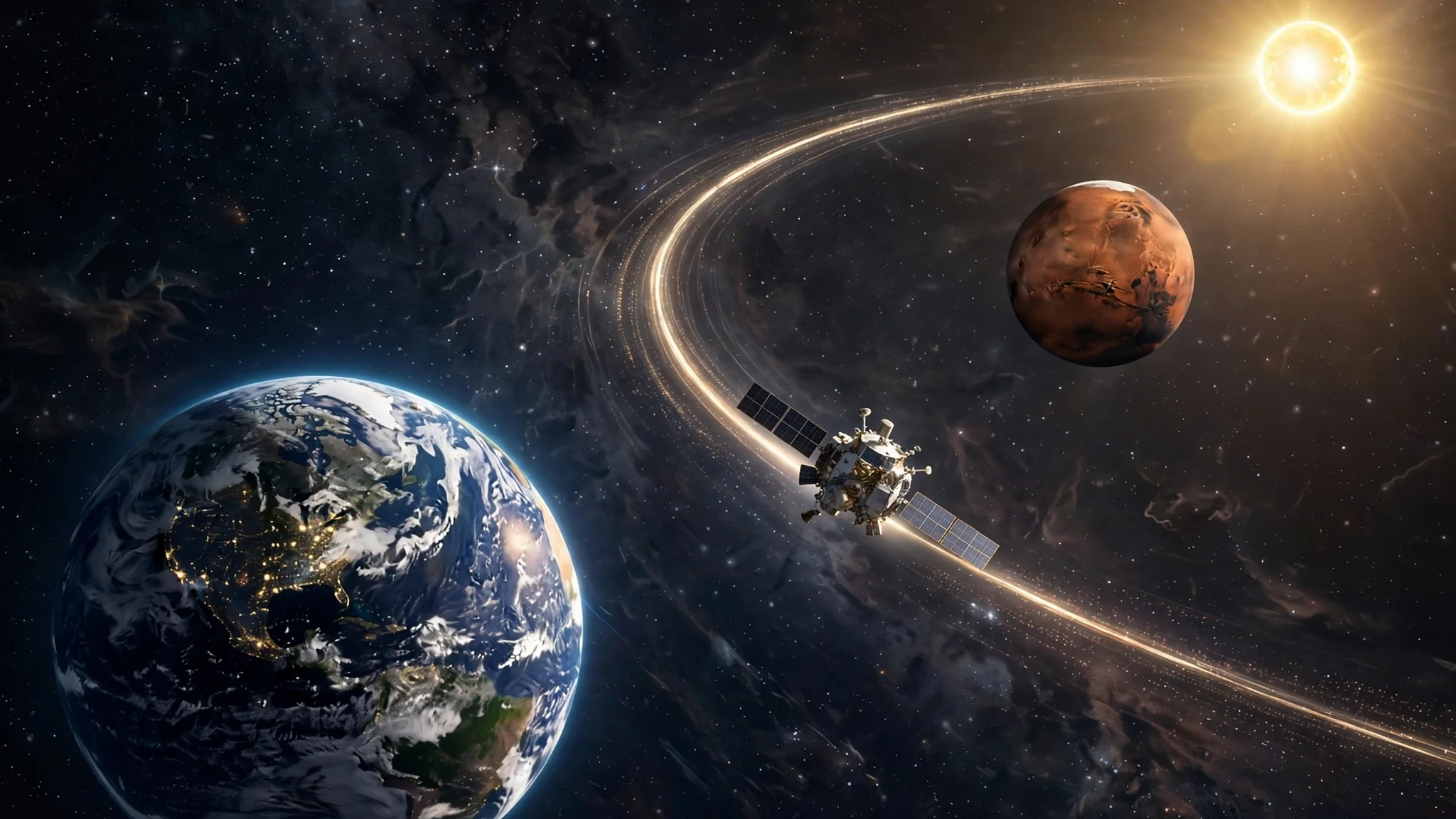
There are two versions of the question “can humans live on Mars”, and they have very different answers. The first version is: does anything live on Mars right now? The honest answer there is “we do not know, and that is exactly what NASA is trying to find out.” The second version is: could humans ever live on Mars? That answer is more concrete: not yet, but maybe within your lifetime. This post takes both questions in turn, starting with the search for life that is already there, if any, and then facing, honestly, the list of problems that stop people from living on Mars today, and the engineering that might one day overcome them.
Nobody has ever found a Martian. Or a Martian plant. Or a Martian bug. So far, every rover and lander we have sent has come back without proof of life. But “no proof of life” is not the same as “definitely no life.” Mars probably had liquid water on its surface for at least a billion years a long time ago, which is plenty of time for microbes, tiny single-celled creatures, to have appeared. On Earth, microbes were the first form of life, and they showed up almost as soon as the planet had liquid water. The search on Mars is therefore not for little green people. It is for chemical fingerprints: clues that something used to live there, billions of years ago, when Mars was warmer and wetter.
Is There Life On Mars Already
NASA is not really looking for life walking around on Mars today. It is looking for clues, chemical fingerprints, that something used to live there, billions of years ago, when Mars was warmer and wetter. The rovers photograph riverbeds, deltas, lake floors and shorelines, all showing that 3.5 billion years ago Mars had a hydrologic cycle similar to Earth’s: water flowed, pooled, evaporated, and rained down again. That is the Mars where life might have started, if it started at all, and it is the Mars that the newest discoveries are pointing back to.
In July 2024, NASA announced something exciting. The Perseverance rover, working in an ancient lakebed called Jezero Crater, had drilled into a rock the science team named Cheyava Falls. The rock contained organic compounds, carbon-based molecules that often come from living things, along with strange tiny spots that looked a bit like the chemical signatures microbes leave behind when they break down minerals. Scientists are being very careful with this. There are non-living explanations for what Perseverance found, and you do not claim “we discovered alien life” without rock-solid proof. The samples are sealed inside Perseverance for now, and they will only get a final answer when the rocks are shipped back to Earth as part of the future Mars Sample Return mission, where labs can study them with much more powerful equipment than a rover can carry.
It is the most promising thing anyone has found on Mars in decades. But promising is not the same as proven. The honest position is to hold both facts at once: no life has been found on Mars yet, and the search continues, with the most promising clue sitting sealed in a rover, waiting for a journey home that has not happened yet. Whether life ever lived on Mars is a different question from whether humans could live there, and the next decade might finally answer it, when those rocks reach a lab on Earth and scientists find out if Mars was ever a second living planet.
Where The Water Went
Liquid water is the one thing every form of life we know about needs, so tracking water on Mars is a huge part of the search. Today, most of Mars’s water is frozen. Polar ice caps at the top and bottom hold massive amounts of water ice. Just below the surface across most of the planet, there is even more buried ice. NASA’s Phoenix lander touched it directly back in 2008, digging into soil and finding ice beneath the surface, confirming what orbiters had suggested from above.
There is also some liquid water around. In 2018, scientists using ground-penetrating radar from a European spacecraft spotted what looked like a salty lake of liquid water about 1.5 kilometres below the south polar ice. There are also dark streaks called recurring slope lineae that flow down crater walls in summer, likely briny water trickling out of the ground when it warms up enough. Long ago, there was much more: the riverbeds, deltas, lake floors and shorelines that rovers have photographed all show that 3.5 billion years ago Mars had a hydrologic cycle similar to Earth’s, with water flowing, pooling, evaporating, and raining down again.
Why Buried Ice Matters For Settlers
For future human settlers, that buried ice matters more than any lake. Astronauts would dig up the buried ice, melt it, purify it, and use it for drinking and growing food. Splitting some of it apart with electricity would also produce oxygen and hydrogen fuel for the trip home. Water on Mars is not a luxury for settlers. It is drinking water, breathing air, food, and fuel, all from the same frozen resource, and the fact that it is buried almost everywhere is one of the few pieces of genuinely good news about living there.
Why Nobody Can Live On Mars Today
Right now, the answer to “could humans live on Mars” is no. The list of problems is brutal, and it is worth facing each one plainly, because together they explain why no one is stepping out of a Mars rocket and going for a walk in shorts.
The air is unbreathable. Mars’s atmosphere is 95 percent carbon dioxide and only 0.16 percent oxygen. A human breathing Martian air would get almost no oxygen at all, and the carbon dioxide would poison them. There is no way to breathe outside a sealed suit or habitat, and there never will be without transforming the whole planet’s atmosphere, which is far beyond any technology we have.
The pressure is too low. Without a sealed spacesuit, a person’s blood would actually boil from low pressure alone. Mars’s air is so thin that it presses down with only a tiny fraction of Earth’s pressure, and human bodies are built for Earth’s pressure. Even with oxygen supplied, a person outside without a pressurised suit would not survive. The suit is not clothing. It is a personal spacecraft, carrying air, pressure, temperature control, and communications, and it must never fail.
The Cold: Minus 63 Degrees On Average
It is freezing cold. The average surface temperature is minus 63 degrees Celsius, or minus 81 degrees Fahrenheit. That is an average: some places and seasons are colder still, and nights are bitterly cold everywhere. A habitat must be heated constantly, and a spacesuit must keep its wearer warm in conditions that would freeze exposed skin in moments. Heating is not a comfort on Mars. It is survival.
Radiation, Dust, And Low Gravity
There is no magnetic field. That means radiation from the Sun and from deep space hits the surface much harder than on Earth. Earth’s magnetic field and thick atmosphere shield us from much of that radiation. Mars has only a thin atmosphere and no global magnetic field, so astronauts on the surface would receive far higher doses of radiation than people on Earth, increasing the risk of illness over months and years. Shielding, in the form of thick walls, buried habitats, or layers of Martian dirt, is therefore not optional. It is a central design requirement.
The dust gets into everything. Mars dust is made of fine, jagged grains that are slightly toxic to breathe. The dust is everywhere: it coats rovers, clogs joints, covers solar panels, and blows in storms that can wrap the whole planet. It would need to be kept out of habitats, cleaned off suits before astronauts come inside, and filtered from the air constantly. On Earth, dust is a nuisance. On Mars, where the air outside cannot be breathed anyway, dust is a permanent engineering enemy.
Low gravity is a long-term health problem. Astronauts who spend many months at low gravity lose bone density and muscle mass, even with daily exercise. Mars’s gravity is stronger than the weightlessness of orbit, but still only about a third of Earth’s, and nobody knows what years at that gravity would do to a human body, because nobody has lived at Mars gravity for years. Exercise, diet, and medicine can slow the loss, but they cannot yet prevent it, and a crew returning to Earth after years on Mars would face a long, difficult recovery in full Earth gravity.
What A Mars Base Would Look Like
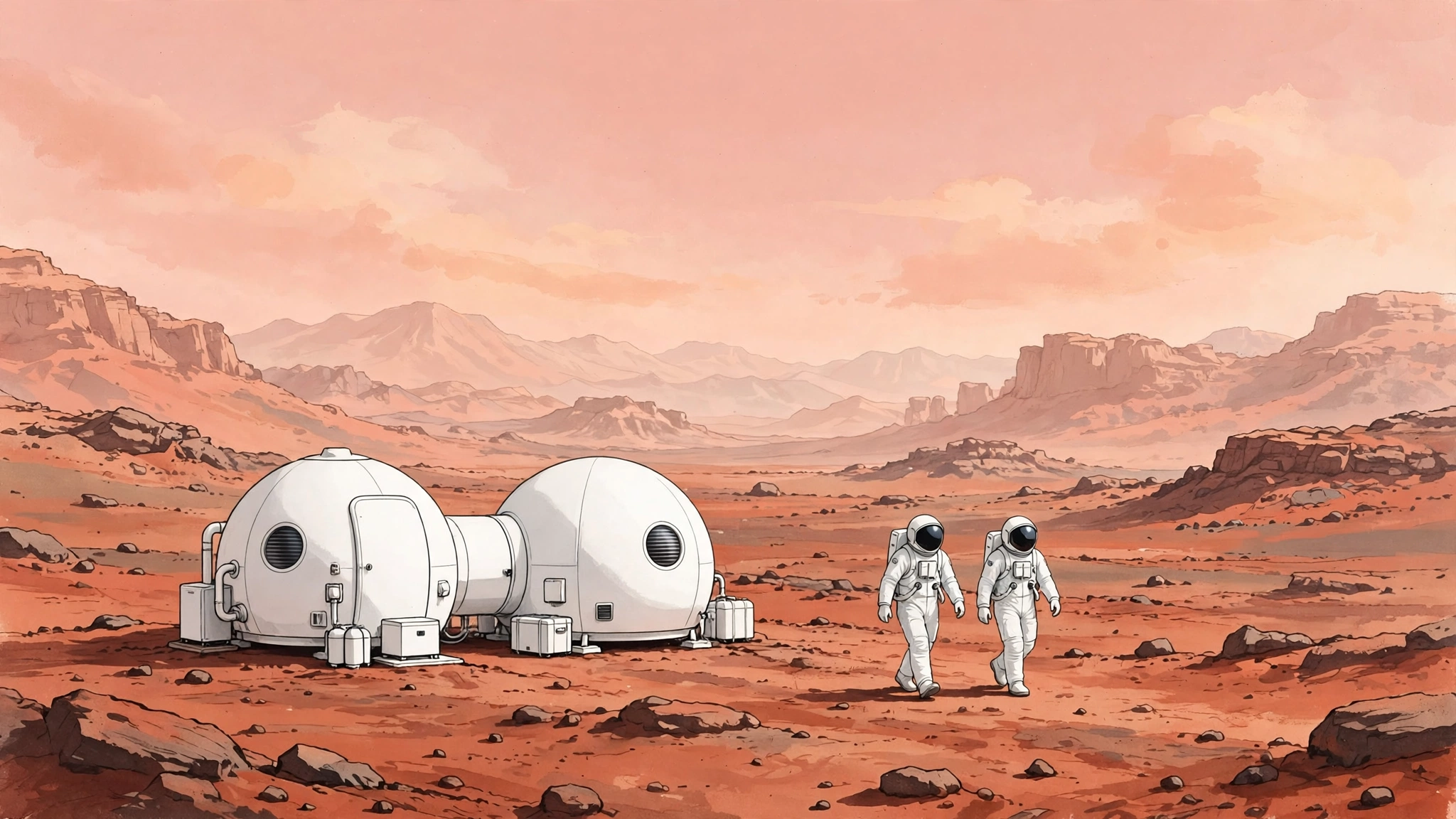
Engineers are seriously working on this, and the general plan goes like this. Astronauts would live in pressurised buildings, almost like living inside a giant inflatable balloon, with breathable air piped in. Some designs put the habitats partly underground, or cover them in a thick layer of Mars dirt, to block radiation. The base would be a small, sealed world: airlocks at every entrance, filters everywhere, greenhouses for food, workshops for repairs, and power systems that must never fail, because outside the walls there is no air to breathe and no rescue to call.
Making oxygen on Mars is a central part of the plan. Hauling enough oxygen from Earth would be hopelessly expensive. But the Perseverance rover is carrying a tool called MOXIE that has actually done it: turning Mars’s carbon dioxide into breathable oxygen. MOXIE is small, but it is proof the chemistry works. Scaled-up versions could make enough oxygen for an entire crew. NASA’s MOXIE experiment on Perseverance has already produced over 100 grams of oxygen on Mars, enough for an astronaut to breathe for a few hours. Small numbers, but a real first step, and the first time oxygen has been made on another planet from local materials.
Using Martian water, as described above, completes the loop: ice dug up, melted, and purified for drinking and growing food, with some of it split apart by electricity to produce oxygen and hydrogen fuel for the trip home. Growing food on site is the third leg: greenhouses would grow plants under artificial light, using a mix of Earth soil, recycled water, and whatever could be made from Martian regolith, the loose rock and dust that covers the surface. No base can carry years of food from Earth. It must grow, recycle, and repair, or it cannot survive.
When Are Humans Going
This is changing fast. NASA is targeting the 2030s, with its first crewed Mars mission coming after it has spent more time on the Moon at the upcoming Artemis bases. SpaceX wants to go even sooner with its Starship rocket, although the timelines have slipped a few times, and its founder, Elon Musk, has talked about building a city on Mars eventually. No firm date has been set by either organisation, and the honest reader should treat all dates as aims, not promises.
The trip itself takes about seven to nine months one way, and astronauts would have to wait on Mars another 18 months for Earth and Mars to line up again before flying home. So the very first crewed Mars mission would last around three years from launch to return. A long time to be away, and a long time to depend on machines that cannot be replaced from Earth. The Moon comes first, as a rehearsal three days away, where habitats, life support, and operations can be tested with rescue within reach. Mars, at months away, allows no such safety net.
Cities Or Bases: How Far Will It Go
Whether humans will live on Mars permanently, in cities rather than bases, is a question for a later century, not for the first missions. The first missions will be visits: small crews, sealed habitats, scientific work, and a return home. Permanent settlement would need far more: protection from radiation over a lifetime, children born and raised in low gravity, industries that make everything from food to medicine locally, and a reason to stay that justifies the cost and risk. None of that is impossible in principle. All of it is far beyond what the first missions will attempt.
The Honest Answer
So could anyone live on Mars? Today, no. Tomorrow, with the right technology and a lot of money, yes, but only inside sealed habitats, with imported air, water from melted ice, and oxygen made from Martian air. Whether life ever lived on Mars is a different question, and the next decade might finally answer it, when the Cheyava Falls samples reach a lab on Earth. The two questions share a planet, and they share a kind of honesty: we do not know everything, we are learning quickly, and the answers will come from rocks, rovers, and careful science, not from wishes.
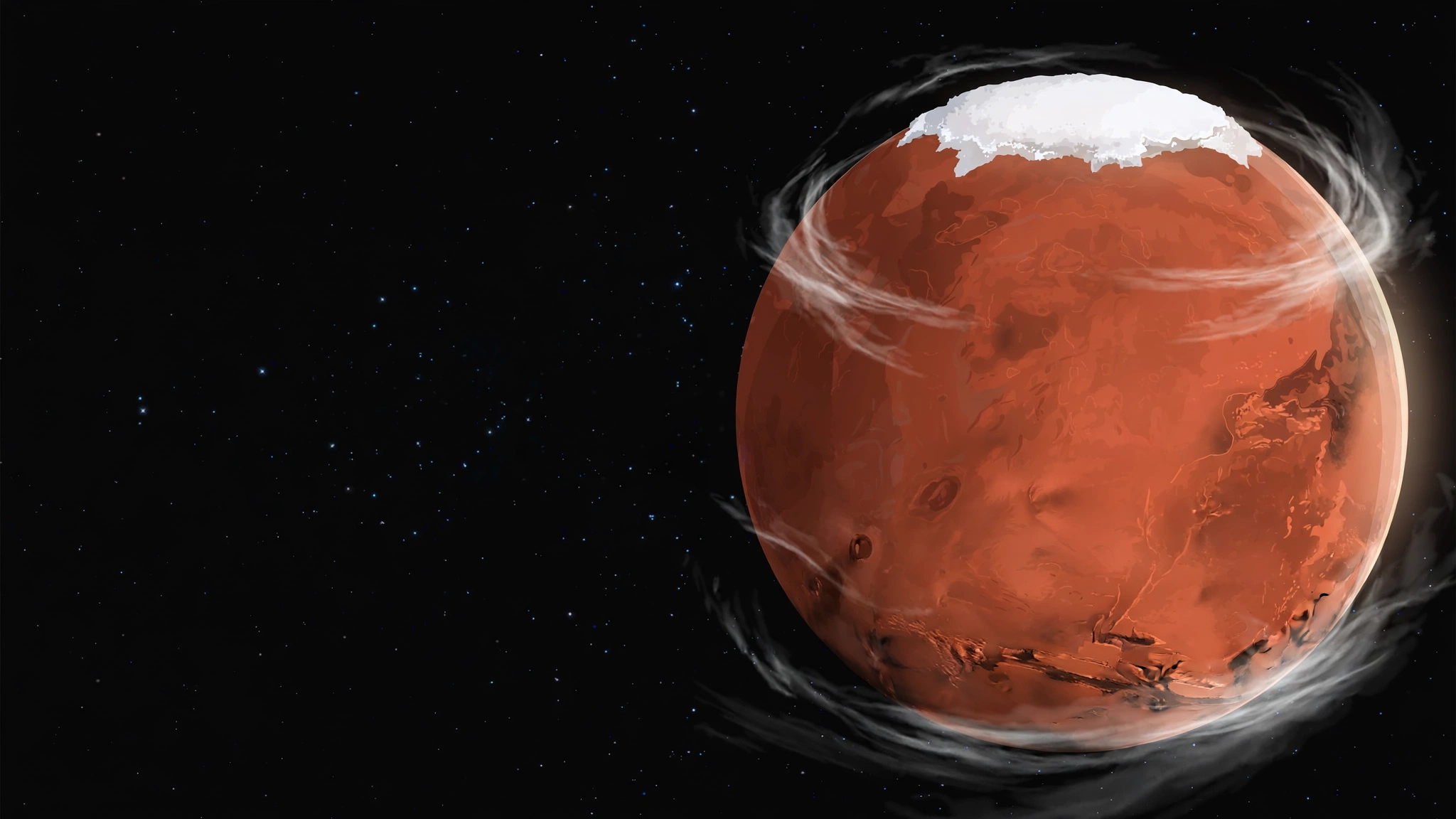
Mars is the most Earth-like planet in our solar system, and it is still brutally unlike Earth. Its air cannot be breathed, its pressure cannot support human life, its cold would kill in minutes, its radiation would harm over months, and its dust would defeat machines built for Earth. And yet, beneath its rusty surface, there is ice. In its thin air, there is carbon dioxide that can be turned into oxygen. In its ancient lake beds, there are clues to a wetter past, and perhaps to life. The planet that cannot support us today may, with sealed walls and clever machines, support a small crew tomorrow. That is not a promise. It is a plan, and it is the most honest answer science can give.
You may also like
Frequently Asked Questions
Can humans live on Mars right now? No. The atmosphere is unbreathable, at 95 percent carbon dioxide and only 0.16 percent oxygen, the air pressure is too low for a human to survive without a sealed spacesuit, the average surface temperature is minus 63 degrees Celsius, and radiation from the Sun and deep space hits the surface much harder than on Earth because there is no magnetic field. Future astronauts could live on Mars only inside pressurised habitats, with imported air and equipment to make oxygen and water from local resources.
Is there life on Mars? No life has been found on Mars yet, but the search continues. In 2024, NASA’s Perseverance rover drilled a rock called Cheyava Falls in Jezero Crater that contained organic compounds and chemical signatures that might have been left by ancient microbes billions of years ago. Scientists are being very careful, because there are non-living explanations too, and the samples will only get a final answer when they are shipped back to Earth as part of the future Mars Sample Return mission.
Is there water on Mars? Yes, but mostly frozen. There is water ice in Mars’s polar caps and just below the surface across most of the planet, and NASA’s Phoenix lander touched buried ice directly in 2008. There is also a probable lake of salty liquid water buried under the south polar cap, and salty water that flows down crater walls in summer. Mars used to have lots of liquid water on its surface, rivers, lakes, and possibly oceans, about 3.5 billion years ago, when it had a water cycle similar to Earth’s.
How long would it take to get to Mars? About seven to nine months one way. The exact length of the trip depends on where Earth and Mars are in their orbits at launch, because astronauts have to leave when the two planets are lined up favourably, which only happens about every 26 months. Astronauts would then have to wait on Mars another 18 months for the planets to line up again before flying home, so the very first crewed Mars mission would last around three years from launch to return.
When will humans go to Mars? NASA is aiming for a crewed Mars mission in the 2030s, after spending more time at upcoming bases on the Moon, and SpaceX has said it wants to send people to Mars with its Starship rocket, possibly even earlier, although its timelines have slipped a few times. No firm date has been set. The Moon comes first as a rehearsal, because it is three days away, while Mars is months away, with no quick way home if something goes wrong.
Sources
- Planets for Kids, “Could Anyone Live on Mars?”: https://www.planetsforkids.org/planet/mars/life-on-mars.html