How A Hybrid Car Works
In this post
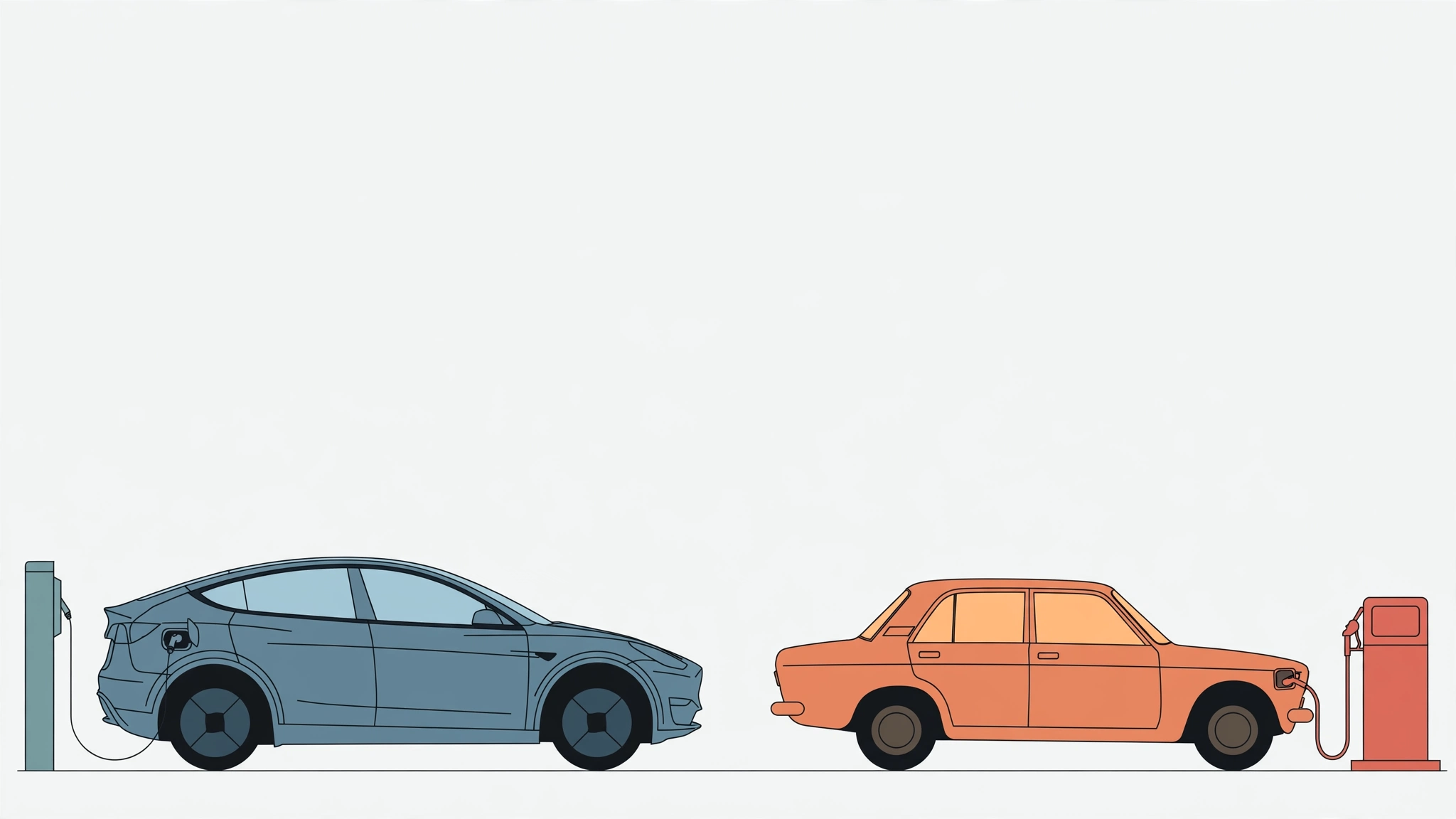
Every driver knows the most wasteful moment in a journey. It is the traffic light, the queue, the crawl: the engine burning fuel to go nowhere, the brakes turning speed into heat, the fuel gauge sinking while the car stands still. A hybrid car is built around a simple refusal to waste those moments. It adds an electric motor and a battery to the ordinary petrol engine, and uses them to catch the energy that a normal car throws away, then spend it on moving the car instead.
SEAT, the car maker, describes a hybrid car plainly: it combines a petrol or diesel engine with an electric motor and a battery. The two power sources share the work, each doing the job it does best. The engine handles steady cruising and long distances. The motor handles pulling away, slow traffic, and the short bursts where engines are least efficient. Together they use less fuel than either would alone, and the driver does nothing different at all.
Two power sources, one car
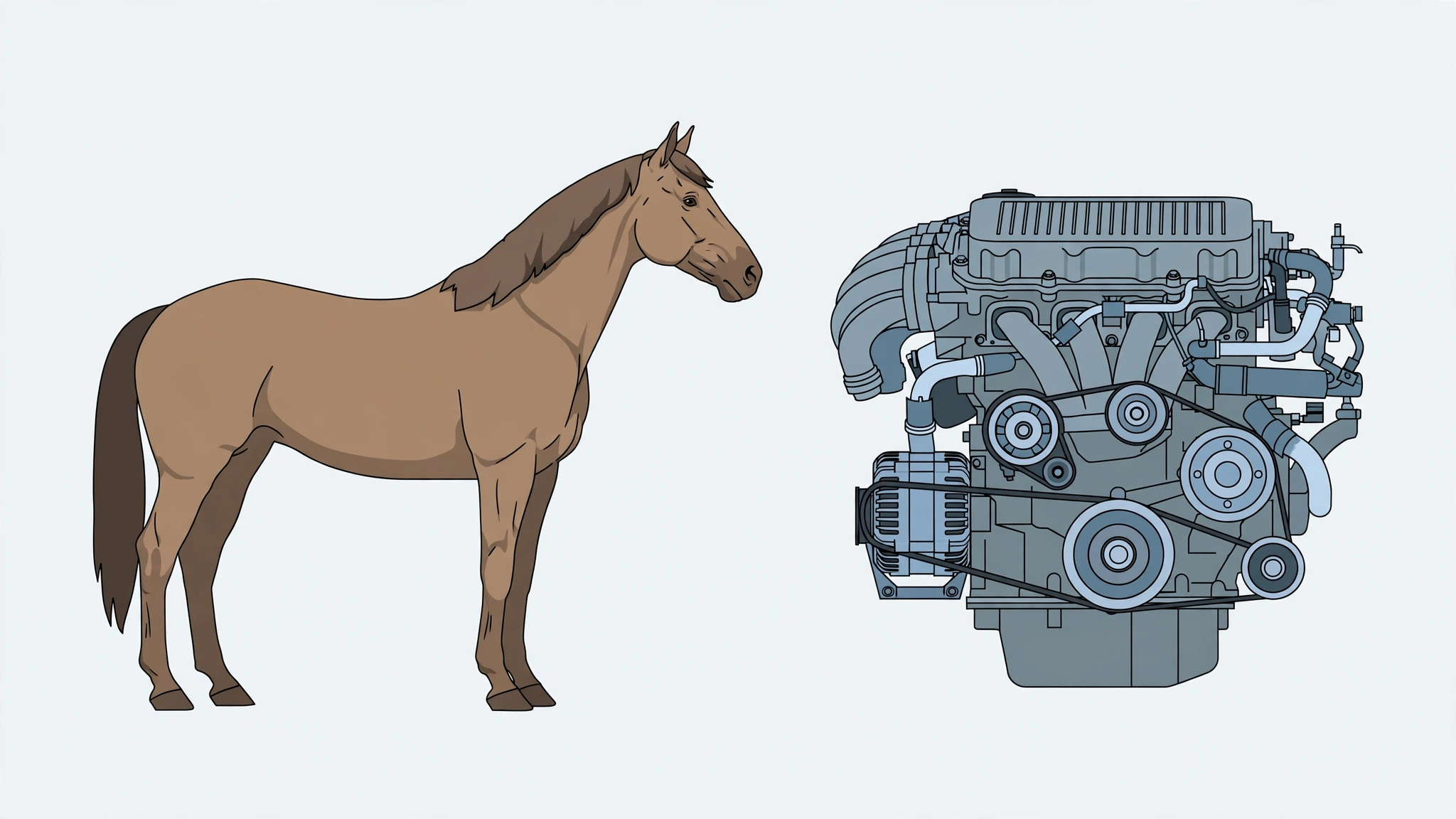
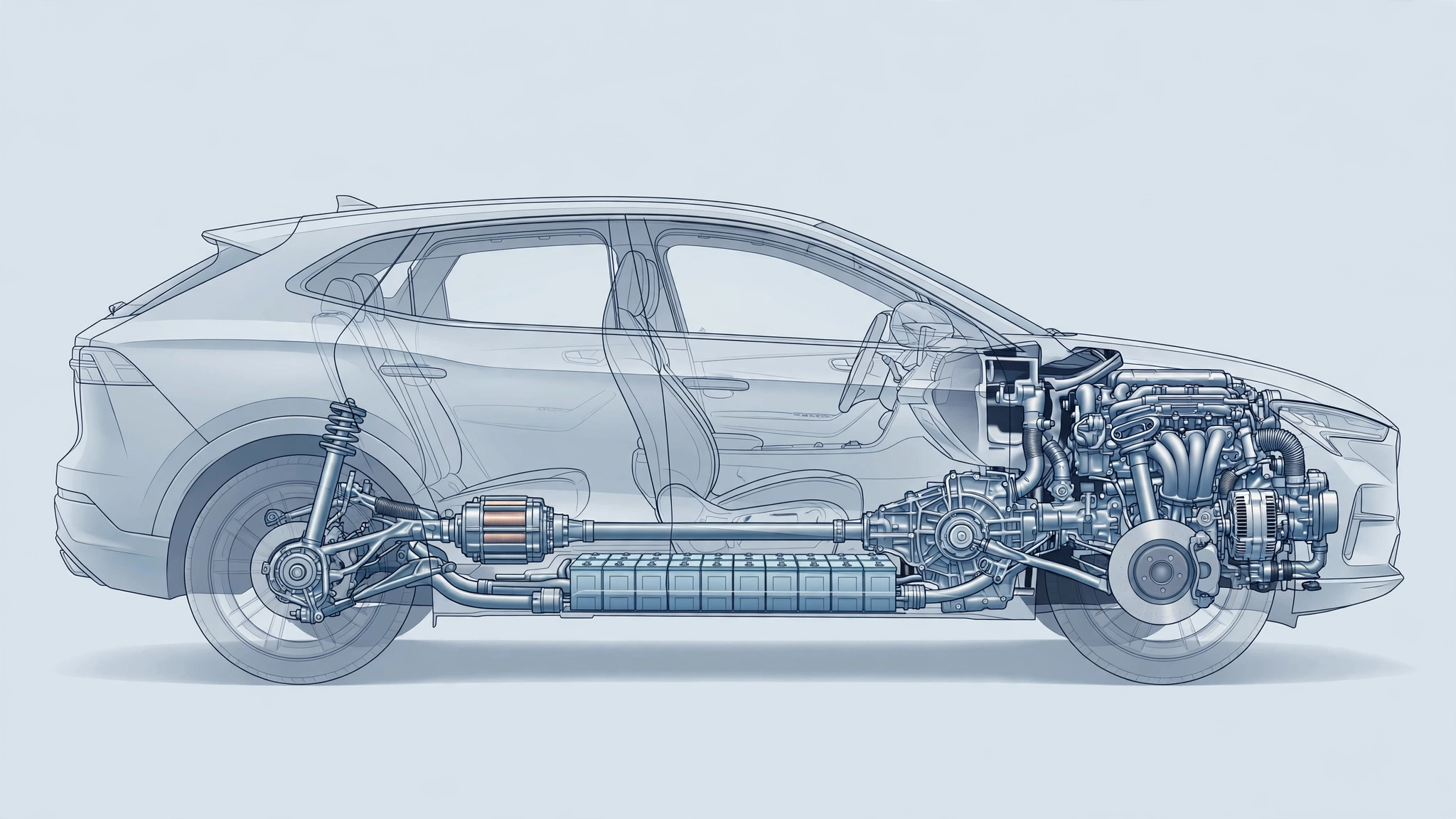
A hybrid carries two ways of making motion. The first is familiar: a petrol engine that burns fuel, turns a crankshaft, and drives the wheels through a gearbox, exactly as in an ordinary car. The second is electric: a motor powered by a battery, which can turn the wheels on its own or help the engine turn them.
The car’s computer decides, moment by moment, which source does the work. Pulling away from a standstill, the electric motor often does the job alone, silently, because electric motors make their full pulling force from zero speed. Cruising steadily, the engine takes over, running in its efficient zone. Accelerating hard, both work together, and the car feels stronger than its engine size suggests. Slowing down, the motor becomes a generator, catching energy. The driver feels none of this switching. The car simply drives, and the fuel gauge falls more slowly.
The battery in a hybrid is smaller than the battery in a fully electric car, because it never has to power the car alone for hundreds of kilometres. It is a helper’s battery: charged and emptied constantly, in small amounts, all through the journey. That small, busy battery is the heart of the hybrid idea.
Regenerative braking catches wasted energy
The cleverest part of a hybrid is what happens when the car slows down. In an ordinary car, braking turns the car’s speed into heat in the brake discs, and that heat is lost forever. The fuel spent gaining the speed is gone. In a hybrid, slowing down runs the electric motor in reverse, as a generator, and the resistance of generating electricity slows the car while charging the battery. The energy that would have heated the brakes instead goes back into the battery, ready to move the car again.
SEAT names regenerative braking as one of the hybrid’s key advantages, and the effect is largest exactly where ordinary cars waste most: in town, with its constant stopping and starting. Every red light becomes a small refuelling stop. Every downhill stretch tops the battery up. The brakes themselves last longer too, because the motor does much of the slowing work before the brake pads are needed.
The system cannot catch everything. Hard braking still uses the friction brakes, and the laws of physics take their cut at every conversion. But recovering even part of the braking energy, hundreds of times a day in city traffic, adds up to a real fuel saving, and it is energy no ordinary car ever sees again.
The engine rests when it should
The second saving is subtler: the engine switches off when it is not needed. In a hybrid, the engine shuts down when the car idles in traffic, when it crawls in a queue, and when it slows down, instead of burning fuel to stand still. The electric motor keeps the car moving in those moments, and the engine wakes only when real power is needed.
This matters because idling is pure waste: fuel burned, nothing gained, exhaust produced for no motion. A hybrid in a traffic jam is mostly an electric car, silent and still, sipping nothing. When the queue moves, the motor moves the car. When the road opens, the engine joins in. The driver notices only the quiet, and the fuel gauge notices the difference over weeks.
The engine also gets help at the moment it is weakest. Pulling away and accelerating from low speed is where a petrol engine works hardest and least efficiently. The electric motor’s instant pulling force covers exactly that moment, so the engine never has to strain from rest. The partnership plays to both strengths and hides both weaknesses.
Mild hybrids: assistance only
Not all hybrids are the same, and the differences matter when buying. The mild hybrid, called MHEV, is the gentlest kind. Its electric motor assists the engine when accelerating and recovers energy when braking, but it can never drive the car on its own. There is no electric-only driving, no plug, and no charging from a socket. The battery charges only from the engine and from regenerative braking.
SEAT describes the mild hybrid exactly this way: the motor assists, energy is recovered, the car never drives on electricity alone, and there is no need to plug in. The saving is modest but real, mostly in town traffic and at junctions, and the system adds little cost or weight. For a driver who wants lower fuel bills with zero change in habits — no charging, no new routine — the mild hybrid is the easiest step.
The limit is honesty about the label. A mild hybrid is a petrol car with electric help, not an electric car in any meaningful sense. It will never glide silently through a neighbourhood on battery power alone, and its fuel saving, while real, is smaller than the stronger hybrids offer.
Plug-in hybrids: a battery you charge
The plug-in hybrid, called PHEV, is the stronger kind. It has a larger battery that can be charged at home or at a public charger, and it can drive on electricity alone for short and medium trips. The engine is still there, and it takes over for longer journeys, so the car never strands its driver for want of a charger. SEAT explains that a plug-in hybrid can be driven by the electric motor, by the engine, or by both together, and that charging happens at home or at public points.
The electric-only range is the number that matters. SEAT cites its Leon e-HYBRID as covering more than 100 kilometres on electricity alone, with fuel use as low as 0.4 litres per 100 kilometres in the official WLTP test for that model. Those are model-specific figures, measured in laboratory conditions, and real driving will differ — but they show the shape of the promise: a daily commute done entirely on electricity, with the engine as a backup for the long trip.
The plug-in suits a driver with somewhere to charge — a home charger, a workplace charger — and mostly short trips. Driven that way, it can use very little fuel for weeks. Driven without ever plugging in, it becomes a heavy petrol car carrying a dead battery, and the saving vanishes. The plug-in hybrid rewards the habit of charging. Without the habit, the mild hybrid is the more honest choice.
How a petrol engine actually burns fuel
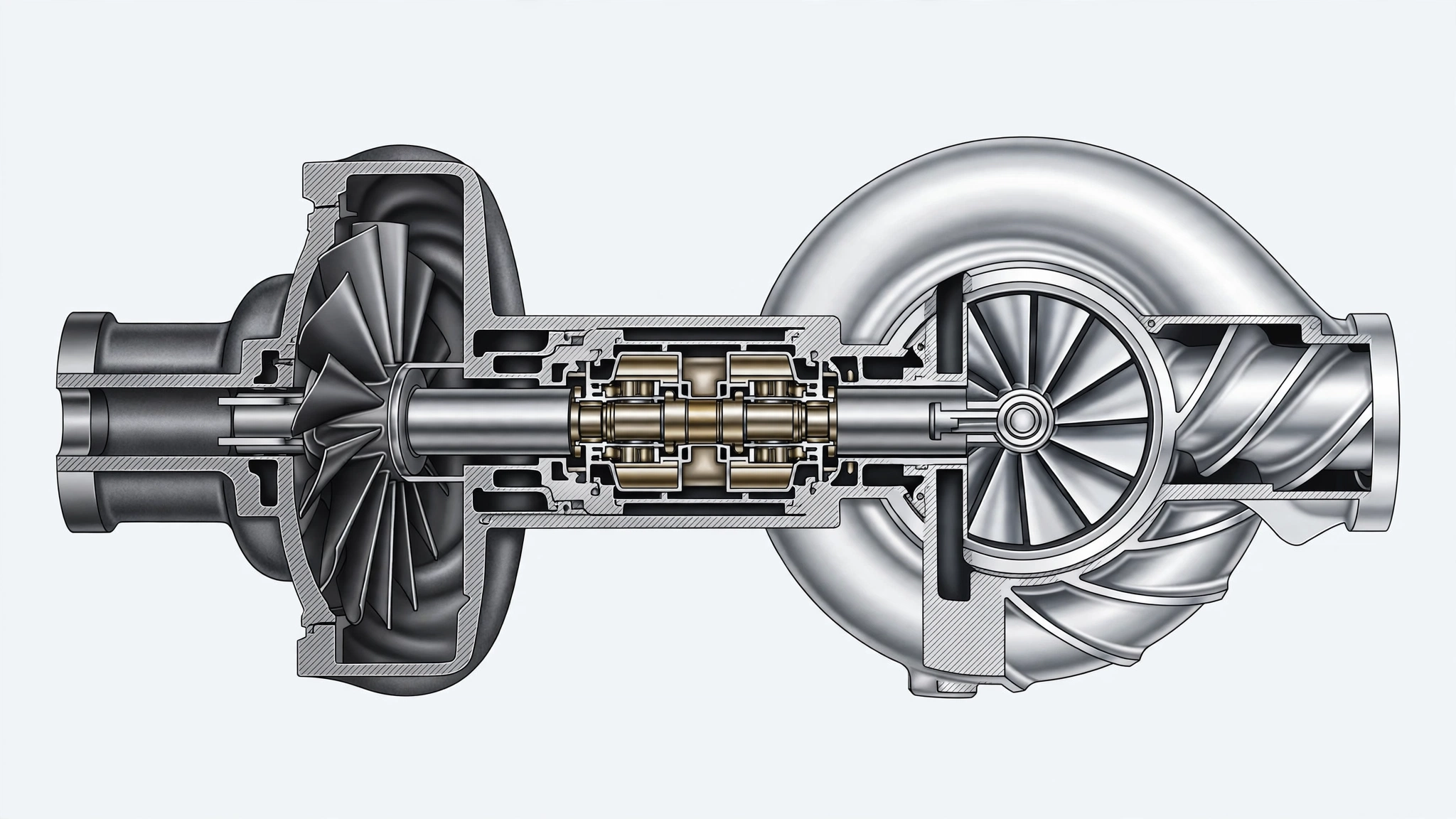
Understanding the hybrid helps to understand the engine it partners with. SEAT describes the petrol engine’s four steps simply: intake, squeeze, burn, and exhaust. The engine draws in a mixture of air and fuel, squeezes it in the cylinder, burns it with a spark, and pushes the burnt gases out. The burning pushes the piston, the piston turns the crankshaft, and the crankshaft turns the wheels.
Each step wastes a little. The intake step fights the throttle. The squeeze step costs effort. The burn step loses much of its heat to the cooling system and the exhaust. The exhaust step throws hot gas away. A petrol engine, for all its refinement, turns only a minority of its fuel’s energy into motion. The hybrid’s job is to catch the pieces the engine wastes — the braking energy, the idling fuel, the low-speed strain — and put them back to work.
That is why the hybrid’s saving is largest in town and smallest on a steady motorway run. On a motorway, the engine runs steadily in its efficient zone, braking is rare, and the motor has little to recover. In town, the engine would waste constantly, and the motor recovers constantly. The hybrid is a town car first and a motorway car second, and buyers who drive mostly in town gain the most.
Petrol, hybrid, and electric compared
SEAT’s comparison table for its Leon range makes the trade-offs concrete. A petrol Leon uses 5.6 to 6.2 litres per 100 kilometres, costing €8.88 to €9.83 per 100 kilometres at the prices used in the comparison. The plug-in hybrid, running on electricity alone, costs €4.98 to €5.23 per 100 kilometres. The electric running is roughly half the cost of the petrol running, in that comparison, for the trips the battery can cover.
Against that saving stand the costs. A hybrid costs more to buy than the equivalent petrol car, because it carries two power systems. A plug-in hybrid needs charging access to earn its saving, and its battery adds weight that the engine must carry on long trips. A pure electric car beats both on running cost, but needs charging infrastructure and costs more still. The hybrid sits between: cheaper than electric to buy, cheaper than petrol to run in town, and free of the electric car’s range worry.
The choice is a balance of three things: purchase price, running cost, and convenience. Petrol wins on price and convenience. Electric wins on running cost. The hybrid takes a middle share of all three, and for many drivers in 2026 that middle is exactly where their life sits.
Living with a hybrid day to day
Daily life with a hybrid asks almost nothing new. A mild hybrid drives exactly like a petrol car: fill it with fuel, drive it, service it. The only difference is the silence at traffic lights and the slower fuel gauge. A plug-in hybrid asks one new habit: plug it in at home, overnight, the way a phone charges. Drivers who build that habit find the car does most short trips on electricity and sips fuel only on long ones. Drivers who never build it find they bought an expensive petrol car.
Servicing is familiar, with one addition: the battery and electric system need checks by a technician trained for them, though the electric parts have few wearing pieces and rarely need attention. The brakes last longer, the engine works less hard in town, and the battery is built to last the car’s life in normal use, with long warranties from most makers.
The hybrid is not the future. It is a bridge to it, built for drivers whose lives are not yet ready for a pure electric car. Bridges matter. They carry people across the gap, one ordinary journey at a time, burning less fuel on every one of them.
Frequently Asked Questions
How does a hybrid car work?
A hybrid car combines a petrol engine with an electric motor and a battery, and the car’s computer shares the work between them. The electric motor handles pulling away and slow traffic, the engine handles steady cruising, and both work together when accelerating hard. When the car slows down, regenerative braking turns the motor into a generator and charges the battery with energy that would otherwise be lost as heat.
What is regenerative braking in a hybrid?
Regenerative braking recovers energy when the car slows down, by running the electric motor in reverse as a generator so the resistance of generating electricity slows the car and charges the battery. It is most effective in town driving with constant stopping and starting, where every red light becomes a small recharge. The brakes also last longer, because the motor does much of the slowing work before the brake pads are needed.
What is the difference between a mild hybrid and a plug-in hybrid?
A mild hybrid’s motor only assists the engine and recovers braking energy; it can never drive the car alone and needs no plug. A plug-in hybrid has a larger battery charged at home or at public chargers, can drive on electricity alone for short and medium trips, and uses its engine for longer journeys. The plug-in suits drivers with charging access and mostly short trips, while the mild hybrid suits drivers who want lower fuel bills with no new habits.
How far can a plug-in hybrid go on electricity alone?
It depends on the model and on driving conditions. SEAT cites its Leon e-HYBRID as covering more than 100 kilometres on electricity alone, with fuel use as low as 0.4 litres per 100 kilometres in the official WLTP test for that model. Real-world range will be lower in cold weather, at high speed, or with heating and air conditioning running, so the official figure should be treated as a laboratory best case.
Does a hybrid car need to be plugged in?
Only a plug-in hybrid needs plugging in; a mild hybrid charges its battery from the engine and from regenerative braking and never plugs in. A plug-in hybrid can still drive on its engine if never charged, but it then becomes a heavy petrol car and loses its fuel saving. The saving comes from the habit of charging, so buyers without charging access are better served by a mild hybrid or a pure petrol car.
Sources
- SEAT — Hybrid Car vs Petrol (fetched 2026-10-28)