How Pakistan Railways Works Daily
In this post
A train leaves Karachi in the morning, crosses Sindh and Punjab through the day, and reaches Peshawar more than a day later, having stopped at dozens of stations along the way. Behind that simple journey is a large organisation: a state-owned railway with thousands of kilometres of track, hundreds of stations, seven divisions, and a timetable that must be kept across a country the size of Pakistan. This post explains, in simple words, how Pakistan Railways works day by day: its history, its lines, its trains, its tickets, and the plans to make it faster.
A Railway Older Than Pakistan
Pakistan Railways is older than Pakistan itself. It was founded in 1886 as the North Western State Railway, part of the railway network built under British rule to move troops, goods and passengers across the subcontinent. After independence in 1947, the railway became Pakistan’s own. Its headquarters are in Lahore, and it is owned by the Government of Pakistan and run by the Ministry of Railways. The railway has carried generations of Pakistanis, and its stations, from Karachi Cantonment to Peshawar Cantonment, are among the oldest public buildings in their cities.
The network grew out of the needs of empire and trade: lines to ports, lines to garrisons, lines to farming districts. That history still shapes the map today. The busiest and most important line runs north to south, from the port city of Karachi to the frontier city of Peshawar, passing through the main cities of Sindh and Punjab. Other lines branch off to Quetta, to the east towards the Indian border, and to smaller towns. The railway’s shape is the shape of the country it serves.
The Network: 7,791 Kilometres And 494 Stations
Pakistan Railways operates 7,791 kilometres of track and serves 494 stations. In the year 2023–24, it carried 42.1 million passengers and 5.7 million tonnes of freight. Those numbers show a railway that is still heavily used, even though roads and air travel now compete with it for passengers and goods. The freight figure matters as much as the passenger figure: trains carry coal, grain, cement, oil and containers that would otherwise need hundreds of trucks on the highways.
The track is broad gauge, 5 feet 6 inches wide, which is wider than the standard gauge used in most of Europe and North America. The maximum speed on the network is 105 kilometres per hour, with some upgraded sections allowing 120 kilometres per hour. The railway has about 190 working diesel-electric locomotives, which pull the trains. Most of the network is not electrified, so diesel locomotives do the work, hauling passenger coaches and freight wagons across long distances in heat and dust.
The Main Line: Karachi To Peshawar
The backbone of the network is Main Line 1, known as ML-1, which runs from Karachi to Peshawar. It passes through Hyderabad, Rohri, Multan, Lahore and Rawalpindi, and it carries the heaviest passenger and freight traffic in the country. The most famous trains run on this line: the Karachi Express, the Pakistan Express, the Tezgam, the Khyber Mail, and the Awam Express, among others. A journey from Karachi to Lahore takes around 18 hours by the slower trains, and less by the faster ones, while the full journey to Peshawar takes more than a day.
There are four other main lines. ML-2 runs from Kotri, near Hyderabad, to Attock City. ML-3 runs from Rohri to Quetta, crossing the Bolan Pass. ML-4 runs from Quetta to the border at Taftan, towards Iran. ML-5 runs from Taxila to Khunjerab, towards China, although the far northern section is not fully in operation. Branch lines connect smaller towns to the main lines, and many of them see only a few trains a day. The main line is where the railway earns most of its money, and where most of its investment is planned.
Seven Divisions, One Railway
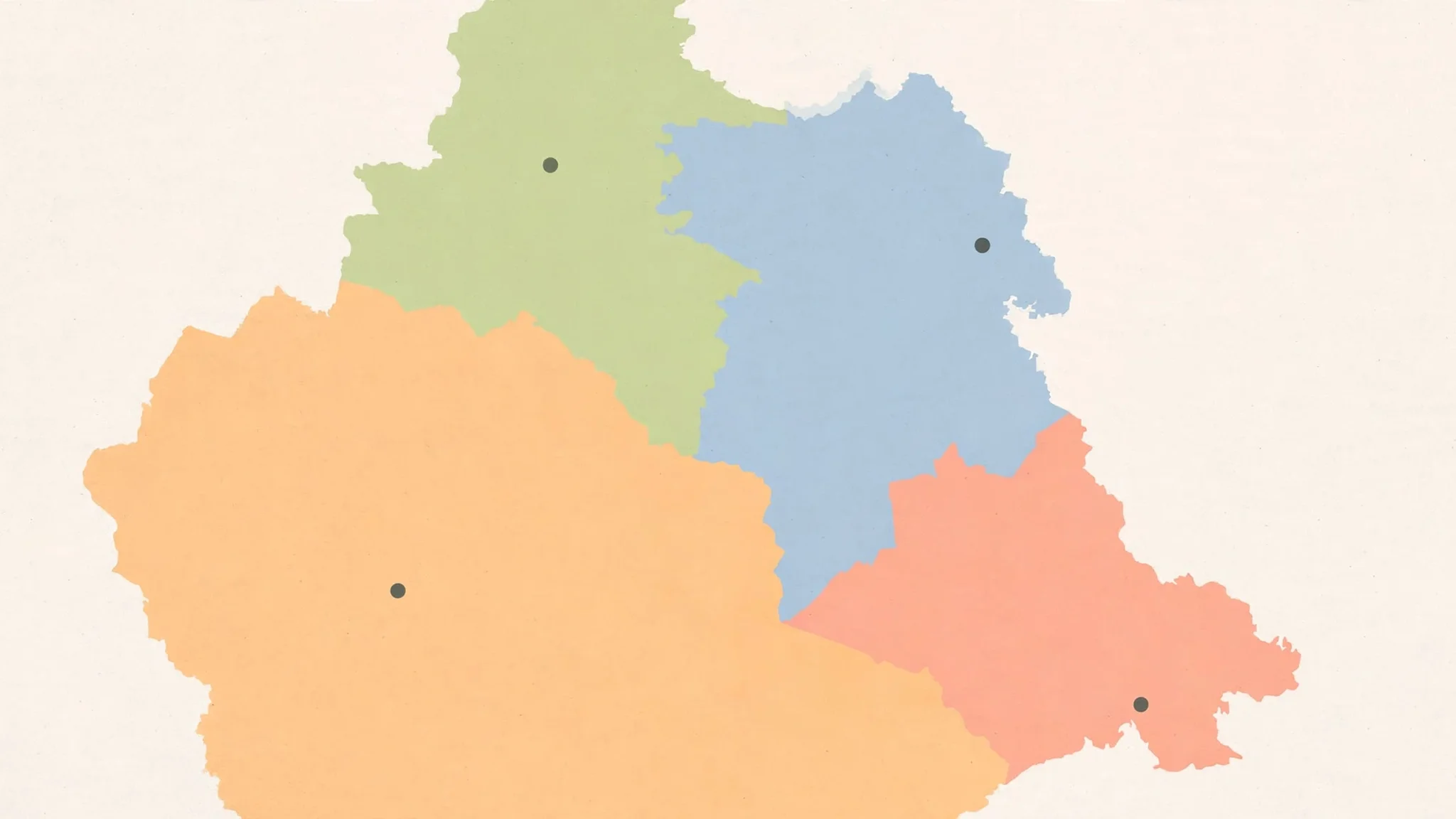
Pakistan Railways is divided into seven operating divisions: Karachi, Sukkur, Multan, Lahore, Rawalpindi, Peshawar and Quetta. Each division is responsible for the track, stations, trains and staff in its area, and each is headed by a divisional superintendent. The divisions report to the railway’s headquarters in Lahore. The divisional structure means that a train travelling from Karachi to Peshawar passes through the hands of several divisions on its journey, each responsible for its own stretch of line.
The railway also has workshops, where locomotives and coaches are repaired and rebuilt, and a large workforce of drivers, guards, station masters, ticket checkers, engineers and track workers. The daily work is unglamorous and essential: inspecting track, maintaining signals, cleaning coaches, loading freight, and keeping the timetable. A train that leaves on time depends on hundreds of people doing small jobs correctly, in sequence, across hundreds of kilometres.
Tickets, Classes And What A Journey Costs
Passengers buy tickets at stations, at reservation offices, and increasingly online. Pakistan Railways offers several classes of travel, from the most basic economy class, with wooden or cushioned benches, to air-conditioned sleeper and business class, with berths for overnight journeys and air conditioning. The difference in price between economy and air-conditioned class is large, and the difference in comfort is larger. Economy is crowded, noisy and cheap. Air-conditioned sleeper is quiet, cool and much more expensive.
Reservations matter most on the long-distance trains, where berths and seats are booked in advance. Passengers can book a seat or a berth for a specific date and train, and the railway’s reservation system assigns them a coach and a seat number. Unreserved travel is possible on some trains, but on the popular routes it means standing or sitting in crowded compartments. The ticket is checked on board by the travelling ticket examiner, who also handles upgrades and fines for travelling without a ticket.
Freight: The Railway’s Other Business
Freight is the railway’s second business, and in many countries it is the more profitable one. Pakistan Railways carries containers, coal, oil, grain, cement, fertiliser and military goods. Freight trains run at night and in the gaps between passenger trains, because the same track must serve both. The railway’s freight business competes directly with trucks, which are more flexible but more expensive per tonne over long distances, and which damage the roads they use.
The freight figure of 5.7 million tonnes in 2023–24 is modest compared with the railway’s capacity, and the railway has said it wants to grow it. More freight would mean more revenue without needing more passenger coaches, and it would take trucks off the highways. The main obstacle is the same as for passengers: the track is old, speeds are low, and the main line is congested. Upgrading the main line would help freight as much as passengers, because faster, more reliable trains can carry more goods in the same time.
Speed, Safety And The Upgrade Plan
The maximum speed of 105 kilometres per hour, with 120 on upgraded sections, is slow by world standards. High-speed railways in other countries run at 250 to 350 kilometres per hour. Pakistan Railways has a long-standing plan to upgrade ML-1, the Karachi to Peshawar main line, to allow speeds up to 160 kilometres per hour, with new track, signalling and bridges. The project, known as ML-1, was costed at around Rs 1.11 trillion, and as of October 2022 it had not started. The plan, under the railway’s Vision 2026, remains the largest single project in the railway’s future.
Safety is the other constant concern. Derailments and accidents happen, sometimes with loss of life, and they are usually caused by a combination of old track, old rolling stock, and human error. The railway’s own accident record, and the investigations that follow, show a pattern: investment in track maintenance and signalling prevents more accidents than any single new train. The daily work of track inspection and repair, done by gangs of workers walking the line, is the least visible and most important safety work the railway does.
What A Day On The Railway Looks Like
A day on Pakistan Railways starts before dawn. The first trains leave the big stations in the early morning, the track gangs walk their sections checking for faults, the workshops begin repairing coaches and locomotives, and the freight yards start loading wagons. Through the day, passenger trains cross the country, station masters signal them through, and the control office in Lahore tracks their progress. At night, the long-distance trains keep running, the freight trains take the line, and the maintenance work begins again.
It is a system that runs on routine, and routine is its strength and its weakness. When the routine works, millions of people travel cheaply and safely. When it breaks — a locomotive fails, a track floods, a signal stops working — the delays spread across the network, because the trains share the same single line in many places. The railway’s future depends on whether it can modernise that routine without losing the affordability that makes it essential to the people who use it most.
Frequently Asked Questions
How many kilometres of track does Pakistan Railways have?
Pakistan Railways operates 7,791 kilometres of track and serves 494 stations, with its headquarters in Lahore. The network is broad gauge, 5 feet 6 inches wide, and the maximum speed is 105 kilometres per hour, with some upgraded sections allowing 120 kilometres per hour. In 2023–24, the railway carried 42.1 million passengers and 5.7 million tonnes of freight. It is divided into seven divisions: Karachi, Sukkur, Multan, Lahore, Rawalpindi, Peshawar and Quetta.
What is the main railway line in Pakistan?
The main line is Main Line 1, or ML-1, which runs from Karachi to Peshawar, passing through Hyderabad, Rohri, Multan, Lahore and Rawalpindi. It carries the heaviest passenger and freight traffic in the country, and the most famous trains run on it, including the Karachi Express, the Pakistan Express, the Tezgam, the Khyber Mail and the Awam Express. There are four other main lines, to Attock, Quetta, Taftan and the north, but ML-1 is the backbone of the whole network.
How fast do trains go in Pakistan?
The maximum speed on Pakistan Railways is 105 kilometres per hour, with some upgraded sections allowing 120 kilometres per hour. Most of the network is not electrified, and about 190 working diesel-electric locomotives pull the trains. A long-standing plan to upgrade ML-1 to allow speeds up to 160 kilometres per hour, costed at around Rs 1.11 trillion, had not started as of October 2022. The railway’s speeds are slow by world standards, where high-speed trains run at 250 to 350 kilometres per hour.
How do I book a Pakistan Railways ticket?
Passengers can buy tickets at stations and reservation offices, and increasingly online. The railway offers several classes, from basic economy with benches to air-conditioned sleeper and business class with berths for overnight journeys. On long-distance trains, seats and berths are booked in advance through the reservation system, which assigns a coach and seat number. Tickets are checked on board by the travelling ticket examiner, who also handles upgrades and fines for travelling without a ticket.
When was Pakistan Railways founded?
Pakistan Railways was founded in 1886 as the North Western State Railway, part of the railway network built under British rule. After independence in 1947, it became Pakistan’s own railway, owned by the Government of Pakistan and run by the Ministry of Railways, with headquarters in Lahore. Its shape today still reflects its origins: the busiest line runs north to south from the port of Karachi to the frontier city of Peshawar, passing through the main cities of Sindh and Punjab.
Sources
- Wikipedia — Pakistan Railways: https://en.wikipedia.org/wiki/Pakistan_Railways