What Governors Rule Means Pakistan
In this post
Two phrases entered the news together in October 2026: emergency and governor’s rule. Both were imposed in Khyber Pakhtunkhwa, and both sound alarming. They are not the same thing, and confusing them is the easiest mistake a reader can make. Governor’s rule, also called governor raj, is a specific constitutional mechanism. It has a specific article, a specific procedure, and a specific time limit. This post explains, in simple words, what governor’s rule means in Pakistan, how it is imposed, how long it can last, and what it does and does not change for the people of a province.
The Article Behind It: 234
Governor’s rule comes from Article 234 of the Constitution of Pakistan. The article says that if the President is satisfied, on a report from the Governor of a province, that a situation has arisen in which the government of the province cannot be carried on in accordance with the provisions of the Constitution, the President may by proclamation assume to himself, or direct the Governor to assume, all or any of the functions of the provincial government, and all or any of the powers vested in or exercisable by the provincial government.
In plain language: the federal government takes direct control of the province, either by itself or through the Governor. The key word in the article is “satisfied”. The President must be satisfied, on the Governor’s report, that the provincial government cannot function according to the Constitution. It is not enough for the federal government to dislike the provincial government. The test is whether the provincial government can be carried on constitutionally. Lawyers and analysts argue fiercely about whether that test was met in any particular case, and that argument is part of the politics of every imposition of governor’s rule.
Emergency Is A Different Article
Article 234 is not the same as an emergency under Article 232. Article 232 allows the President to declare an emergency when a grave emergency exists in which the security of Pakistan, or any part of it, is threatened by war, external aggression, or internal disturbance beyond the control of a provincial government. An emergency under Article 232 does not dissolve the provincial government. The provincial assembly continues, and federal law prevails over provincial law where the two conflict.
Governor’s rule, under Article 234, goes further in one respect and less far in another. It transfers the powers of the provincial government to the President or the Governor, so the provincial cabinet cannot exercise its powers while it is in force. But it does not suspend the provincial assembly’s existence, and the assembly’s powers can be exercised by Parliament during the period. The two articles were both invoked in Khyber Pakhtunkhwa in October 2026, which is why the news carried both words together. They are separate legal tools, used together, with separate effects.
How It Was Imposed In Khyber Pakhtunkhwa
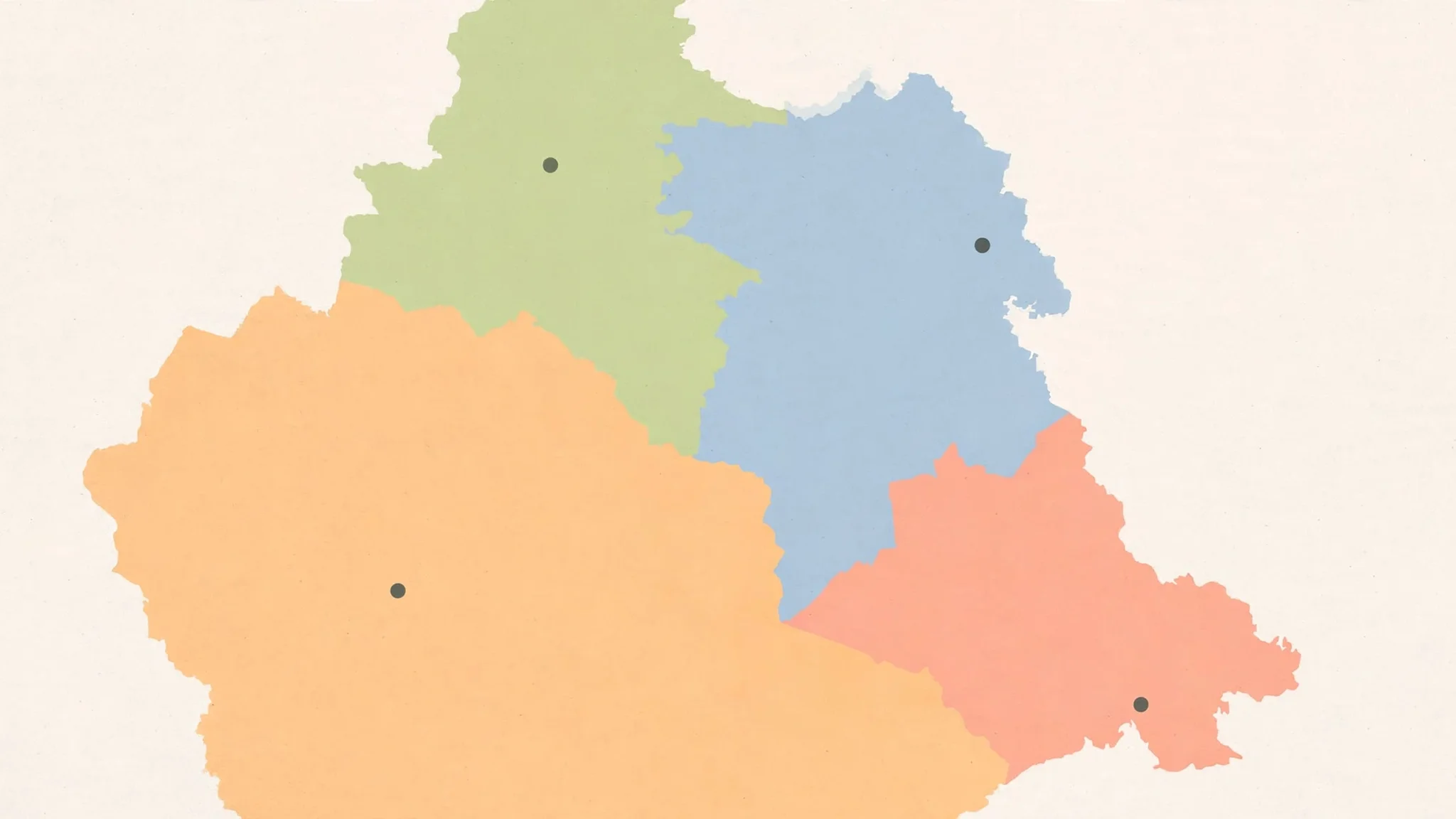
In October 2026, governor’s rule and emergency were imposed in Khyber Pakhtunkhwa on the recommendation of the federal cabinet and with the approval of President Asif Ali Zardari. Prime Minister Shehbaz Sharif briefed the President, and the federal government said the provincial government had deliberately disengaged from counterterrorism efforts and from working with federal institutions. The province had been facing a serious security situation, with militant attacks, and the federal government argued that the provincial government was not carrying on its constitutional responsibilities.
The opposition party in the province, Pakistan Tehreek-e-Insaf (PTI), condemned the move, calling it unconstitutional and an attack on the province’s mandate. PTI leaders said the provincial government had a democratic mandate from the people and that the federal government was using constitutional provisions for political purposes. That disagreement — the federal government saying the province could not function, the provincial party saying it could and should — is the argument that follows every imposition of governor’s rule. The courts are the forum where such disputes are tested, and lawyers debated the move in the days that followed.
Who Runs The Province During Governor’s Rule
During governor’s rule, the Governor, acting on the President’s directions, exercises the functions of the provincial government. The Chief Minister and the provincial cabinet cannot exercise their powers while the proclamation is in force. The provincial government, in the sense of the elected cabinet, is set aside. The Governor is not elected by the province’s voters. The Governor is appointed by the President, on the advice of the Prime Minister, which means the province is run, for the period of the proclamation, by a person chosen at the federal level.
An important detail from the October 2026 case shows how the arrangement worked in practice. The federal government also set up an 11-member technocratic Khyber Pakhtunkhwa Advisory Council, and the province’s chief secretary, Dr Muhammad Fakhr Alam Irfan, continued as the senior civil servant. The administration of the province did not stop. Government offices, the police, and the civil service continued their work. What changed was who gave the political directions at the top. The elected cabinet was out. The Governor, with federal backing and advisory support, was in.
How Long Can It Last
Article 234 sets a strict time limit. A proclamation of governor’s rule lasts for two months initially. It can be extended, but each extension is for a further period not exceeding two months at a time, and the total period cannot exceed six months. Extensions require the approval of Parliament. That limit is important, because it means governor’s rule cannot simply continue indefinitely on the President’s say-so. After six months at most, the proclamation ends, and the provincial government comes back into existence.
Lawyers who explained the provision in October 2026 made a point that is easy to miss: when the proclamation expires, the Chief Minister and the cabinet are restored. The government “comes back into existence” in the words of one constitutional lawyer quoted in Dawn. Governor’s rule is a pause, not a replacement. It suspends the exercise of power by the elected provincial government for a limited time. It does not abolish the provincial government, and it does not create a new one.
What It Does Not Do
Governor’s rule does not suspend the courts. The article expressly says that the powers of a High Court cannot be assumed or suspended during governor’s rule. Judges continue to hear cases, and citizens can still go to court. Governor’s rule also does not, by itself, suspend fundamental rights. Article 233, which allows the suspension of fundamental rights during an emergency, was not mentioned in the October 2026 proclamation, according to Dawn’s reporting. That is a significant detail, because it means the emergency and governor’s rule in Khyber Pakhtunkhwa did not carry the suspension of rights that an emergency sometimes does.
Governor’s rule also does not dissolve the provincial assembly. The assembly continues to exist, and during the period of the proclamation, Parliament can exercise the assembly’s powers. The distinction matters: the assembly is not sent home, but its powers are exercised elsewhere while the proclamation lasts. When the proclamation ends, the assembly resumes its normal functions, along with the cabinet.
What It Means For Ordinary People
For ordinary people in a province under governor’s rule, daily life does not stop. Government offices open, police work, hospitals run, and schools teach. What changes is political, not administrative, in the first instance: decisions that would have been made by the elected cabinet are now made by the Governor, on the President’s directions, with federal support. In Khyber Pakhtunkhwa in October 2026, the federal government also authorised the deployment of the Army in aid of civil power, and there were reports of internet disruptions in parts of Peshawar, which added to the sense of a province under exceptional measures.
The deeper effect is on the relationship between the province and the federation. Governor’s rule is the Constitution’s emergency brake for a province that cannot be governed constitutionally. Using it is always controversial, because it sets aside a government that voters elected. Supporters of the October 2026 move said the security situation and the provincial government’s disengagement made it necessary. Opponents said it was a political move against a mandate. Both sides invoked the Constitution. The Constitution itself sets the limits: two months, extendable to six, no suspension of the High Court, and a return to normal government when the proclamation ends.
Governor’s Rule In October 2026, In Brief
The October 2026 case in Khyber Pakhtunkhwa brought both tools together: an emergency under Article 232 and governor’s rule under Article 234, imposed on the cabinet’s recommendation with President Asif Ali Zardari’s approval, after Prime Minister Shehbaz Sharif’s briefing. The federal government said the provincial government had deliberately disengaged from counterterrorism, while PTI condemned the move as unconstitutional and an attack on the province’s mandate.
The practical arrangements showed the limits working as written. An 11-member technocratic Advisory Council was set up, the chief secretary continued in office, the administration kept working, and the High Court’s powers were untouched. Article 233, on suspending fundamental rights, was not mentioned in the proclamation. The proclamation is time-limited, and when it ends, the provincial government comes back into existence, with the Chief Minister and cabinet restored.
Frequently Asked Questions
What is governor’s rule in Pakistan?
Governor’s rule, also called governor raj, is the mechanism in Article 234 of Pakistan’s Constitution under which the President, if satisfied on a report from the Governor that a provincial government cannot be carried on in accordance with the Constitution, may assume the functions of the provincial government or direct the Governor to assume them. The federal government takes direct control of the province, and the Chief Minister and cabinet cannot exercise their powers while the proclamation is in force. The High Court’s powers cannot be suspended, and the proclamation is time-limited.
How long can governor’s rule last in Pakistan?
A proclamation of governor’s rule lasts two months initially. It can be extended for further periods of up to two months at a time, with Parliament’s approval, but the total period cannot exceed six months. When the proclamation expires, the provincial government comes back into existence, and the Chief Minister and cabinet are restored. The limit matters because it means governor’s rule is a temporary pause, not a permanent replacement of the elected provincial government.
What is the difference between emergency and governor’s rule?
Emergency comes from Article 232 and applies when a grave emergency threatens the security of Pakistan through war, external aggression, or internal disturbance beyond a province’s control. It does not dissolve the provincial government, and the provincial assembly continues, with federal law prevailing on conflict. Governor’s rule comes from Article 234 and transfers the powers of the provincial government to the President or Governor, so the cabinet cannot exercise them. The two are separate tools with separate effects, although both were invoked together in Khyber Pakhtunkhwa in October 2026.
Who runs a province during governor’s rule?
The Governor runs the province, acting on the President’s directions, with the support of the federal government. The Chief Minister and the provincial cabinet cannot exercise their powers during the proclamation. In Khyber Pakhtunkhwa in October 2026, the federal government also set up an 11-member technocratic Advisory Council, and the chief secretary continued as the senior civil servant, so the administration kept working. The Governor is appointed by the President on the Prime Minister’s advice, not elected by the province’s voters.
Does governor’s rule suspend fundamental rights in Pakistan?
Not by itself. Governor’s rule under Article 234 does not suspend fundamental rights, and it expressly cannot suspend the powers of a High Court. A suspension of fundamental rights requires Article 233, which allows such suspension during an emergency, and Article 233 was not mentioned in the October 2026 proclamation for Khyber Pakhtunkhwa, according to Dawn’s reporting. Citizens can still go to court, and the courts continue to function, during a period of governor’s rule.
Sources
- Dawn — Emergency, governor’s rule in KP: What do the Articles 232 and 234 say?: https://www.dawn.com/news/2036378/emergency-governors-rule-in-kp-what-do-the-articles-232-and-234-say
- Dawn — Emergency, governor’s rule imposed in KP as president approves cabinet decision: https://www.dawn.com/news/2036352/emergency-governors-rule-imposed-in-kp-as-president-approves-cabinet-decision