Petrol Levy Explained For Pakistan
In this post
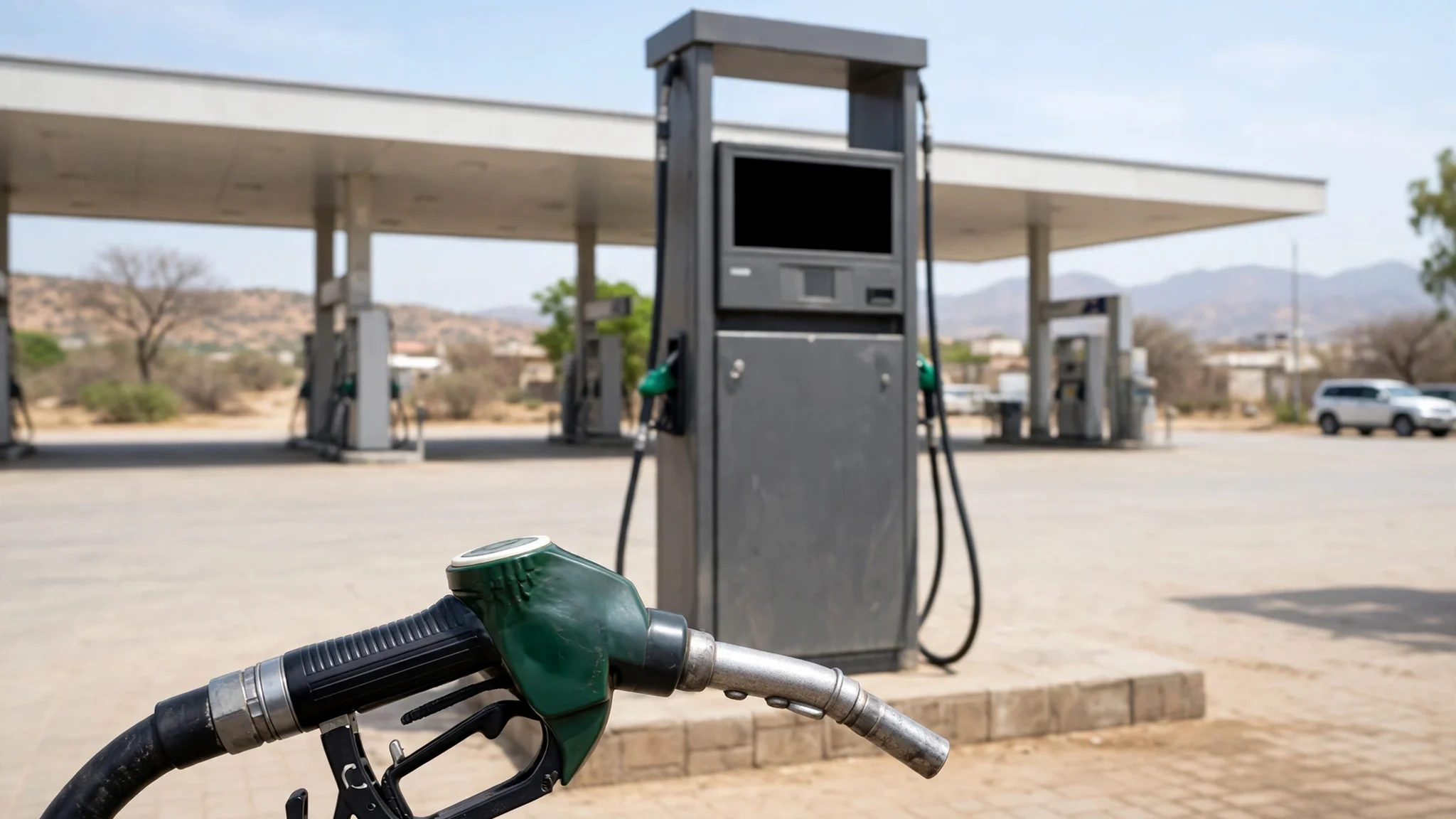
Every time a Pakistani fills a tank, the price on the pump includes more than the cost of the fuel. It includes taxes and levies that the government collects on every litre, and those charges are a large part of what the customer pays. In late October 2026, two different figures were in the news at the same time: a petroleum levy of Rs80 per litre, and a total tax figure of Rs114 per litre. They are not the same number, and confusing them is the easiest way to misunderstand the petrol price. This post explains, in simple words, what a petrol levy is, what the two figures mean, and how the price is built up, litre by litre.
What A Levy Is
A levy is a charge imposed by the government on a particular product or activity, collected for a particular purpose. It is not quite the same as a general tax. A tax goes into the government’s general revenue, to be spent on anything. A levy is usually tied, at least in name, to a purpose: the money is raised on petrol, and the government says it will use it for the budget, for development, or for a specific fund. In practice, the distinction is often blurred, because money collected from a levy goes into government accounts and is spent as the government decides.
The petroleum levy in Pakistan is the main levy on petrol and diesel. It is charged per litre, which means every litre a customer buys carries the same levy, whether the customer is a motorcyclist buying two litres or a truck driver buying two hundred. The levy does not change with the price of oil in the world market. It is a fixed amount per litre, set by the government, and it can be raised or lowered by the government without any change in the world price of crude oil.
The Two Figures In The News
In late October 2026, two figures appeared in the news, and they need to be kept apart. The first is the petroleum levy itself. According to the Oil and Gas Regulatory Authority (OGRA) pricing notification reported by Nukta on 28 October 2026, the petroleum levy stood at Rs80 per litre on both petrol and diesel, with an additional climate support levy of Rs5 per litre on both fuels, and sales tax at zero. That is Rs85 per litre in levies, on top of the base price of the fuel and other charges.
The second figure is larger. Jamaat-e-Islami (JI), which had been demanding the abolition of the levies for more than two months, said the total levies and duties on petrol amounted to Rs114 per litre, and Rs100 per litre on diesel. Dawn reported the demand on 23 October 2026. That figure is not the petroleum levy alone. It is the total of all the taxes, duties and levies charged on a litre, including the petroleum levy, the climate support levy, customs duty, and other charges. The Rs80 figure is one levy. The Rs114 figure is the total tax burden. Both are correct, and they describe different things.
How The Price Of A Litre Is Built
The price a customer pays for a litre of petrol is built in layers. The first layer is the cost of the fuel itself: the world price of crude oil, refined into petrol, shipped to Pakistan, and delivered to the pump. The second layer is the charges added by the government: the petroleum levy, the climate support levy, customs duty, and any other duties. The third layer is the margin for the oil companies and the dealers who sell the fuel, plus the cost of transporting it to the pump.
On 28 October 2026, the notified prices were petrol at PKR 376.06 per litre, down Rs3.19, and high-speed diesel at PKR 398.07 per litre, up Rs2.25, for the fortnight beginning that day. The OGRA notification also showed customs duty on petrol at Rs20.56 per litre, down Rs5.71, and on diesel at Rs19.25. The petroleum levy and the climate support levy together added Rs85 to every litre of both fuels, with sales tax at zero. The world price of oil moves up and down. The levies do not move with it, which is why the pump price can stay high even when the world price falls.
The Climate Support Levy
The climate support levy is the newer of the two levies. It is charged at Rs5 per litre on petrol and diesel, on top of the Rs80 petroleum levy. Its name suggests it is meant to support climate-related spending, such as dealing with floods, heatwaves, and other effects of a changing climate. Pakistan is one of the countries most affected by climate change, despite contributing very little to the world’s emissions, and the government has argued that a dedicated levy helps fund the response.
Critics ask a fair question: is the money actually spent on climate work, or does it simply go into general government revenue? The notification shows the levy being collected. It does not, by itself, show where the money goes. That is a question for the budget, not for the pump price, and it is one that opposition parties and analysts raise every time the levy is increased or discussed.
Why The Levy Is So Large
The petroleum levy is large because it is one of the government’s most reliable sources of money. Petrol and diesel are used by almost everyone, directly or indirectly. Every litre sold brings in Rs80 in petroleum levy, plus Rs5 in climate support levy, whatever the world price of oil. For a government that needs revenue and finds it hard to collect income tax from a large informal economy, a levy on fuel is easy to collect and hard to avoid. Every litre that passes through a pump is counted and charged.
That reliability is also why the levy is politically painful. When the world price of oil rises, the pump price rises too, and the levy stays on top, making the increase larger than it would otherwise be. When the world price falls, the government can keep the pump price high by keeping the levy unchanged, or even raising it, and use the extra money for the budget. Consumers feel that they are paying the same high price even when oil is cheaper in the world market, and they are right. The levy is the reason.
The Demand To Abolish The Levies
Jamaat-e-Islami’s demand, reported by Dawn on 23 October 2026, was for the abolition of the levies: Rs114 per litre on petrol and Rs100 per litre on diesel, in the party’s total figure. The party said fuel prices had skyrocketed because of conflicts in the Middle East since March, and that the levies were making life harder for ordinary people. JI held talks with the government and called for countrywide protests if its demands were not met.
The demand raises a real policy question. Abolishing the levies would cut the pump price sharply, and would bring immediate relief to consumers, transporters, and farmers. It would also remove a large source of government revenue, which would have to be found elsewhere or replaced by borrowing. The government argues that it needs the revenue to run the country and to meet its commitments. The opposition argues that the burden on ordinary people is too heavy. Both sides are describing real costs. The choice is about who bears them.
Fortnightly Reviews And What Changes
Petrol and diesel prices in Pakistan are reviewed every fortnight, on the 1st and 16th of each month, and the government announces the new prices for the next fifteen days. The review takes account of the world price of oil, the exchange rate of the rupee against the dollar, and the taxes and levies in force. The government can also change the levies at a review, raising or lowering them to adjust the final price.
The fortnightly rhythm means the price can change twice a month, sometimes by a few rupees, sometimes by more. For consumers, the important thing to watch is not only the headline price, but the breakdown: how much is the fuel, how much is the levy, and how much is customs duty. The OGRA notification, published each fortnight, shows that breakdown, and it is the most reliable source for what the customer is actually paying for.
What To Look For On Your Receipt
The next time you fill a tank, the price on the pump is the sum of three things: the fuel, the government’s charges, and the seller’s margin. Of those three, the government’s charges are the largest single addition, and the petroleum levy is the largest of them. The Rs80 petroleum levy and the Rs5 climate support levy together are Rs85 on every litre, with sales tax at zero in late October 2026. The total tax burden, counting customs duty and other charges, was put at Rs114 per litre for petrol by Jamaat-e-Islami in its demand for abolition.
Knowing the breakdown does not make the price lower. But it does make the argument about the price clearer. When someone says the levy is Rs80, they are talking about one charge. When someone says the taxes are Rs114, they are talking about all of them together. Both numbers are in the news. Now you know what each one means.
Frequently Asked Questions
What is the petrol levy in Pakistan?
The petrol levy, formally the petroleum levy, is a fixed charge imposed by the government on every litre of petrol and diesel sold in Pakistan. As of 28 October 2026, it stood at Rs80 per litre on both petrol and diesel, according to the OGRA pricing notification reported by Nukta, with an additional climate support levy of Rs5 per litre and sales tax at zero. The levy does not change with the world price of oil. It is set by the government and can be raised or lowered at each fortnightly price review.
How much tax is there on a litre of petrol in Pakistan?
It depends on whether you count one levy or all charges together. The petroleum levy alone was Rs80 per litre in late October 2026, plus a Rs5 climate support levy, making Rs85 in levies, with sales tax at zero. The total of all taxes, duties and levies on a litre of petrol, including customs duty and other charges, was put at Rs114 per litre by Jamaat-e-Islami in its demand for abolition, reported by Dawn on 23 October 2026, with Rs100 per litre on diesel. The Rs80 figure is one levy, while the Rs114 figure is the total tax burden.
What is the climate support levy on petrol?
The climate support levy is an additional charge of Rs5 per litre on petrol and diesel, on top of the Rs80 petroleum levy, as shown in the OGRA pricing notification of 28 October 2026. Its name suggests it is meant to support climate-related spending, such as dealing with floods, heatwaves and other effects of a changing climate. Critics ask whether the money is actually spent on climate work or goes into general government revenue, which is a question for the budget rather than for the pump price.
Why are petrol prices so high in Pakistan?
The pump price is built in layers: the cost of the fuel itself, based on the world price of crude oil and the exchange rate, plus the government’s charges, plus the margin for oil companies and dealers. The government’s charges are the largest single addition, with the petroleum levy and climate support levy together adding Rs85 to every litre in late October 2026. Because the levies are fixed per litre, the pump price can stay high even when the world price of oil falls. Middle East conflicts since March 2026 also pushed fuel prices up, according to Jamaat-e-Islami’s demand reported by Dawn.
Who wants the petrol levy abolished in Pakistan?
Jamaat-e-Islami has demanded the abolition of the levies for more than two months, saying the total levies of Rs114 per litre on petrol and Rs100 per litre on diesel are making life harder for ordinary people. The party held talks with the government and called for countrywide protests if its demands were not met. Abolishing the levies would cut the pump price sharply but would also remove a large and reliable source of government revenue, which would have to be found elsewhere or replaced by borrowing.
Sources
- Nukta — OGRA notifies revised petrol, diesel prices from October 28: https://www.nukta.com/petrol-diesel-prices-pakistan-october-28-ogra
- Dawn — JI demands abolition of Rs114 per litre levies on petrol: https://www.dawn.com/news/2039149/ji-demands-abolition-of-rs114-per-litre-levies-on-petrol