How to Boost Energy Without Coffee: What Really Works
In this post
Many people rely on coffee to get through the day, and when they try to cut back, they feel tired, irritable, and unable to concentrate. Coffee works by blocking sleepiness, but it does not create energy; it only masks tiredness. Real energy comes from sleep, food, movement, light, and stress management, and when those are in place, most people need far less caffeine. This article explains how to boost energy without coffee, in simple, practical terms, and it focuses on changes that are free, safe, and realistic for ordinary life. It is general information only, not a substitute for medical advice.
The key idea is that energy is not a single thing, but a result of many systems working well together. Poor sleep, dehydration, low iron, lack of movement, and chronic stress all drain energy, and fixing one of them can make a noticeable difference. Coffee can help in the short term, but it cannot fix poor sleep or a poor diet. This guide covers the most effective natural energy boosters, the mistakes that drain energy, and how to reduce coffee gradually without a painful withdrawal.
Sleep: The Foundation of Real Energy
Sleep is the most important source of energy, and no amount of coffee can replace it. Adults generally need seven to nine hours, and consistently getting less leads to tiredness, poor concentration, and low mood. Keeping regular sleep hours, winding down without screens, and keeping the bedroom dark and cool helps the body get the deep, restorative sleep it needs. A short nap, of twenty minutes or less in the early afternoon, can also boost energy without affecting night-time sleep. If you are tired during the day, the first question to ask is not how much coffee you drank, but how well you slept last night, because sleep is the foundation that everything else builds on.
Build a life that supports your health, rather than a plan that fights your life, and you will be healthier for longer. Finally, remember that wellbeing is a lifelong project, not a short-term fix. A diet that lasts a month, an exercise programme that lasts a few weeks, or a sleep routine that lasts a few days will not change your health in the long term. What changes health is a pattern that you can keep for years, through distinct seasons of life, through work, family, and ageing. That pattern does not need to be perfect; it needs to be sustainable.
Numbers can help or they can harm, depending on how you use them. A scale, a step counter, or a blood pressure reading is helpful if it tells you whether a habit is working, but it is harmful if it becomes a everyday judgement that makes you feel like a failure. The best way to use numbers is to look at trends over weeks, not at single days, and to pay attention to how you feel, not only to what the number says. If you sleep better, feel more energetic, and walk further, those are real improvements, even if the scale has not moved. Judge a habit by your life, not by a single measurement, and you will be kinder to yourself and more likely to keep going.
Food That Fuels Energy, Not Crashes
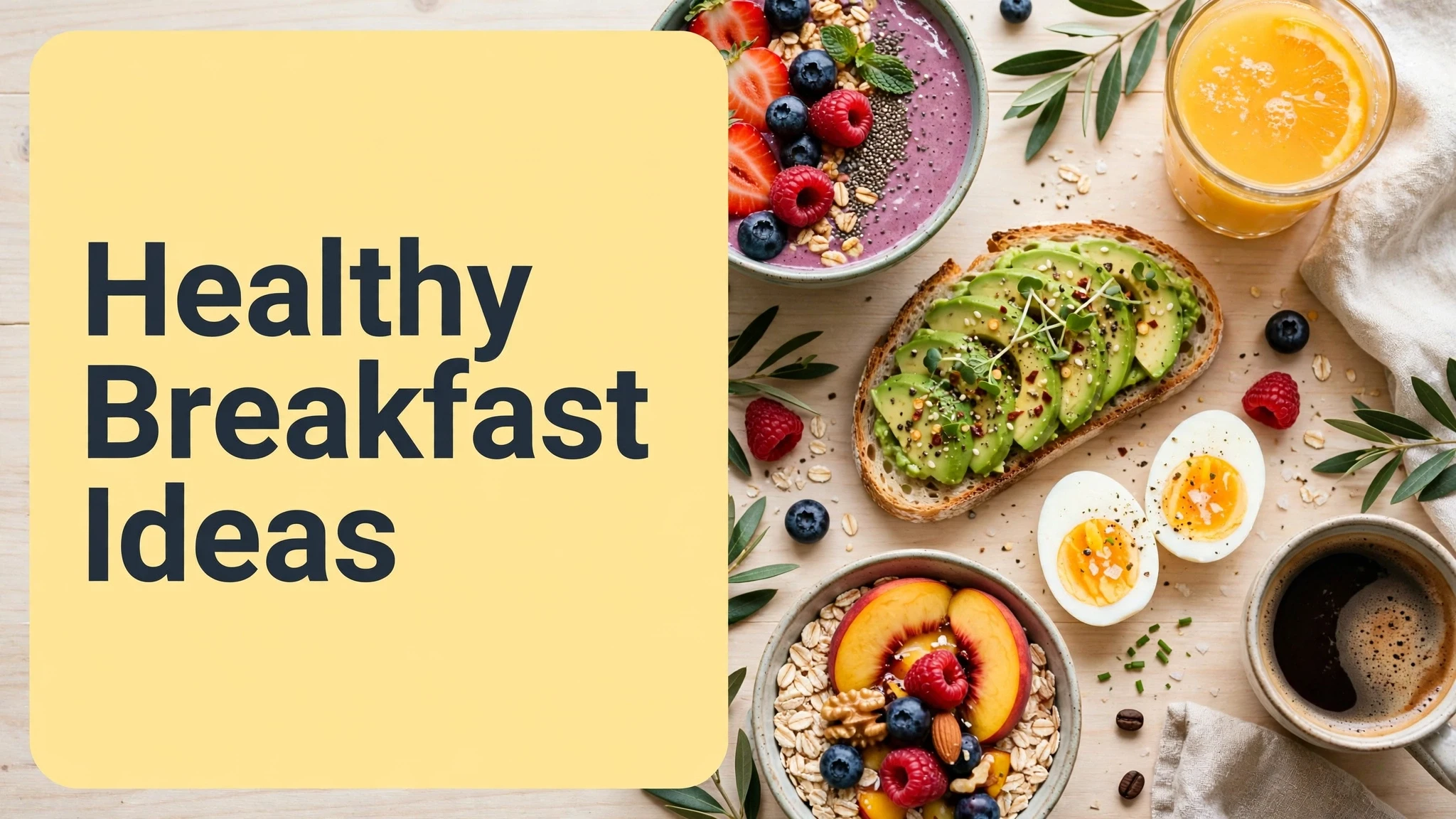
Food affects energy more than most people realise. A breakfast based on whole grains, protein, and fruit, such as oats with yoghurt and berries, provides steady energy, while a sugary breakfast causes a quick spike followed by a crash. Eating regular, balanced meals, with protein at each meal, helps keep blood sugar stable and prevents the afternoon slump. Iron-rich foods, such as lentils, beans, spinach, and lean meat, are important, because low iron can cause tiredness, especially in women. Drinking enough water also matters, because even mild dehydration causes fatigue. The rule is simple: eat real food, regularly, and avoid relying on sugar for energy.
Muscle can be built at any age, balance can be improved, and the brain can learn fresh things throughout life. The individuals who age well are usually the ones who keep moving, keep learning, keep eating well, and keep connected to others, not the ones who accept decline as inevitable. That is a hopeful message, because it means that the choices you make today, at any age, still matter. It is never too late to start, and the benefits of starting, even late, are genuine and measurable. Age is a reason to take care of yourself, not a reason to give up. Ageing changes the body, but it does not have to mean decline.
Trust the numbers on the back, not the promises on the front. Food labels can be confusing, and numerous products that claim to be healthy are not. A cereal that says whole grain may still be high in sugar, a juice that says natural may still be high in calories, and a snack that says low fat may be high in salt. Learning to read a label, to check sugar, salt, and fibre per hundred grams, and to ignore the claims on the front of the packet, is a useful skill. It takes a few minutes to learn, and it saves you from being misled by marketing.
Movement and Light: The Fastest Natural Boosters
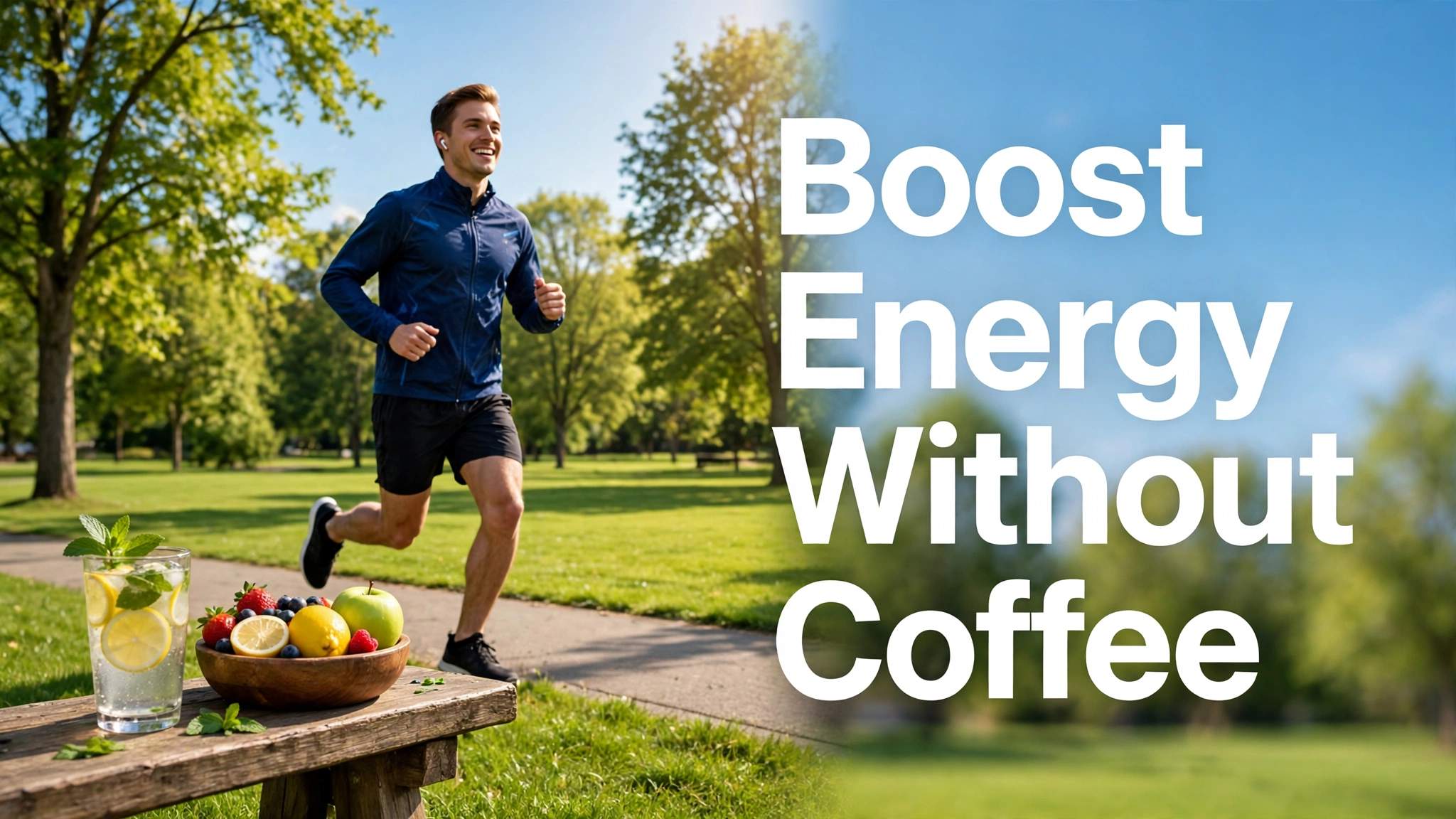
Movement is one of the fastest ways to boost energy, even when you feel tired. A ten-minute brisk walk, especially outdoors in daylight, increases blood flow, releases endorphins, and helps reset the body clock. Daylight is especially important in the morning, because it signals the brain to stop producing melatonin, the sleep hormone, and to become alert. If you work indoors, try to get outside for a few minutes in the morning and at lunchtime. Stretching, standing up regularly, and taking short movement breaks during the day also help, because long periods of sitting drain energy and stiffen the body.
That is how real change happens, not in a single dramatic overhaul, but in a chain of small improvements. Sleep, food, movement, and stress are not separate topics; they are one system, and they affect each other constantly. Poor sleep makes you crave sugar, sugar makes you sleep badly, lack of movement makes you tired, and tiredness makes you stressed. Breaking that cycle at any one point aids the whole system, which is positive news: you do not need to fix everything at once. Fix sleep, and food becomes easier. Fix food, and energy improves. Fix movement, and sleep improves. Pick the easiest one, start there, and let the improvement spread.
The most effective stress management is often the simplest: consistent sleep, consistent movement, time outdoors, time with individuals you trust, and a few minutes of quiet each day. Those habits do not eliminate stress, but they make the body more resilient to it, and resilience is the goal, not a stress-free life, which does not exist. Stress is not only a feeling; it is a physical state that affects the heart, the gut, the immune system, and the brain. Chronic stress raises blood pressure, disrupts sleep, increases appetite for sugary food, and weakens immunity. Managing stress is therefore not a luxury or a self-indulgence; it is a medical necessity.
Water, Breathing and Small Habits
Dehydration is a common cause of tiredness, and drinking water regularly can improve energy within an hour. Keep a bottle of water nearby and drink throughout the day, rather than waiting until you are very thirsty. Slow, deep breathing can also help, because it increases oxygen and calms the nervous system, especially when you feel stressed or overwhelmed. Small habits, such as splashing cold water on your face, opening a window for fresh air, or listening to upbeat music, can provide a short boost. These habits are not a substitute for sleep and food, but they are useful tools for the moments when you need energy quickly and do not want to reach for coffee.
A holiday, a busy week at work, an illness: all of these will disrupt a routine, and if you have no plan for them, you are likely to give up entirely. A better approach is to decide in advance what you will do when life gets challenging: a shorter walk, a simpler meal, a earlier bedtime. Having a minimum version of your routine, one you can do even on the hardest day, keeps the habit alive through the disruption, and it makes it easier to return to the full routine afterwards. Plan for the bad days, and the positive days will look after themselves. Another helpful habit is to plan for setbacks in advance.
That mismatch is why willpower alone rarely works, and why environment matters more: if healthy food is visible and junk food is hidden, if walking shoes are by the door and the car keys are not, the healthy choice becomes the easy choice. Changing the environment is easier than changing yourself, and it works even when motivation is low. Set up your home and your day so that the right choice is the default, not a daily battle. One of the hardest parts of changing a wellbeing habit is that the benefits are slow and invisible, while the costs are immediate and obvious. Giving up a favourite food feels like a loss today, while the benefit, a lower risk of disease in ten years, feels abstract.
Stress, Overload and the Energy Drain
Chronic stress drains energy, because the body stays in a state of alertness that is exhausting over time. Reducing stress, through regular exercise, time outdoors, social connection, and setting boundaries at work, can restore energy more effectively than caffeine. It is also important to be realistic about workload: trying to do too much, without breaks, leads to burnout, not productivity. Taking short breaks, prioritising the most important tasks, and saying no to non-essential commitments can help. If tiredness is persistent and affects your daily life, talk to a clinician, because it can be a sign of low iron, thyroid problems, depression, or other conditions that need treatment.
Exercise is often sold as punishment for eating, or as a way to earn food, and that framing is harmful. Movement is not a penalty; it is a pleasure, a way to feel strong, to clear your mind, and to enjoy your body. When exercise is framed as a chore, individuals avoid it, and when it is framed as a way to burn calories, individuals quit when the calories do not add up. A better frame is to find movement you enjoy, whether it is walking, dancing, swimming, or gardening, and to do it because it feels positive, not since you have to. Enjoyable movement is sustainable movement, and sustainable movement is the only kind that matters for wellbeing.
A partner who cooks with you, a friend who walks with you, a family that supports a fresh habit: all of these make change easier and more enjoyable. Wellbeing is not only an individual project; it is a social one, and the individuals around you can help or hinder, often without realising it. Talking openly about what you are trying to do, and asking for support, is not a sign of weakness; it is a practical step that makes success more likely. You do not have to do it alone, and you should not try to. One more point that is often missed is the role of other individuals in wellbeing.
How to Reduce Coffee Gradually
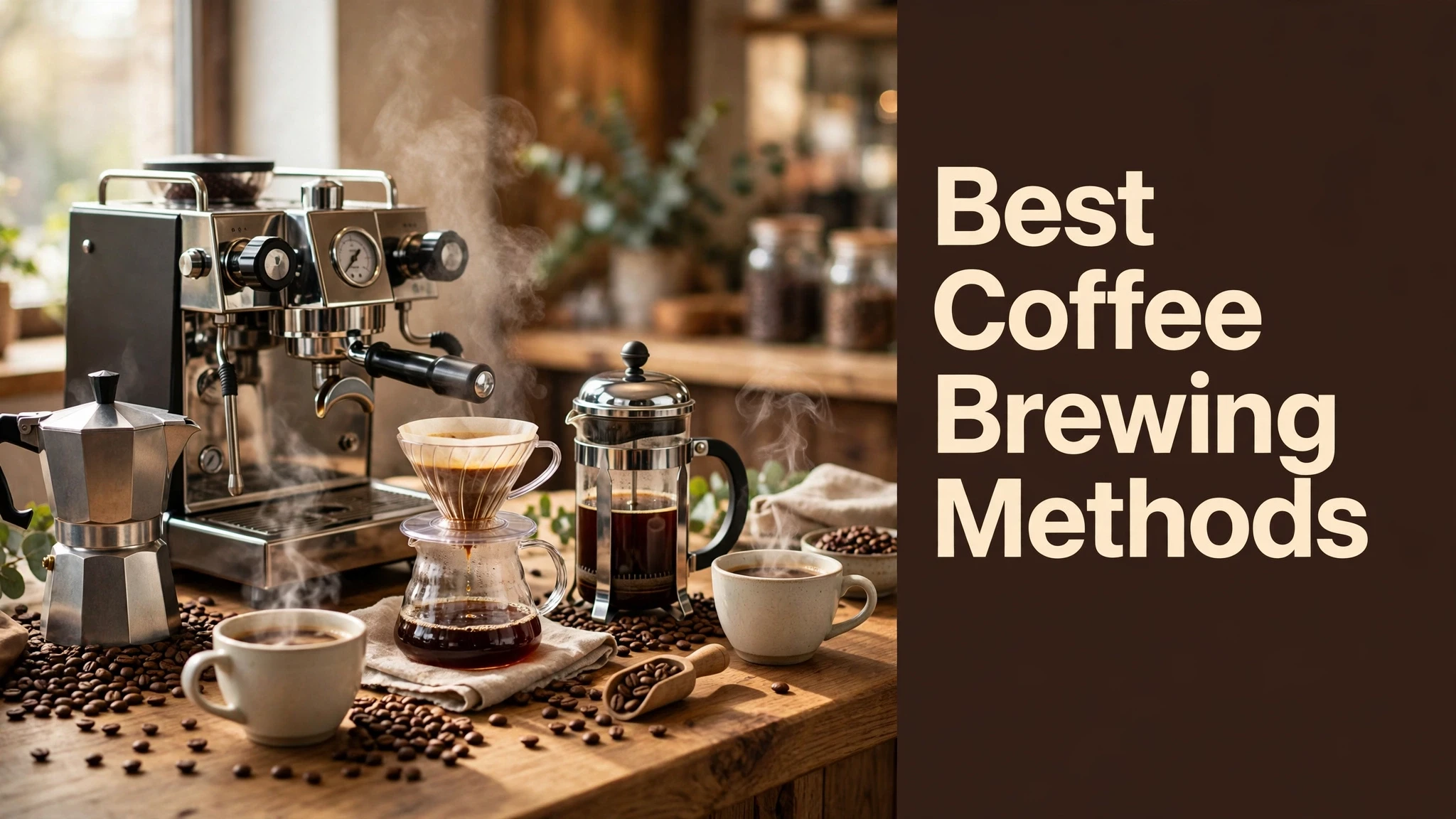
If you want to reduce coffee, do it gradually to avoid withdrawal headaches and irritability. Reduce by one cup every few days, or switch to half-caffeine coffee, or to tea, which has less caffeine. Replace the ritual, not just the caffeine: if you enjoy the morning coffee break, keep the break, but drink water, herbal tea, or a smoothie instead. Drink your last coffee earlier in the day, so it does not affect your sleep, and avoid energy drinks, which are high in caffeine and sugar. Most people find that after a week or two, their energy stabilises, their sleep improves, and they need far less caffeine than they thought.
If a plan only works for the wealthy and the idle, it is not a wellbeing plan; it is a fantasy. Health advice often ignores the fact that individuals live in real homes, with genuine budgets, genuine families, and real constraints. A recommendation that requires expensive food, special equipment, or hours of free time is not a recommendation for most people; it is a luxury. The finest health advice is the kind that works in an ordinary kitchen, on an ordinary income, with ordinary time. Home-cooked lentils, a walk around the block, water from the tap, and a consistent sleep schedule are all free or cheap, and they are available to almost everyone.
Food is not only fuel; it is also culture, comfort, and connection, and any wellbeing advice that ignores that will fail. People eat with family, they celebrate with food, and they comfort themselves with familiar dishes. A diet that forbids all of that, that turns every meal into a test, will not last, because it asks individuals to give up too much of what makes life enjoyable. A better approach is to keep the foods you love, in smaller portions, and to add healthier foods alongside them, rather than replacing everything at once. Enjoyment matters, since a diet you enjoy is a diet you will keep, and a diet you keep is the only one that works.
When Tiredness Needs Medical Help
Most tiredness improves with better sleep, food, movement, and stress management, but some tiredness needs medical help. See a clinician if you feel tired all the time despite enough sleep, if tiredness is severe or getting worse, or if it is accompanied by weight loss, fever, breathlessness, or mood changes. A clinician can check for anaemia, thyroid problems, diabetes, sleep apnoea, and depression, all of which can cause fatigue. Do not ignore persistent tiredness, because it is a symptom, not a personality trait, and treating the cause is more effective than masking it with caffeine. Good energy starts with good health, and good health sometimes needs professional help.
If a habit makes you feel better, keep it. If it makes you feel worse, stop it and try something else. Your body is the finest guide you have, and learning to listen to it, with patience and with professional help when needed, is the most important wellbeing skill of all. Finally, wellbeing is personal, and what works for one person may not work for another. A diet that suits a young athlete may not suit an older person with kidney disease, and an exercise that aids one person may harm another with a bad knee. That is why general advice should be treated as a starting point, not as a prescription, and why listening to your personal body matters.
Design for the worst week, and the good weeks will take care of themselves. The most helpful way to think about any wellbeing habit is to ask whether you could still do it on your worst week, not your best one. A routine that only works when life is calm, when you have time, money, and energy, will fail at the first busy period, and busy periods are when you need it most. A habit that survives a bad week, a late night, a cold, or a family crisis is a habit that will last for years. That is why modest, simple habits beat grand plans: a short walk, a glass of water, a consistent bedtime, and a straightforward meal are all things you can do even when everything else is difficult.
My Take:
Energy without coffee is a topic I care about because so many people have been taught that tiredness is a caffeine deficiency, when it is usually a sleep, food, or stress problem. Coffee masks the symptom, but it does not fix the cause, and over time it can make sleep worse, which makes tiredness worse, which makes you drink more coffee. Breaking that cycle, by sleeping better, eating real food, moving outdoors, and drinking water, is harder than making another cup, but it is also more honest and more lasting. I think the best energy comes from a body that is rested, fed, and moved, not from a stimulant. Another belief I hold is that the body gives better feedback than any app. Tiredness, thirst, hunger, pain, and poor sleep are all information, not annoyances to be overridden. Learning to notice those signals early, and to act on them, is one of the most valuable health skills there is. It does not replace medical care; it tells you when medical care is needed, and it tells you sooner, when help is usually simpler. Listen to your body, and take it seriously, because it is trying to tell you something.
I also believe we should be kinder to ourselves about tiredness. Feeling tired is not a failure, and it is not a sign that you are lazy; it is information. Your body is telling you that something needs attention, whether it is sleep, food, iron, or stress. Listening to that information, rather than overriding it with caffeine, is a skill worth learning. If you do need coffee, enjoy it, but do not let it become the only way you can function. Real energy is built slowly, through habits, and it is worth building, because it lasts longer than any cup. I want to be honest about limits too. No single habit, food, or routine is a cure, and anyone who promises a cure is selling something. Health is shaped by genetics, environment, income, and luck, as well as by choices. Pretending otherwise blames people for problems they did not cause. What honest advice can do is shift the odds, reduce daily strain, and make life feel better. That is enough, and it is worth doing without exaggerating it. Trustworthy advice says what it can do and what it cannot.
Energy without coffee is a topic I care about because so many people have been taught that tiredness is a caffeine deficiency, when it is usually a sleep, food, or stress problem. Coffee masks the symptom, but it does not fix the cause, and over time it can make sleep worse, which makes tiredness worse, which makes you drink more coffee. Breaking that cycle, by sleeping better, eating real food, moving outdoors, and drinking water, is harder than making another cup, but it is also more honest and more lasting. I think the best energy comes from a body that is rested, fed, and moved, not from a stimulant. Finally, my practical advice is to start smaller than you think you need to. Choose one change, make it so small that skipping it feels silly, and do it at the same time each day. Track how you feel, not just a number. Give it several weeks before judging it, and change only one thing at a time so you know what helped. If a change makes life harder without making you feel better, drop it and try another. The best routine is the one you can keep, the one that fits your life, and the one that leaves you with more energy, not less.
I also believe we should be kinder to ourselves about tiredness. Feeling tired is not a failure, and it is not a sign that you are lazy; it is information. Your body is telling you that something needs attention, whether it is sleep, food, iron, or stress. Listening to that information, rather than overriding it with caffeine, is a skill worth learning. If you do need coffee, enjoy it, but do not let it become the only way you can function. Real energy is built slowly, through habits, and it is worth building, because it lasts longer than any cup. I also believe that asking for help is a strength, not a weakness. Persistent tiredness, pain, or worry deserves a clinician’s attention, and getting that attention early is wiser than waiting until a problem becomes serious. Too many people suffer in silence because they do not want to be a bother, or because they think their problem is not serious enough. It is serious enough if it affects your daily life, and a good clinician will take it seriously. Health is not a solo project; it is a shared one, and help is part of it.
Energy without coffee is a topic I care about because so many people have been taught that tiredness is a caffeine deficiency, when it is usually a sleep, food, or stress problem. Coffee masks the symptom, but it does not fix the cause, and over time it can make sleep worse, which makes tiredness worse, which makes you drink more coffee. Breaking that cycle, by sleeping better, eating real food, moving outdoors, and drinking water, is harder than making another cup, but it is also more honest and more lasting. I think the best energy comes from a body that is rested, fed, and moved, not from a stimulant. My view is simple: health advice should fit a real life, not an ideal one. If a routine only works when you have time, money, and energy, it will fail when you need it most, and that is not your fault; it is the advice’s fault. I look for habits that survive a bad week, that cost little, and that can be done in an ordinary home, because those are the habits that actually change health. The rest is decoration, and decoration does not lower blood pressure, improve sleep, or make you stronger. Small, survivable habits are the ones worth keeping.
I also believe we should be kinder to ourselves about tiredness. Feeling tired is not a failure, and it is not a sign that you are lazy; it is information. Your body is telling you that something needs attention, whether it is sleep, food, iron, or stress. Listening to that information, rather than overriding it with caffeine, is a skill worth learning. If you do need coffee, enjoy it, but do not let it become the only way you can function. Real energy is built slowly, through habits, and it is worth building, because it lasts longer than any cup. I also think we should stop treating health as a moral test. A missed walk, a late night, or a heavy meal is not a failure of character; it is a normal day. The language of cheating and falling off the wagon turns normal life into guilt, and guilt rarely helps anyone make a better choice tomorrow. What helps is noticing, without drama, and returning to the routine at the next opportunity. That calm return is a skill, and it matters more than any single perfect day. Be kind to yourself, and you will be healthier for it.
Frequently Asked Questions
How can I boost energy without coffee?
Sleep seven to nine hours, eat balanced meals with protein, drink water, walk outdoors in daylight, and manage stress, which together boost energy naturally.
What foods give energy without caffeine?
Oats, eggs, lentils, nuts, fruit, and vegetables provide steady energy, while sugary foods cause a spike followed by a crash.
Does exercise boost energy when tired?
Yes, even a ten-minute brisk walk outdoors can increase energy, improve mood, and reduce tiredness, although rest is also important.
How do I stop drinking coffee without headaches?
Reduce gradually, by one cup every few days, switch to tea or half-caffeine coffee, and drink enough water to ease withdrawal.
Why am I tired all the time?
Persistent tiredness can be caused by poor sleep, low iron, thyroid problems, depression, or other conditions, and should be checked by a clinician if it continues.
Does daylight help energy?
Yes, morning daylight helps reset the body clock, reduces melatonin, and improves alertness, especially when combined with a short walk outdoors.