Mystery House That No One Buys
In this post
- The Legend: Why Stories Grow Around Empty Houses
- Price: The Most Common Real Reason
- Legal Problems That Frighten Buyers Away
- Hidden Damage: What a Viewing Cannot Show
- Location, Neighbours, and the Feeling of a Place
- Stigma, Death, and the Buyer Who Does Not Mind
- How to Check a Mystery House Before You Judge It
- My Take:
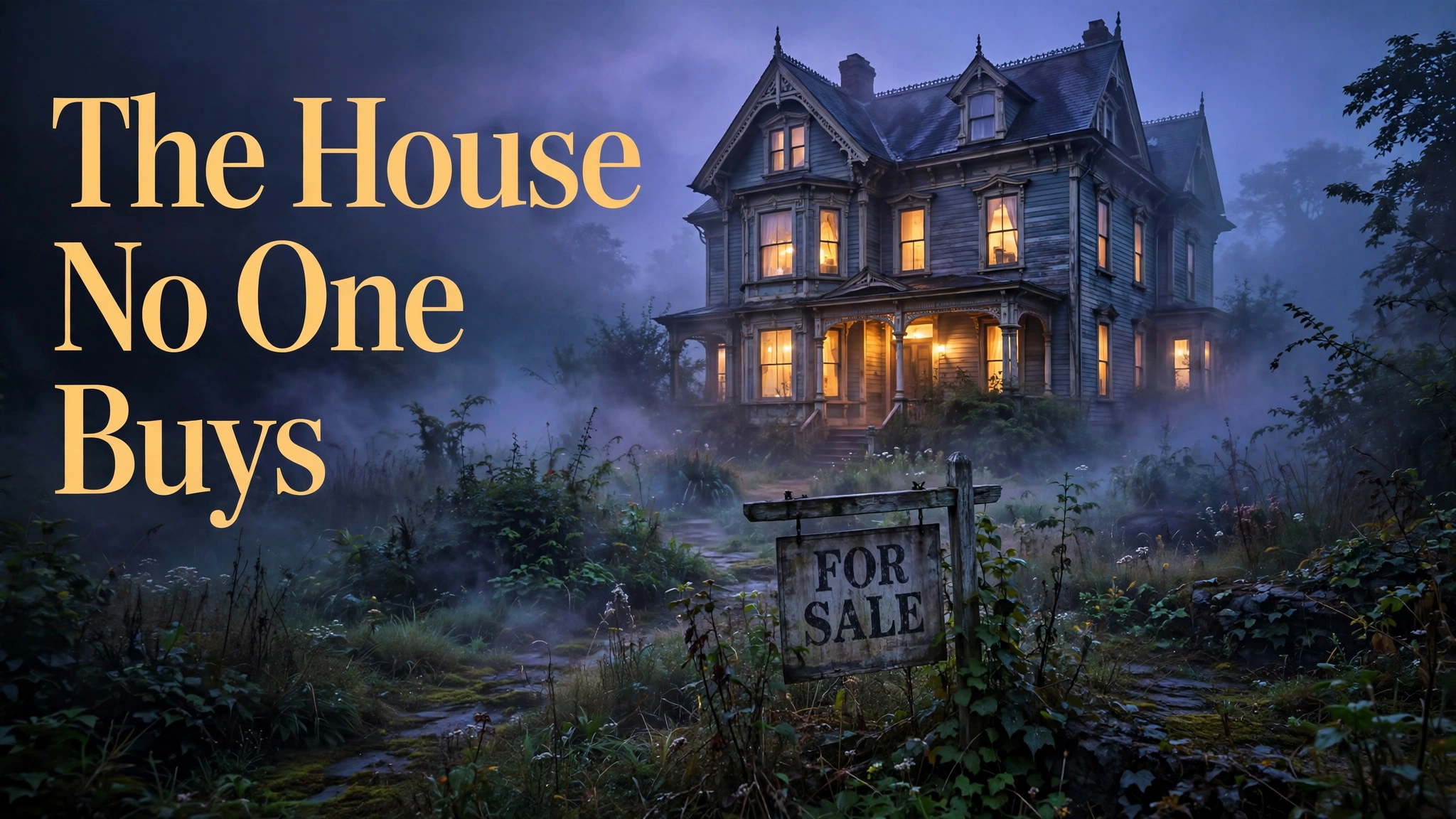
Every town has one: a house that stays on the market while neighbours sell, or that sits empty for years while its garden grows wild and its paint peels. Passers-by invent stories about it, children dare each other to approach it, and estate agents struggle to explain why a property with solid walls and a reasonable size attracts no serious offer. Sometimes the explanation is supernatural in local legend, but in most real cases it is far more ordinary, and far more interesting: a mix of price, legal trouble, hidden damage, location, and reputation that together make buyers walk away.
This article separates legend from the practical reasons a house goes unsold, and it does so without inventing a specific address, owner, or tragedy. The mystery house is a type, not a single verified property, and treating it as a type helps buyers, sellers, and neighbours understand what is really happening. A house that no one buys is rarely mysterious in the sense of being unexplainable. It is mysterious because several problems overlap, and no single problem explains the whole picture until they are examined together.
The Legend: Why Stories Grow Around Empty Houses
An empty house invites stories because absence creates room for imagination. A dark window, a broken gate, or a light that flickers when no one lives there can be explained by weather, wiring, or an animal, but a story about a ghost is more memorable and more shareable. Children tell each other tales, adults repeat rumours they heard from neighbours, and social media adds photographs with dramatic captions that travel far beyond the street. Within a few years, a house with a mundane history, such as a long probate dispute or an owner who moved abroad, can acquire a reputation for tragedy that no record supports.
Local history also plays a role. A house where someone died, especially suddenly or violently, may be remembered long after the event, even if the death was natural or the house has since been renovated. In some cultures, a death in a house, particularly a suicide or a murder, creates a lasting stigma that affects value and desirability, regardless of the physical condition of the property. That stigma is real in its effects, even when the supernatural claims attached to it are not supported by evidence, because buyers make decisions based on feeling as well as on surveys and valuations.
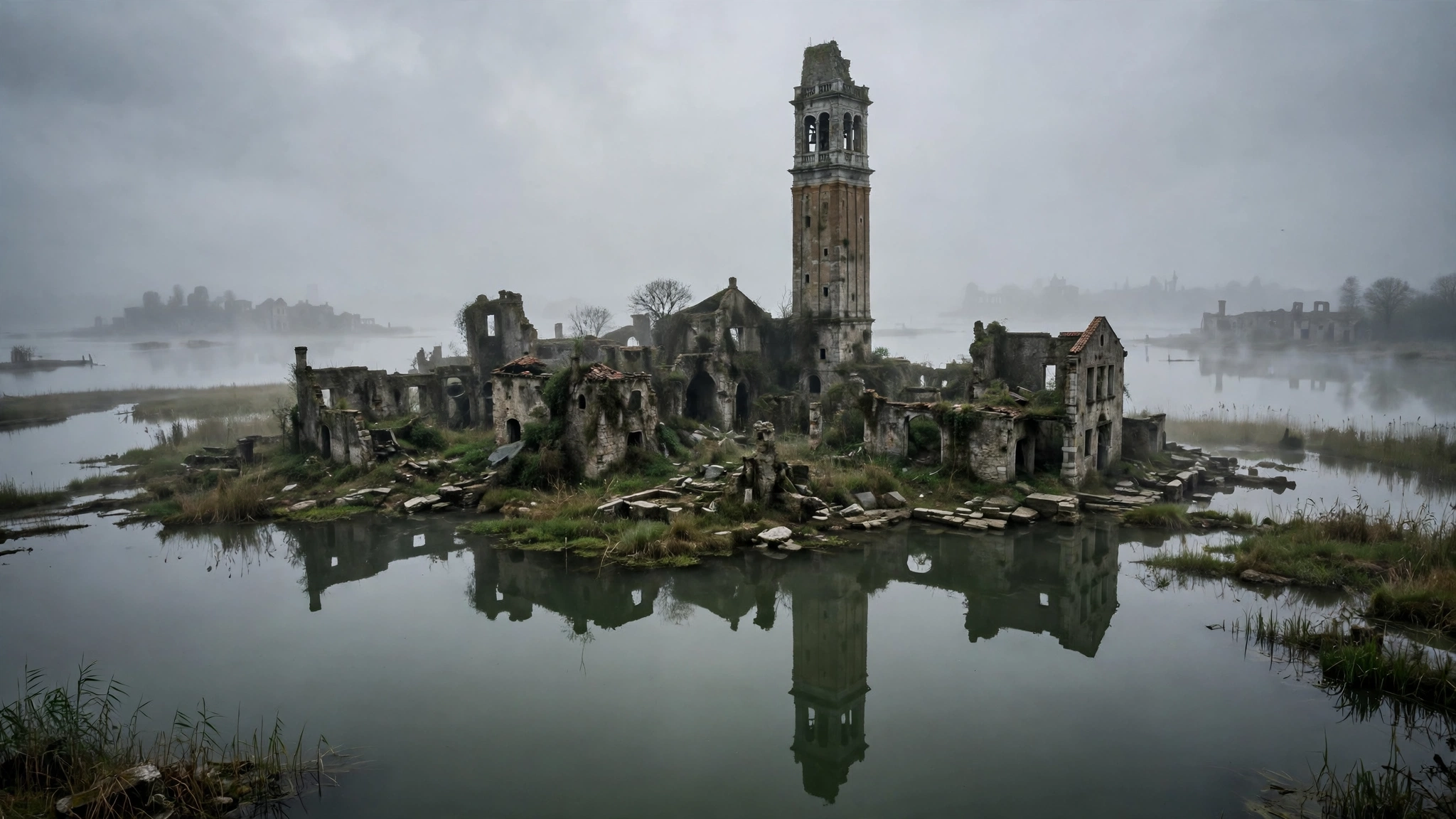
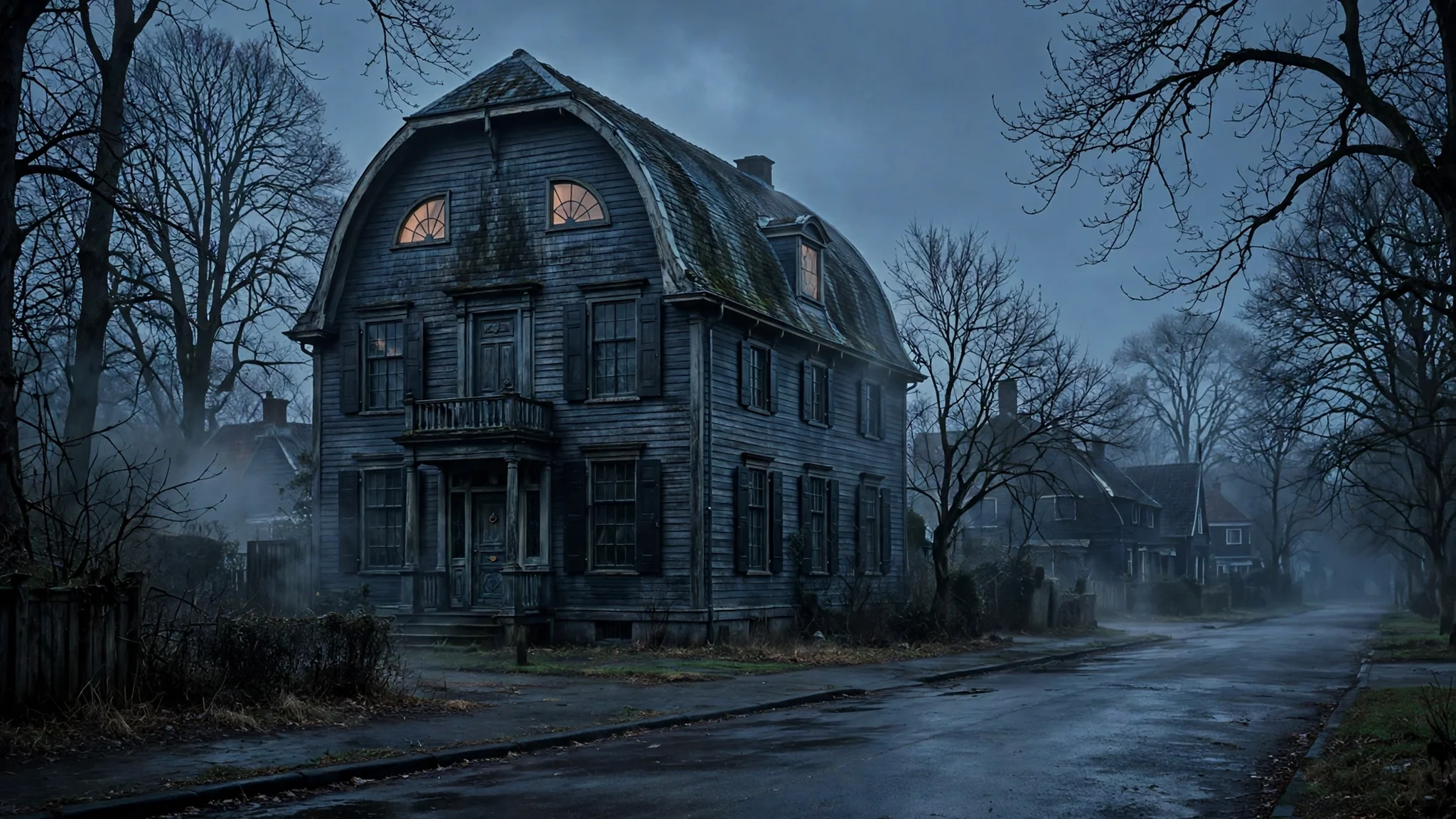
Media and folklore amplify the effect. Horror films, television programmes, and online videos use the empty house as a symbol of hidden secrets, and audiences project those stories onto real buildings. A house that looks like a film set, with Victorian features, a tower, or an overgrown garden, is more likely to attract legend than a plain modern house with the same legal problems. Appearance therefore matters: a house that looks mysterious will be treated as mysterious, which can deter buyers before they even arrange a viewing, creating a cycle in which emptiness breeds legend and legend breeds further emptiness.
Price: The Most Common Real Reason
In practice, the most common reason a house does not sell is price, and price problems are often hidden behind more dramatic explanations. An owner may set a price based on emotional attachment, on what a neighbour achieved years ago, or on money spent on renovations that buyers do not value in the same way. A house priced even ten percent above comparable local sales can sit for months, because buyers compare properties online instantly and will not pay a premium without a clear reason, such as a larger plot, a better condition, or a superior location.
Price can also be distorted by the costs of fixing hidden problems. A house that needs a new roof, rewiring, damp treatment, or subsidence repair may appear fairly priced until a survey reveals thousands in essential work, at which point buyers either withdraw or offer far less. Sellers who refuse to adjust, or who hide problems, prolong the stalemate. Estate agents sometimes describe such a house as overpriced for its condition, which is a polite way of saying the asking price assumes a condition the house does not have.
Market conditions add another layer. In a slow market, even well-priced houses take longer to sell, and a house with any additional drawback, such as a busy road, a short lease, or a poor energy rating, will be the last to move. In a fast market, the same house might sell quickly to a buyer willing to overlook flaws, which shows that unsold does not always mean un sellable. It often means unsold at that price, in that market, to buyers who have better alternatives nearby. Reducing the price, improving presentation, or fixing the most visible problems usually breaks the deadlock faster than any other single change.
Legal Problems That Frighten Buyers Away
Legal complications are a powerful deterrent, because they create uncertainty that a buyer cannot fix with paint or repairs. A house may be caught in probate, where several heirs disagree about selling, or in a divorce settlement, where one owner refuses to cooperate. It may have unclear title, a boundary dispute with a neighbour, a right of way across the garden, or planning restrictions that limit extension or change of use. A leasehold house with a short lease, rising ground rent, or a difficult freeholder can also deter buyers, because the legal costs and future liabilities are hard to predict.
In some jurisdictions, sellers must disclose deaths, crimes, or other stigmatising events in a property, while in others disclosure rules are limited, which creates a gap between what a seller knows and what a buyer can discover. A buyer who learns about a troubled history late in the process, from a neighbour or a search, may withdraw even if the history has no physical effect on the house, because trust has been broken. Transparent disclosure, with documents and a clear explanation, usually helps a sale more than silence, even when the disclosed fact is unwelcome, because buyers can then judge the property on facts rather than rumours.
Enforcement and debt can also freeze a sale. A house with unpaid taxes, a mortgage in arrears, a court order, or a charge registered against it cannot be sold cleanly until those matters are resolved, and resolving them may require agreement from lenders, courts, or multiple parties. A house that appears simply empty may therefore be legally stuck, with no single owner able to sign a sale. Neighbours see an empty house and invent a ghost story, while the real story is a file in a solicitor’s office that has not moved for years.
Hidden Damage: What a Viewing Cannot Show
A house that looks charming from the street can hide problems that only a survey, an inspection, or a rainy season reveals. Damp is a common example: it may be hidden behind furniture or fresh paint during a viewing, but it returns with mould, damaged plaster, and a musty smell that buyers notice on a second visit. Subsidence, where the ground moves and cracks appear in walls, can be expensive and frightening, especially if it is linked to nearby trees, mining, or poor drainage. A history of flooding, even a single event years ago, can affect insurance costs and mortgage availability, and buyers who discover it through searches may withdraw.
Structural and service problems are equally important. Old wiring, lead pipes, asbestos in certain materials, and an ageing heating system may all need replacement, and the cost of bringing a house to modern standards can exceed the discount a seller is willing to offer. A house with a septic tank, a shared driveway, or a private water supply may involve ongoing costs and responsibilities that urban buyers do not expect. None of these problems is mysterious, but together they can make a house feel like a burden rather than a home, especially for first-time buyers with limited budgets for repairs.
Presentation can hide or reveal these issues. A house left empty deteriorates faster than an occupied house, because small leaks go unnoticed, heating is not run, ventilation stops, and pests move in. An empty house therefore becomes harder to sell the longer it stays empty, in a cycle of decline. Sellers who maintain an empty property, with regular visits, heating, ventilation, and garden care, preserve both its condition and its appeal, while owners who abandon it allow both condition and reputation to worsen.
Location, Neighbours, and the Feeling of a Place
Location is often described as the most important factor in property, and the mystery house frequently suffers from a location problem that is hard to change. It may face a busy road, sit beside a railway line, back onto commercial premises, or lie in an area with limited transport, schools, or shops. It may be isolated, with no street lighting or neighbours nearby, which some buyers find peaceful and others find unsettling, especially at night. A house that is beautiful inside but poorly located will struggle, because location cannot be renovated.
Neighbourhood reputation also matters, and it can be unfair. A street with a reputation for crime, noise, or antisocial behaviour, whether current or historical, will deter buyers even if the specific house is well maintained. Conversely, a house next to a property in poor condition, with rubbish, noise, or disputes, suffers by association, because buyers imagine future conflict. Neighbour disputes are a particular deterrent, because they are difficult to resolve and can affect daily life more than a physical defect. A buyer who learns of a long-running boundary or noise dispute may choose a quieter street, even at a higher price.
Feeling is the hardest factor to measure and the easiest to dismiss, yet it influences decisions. A dark hallway, low ceilings, a confusing layout, or a garden that feels overlooked can make buyers uncomfortable without them being able to explain why. Estate agents call this kerb appeal and flow, but for buyers it is simply whether a house feels like home. A mystery house often fails on feeling: it is too dark, too large to heat, too isolated, or too burdened by its appearance, and that feeling, combined with price and legal issues, is enough to keep it unsold.
Stigma, Death, and the Buyer Who Does Not Mind
Stigmatised properties, a term used in property markets for houses where a death, crime, or notorious event occurred, occupy a special category. Research and market experience suggest that stigma can reduce value and lengthen time on the market, but the effect varies by culture, by the nature of the event, and by time passed. A natural death of an elderly owner rarely affects value for long, while a widely reported murder or suicide may affect a house for years, especially if the address became known through media coverage. The effect also fades as new owners live in the house without incident and as the community’s memory changes.
Some buyers actively seek stigmatised properties, because they can offer a discount for buyers who are not troubled by history, who plan to renovate extensively, or who view the house purely as an investment. Investors, developers, and buyers with a practical attitude may see an opportunity where others see a warning. That is why a house that no one buys for years can suddenly sell to a buyer who reframes it: a new name, a renovation, a change of use, or simply a new family with no connection to the old story can break the cycle. The house itself has not changed supernaturally. The story around it has changed.
For sellers of a stigmatised house, honesty and presentation help more than denial. Disclosing what is legally required, providing documents, pricing realistically, and presenting the house as a clean, bright, well-maintained home allow buyers to judge it on its present merits. For buyers, the practical checks are the same as for any house: survey, legal searches, insurance quotes, and conversations with neighbours, plus a personal judgement about whether the history matters to them and to future buyers if they later sell. A house with a difficult past can become a good home, but only if the buyer enters with eyes open and a price that reflects the stigma.
How to Check a Mystery House Before You Judge It
If you are curious about an empty house, or considering buying one, start with public records rather than rumours. Land registries, planning records, and local authority information can reveal ownership, planning history, and restrictions, subject to local access rules. A local estate agent can explain how long the house has been marketed, at what prices, and why previous sales may have fallen through, though agents represent sellers and their account should be checked against other sources. Neighbours, approached politely, often know whether a house is empty due to probate, renovation, or an owner living abroad, and their account is usually more mundane than the legend.
A professional survey is essential before any purchase, because it reveals structural, damp, and service issues that a viewing cannot. Legal searches, carried out by a solicitor or conveyancer, reveal title, boundaries, planning, flooding, and other risks. Insurance quotes reveal whether flooding, subsidence, or crime history affects cost or availability, which is a practical test of risk that does not depend on stories. If a house has a reputation for haunting, ask for evidence rather than anecdotes: a specific, verifiable event, with a date and a source, is different from a tale that changes with each retelling.
For neighbours troubled by an empty house, practical steps include reporting deterioration, fly-tipping, or safety hazards to the local authority, which may have powers to deal with empty properties, and keeping a record of issues with dates and photographs. Community action, such as maintaining a shared boundary or supporting a sale, helps more than spreading rumours, which can depress values for the whole street. An empty house is a problem to be solved through maintenance, legal clarity, and realistic pricing, not a mystery to be preserved for entertainment.
My Take:
My view is that the mystery house tells us more about human imagination than about ghosts, and I mean that as a compliment to imagination rather than as a dismissal. We are pattern-seeking creatures, and an empty house with dark windows is a perfect pattern to fill with a story. The story gives a street a character, gives children a dare, and gives adults something to talk about, and there is nothing wrong with enjoying a legend as a legend. The problem begins when the legend replaces the facts and harms real people: a seller who cannot sell because of a rumour, a neighbour whose street value falls because of a tale, or a buyer who overpays for a house with hidden damage because they were distracted by a ghost story instead of a survey. Enjoy the story, but buy and sell on evidence.
I also think price and honesty are the real heroes of this topic, which sounds boring until you see how often they solve the mystery. A house that has sat for years will often sell within months once the price reflects its condition, the legal issues are clarified, and the presentation is improved. That is not a supernatural resolution. It is a market resolution, and it is more satisfying because it is repeatable. If you own a difficult house, the kindest thing you can do for yourself and your neighbours is to price it honestly, disclose what you must, fix the most visible problems, and maintain it while it is empty. If you are a buyer, the smartest thing you can do is to treat a low price as a question, not as a bargain, and to spend money on a survey and legal checks before you fall in love with a legend.
There is a cultural point I want to make about stigma. A house where someone died is not a cursed object. It is a building where a human life ended, as lives end in homes every day, and the difference between a house we call haunted and a house we call ordinary is often only whether the death was reported, dramatic, or recent. I think we should be careful about turning a family’s tragedy into a tourist attraction or a horror story, because the family, and the next family who lives there, deserve privacy and a fresh start. A respectful approach is to acknowledge a difficult history without sensationalising it, and to judge a house by its present condition and by whether it can be a safe, comfortable home.
Finally, I believe empty houses deserve a practical response from communities and authorities, not just stories. Long-term empty properties waste housing, attract vandalism, and depress streets, while many people need homes. Policies that encourage owners to sell, rent, or renovate empty houses, and that help resolve probate and legal blockages, do more good than any ghost hunt. If your street has a mystery house, ask what is actually blocking its sale, and whether a realistic price, a legal clarification, or a renovation could bring it back to life. A house that becomes a home again is a better ending than a legend that lasts forever, because it replaces a story about the past with a life in the present, and that is the only kind of haunting worth ending.
There is also a practical lesson for buyers who are drawn to a mystery house precisely because of its story. A house marketed, formally or informally, as haunted or notorious may attract curiosity, but curiosity is not a sound basis for the largest purchase most people will ever make. Before viewing, a buyer should ask for the same documents as for any house: title, planning, survey, energy performance, and insurance history, and should visit at different times of day, including evening, to judge light, noise, and the feeling of the street. If the story is the main attraction, it is worth asking whether the buyer would still want the house without the story, at the same price, with the same repair costs. If the answer is no, then the buyer is paying for a legend, not for a home, and legends do not keep out damp or pay for a new roof.
I also think neighbours have a responsibility that is rarely discussed: the way a street talks about an empty house affects everyone on that street. A rumour repeated as fact can depress values, deter buyers, and make it harder for an owner to sell, which in turn prolongs the emptiness that generated the rumour. A more constructive approach is to share only what is known, to distinguish a verified fact from a story, and to support practical steps such as maintaining a boundary, reporting hazards, or welcoming a new buyer. That does not mean neighbours must hide a genuine problem, such as a structural issue or a dispute, which a buyer has a right to know through proper channels. It means gossip should not substitute for evidence, and a street’s reputation should be built on care for its properties, not on its scariest tale.
Finally, there is a wider housing point hidden in the mystery house. In many towns, empty houses sit alongside people who need homes, and the reasons for that mismatch are often legal, financial, or administrative rather than supernatural. Probate delays, unclear ownership, mortgage arrears, and renovation costs can keep a usable house empty for years, while housing pressure grows around it. Policies that help owners resolve those blockages, that support renovation, and that bring empty homes back into use do more for a community than any investigation of a haunting. A mystery house, viewed in that light, is not a curiosity to preserve. It is a home waiting for a realistic price, a clear title, and a family willing to live in it, and bringing it back to life is the most interesting ending of all.
It is also worth remembering that a house is more than an asset or a story. It is a place where daily life happens: meals, sleep, arguments, celebrations, and quiet evenings, and a house that has stood empty has missed all of that. When a new family moves in, paints a room, plants a garden, and learns the quirks of the building, they do not erase its history. They add a new chapter to it, one that future neighbours will remember as the time the mystery house became simply a home again. That ordinary transformation, repeated street by street, is how legends fade naturally, without denial or drama, and how a community regains a house it had almost given up on.
Frequently Asked Questions
Why does a house stay unsold for years? Most often because of a combination of overpricing for its condition, legal complications such as probate or title disputes, hidden damage revealed by surveys, poor location, and stigma from a past event. No single cause usually explains a long-unsold house; several factors overlap.
Does a death in a house make it unsellable? Not necessarily, though a widely reported murder or suicide can reduce value and lengthen selling time, with effects varying by culture and time passed. Some buyers seek such properties at a discount, and a renovation, realistic price, and new occupancy often break the stigma cycle.
What is a stigmatized property? A stigmatized property is a house whose value or desirability is affected by a past event, such as a death, crime, or notorious history, rather than by its physical condition alone. Disclosure rules for such events vary by jurisdiction, so buyers should check local law and rely on surveys and legal searches.
Should I buy a house that no one else wants? It can be an opportunity if the price reflects the problems and you have checked the survey, legal title, planning, flooding, and insurance costs. Treat a low price as a question, budget for repairs, and judge whether the history or location would affect a future sale.
How can a seller sell a mystery house? Price realistically for condition, clarify legal issues, disclose what is required, maintain the property while empty, improve light and presentation, and fix the most visible defects. Honest pricing and documentation usually help more than denying a difficult history.
Are haunted house stories about empty houses true? There is no verified scientific evidence for haunting claims, and most reported phenomena have mundane explanations such as wiring, weather, animals, or building movement. A specific, dated, sourced event should be distinguished from a rumour that changes with retelling.