Poveglia Island Haunted History Explained
In this post
- A Small Island Near Venice
- The Early Community That Left
- Plague And The Quarantine System
- What The Records Do And Do Not Show
- The Hospital Years
- The Doctor And The Bell Tower
- Ghost Hunters And Reported Experiences
- Why Poveglia Stays Closed
- The Island In Popular Culture
- What We Can Honestly Say
- You may also like
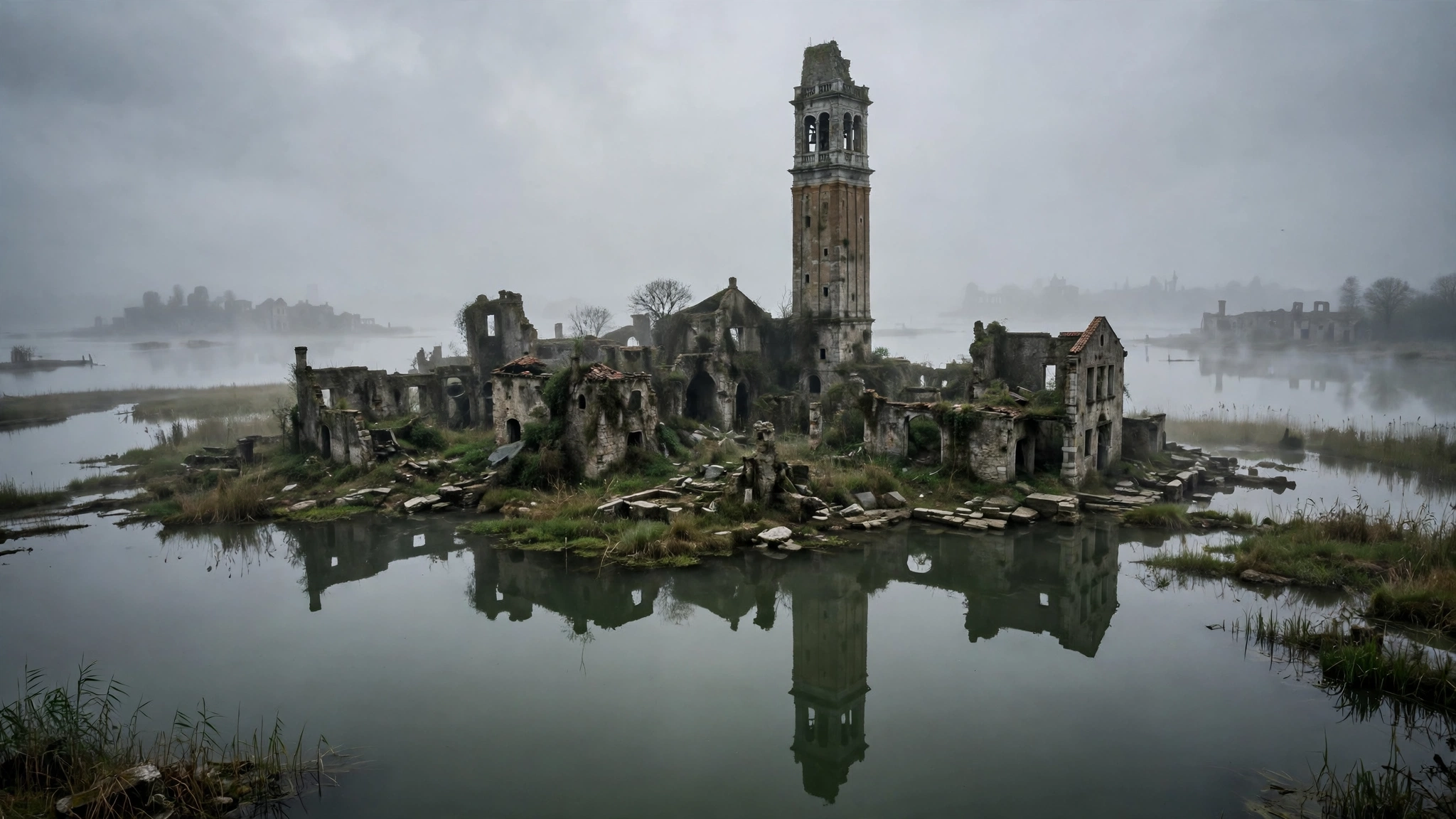
In the Venetian Lagoon, a short boat ride from one of the most visited cities on Earth, lies an island that almost no one is allowed to visit. Its buildings are ruined. Its bell tower stands empty. Its hospital wards have been taken over by weeds. The island is Poveglia, and it is called one of the most haunted places in the world.
The reputation rests on real history that is sad enough without ghosts: plague quarantine, a hospital for the sick, and decades of abandonment. It also rests on stories that cannot be proved, and that have grown larger with every retelling. This post keeps the two apart. First the history. Then the haunting claims. Then what is known, and what is not.
A Small Island Near Venice
Poveglia is a small island in the Venetian Lagoon, between Venice and the Lido. It sits in shallow, still water, close enough to see Venice on a clear day, and far enough to feel completely cut off. From the water, visitors see collapsing buildings, overgrown vegetation and a tall bell tower rising above the ruins. No one lives there now. The island is completely abandoned, and the Italian government prohibits public access.
That abandonment is part of the fear. Most haunted places are buildings people still use, or ruins people can walk through on a tour. Poveglia cannot be visited freely. Its closed gates and crumbling walls let the imagination fill in what the eye cannot see. The island’s story is therefore told mostly from boats, from photographs, and from books, which is exactly how legends grow.
The Early Community That Left
Poveglia was not always a place of sickness. It was inhabited from early times and grew into a small community that traded with nearby islands and avoided much of the trouble on the mainland. In the 14th century, during the War of Chioggia, a long conflict between the maritime republics of Genoa and Venice, the island was abandoned and its population was moved to the main part of Venice.
For a long time afterwards, Poveglia stood largely empty. It was put to various uses, including storage for the Republic of Venice. Nothing in this early history suggests haunting. It was an ordinary island that lost its people to war, as many small islands did. The darkness in its story comes later, and it comes from disease.
Plague And The Quarantine System
Venice learned early, and painfully, that ships could carry plague into the city. To protect itself, the Republic built quarantine islands, called lazarettos, where arriving ships, goods and passengers could be inspected and held before entering Venice. Suspected plague carriers were isolated on these islands for observation. The word quarantine itself comes from the Italian quaranta giorni, meaning forty days, the length of isolation once imposed.
Poveglia entered this system later than the main lazarettos. It became known as a quarantine station in the late 18th century, around 1776 to 1793, when it was repurposed as a checkpoint for inspecting ships, goods and passengers entering Venice. If symptoms appeared, people were treated in makeshift facilities on the island. It operated in this role until 1814, under Napoleonic rule, when its bell tower was converted into a lighthouse.
What The Records Do And Do Not Show
Here honesty matters, because popular accounts of Poveglia often claim enormous death tolls, with tens or hundreds of thousands of plague victims buried or burned on the island. The sources used for this post do not support a verified total of that kind. Rustic Pathways describes Poveglia only as a former quarantine station and later medical facility, and lastminute.com describes it as an island that housed an asylum, a quarantine station and a mass burial ground for plague victims, without giving a verified number.
What can be said with confidence is this: Poveglia was a real quarantine station, real sick people were held there, and some of them died there. Plague killed a large share of those it infected, and quarantine islands across the lagoon dealt with many deaths over the centuries. But no single, verified death toll for Poveglia itself is given by the sources used here, and readers should treat large round numbers in online stories as legend, not as record. The island’s real history is grim enough without inventing figures for it.
The Hospital Years
After its time as a quarantine station, Poveglia later served as a hospital for other contagious diseases, including tuberculosis, until 1969, according to one account. In the 20th century, the island’s buildings were converted into a psychiatric hospital. That hospital operated from 1922 until 1968, housing patients from Venice and the surrounding areas, before closing as Italy moved away from asylum-based care toward community treatment.
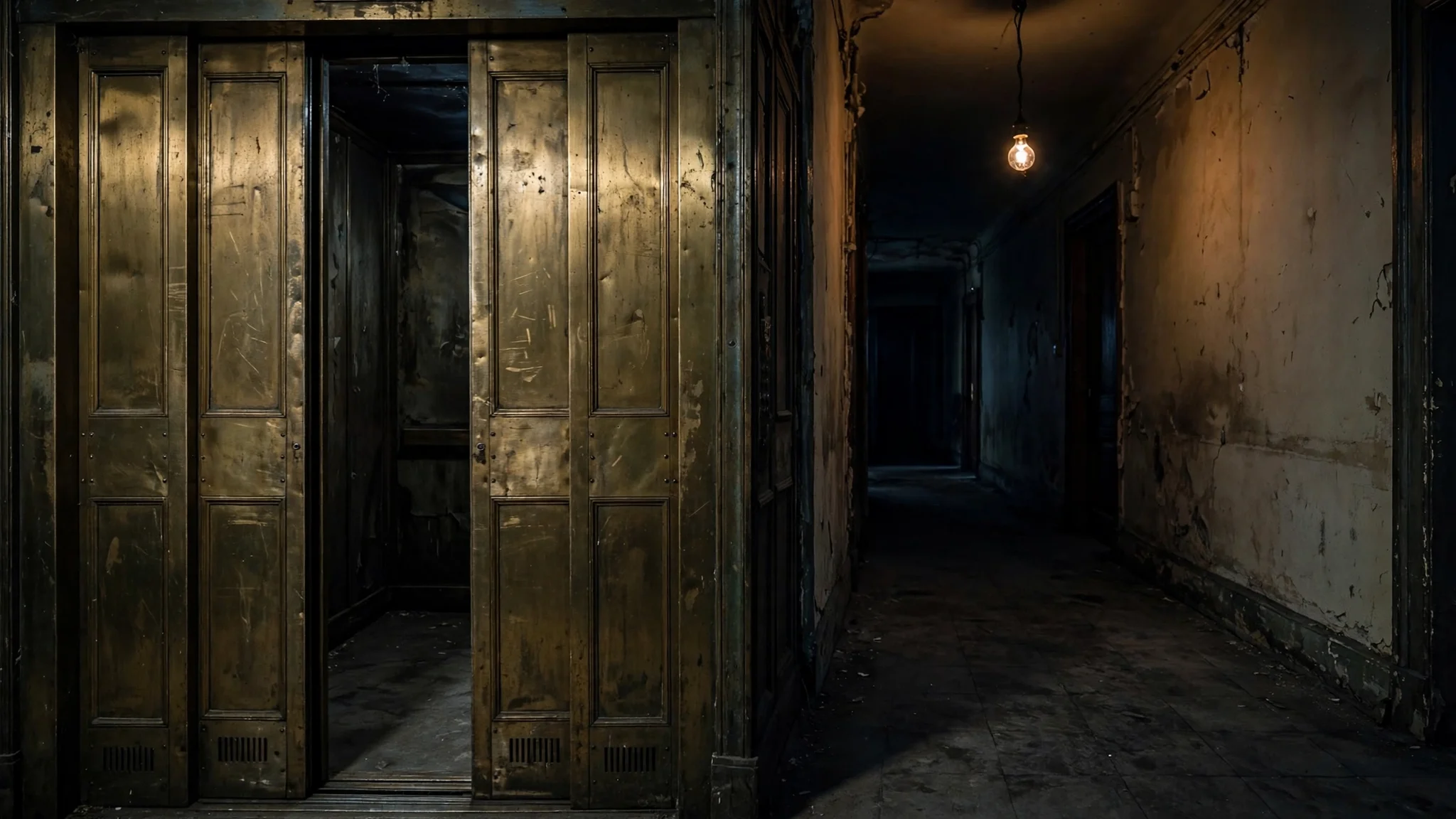
The hospital years add a second layer to the island’s story. Where the quarantine station held travellers against disease, the hospital held patients against illness of the mind, far from the city, on an island that could only be reached by boat. For patients and staff alike, Poveglia must have felt like exile. The buildings that survive today are largely the hospital buildings, empty and decaying, with the bell tower as their most visible landmark.
The Doctor And The Bell Tower
The most famous ghost story about Poveglia concerns a doctor at the psychiatric hospital. In the repeated version of the tale, the doctor performed cruel experiments and unauthorised operations on patients, was driven mad by the ghosts of his victims, and fell or jumped from the hospital’s bell tower. Some versions add that he survived the fall, only to die in a strange mist. Others say the bell, long since removed, can still be heard ringing at night.
There is no verified record in the sources used for this post that confirms this doctor, his experiments or his death. The tale should be read as legend: a story that gathers the island’s two sad histories, plague and asylum, into a single frightening figure. Its power comes from the setting. A bell tower on an abandoned island, above empty wards, is a natural stage for such a story, whether or not any doctor ever stood there.
Ghost Hunters And Reported Experiences
Poveglia has drawn ghost hunters and paranormal investigators, some of whom claim to have felt oppressive evil feelings and to have seen shadowy figures in the abandoned buildings. Rustic Pathways reports those claims in those terms: feelings and shadowy figures claimed by visitors, not findings proved by investigation. The island’s reputation as one of the most frightening haunted places rests largely on such reports, repeated in books, television programmes and travel lists.
It is worth noting what these reports have in common with other haunted places. Visitors arrive expecting fear, in a decaying building, on an island associated with death and illness, often at dusk or in poor light. They report cold feelings, shadows and sounds that are hard to explain. None of that proves a haunting. All of it explains why the haunting story survives. The island provides the atmosphere. The visitor provides the fear.
Why Poveglia Stays Closed
Today Poveglia is government-owned, completely deserted, and closed off to the general public. Its buildings are in dangerous condition, with collapsed roofs and walls, and public access is prohibited. Various proposals to develop or sell the island have failed over the years. Tour boats pass it, and visitors can see it from the water, but they cannot legally wander its wards and corridors.
The closure is usually explained by safety and ownership, not by ghosts. A ruined hospital on a lagoon island, with unstable structures and no services, is genuinely dangerous to enter. The ban protects both the island and the people who might be tempted to explore it. It also, unintentionally, protects the legend. A place no one can enter is a place whose stories can never be checked.
The Island In Popular Culture
Poveglia’s fame grew well beyond Venice through books, television and travel writing. lastminute.com calls it a real-life Shutter Island, comparing it to the fictional asylum island in film and fiction. Travel lists place it alongside the Tower of London, Edinburgh Castle and the Paris Catacombs as one of the scariest places in the world.
That fame has a cost. The island’s real patients and plague victims, whose suffering was ordinary and human, are easily turned into props for horror entertainment. A careful telling keeps them in view. The people held on Poveglia were sick, frightened and far from home. Their story deserves pity more than thrills, and the island’s history deserves to be told as history first.
What We Can Honestly Say
The honest summary of Poveglia is short. It was once a small island community, then a quarantine station for plague-era Venice, then a hospital for contagious disease, then a psychiatric hospital from 1922 to 1968, and then abandoned. Its buildings are ruined, its bell tower stands empty, and the public cannot visit it. Ghost stories about plague victims, asylum patients, a mad doctor and a ringing bell are widely told and widely repeated.
None of those ghost stories is proved. All of them grow from real sadness: disease, isolation and abandonment on a small island in a beautiful lagoon. Poveglia frightens people not because its ghosts are certain, but because its history is certain, and because an empty hospital on a closed island leaves so much room for the imagination to do the rest.
You may also like
Frequently Asked Questions
What is Poveglia Island and where is it?
Poveglia is a small, completely abandoned island in the Venetian Lagoon, between Venice and the Lido in Italy, known for its ruined buildings, overgrown vegetation and tall bell tower. It was once a small island community, then a plague quarantine station, then a hospital for contagious diseases, and from 1922 to 1968 a psychiatric hospital, before being abandoned. Today it is government-owned, its buildings are in dangerous condition, and public access is prohibited by the Italian government.
Why is Poveglia Island called haunted?
Poveglia is called haunted because of its history as a quarantine station and later a psychiatric hospital, and because ghost hunters and visitors claim to have felt oppressive feelings and seen shadowy figures in its abandoned buildings. Its most repeated legend concerns a hospital doctor who performed cruel operations, was driven mad by ghosts, and fell from the bell tower, with some versions saying the removed bell can still be heard ringing at night. None of these haunting claims is proved, and the sources used here present them as stories and reported experiences rather than verified facts.
Was Poveglia Island really a plague island?
Yes, Poveglia served as a quarantine station, or lazaretto, for Venice, repurposed for plague control around 1776 to 1793 as a checkpoint for inspecting ships, goods and passengers, where suspected carriers were isolated and treated in makeshift facilities. It operated in that role until 1814, and the word quarantine comes from the Italian quaranta giorni, meaning forty days of isolation. However, no verified death toll for Poveglia itself is given by the sources used for this post, so large numbers of plague dead often quoted online should be treated as legend rather than record.
What happened to the psychiatric hospital on Poveglia?
In the early 20th century Poveglia’s buildings were converted into a psychiatric hospital housing patients from Venice and surrounding areas, operating from 1922 until 1968, nearly fifty years, before closing as Italy reformed mental health care away from asylum-based isolation. The surviving buildings are largely the hospital buildings, now empty and deteriorating, with the bell tower as the most visible landmark. The hospital years give the island its second sad history, alongside the plague quarantine years, and feed many of its ghost stories.
Can tourists visit Poveglia Island?
No, tourists cannot legally visit Poveglia Island itself, because it is completely abandoned, government-owned, and closed to the general public, with trespassing subject to fines and legal action. Its buildings are dangerously deteriorated, with collapsed roofs and walls, so the closure protects both visitors and the site. Tour boats pass the island and visitors can see the bell tower and ruins from the water, but they cannot wander the hospital wards or corridors.