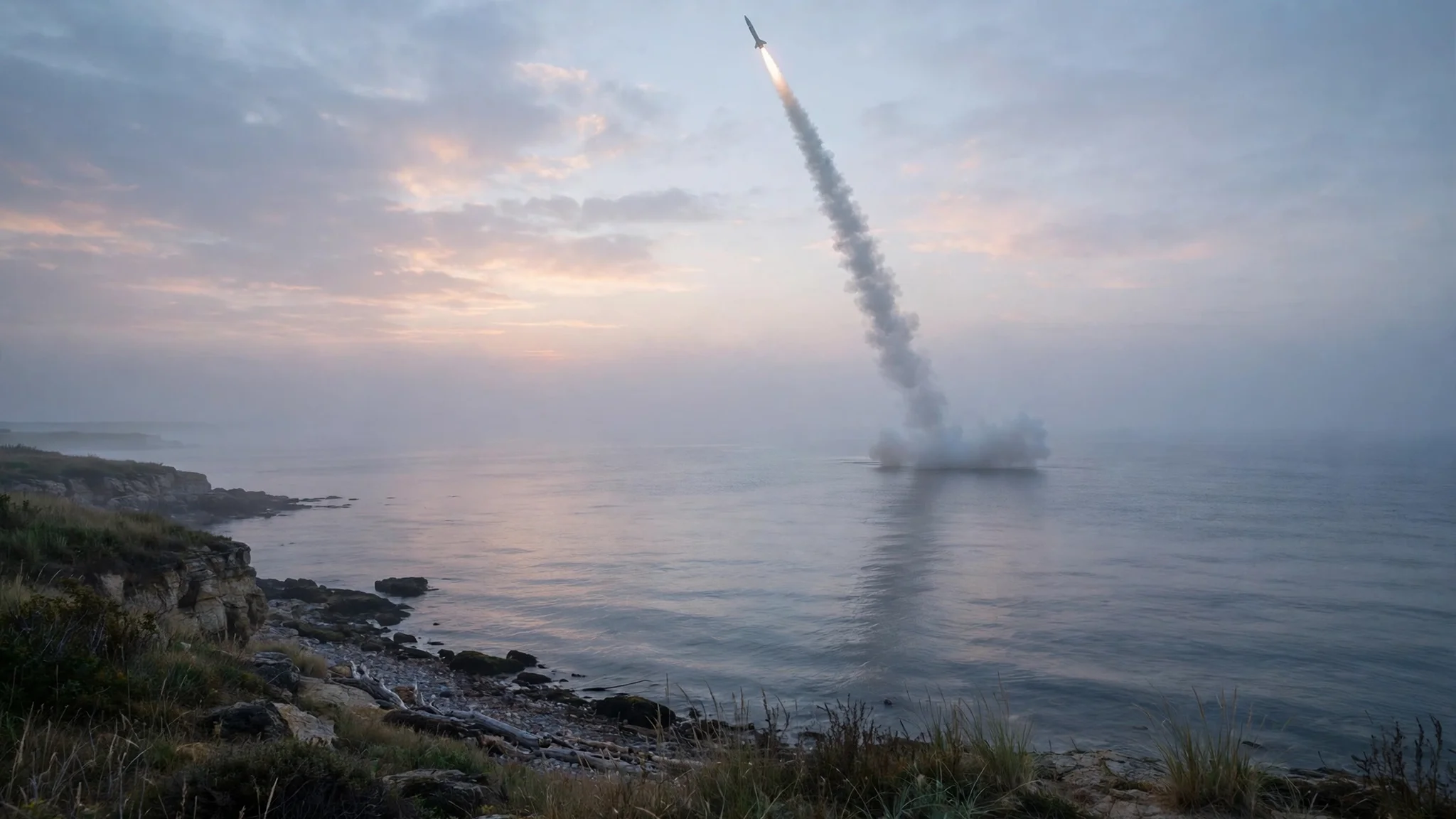
Riyadh Airport Attack Kills 13
In this post
- The short version
- Saturday: the deadliest strike in more than a decade
- Sunday: the airport was hit again, and a Pakistani national was killed
- Why this is an escalation
- Flights, travellers and the airport closure
- How governments reacted
- What is still unclear
- You may also like
- My Take: Riyadh airport strikes turn travel into repeated danger
Riyadh’s King Khalid International Airport has been attacked again — for the fourth time in five days. One day after a missile strike that was described as the deadliest on Saudi soil in more than a decade, the airport was hit a second time, and a Pakistani national was among the people killed in the latest attack.
This is a fast-moving and painful story, so we will keep the tone respectful and stick closely to what Saudi authorities and major news agencies have reported.
The short version
On Saturday, October 10, a Houthi missile struck King Khalid International Airport in Riyadh. Saudi authorities said at least 12 people were killed and 309 wounded; the death toll was later reported as 13, with more than 300 people wounded in total. On Sunday, October 11, the airport was attacked again: a projectile hit Terminal 4 and started a fire, killing one person — a Pakistani national — and injuring 11 others, according to Saudi Arabia’s General Authority of Civil Aviation (GACA), as reported by Arab News. A cruise missile near the airport was intercepted, Dammam’s airport was also attacked on Sunday evening, and Riyadh’s airport remained closed.
Saturday: the deadliest strike in more than a decade
The weekend began with the attack on Saturday, October 10, when a missile struck the airport complex around terminals 3 and 4.
Saudi authorities said at least 12 people were killed and 309 wounded; the toll was later reported as 13 killed and more than 300 wounded. Officials described it as the deadliest strike on Saudi soil in more than a decade.
The victims were Saudi citizens and foreign nationals — according to the reporting, the dead included people from Bangladesh, Palestine, the United States, Egypt, Jordan, Syria and Sudan. The airport was closed after the attack, and footage released from the terminal showed pilgrims inside the building.
Houthi military spokesperson Yahya Saree claimed responsibility for Saturday’s attack.
Sunday: the airport was hit again, and a Pakistani national was killed
On Sunday, October 11, the airport came under attack once more. A projectile struck Terminal 4 and a fire broke out.
According to GACA, as reported by Arab News, one person was killed — a Pakistani national — and 11 other people were injured. The coalition said Saudi air defences intercepted a cruise missile near the airport.
For readers in Pakistan, this part of the story hits close to home. Large numbers of Pakistanis live and work in Saudi Arabia, and many more pass through its airports for work and for Umrah. Our thoughts are with his family.
Sunday’s strike was the fourth attack on Riyadh’s airport in five days, and the danger did not stay in one city: GACA also reported an attack on King Fahd International Airport in Dammam, in the Eastern Province, on Sunday evening.
Why this is an escalation
One attack on a civilian airport is a tragedy. Four attacks in five days, on the same airport, is a pattern — and that is what officials mean by “escalation”.
In simple words: the Houthis are an Iran-aligned group in Yemen. Yemen has been at war for years, and a Saudi-led coalition backs Yemen’s government against them. Missiles from that war reaching a civilian airport in the Saudi capital is the kind of widening of the conflict that governments in the region say they fear. Because Riyadh is a major travel hub, the disruption is felt by passengers far beyond one country.
Flights, travellers and the airport closure
Riyadh’s airport remained closed after Saturday’s attack, and flights were cancelled or diverted while damage and safety assessments were carried out.
If you or your family have travel plans through Riyadh or Dammam in the coming days, please follow official airline and airport updates rather than rumours on social media. Schedules can change quickly in a situation like this.
How governments reacted
India’s foreign ministry strongly condemned the strikes. The Houthis’ own claim of responsibility for Saturday’s strike, and GACA’s statements reported by Arab News attributing Sunday’s attack to the Houthi militia as well, made clear who Saudi Arabia holds responsible for the weekend’s violence.
What is still unclear
Some things are not yet known. The full extent of the damage to Terminal 4 has not been published in detail, and as of the latest reports the airport remained closed while assessments continued. Official updates on the wounded, the damage, and when normal operations can safely resume are still to come.
What is clear is the human cost of one weekend: at least 12 people killed on Saturday, with the toll later reported as 13, and more than 300 wounded — then, on Sunday, one more person killed, a Pakistani national, and 11 injured. These were travellers, workers and pilgrims at an airport. They deserve to be remembered as people, not just numbers.
You may also like
My Take: Riyadh airport strikes turn travel into repeated danger
The facts reported in this post must be held carefully, because they arrived quickly and the story was still moving. On Saturday, 10 October, a Houthi missile struck King Khalid International Airport in Riyadh, around terminals 3 and 4. Saudi authorities said at least 12 people were killed and 309 wounded, with the death toll later reported as 13 and more than 300 wounded in total, described as the deadliest strike on Saudi soil in more than a decade. On Sunday, 11 October, the airport was attacked again: a projectile hit Terminal 4 and started a fire, killing one person, a Pakistani national, and injuring 11 others, according to Saudi Arabia’s General Authority of Civil Aviation, as reported by Arab News. Sunday’s strike was the fourth attack on Riyadh’s airport in five days, Dammam’s airport was also attacked on Sunday evening, and Riyadh’s airport remained closed.
My judgement is that repetition is what turns this from a tragedy into a pattern, and patterns demand a different kind of attention. One attack on a civilian airport is shocking enough, and the post is right to keep its tone respectful and close to what officials and major agencies reported. The victims were Saudi citizens and foreign nationals, including people from Bangladesh, Palestine, the United States, Egypt, Jordan, Syria, and Sudan on Saturday, and a Pakistani national on Sunday. Footage showed pilgrims inside the terminal. Behind each number is a traveller, a worker, or a pilgrim who went to an airport expecting a journey, a reunion, or work. Remembering them as people, not just numbers, is the only honest way to measure what escalation means.
What the reader should do differently is practical and restrained. First, follow official airline and airport updates rather than rumours on social media, because schedules can change quickly and the full extent of damage to Terminal 4 had not been published in detail. Second, keep the unknowns labelled as unknown: when normal operations can safely resume, and the full official updates on the wounded and the damage, were still to come. Third, hold the human facts at the centre while waiting: at least 12 killed on Saturday, later reported as 13, and more than 300 wounded, then one more person killed on Sunday and 11 injured. The Houthis, an Iran-aligned group in Yemen, were held responsible in the reporting, with a spokesperson claiming responsibility for Saturday’s attack. Yemen has been at war for years, and a Saudi-led coalition backs Yemen’s government against them. Missiles reaching a civilian airport in the capital is the widening governments say they fear, and an airport closure is itself a harm to thousands far beyond one country. These were travellers, workers, and pilgrims at an airport, and they deserve to be remembered as people.
Frequently Asked Questions
What happened at Riyadh airport on Sunday 11 October? On Sunday, October 11, Riyadh’s King Khalid International Airport was attacked again, a day after the deadliest strike on Saudi soil in more than a decade. A projectile struck Terminal 4 and a fire broke out, killing one person, a Pakistani national, and injuring 11 others, according to Saudi Arabia’s General Authority of Civil Aviation (GACA), as reported by Arab News. The coalition said Saudi air defences intercepted a cruise missile near the airport, and Dammam’s airport was also attacked on Sunday evening, while Riyadh’s airport remained closed.
How many people were killed in the Saturday 10 October attack? Saudi authorities said at least 12 people were killed and 309 wounded on Saturday, October 10, when a Houthi missile struck the airport complex around terminals 3 and 4. The death toll was later reported as 13, with more than 300 people wounded in total, and officials described it as the deadliest strike on Saudi soil in more than a decade. The victims were Saudi citizens and foreign nationals, including people from Bangladesh, Palestine, the United States, Egypt, Jordan, Syria and Sudan, and footage released from the terminal showed pilgrims inside the building.
Who carried out the attacks on Riyadh airport? The Houthis, an Iran-aligned group in Yemen, were held responsible in the reporting. Houthi military spokesperson Yahya Saree claimed responsibility for Saturday’s attack, and Sunday’s attack was also attributed to the Houthi militia in GACA’s statements reported by Arab News. The Houthis are an Iran-aligned group in Yemen, where Yemen has been at war for years and a Saudi-led coalition backs Yemen’s government against them. Missiles from that war reaching a civilian airport in the Saudi capital is the kind of widening of the conflict that governments in the region say they fear.
How many times was Riyadh airport attacked in five days? Sunday’s strike was the fourth attack on Riyadh’s airport in five days, and the danger did not stay in one city. One attack on a civilian airport is a tragedy, but four attacks in five days on the same airport is a pattern, and that is what officials mean by escalation. GACA also reported an attack on King Fahd International Airport in Dammam, in the Eastern Province, on Sunday evening. Because Riyadh is a major travel hub, the disruption from repeated attacks is felt by passengers far beyond one country.
What do we know about the Pakistani national killed on Sunday? GACA’s statement, as reported by Arab News, identified the person killed in Sunday’s attack as a Pakistani national and said 11 other people were injured. The official statements reported so far give no further personal details about him. For readers in Pakistan, this part of the story hits close to home, because large numbers of Pakistanis live and work in Saudi Arabia, and many more pass through its airports for work and for Umrah. This post shares the fact respectfully, with thoughts for his family, and adds no details beyond those given by officials.
Is Riyadh airport open and were other airports attacked? No, Riyadh’s King Khalid International Airport remained closed after Saturday’s attack, while damage and safety assessments were carried out, and flights were cancelled or diverted. Dammam’s King Fahd International Airport was also attacked on Sunday evening, according to GACA. Travellers with plans through Riyadh or Dammam were advised to follow official airline and airport updates rather than rumours on social media, because schedules can change quickly in a situation like this, and official updates on the wounded, the damage, and the return to normal operations were still to come.
What is still unclear about the Riyadh airport attacks? Some things are not yet known. The full extent of the damage to Terminal 4 has not been published in detail, and as of the latest reports the airport remained closed while assessments continued. Official updates on the wounded, the damage, and when normal operations can safely resume are still to come. What is clear is the human cost of one weekend: at least 12 people killed on Saturday, with the toll later reported as 13, and more than 300 wounded, then on Sunday one more person killed, a Pakistani national, and 11 injured, all travellers, workers and pilgrims at an airport.
Sources
- Reuters — reporting carried by The Jerusalem Post and Haaretz
- Arab News — “Pakistani national killed, 11 injured in latest Riyadh airport attack” — https://www.arabnews.com/saudi-arabia/pakistani-national-killed-11-injured-in-latest-riyadh-airport-attack-3005776
- Al Jazeera — coverage of the Riyadh airport attacks
- Le Monde — coverage of the Riyadh airport attacks