Why Pakistan Faces Load Shedding
In this post
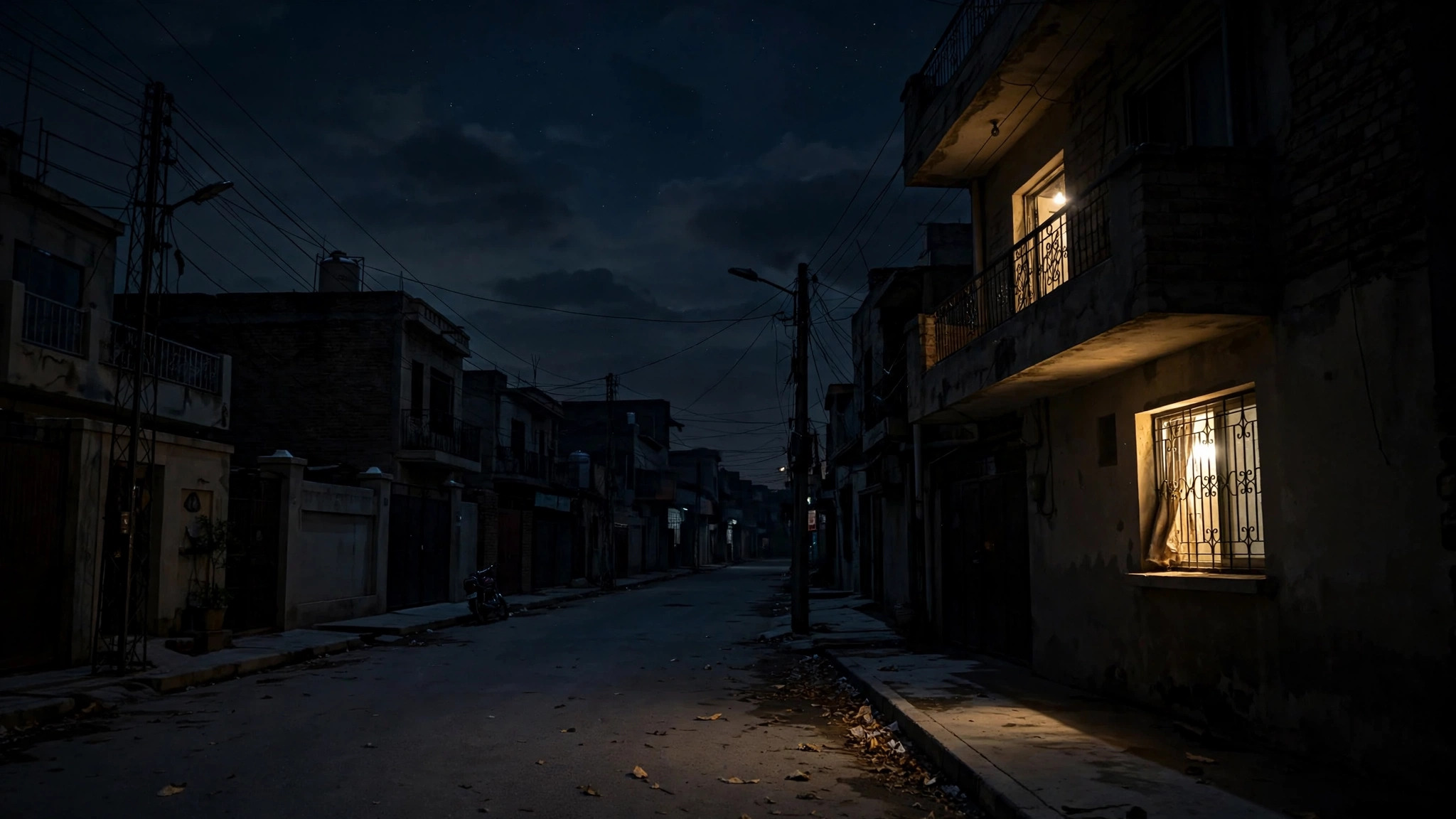
The lights go out in the evening, come back for an hour, and go out again. Fans stop in the heat, phones run out of charge, and shopkeepers switch on generators that cost more to run than the electricity they replace. Load shedding is so common in Pakistan that many people treat it as a fact of life, like the weather. It is not a fact of life. It is the result of a gap between how much electricity the country can supply and how much it needs, made worse by a list of problems that have built up over decades. This post explains, in simple words, what load shedding is and the ten causes behind it.
What Load Shedding Actually Means
Load shedding is the deliberate, planned cutting of electricity supply to some areas, for a period of time, to protect the whole power system. When the demand for electricity is higher than the supply available, the grid — the network of wires that carries electricity across the country — becomes overloaded. If the overload is not managed, the system can fail on a much larger scale, causing a blackout across whole regions. Load shedding prevents that by switching off supply to selected areas in turns, so that the total demand falls back within what the system can carry.
The key word is “deliberate”. Load shedding is not an accident. It is a choice made by the power companies to cut supply to some consumers, so that the system as a whole keeps working. The choice of who is cut, and for how long, is supposed to follow a plan based on how much electricity each area loses through theft and unpaid bills. In practice, the plan is often applied unevenly, and areas with high losses face longer cuts than areas that pay their bills. That unevenness is one of the reasons load shedding feels unfair as well as inconvenient.
The Gap Between Supply And Demand
The core problem is simple: Pakistan needs more electricity than its power plants can reliably produce and deliver. The gap is not small. Reports in 2026 put shortfalls at around 4,000 megawatts at times, which is enough electricity for several million homes. The gap grows in summer, when air conditioners and fans push demand to its highest, and it grows again in the evening, when households switch on lights and appliances at the same time.
The gap is not only about how much power the plants can generate. It is also about how much of that power actually reaches consumers. Electricity is lost in transmission, the high-voltage wires that carry power over long distances, and in distribution, the local wires that bring it to homes and shops. Old and overloaded wires lose more power than new ones, and in some areas a large share of the electricity sent out never reaches a paying customer at all, because it is stolen or lost in the system.
Ten Causes, One Problem
The Solar Technology Institute, in a guide to load shedding in Pakistan, lists ten causes that combine to create the crisis. The first is poor management and planning: power plants, transmission lines and distribution networks have not kept pace with the growth of cities and the demand for electricity. The second is circular debt: the chain of unpaid bills between the government, the power companies, and the fuel suppliers, which leaves power plants without money to buy fuel and keep running.
The third is weak transmission and distribution: the wires and substations cannot always carry the power that is generated, so electricity is available at the plant but cannot reach the homes that need it. The fourth is electricity theft and line losses: illegal connections and unpaid consumption drain the system and make the companies less able to invest in fixing it. The fifth is rising demand: more people, more homes, more appliances, and more industry, all needing more power every year.
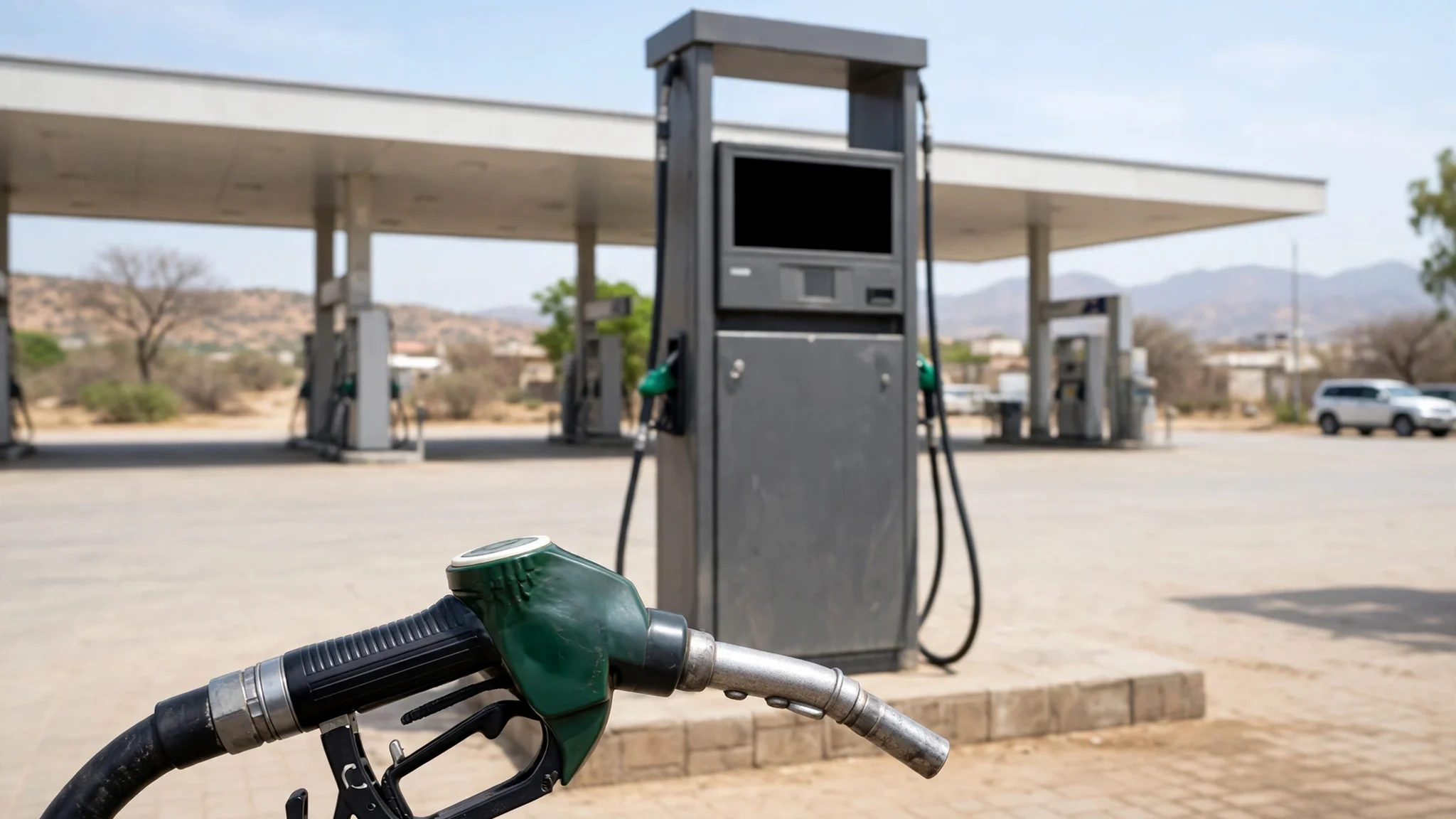
The sixth is fuel and gas shortages: power plants that run on gas or imported fuel cannot run when the fuel is not available or is too expensive. The seventh is weather: extreme heat raises demand sharply, while floods and storms can damage power infrastructure. The eighth is infrastructure failure: old plants break down, and maintenance is delayed when money is short. The ninth is expensive imports: Pakistan imports much of its fuel, so world prices and the exchange rate directly affect what electricity costs to produce. The tenth is unequal distribution: some areas get steadier supply than others, because of how the load management plan is applied.
The Fuel Problem In October 2026
The fuel problem was visible in October 2026. Dawn reported on 12 October 2026 that re-gasified liquefied natural gas (RLNG) power plants were non-operational because of the war in the Middle East, which had delayed LNG cargoes. The Lahore Electric Supply Company (Lesco) carried out two hours of load management in the evening and at night, with no load shedding during the day, and applied category-based load management on high-loss feeders, meaning feeders where theft and losses are high faced longer cuts.
That episode shows how several causes combine. A war far away delayed fuel shipments. The fuel shortage stopped gas-fired plants from running. The power company had to manage the resulting gap by cutting supply in the evening, when demand is highest. And the cuts fell hardest on the areas already classified as high-loss. No single cause explains the evening without power. The war, the fuel, the plants, the wires, and the losses all played a part.
Circular Debt: The Bill That Never Gets Paid
Circular debt is the most confusing cause, and it is worth explaining slowly. The government owes money to the power companies. The power companies owe money to the fuel suppliers. The fuel suppliers owe money to their own suppliers. Because each link in the chain is waiting to be paid by the one before it, nobody has the cash to buy fuel, maintain plants, or invest in new wires. The debt goes round in a circle, and the circle keeps growing.
The result is that power plants run below their capacity, not because they are broken, but because they cannot afford the fuel to run at full power. The government has tried several times to clear the debt, by paying it off or by restructuring it, but it keeps returning, because the underlying problem — that the price charged for electricity does not always cover the cost of producing and delivering it — has not been fully fixed. Until the circle is broken, the debt will keep limiting how much electricity the system can actually supply.
Theft, Losses And Unfair Cuts
Electricity theft is a large part of the problem, and it is also the reason load shedding feels unfair. When people connect illegally to the wires, or when bills go unpaid, the power company loses revenue and loses electricity that it has paid to generate. The company’s response is to apply longer cuts to the feeders where losses are highest, which is called category-based load management. The idea is to pressure those areas to reduce theft and pay bills.
The unfairness is that honest consumers in a high-loss area suffer the same long cuts as the people stealing power. A family that pays every bill on time can face hours without electricity because their neighbours do not pay. That breeds resentment, and it also breeds more theft, because people who suffer cuts without cause see less reason to pay. Breaking that cycle requires enforcement against theft, but also fairer distribution of the cuts, so that paying customers are not punished for the actions of others.
What Is Being Done About It
The reforms proposed for the power sector follow the list of causes. Better planning and investment in transmission and distribution, so that power generated can actually reach consumers. Clearing circular debt, so that plants can buy fuel and run at capacity. Cracking down on theft and reducing line losses, so that the system collects the money it is owed. Diversifying fuel sources, so that a delay in one fuel does not stop the plants. And expanding renewable energy, especially solar power, which has grown rapidly in Pakistan as households and businesses install panels to escape load shedding altogether.
Solar growth is itself a sign of the problem and part of the answer. More and more Pakistanis are putting solar panels on their roofs, not because they want to be green, but because they want reliable power. That reduces demand on the grid during the day, but it also reduces the revenue of the power companies, which makes the financial circle harder to break. The long-term answer is a grid that is reliable enough that people do not need to escape it, and affordable enough that they choose to stay on it.
Why It Will Not End Overnight
Load shedding will not end with one decision, because it has ten causes, and fixing one does not fix the other nine. Building a new power plant does not help if the wires cannot carry the power. Clearing the debt does not help if fuel shipments are delayed. Cracking down on theft does not help if the plants cannot run. The problem needs all of the fixes together, over years, and it needs them to be sustained through changes of government.
For the people living with it, the honest answer is that load shedding is a symptom of a system that generates too little, loses too much, and charges too little to cover its costs, all at the same time. Understanding that does not bring the lights back on. But it does explain why the lights go out, and what would have to change for them to stay on.
Frequently Asked Questions
Why does Pakistan have load shedding?
Pakistan has load shedding because demand for electricity is higher than the supply the system can reliably deliver, with shortfalls of around 4,000 megawatts reported at times in 2026. The gap is made worse by ten connected causes: poor planning, circular debt, weak transmission and distribution, electricity theft and line losses, rising demand, fuel and gas shortages, weather, infrastructure failure, expensive imported fuel, and unequal distribution. Load shedding is the deliberate cutting of supply to some areas, in turns, to keep the whole grid from failing under the overload.
What is circular debt in Pakistan’s power sector?
Circular debt is the chain of unpaid bills between the government, the power companies, and the fuel suppliers. The government owes the power companies, the power companies owe the fuel suppliers, and the fuel suppliers owe their own suppliers, so nobody has the cash to buy fuel, maintain plants, or invest in new wires. The debt goes round in a circle and keeps growing. The result is that power plants run below capacity, not because they are broken, but because they cannot afford the fuel to run at full power.
Why do some areas face longer load shedding than others?
Power companies apply category-based load management, giving longer cuts to feeders where theft and losses are high. In October 2026, Lesco carried out two hours of evening and night load management, with no daytime cuts, and applied longer cuts on high-loss feeders. The idea is to pressure those areas to reduce theft and pay bills. The unfairness is that honest consumers who pay every bill in a high-loss area suffer the same long cuts as the people stealing power, which breeds resentment and can encourage more theft.
Does load shedding happen because Pakistan has no power plants?
No. Pakistan has power plants, but the problem is that they cannot always run at full capacity or deliver their power to consumers. Fuel shortages can stop gas-fired plants from running, as happened in October 2026 when Middle East war delayed LNG cargoes and RLNG plants went non-operational. Weak transmission and distribution wires cannot always carry the power that is generated. Circular debt leaves plants without money for fuel. Load shedding is a gap between what the system can deliver and what people need, not simply a lack of power plants.
Will solar panels end load shedding in Pakistan?
Solar power helps, but it does not end load shedding on its own. More households and businesses are installing solar panels to escape unreliable supply, which reduces demand on the grid during the day. But solar does not provide power at night without batteries, and the growth of solar reduces the revenue of power companies, which makes the financial circle of circular debt harder to break. The long-term answer is a grid that is reliable and affordable enough that people do not need to escape it, alongside more solar and better storage.
Sources
- Solar Technology Institute — Load Shedding in Pakistan: https://www.solartechnologyinstitute.com/load-shedding-in-pakistan/
- Dawn — Lesco carries out two hours of load management as RLNG plants go non-operational: https://www.dawn.com/news/2036429/lesco-carries-out-two-hours-of-load-management-as-rlng-plants-go-non-operational