How To Prepare For Hurricane
In this post
- What A Hurricane Is, In Simple Words
- Start Early: Know Your Risk
- Make A Family Plan Before The Season
- Prepare Your Home: Windows And Loose Items
- Gather Supplies While Shops Are Open
- Know When To Leave, And Leave Early
- If You Stay, Shelter In A Sturdy Building
- Never Drive Into Flood Water
- During The Storm: Stay Inside And Stay Informed
- After The Storm: Dangers That Remain
- The Lesson Of Every Hurricane Season
- You may also like
Unlike earthquakes, hurricanes give warning. They can be forecast several days ahead of landfall, giving residents time to take precautions. That warning is a gift, but only if it is used. Every year, people who had days to prepare are caught out because they waited until the wind arrived, the shops closed, and the roads filled. Preparation is not panic. It is a short list of practical steps, done early, in calm weather.
This post explains how to prepare for a hurricane, using the guidance of the United States National Safety Council. It covers what a hurricane is, what to do before it arrives, what to do while it passes, and how to stay safe afterwards.
What A Hurricane Is, In Simple Words
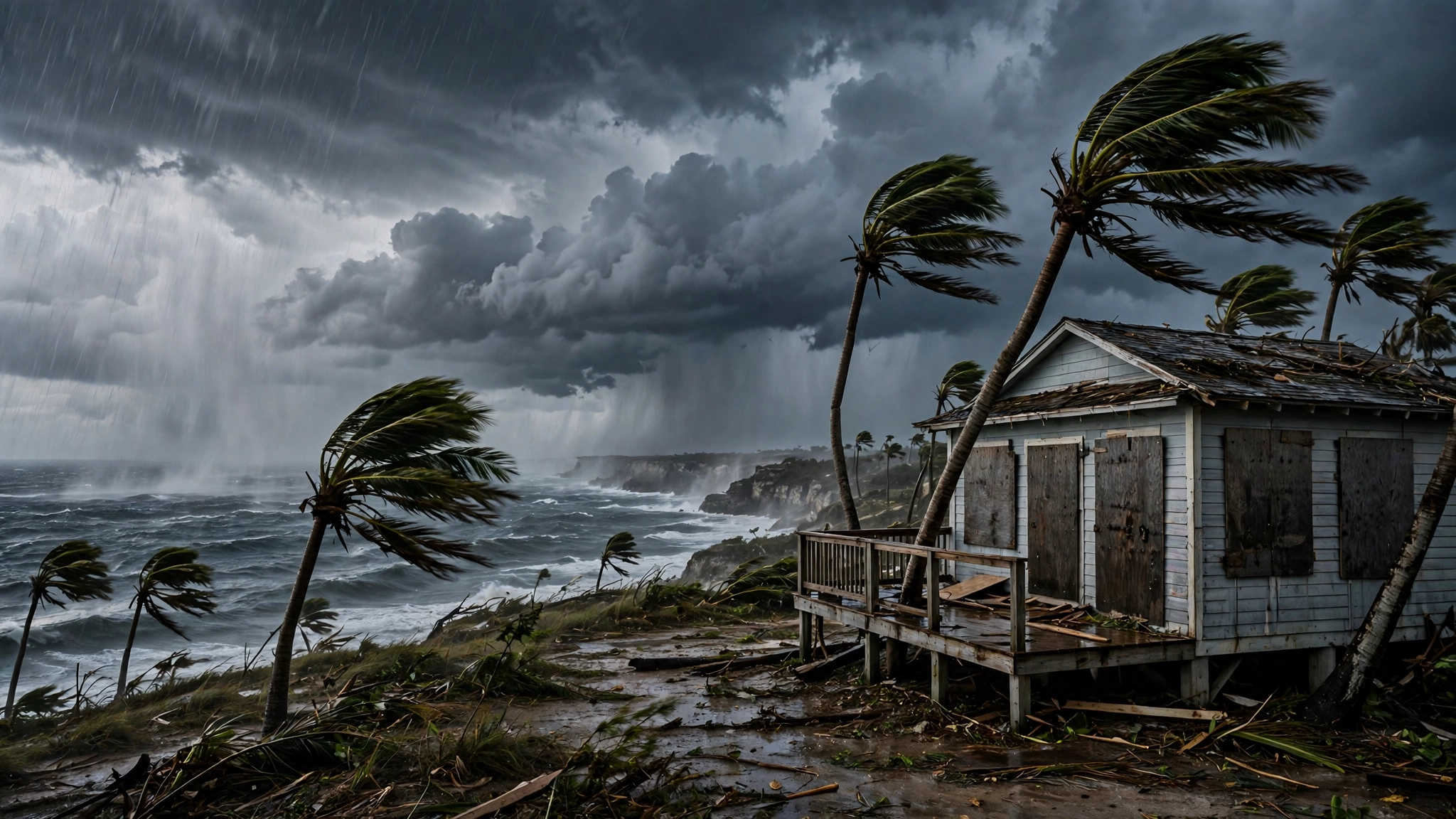
A hurricane is a tropical cyclone that forms over warm ocean water in the Atlantic and Pacific oceans, the Caribbean Sea and the Gulf of Mexico. It is a vast rotating storm, with strong winds, heavy rain, and a storm surge, a wall of sea water pushed ashore by the wind. Hurricanes are among the most destructive forces in nature.
Hurricane season runs from June through November, peaking in early to mid-September, but hurricanes can happen at any time. Even a storm that does not reach hurricane strength can be deadly. A storm needs sustained winds of 74 miles per hour to count as a hurricane. A tropical storm, with winds of 39 to 73 miles per hour, along with heavy rain and tornadoes, can still cause loss of life and property. The name matters less than the water and wind it brings.
Start Early: Know Your Risk
Preparation starts long before any storm is forecast. Find out whether your home is in a flood zone, an evacuation zone, or an area at risk from storm surge. Contact your local emergency management agency for information about your area. That agency is the best source for local evacuation routes, shelter locations and official warnings.
Know the risks of your own home. Is it near the coast, a river, or low ground? Is it built to withstand strong wind? Are there large trees close to the house that could fall? The answers decide whether you should plan to stay, or plan to leave early. A plan made in calm weather is worth far more than a plan made while the wind is rising.
Make A Family Plan Before The Season
Every family in a hurricane area needs a plan, agreed in advance. Know where to go in the event of an evacuation, and how to get there. Choose more than one route, in case the first is flooded or blocked. Establish an assembly point for family members to meet if separated, and choose one person, outside the storm area if possible, whom everyone can contact with their whereabouts and status.
Write the plan down, and share it with everyone in the household, including children. Practise it once, in calm weather, so that no one has to learn it in the dark. A plan that lives only in one person’s head will fail when that person is busy, frightened, or without a phone signal. A plan on paper, on the fridge, can be followed by anyone.
Prepare Your Home: Windows And Loose Items
When a hurricane is forecast, prepare your home in good time. Board up windows and secure loose items like patio furniture. Anything left outside can become a missile in strong wind: a chair, a pot, a barbecue, a sheet of metal. Bring small items indoors. Tie down or store larger ones.
Close shutters if you have them. If you do not, boards over windows reduce the risk of glass breaking and wind entering the house. Once wind gets inside a building, it can lift a roof from within, so keeping windows intact protects the whole structure. Do this early, while shops are open and daylight remains. Boarding windows in a storm is dangerous and often too late.
Gather Supplies While Shops Are Open
A hurricane can cut power, water and road access for days. Gather supplies before the storm arrives, while shops are still open and roads are still clear. Store drinking water, non-perishable food, medicines, torches, batteries, a radio, and chargers. Keep important documents, such as identification, insurance papers and medical records, in a waterproof bag, ready to carry.
Keep cash in small notes, because card machines and cash machines may not work in a power cut. Fill your car’s fuel tank early, and charge phones and power banks. None of this requires panic buying. It requires a calm trip to the shops, a day or two before landfall, with a list in hand. The families who suffer most in a storm are often those who waited until the last day, when shelves were empty.
Know When To Leave, And Leave Early
Evacuation orders are not suggestions. If officials tell you to evacuate, do so, and do so early. The National Safety Council’s guidance is to know where to go and how to get there before the storm arrives. Leaving early avoids flooded roads, traffic jams and the danger of being caught in rising water.
Take your family plan, your documents, your medicines, and your pets, if you can do so safely. Lock your home. Tell your out-of-area contact where you are going. Do not wait to see how bad the storm looks. By the time it looks bad, the roads may already be impassable, and emergency services may not be able to reach you. The bravest decision in a hurricane is often the earliest one: to leave while leaving is still easy.
If You Stay, Shelter In A Sturdy Building
If you are not in an evacuation zone, and officials have not told you to leave, take shelter in a sturdy building. Avoid isolated sheds or other small structures, open areas, hilltops, the beach or boats. A well-built house, away from the coast and flood water, is far safer than any temporary structure.
Listen for warning sirens, stay away from windows and exterior doors, and seek shelter in a bathroom or basement, or in an interior room on the lowest floor that is not at risk of flooding. Stay indoors until authorities tell you it is safe to go outside. The eye of a hurricane can bring a deceptive calm, with blue sky and light wind, followed by the second half of the storm from the opposite direction. Do not go outside during the calm. The storm is not over.
Never Drive Into Flood Water
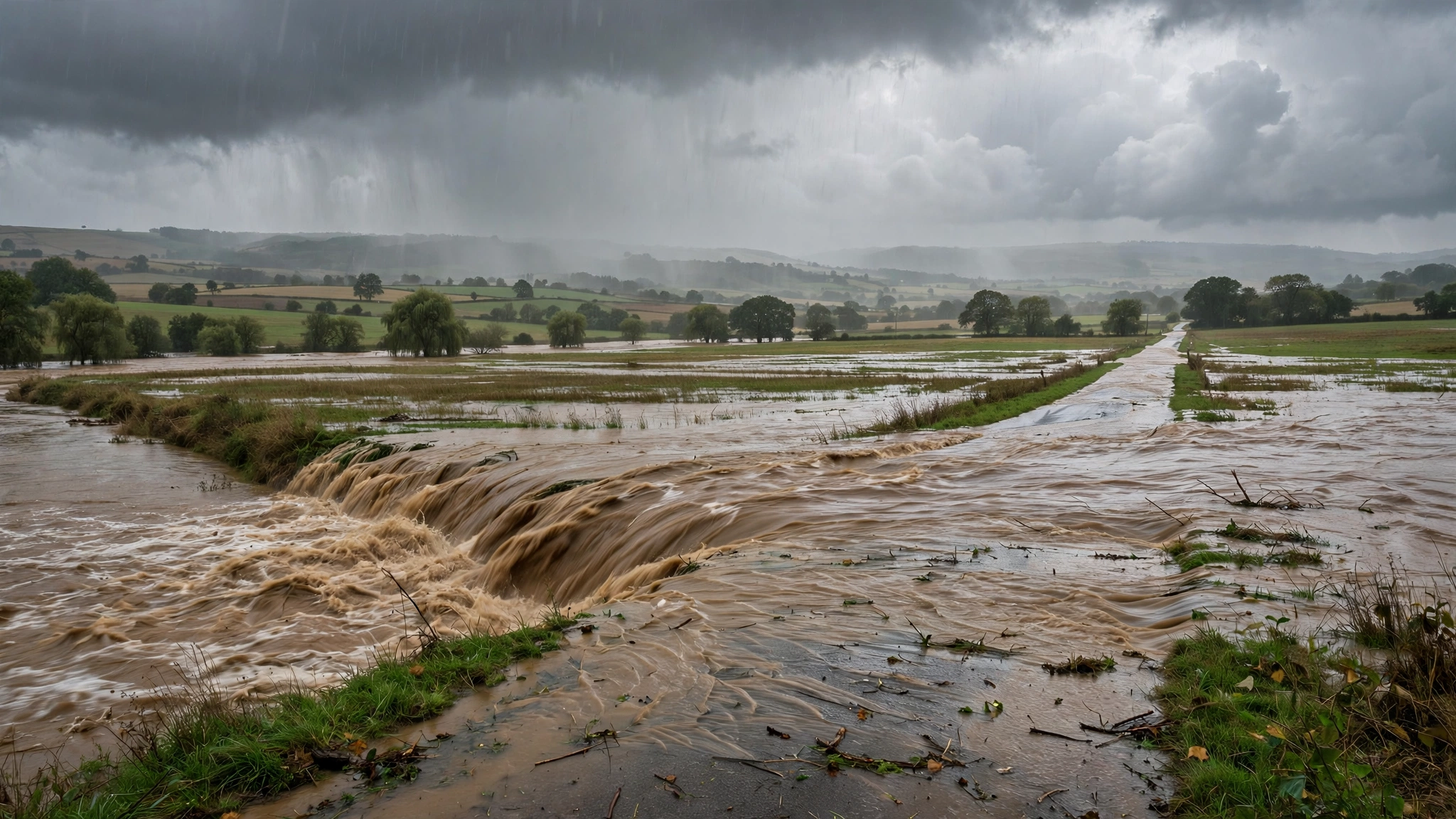
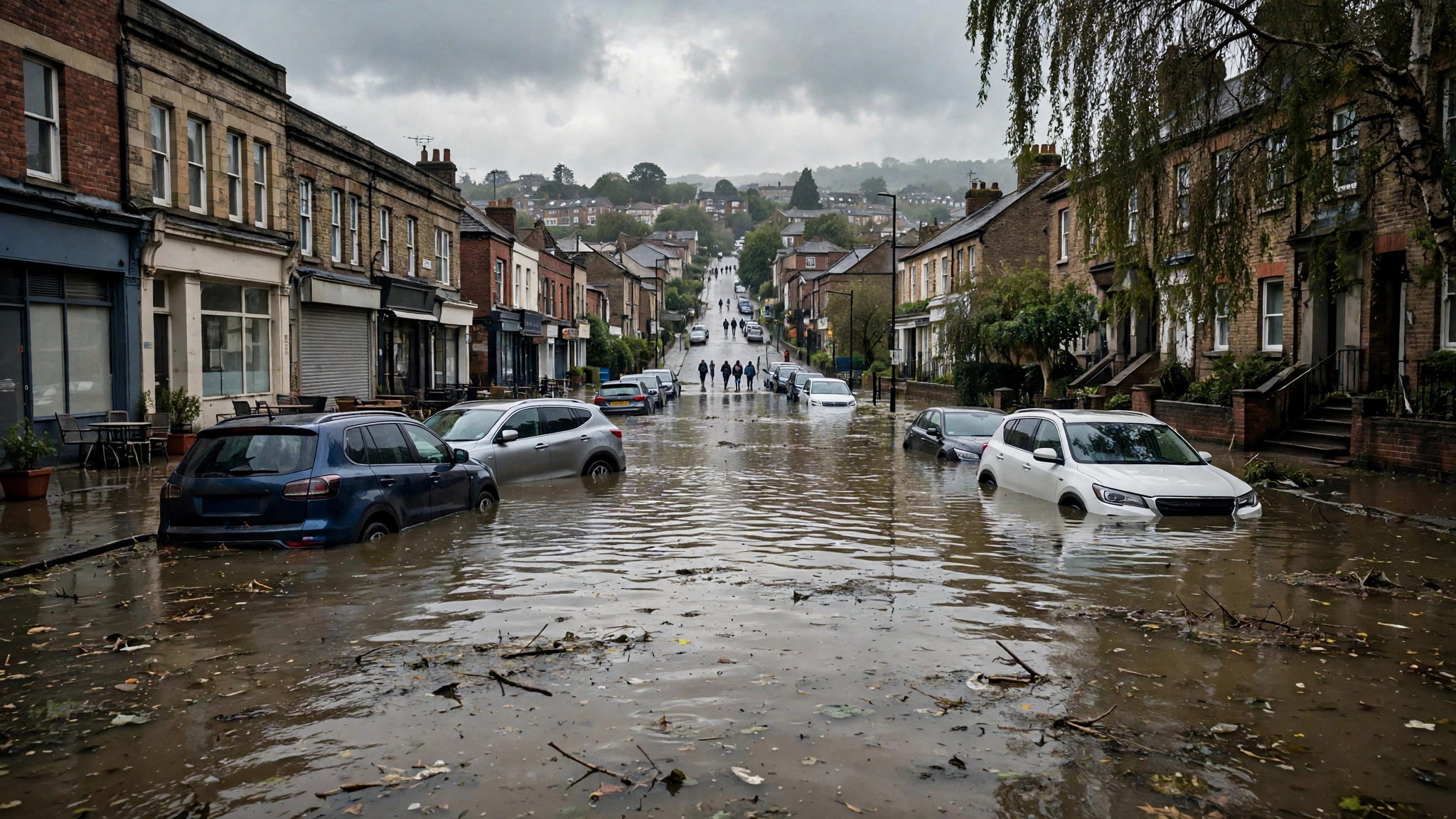
Water, not wind, causes most hurricane deaths. Hurricanes can cause massive flooding, from storm surge, heavy rain, and rivers bursting their banks. Flood water is deeper, faster and more dangerous than it looks. The National Safety Council is direct: never drive into flooded areas. If flood waters rise around your car, abandon the car and move to higher ground.
The same rule applies on foot. Do not walk through flood water. It may hide open drains, sharp objects, electrical wires and chemicals, and a small depth of fast-moving water can knock a person down. If you are driving in heavy rain, try to safely exit the road, stay in the vehicle, and turn on the emergency flashers. Wait for the rain to ease, or for help, rather than risking a flooded road.
During The Storm: Stay Inside And Stay Informed
While the hurricane passes, stay indoors, away from windows, and listen to official updates. The National Hurricane Center provides hurricane updates, and local emergency services provide local instructions. A battery-powered or hand-crank radio is valuable when power and mobile networks fail.
Avoid contact with electrical equipment, cords, metal and water. Do not touch anything electrical if you are wet or standing in water. If the power goes out, use torches rather than candles, to reduce fire risk. Keep refrigerator and freezer doors closed, to keep food cold for as long as possible. Check on neighbours, especially older people, by phone or message, if you can do so safely, but do not go outside until the all-clear is given.
After The Storm: Dangers That Remain
A hurricane can be devastating even after the initial storm has passed. First responders face multiple hazards during cleanup and recovery, and so do residents returning home. Make sure electricity is turned off before entering a flooded home, to avoid electrocution, and do not touch electrical equipment while standing in water.
While working around flooded homes, beware of stepping into a swimming pool or manhole hidden beneath flood water, which could lead to drowning. Do not wade through flood water without protective equipment, because it can contain bacteria, oil, hazardous materials, solid waste and other contaminants that can cause illness or death if swallowed, absorbed or inhaled. In areas with mould, mildew or other breathable hazards, facial hair can break the seal on a respirator, so it should be removed to maintain protection. Heat and humidity can easily cause heat stress, so take breaks and drink water. Learn about safe cleanup from local authorities, or visit ready.gov, as the National Safety Council advises.
The Lesson Of Every Hurricane Season
Every hurricane season teaches the same lesson. The storm itself is natural and unstoppable. The harm it causes is not fixed. It depends on preparation: a plan, a sturdy shelter, supplies gathered early, an evacuation taken in time, and respect for flood water. People who prepare are not lucky. They are ready.
If you live in a hurricane area, prepare this week, not when the next forecast appears. Board up windows in your mind, choose your assembly point, save your emergency agency’s number, and talk through the plan with your family. The forecast gives days of warning. Use them. The storm will arrive whether you are ready or not. Being ready is the one part you control.
You may also like
Frequently Asked Questions
How do you prepare for a hurricane?
Prepare early, while the weather is calm: find out if your home is in a flood or evacuation zone by contacting your local emergency management agency, make a written family plan with evacuation routes, an assembly point and an out-of-area contact, and gather water, food, medicines, torches, batteries, a radio and documents in a waterproof bag. When a storm is forecast, board up windows, secure loose items such as patio furniture, fill the car with fuel, charge phones, and leave early if officials order an evacuation. Hurricanes can be forecast several days ahead, so preparation done early saves lives.
When should you evacuate for a hurricane?
Evacuate when officials tell you to, and do so early, before roads flood and traffic builds up, taking your family plan, documents, medicines and pets if it is safe to do so. Know in advance where to go and how to get there, with more than one route in case the first is blocked, and tell your out-of-area contact where you are heading. Do not wait to see how bad the storm looks, because by then roads may be impassable and emergency services may not be able to reach you, and the bravest decision is often the earliest one.
Is it safe to stay home during a hurricane?
It can be safe to stay home only if you are not in an evacuation or flood-risk zone, officials have not ordered you to leave, and your home is a sturdy building away from the coast and flood water. Shelter in an interior room, bathroom or basement away from windows and exterior doors, listen for warning sirens and official updates, and stay indoors until authorities say it is safe, since the calm eye of a hurricane is followed by the second half of the storm. Avoid sheds, small structures, open areas, hilltops, beaches and boats, which offer no protection in hurricane wind and water.
Why is flood water so dangerous during a hurricane?
Flood water is the leading cause of hurricane deaths, because hurricanes cause massive flooding through storm surge, heavy rain and overflowing rivers, and water is deeper, faster and more dangerous than it looks. The National Safety Council warns never to drive into flooded areas, and to abandon a car and move to higher ground if flood water rises around it. Flood water can hide drains, sharp objects, electrical wires and chemicals, can knock a person down at a small depth, and can contain bacteria, oil, hazardous materials and waste that cause illness if swallowed, absorbed or inhaled.
What should you do after a hurricane passes?
After a hurricane, stay indoors until authorities say it is safe, since dangers remain even after the wind drops, including flood water, fallen power lines, damaged buildings and hidden hazards. Before entering a flooded home, make sure electricity is turned off to avoid electrocution, do not wade through flood water without protective equipment, and watch for pools or manholes hidden under water. Learn about safe cleanup from local authorities or ready.gov, take breaks and drink water in heat and humidity, and use torches rather than candles while power is out.
Sources
- National Safety Council — https://www.nsc.org/community-safety/safety-topics/emergency-preparedness/hurricane-preparedness