What To Do During Flood
In this post
- The First Rule Is Higher Ground
- Stay Informed From Official Sources
- Obey Evacuation Orders At Once
- Never Walk Through Flood Water
- Never Drive Into Flooded Roads
- If You Are Trapped By Rising Water
- Electrical Safety Saves Lives
- When The Water Goes Down
- Protecting Health During And After
- Prepare Before The Next Flood
- You may also like
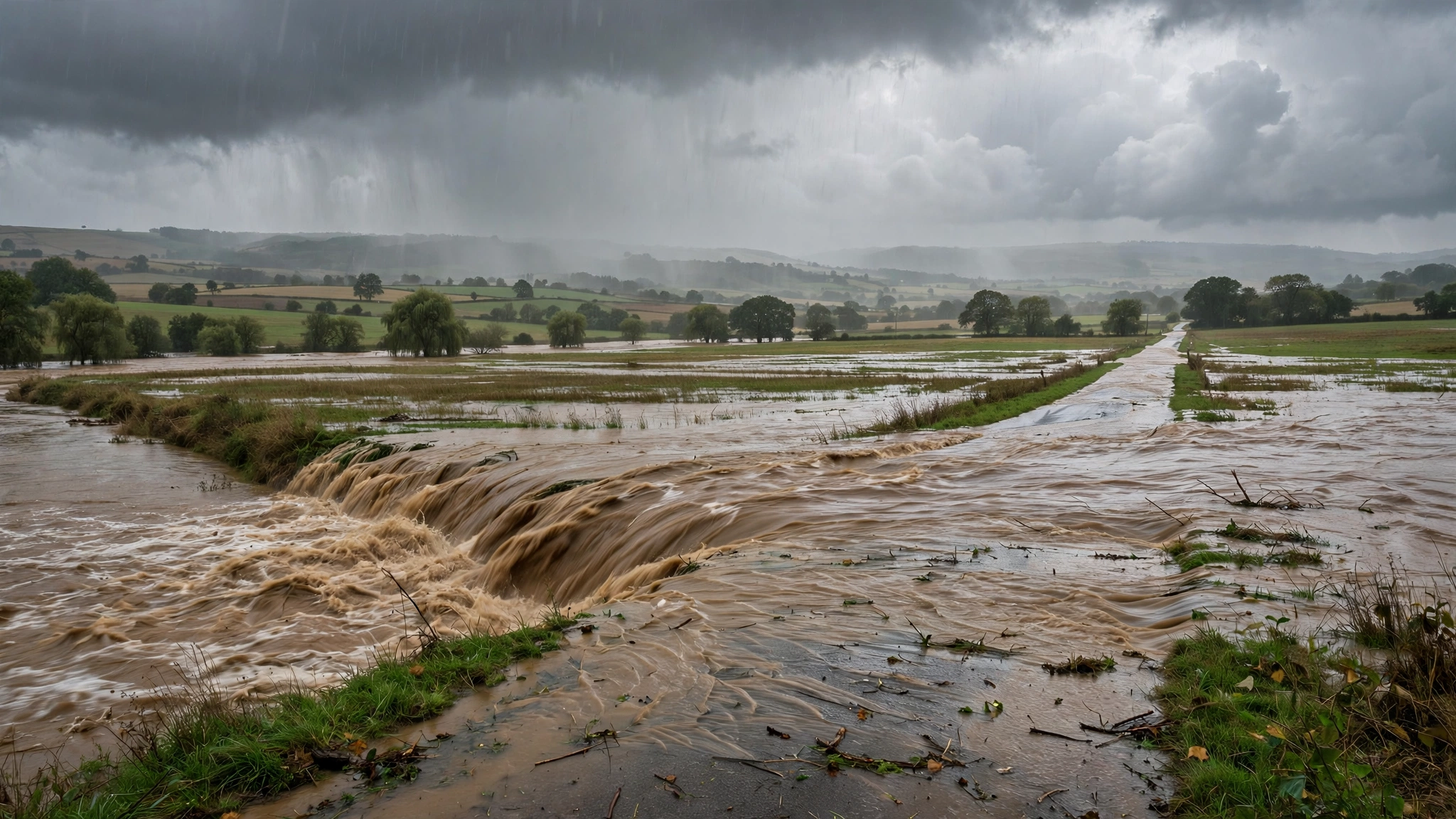
Flood water does not look frightening at first. It is only a few inches deep on a road. It moves slowly across a field. It rises quietly, while people watch from doorways and wonder whether it will stop. Then, in minutes, it is waist-deep, the road has vanished, and the car that seemed safe will not start. Floods kill because they look harmless until they are not.
This post explains what to do during a flood, using the safety guidance of the United States National Weather Service and the World Health Organization (WHO). The advice is simple, and it is the same in every country: higher ground, early, and never through the water.
The First Rule Is Higher Ground
During a flood, water levels and the rate the water is flowing can quickly change, the National Weather Service warns. Remain aware, monitor local radio and television outlets, and evacuate immediately when water starts to rise. Do not wait until it is too late.
If you live in a flood-prone area, or are camping in a low-lying area, get to higher ground immediately. Do not wait for the water to reach your door. Do not wait to see whether it will stop. Flood water can rise with frightening speed, especially in flash floods, where a river or stream can go from normal to dangerous in minutes. Higher ground, reached early, is the safest place to be. Everything else, belongings, cars, houses, can be replaced or repaired. People cannot.
Stay Informed From Official Sources
A flood is a fast-changing event, and rumours spread as fast as water. Stay informed by listening to radio and television, including NOAA Weather Radio if possible, and by checking the internet and social media for information and updates from official sources. The WHO gives the same advice: keep yourself informed by using official sources of information, and follow guidance from your local authorities.
Official warnings tell you which roads are closed, which areas must evacuate, and where shelters are open. Social media posts from strangers may be old, mistaken, or from another place entirely. In a flood, acting on wrong information can send you toward the water instead of away from it. Trust the authorities for your area, and check again often, because flood warnings change as the water moves.
Obey Evacuation Orders At Once
If you are told to evacuate, do so immediately. The National Weather Service is direct: obey evacuation orders, lock your home when you leave, and if you have time, disconnect utilities and appliances. Do not argue with the order. Do not stay to protect belongings. Do not assume the water will stop at your street.
The WHO adds practical detail. If you are advised to evacuate, take any medicines you might need in the short term, in a waterproof bag. Take essential documents, phone chargers, and water, if you can gather them quickly. If you are requested not to evacuate, move to a safe location recommended by local authorities, with essential items such as medicines and health records. In both cases, the principle is the same: follow the official instruction for your area, without delay.
Never Walk Through Flood Water
The most important safety rule of all is also the simplest: avoid flood waters at all costs. The National Weather Service explains why in numbers that surprise most people. It only takes 6 inches of moving water to knock you off your feet. Six inches is the depth of a school ruler. It does not look deep. It is enough to sweep an adult away.
Flood water hides dangers you cannot see: sharp objects, washed-out road surfaces, electrical wires, chemicals, and open drains. The water may also be contaminated with sewage and waste, which can cause illness if swallowed or if it enters cuts. The WHO advises avoiding walking or driving through flood water, and avoiding unstable buildings or structures. If you are stranded above the flood water, wait there for rescue and do not enter the water. Staying put, high and dry, is safer than wading toward help that may be further away than it looks.
Never Drive Into Flooded Roads
The rule for drivers is just as firm, and it has a name worth remembering: Turn Around, Don’t Drown. Do not drive into flooded roadways, and do not drive around a barricade. Water may be deeper than it appears, and it can hide hazards that destroy a car in seconds.
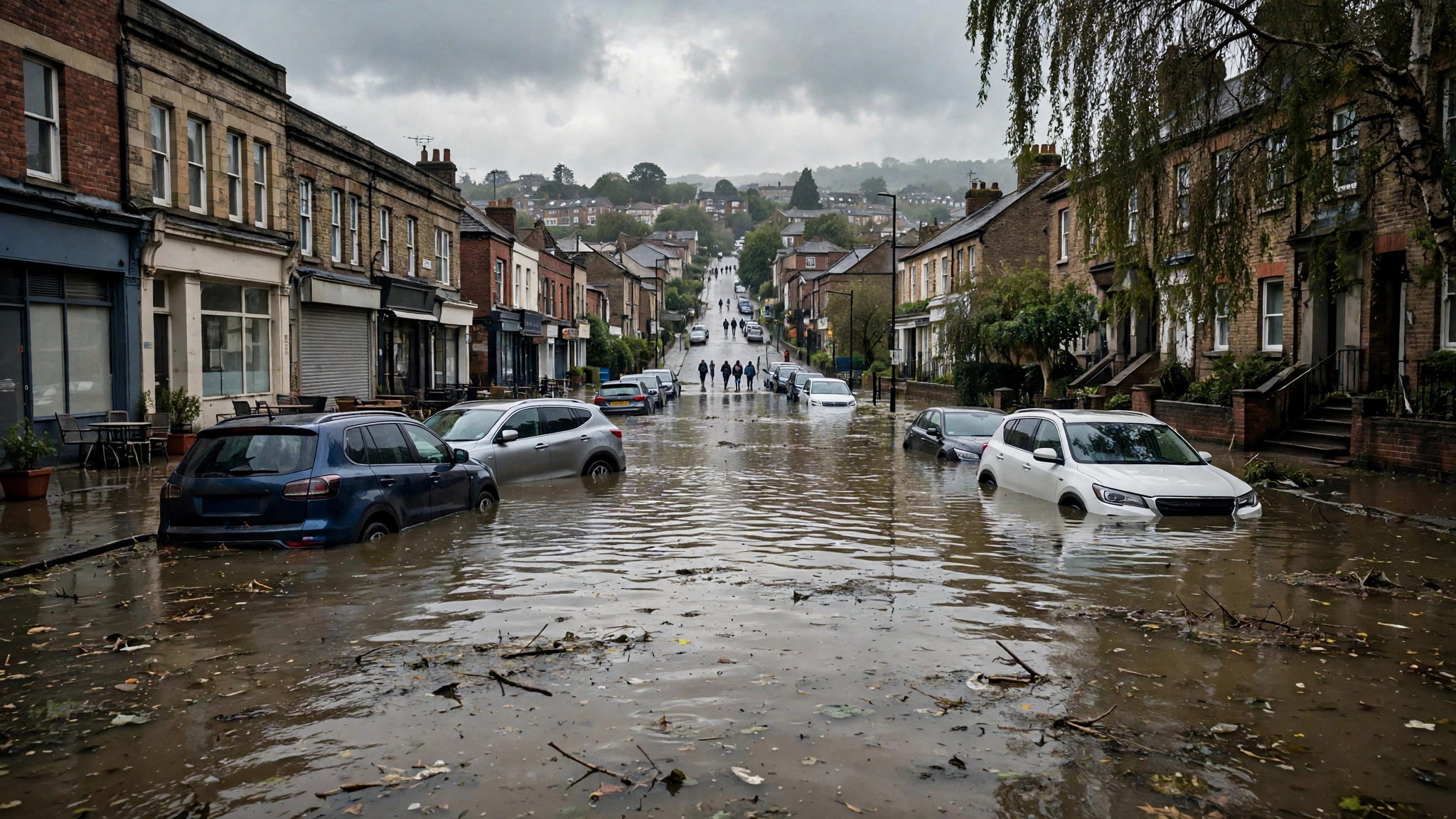
The National Weather Service gives the figures. Twelve inches of water can float a car or small SUV. Eighteen inches of water can carry away large vehicles. A vehicle caught in swiftly moving water can be swept away in seconds. Most flood deaths in cars happen because drivers believed the road was passable, or believed their vehicle was large enough. No ordinary vehicle is large enough. If a road is flooded, turn around and find another route, or wait on high ground.
If You Are Trapped By Rising Water
If you are trapped by moving water, move to the highest possible point and call emergency services if possible. Climb to a roof, a high floor, or a sturdy raised structure, and stay there. Do not try to swim through flood water. Do not try to walk to safety through water you cannot see through. Do not enter water to rescue belongings, pets or farm animals unless it is safe to do so, the WHO advises, and never at the risk of your own life.
Signal for help. Wave, shout, use a phone, a torch, or a bright cloth. Stay visible. Rescue teams search systematically, and a person on a high, visible point is far easier to find than a person moving through water. If you are in a car and water rises around it, abandon the car and move to higher ground, as soon as it is safe to get out. A car is not a boat, and it will not protect you once water is inside it.
Electrical Safety Saves Lives
Water and electricity are a deadly combination. The National Weather Service warns: do not go into a basement, or any room, if water covers the electrical outlets or if cords are submerged. If you see sparks, or hear buzzing, crackling, snapping or popping noises, get out. Stay out of water that may have electricity in it.
The WHO gives the same warning for returning home. Never turn power on or off, or use an electric appliance, while standing in water. Have home gas and electrical appliances checked by qualified professionals before using them. If your home has flooded, do not switch on lights or appliances until a professional has checked the system. The danger is invisible, and it does not end when the water goes down, because wiring and appliances can remain damaged long after a room looks dry.
When The Water Goes Down
Returning home is a second danger, and it needs the same care as the flood itself. Only return home if you have been advised that it is safe to do so, the WHO advises. Flood water leaves behind mud, sewage, chemicals and damaged structures. Wear a face mask, rubber boots, waterproof gloves and an apron while cleaning. Keep children away from flood-contaminated and muddy areas until a week after the water has receded.
Leave doors and windows open, whenever possible and safe, to dry out your home. Do not use petrol or diesel generators indoors, because they produce carbon monoxide, which can kill in an enclosed space. Throw away food, medicines and drinking water that have touched flood water. Clean and disinfect everything the water reached. And ask for help if you need it. Flood recovery is slow, dirty work, and no one should face it alone.
Protecting Health During And After
Floods affect health in ways that last after the water is gone. Contaminated water can cause stomach, skin, eye and ear infections. Mould can grow in damp homes and worsen breathing problems. Stress, exhaustion and loss affect mental health, especially for people who have lost homes, belongings or loved ones.
Look after yourself and others. Drink only safe water. Wash hands often, especially before eating. Cover cuts and wounds. Rest when you can. Talk to someone if you feel overwhelmed, and help neighbours, especially older people, people with disabilities, and families with small children, who may need extra support. A flood is a community event, and recovery works best when it is shared.
Prepare Before The Next Flood
The best time to prepare for a flood is before the rain begins. Know whether your home is in a flood-prone area. Know your evacuation route and your nearest high ground. Keep an emergency kit with water, food, medicines, torches, batteries, documents and chargers. Sign up for local flood alerts, and listen for warnings during heavy rain.
If you live near a river, a coast, or low ground, plan as if a flood will come, not as if it might. The plan need not be complicated. It needs only three parts: where to go, what to take, and when to leave. Where: high ground, or a shelter named by authorities. What: medicines, documents, phone, water. When: at the first warning, not when the water arrives. A plan made in dry weather is a promise you can keep in wet weather.
You may also like
Frequently Asked Questions
What should you do during a flood?
During a flood, get to higher ground immediately, stay informed through official radio, television and weather sources, and obey evacuation orders at once, locking your home and taking medicines in a waterproof bag if you have time. Never walk or drive through flood water, since just 6 inches of moving water can knock you off your feet, and never enter rooms where water covers electrical outlets or cords. If you are trapped, move to the highest possible point, call emergency services, wait for rescue, and do not enter the water to save belongings or animals unless it is safe to do so.
Why should you never walk through flood water?
Flood water looks shallow but is far more dangerous than it appears: it only takes 6 inches of moving water to knock a person off their feet, and it hides sharp objects, washed-out road surfaces, electrical wires, chemicals and open drains. Flood water is also often contaminated with sewage and waste, which can cause illness if swallowed or if it enters cuts in the skin. The National Weather Service and the WHO both advise avoiding flood water at all costs, and if you are stranded above it, waiting there for rescue rather than wading toward help.
Can you drive through a flooded road safely?
No, you should never drive into flooded roadways or around a barricade, under the rule known as Turn Around, Don’t Drown. Water may be deeper than it appears, and 12 inches of water can float a car or small SUV while 18 inches can carry away large vehicles, with a vehicle caught in swiftly moving water swept away in seconds. If flood water rises around your car, abandon the car and move to higher ground as soon as it is safe to get out, because a car is not a boat and will not protect you once water is inside it.
What should you do when you return home after a flood?
Only return home when authorities have advised that it is safe to do so, and never turn power on or off or use an electric appliance while standing in water, since wiring and appliances must be checked by qualified professionals first. Wear a face mask, rubber boots, waterproof gloves and an apron while cleaning, leave doors and windows open to dry the home when safe, and do not use petrol or diesel generators indoors. Keep children away from flood-contaminated and muddy areas until a week after the water has receded, and throw away food, medicines and drinking water touched by flood water.
How deep does flood water need to be to be dangerous?
Very little depth is enough to be dangerous: 6 inches of moving water can knock an adult off their feet, 12 inches can float a car or small SUV, and 18 inches can carry away large vehicles, according to the National Weather Service. Depth alone does not tell the whole story, because fast-moving water is more dangerous than still water, and hidden hazards such as open drains, sharp objects, electrical wires and chemicals make even shallow flood water risky. The safest rule is to treat all flood water as dangerous, avoid it entirely, and get to higher ground instead.
Sources
- National Weather Service — https://www.weather.gov/safety/flood-during
- World Health Organization — https://www.who.int/europe/emergencies/situations/climate-crisis-extreme-weather/public-health-advice-on-protecting-your-health-before-during-and-after-floods