What Pakistan's Government Crisis Means
In this post
Pakistan is going through a tense time. Politics is heated, fuel is getting more expensive, and the federal government and Khyber Pakhtunkhwa (KP) are in open conflict. If you feel confused by all the headlines, this post explains the main points in simple words.
The short version
- The federal government is led by Prime Minister Shehbaz Sharif of the PML-N party.
- KP is run by PTI, with Sohail Afridi as Chief Minister.
- Punjab is run by Maryam Nawaz of the PML-N.
- Petrol has crossed Rs398 per litre.
- There is open talk of governor’s rule in KP.
Who runs what?
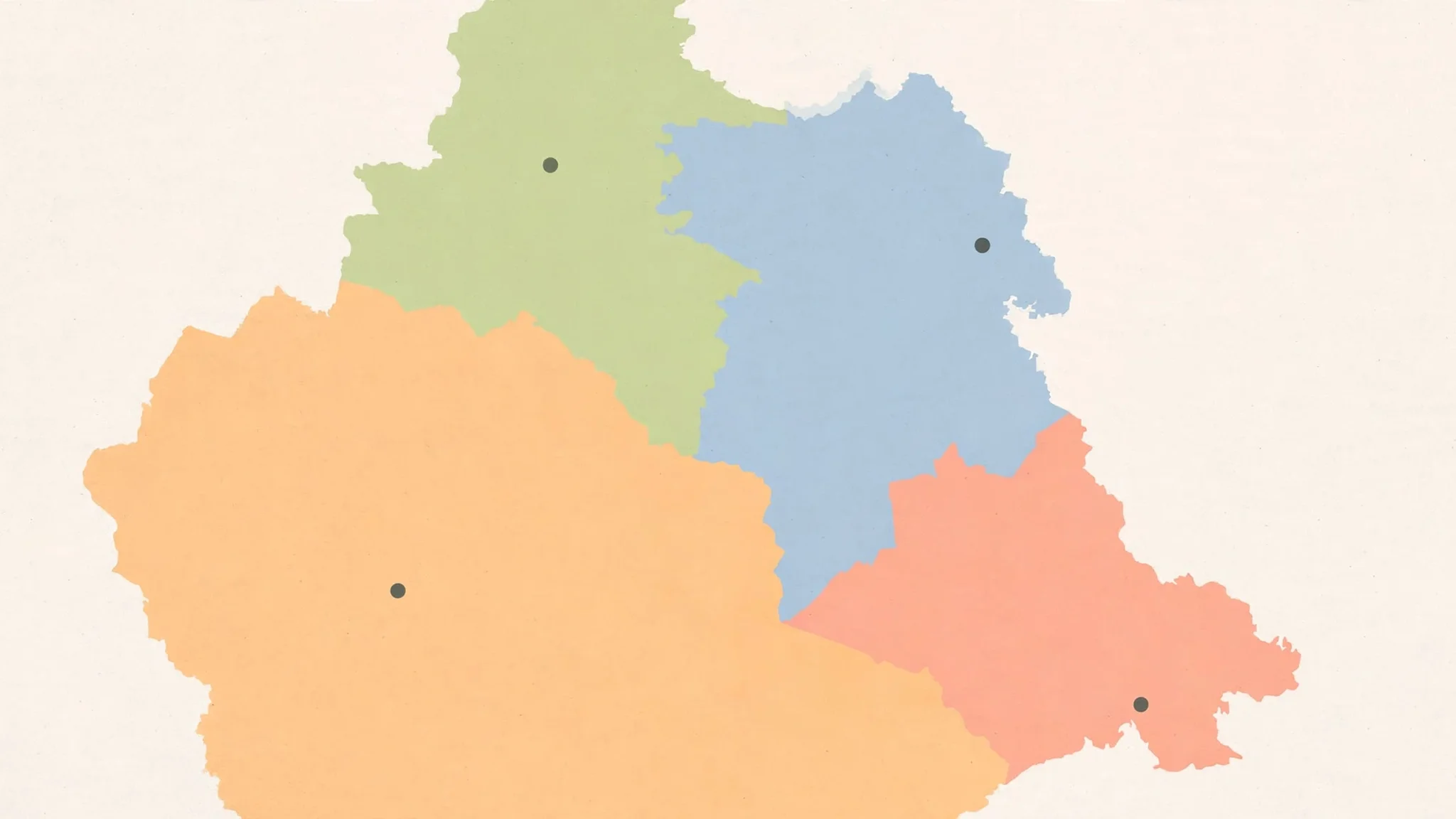
Pakistan has a federal government in Islamabad and four provincial governments. Each province has its own Chief Minister. Right now the three big players are on different sides: the federal government and Punjab belong to PML-N, while KP belongs to PTI. This is why they clash so often.
What is happening in KP?
PTI’s long march started on October 4 and is still moving inside KP. The main demand is the release of jailed leader Imran Khan.
At the same time, the federal government is unhappy with the KP government. Federal Information Minister Attaullah Tarar said that the KP government has failed to keep law and order and that terrorists are moving freely in the province. PTI does not agree with this.
Prime Minister Shehbaz Sharif has said that terrorism in KP must be stopped “at all costs”. KP Governor Faisal Karim Kundi has said that an emergency or governor’s rule would be imposed if the Prime Minister and the President think it is needed to save the province.
What is governor’s rule? It means the central government takes over the running of a province for some time. It is a very big step, and it can only be taken by the President on the advice of the Prime Minister. Chief Minister Afridi says he is not afraid of it and has accused the governor of acting against the Constitution.
What is the role of Punjab?
Punjab is the biggest province and the home of the ruling party. Because the KP march wants to go towards Islamabad, it would have to pass through Punjab, and a federal minister has already said it will not be allowed to enter Punjab or Islamabad.
PTI supporters often say that Punjab and the federal government are not fair to KP. In 2025, for example, a Punjab ban on wheat supply to KP caused a big outcry. The KP governor himself condemned it. The PML-N says it is only doing its job and following the law. Both sides blame each other, and we are only reporting what each side says.
Petrol price: the biggest worry for common people
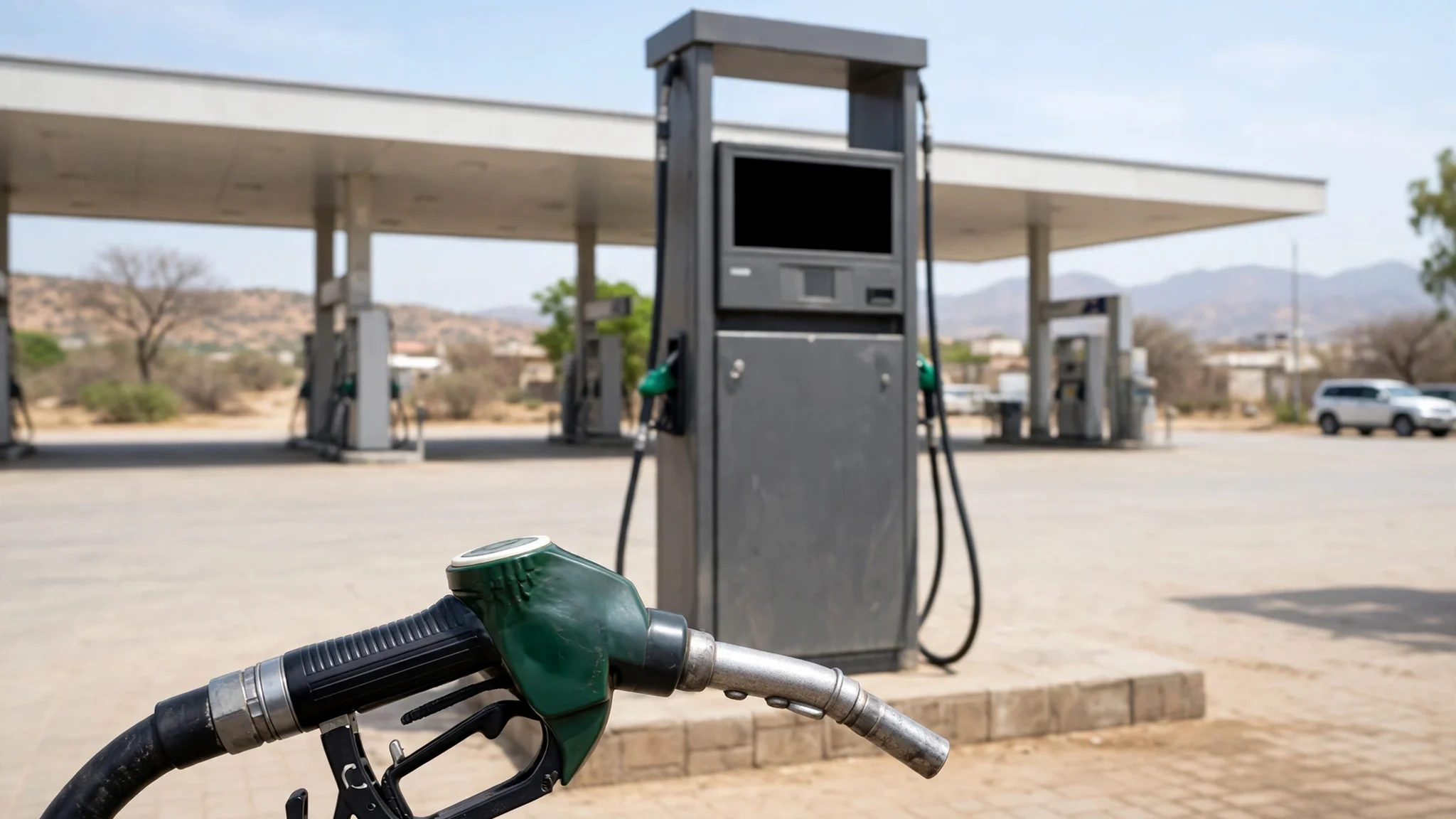
Fuel is the thing most people feel in their pocket. According to Pakistani news websites, petrol was Rs266.17 per litre on March 1, 2026. It then reached a peak of Rs458.41 on April 3. After that it came down, but it is still very high.
In the first week of October the price moved up almost every day. On October 9, petrol was increased by Rs2.31 and the new rate became Rs398.96 per litre. Diesel is at Rs395.72 per litre. The price may change again, so please check the latest rate before you fill your tank.
Why is it so high? Pakistan buys most of its oil from other countries, so any rise in international prices hits us quickly. The IMF has also noted that Pakistan gets nearly 90 percent of its energy imports from the Middle East, which has been hit by war this year.
What about inflation?
Inflation means prices of everyday things going up. The IMF expects Pakistan’s average inflation to be 8.4 percent in the current financial year, which is higher than last year (7 percent) and also above the government’s target. The good news is that the IMF expects it to come down in the coming years, if the government keeps its reforms going.
What happens next?
- KP’s march will announce its next plan soon, and the federal government may respond with talks or with tough steps like governor’s rule.
- Fuel prices will keep changing with international oil rates.
- Both PTI and the goverment say they want to solve the problems, but so far neither side has given way.
For ordinary people, the best thing is to stay informed from trusted sources and avoid rumours on social media.
This is a developing story, and details may change. We will keep you updated.
You may also like
My Take: Petrol Pain Hits Homes Before Politics Settles
Pakistan is going through a tense time, with politics heated, fuel getting more expensive, and the federal government and Khyber Pakhtunkhwa in open conflict, as this post explains in simple words. It sets out who runs what, what is happening in KP, the role of Punjab, the petrol price as the biggest worry for common people, and what inflation means for households, alongside reports of petrol nearing Rs400, with one price report putting petrol at Rs398.96 and diesel at Rs395.72, and talk of governor’s rule in KP described by a minister as premature. The post’s value lies in separating the political argument from the household bill, because the two move at different speeds.
My judgement is that ordinary people feel the petrol price long before any political dispute is settled, and that gap is where the real harm sits. A fight between governments can go on for weeks, with statements, meetings, and legal arguments. A family’s budget cannot wait for a settlement. Every rise at the pump raises the cost of getting to work, of moving goods, and of keeping a home running, and those costs arrive daily. I think coverage that treats the crisis as only a contest between parties misses the point. For a household, the crisis is not who wins the argument. It is whether the month’s money lasts to the end of the month, and whether a further rise can be absorbed without cutting food, schooling, or medicine.
Two mistakes are common when petrol and politics collide, and both should be avoided. One is to believe that a single price change, up or down, proves a whole policy right or wrong. Petrol prices move for many reasons, including the levies and taxes the post’s companion coverage discusses, and one fortnight’s figure is a poor verdict on a government. The other mistake is to treat political tension as background noise that has nothing to do with prices. Tension itself has a cost. Uncertainty makes businesses cautious, makes transport costlier, and makes planning harder for everyone. In my view, the honest position is to judge the politics and the prices separately, while recognising that they press on the same household from two sides at once.
What should readers do differently? Follow the petrol price as a household fact, not as a slogan, and check what part of the price comes from fuel itself and what part comes from levies and taxes. Follow the KP and federal dispute as a question of how the country is governed, and ask whether each step brings a settlement closer or pushes it away. Above all, refuse to let either story hide the other. A political win that leaves families poorer at the pump is not a full win. A cheaper pump price that leaves institutions weaker is not a full win either. My call is to keep both measures in view, and to judge leaders by both: by the calm they restore, and by the bills their people can actually pay.
Frequently Asked Questions
What is the government crisis in Pakistan right now?
Pakistan is going through a tense time, with the federal government and Khyber Pakhtunkhwa in open conflict, fuel getting more expensive, and open talk of governor’s rule in KP. The federal government is led by Prime Minister Shehbaz Sharif of the PML-N, KP is run by PTI with Sohail Afridi as Chief Minister, and Punjab is run by Maryam Nawaz of the PML-N. Because the federal government and Punjab belong to PML-N while KP belongs to PTI, the three sides clash often. Petrol had crossed Rs398 per litre, and PTI’s long march, which started on October 4 with the main demand of Imran Khan’s release, was still moving inside KP.
What is governor’s rule and when can it be imposed in KP?
Governor’s rule means the central government takes over the running of a province for some time. It is a very big step, and it can only be taken by the President on the advice of the Prime Minister. KP Governor Faisal Karim Kundi said an emergency or governor’s rule would be imposed if the Prime Minister and the President thought it was needed to save the province. Chief Minister Afridi said he was not afraid of it and accused the governor of acting against the Constitution. Federal Information Minister Attaullah Tarar said the KP government had failed to keep law and order and that terrorists were moving freely in the province, which PTI does not accept.
Why is petrol so expensive in Pakistan?
Petrol is expensive mainly because Pakistan buys most of its oil from other countries, so any rise in international prices hits quickly, and the IMF has noted that Pakistan gets nearly 90 percent of its energy imports from the Middle East, which has been hit by war this year. According to Pakistani news websites, petrol was Rs266.17 per litre on March 1, 2026, reached a peak of Rs458.41 on April 3, then came down, but in the first week of October it moved up almost every day. On October 9, petrol was increased by Rs2.31 to Rs398.96 per litre, with diesel at Rs395.72 per litre, and the price may change again.
What is the role of Punjab in the KP crisis?
Punjab is the biggest province and the home of the ruling party, and because the KP march wants to go towards Islamabad, it would have to pass through Punjab, which a federal minister has already said it will not be allowed to enter. PTI supporters often say Punjab and the federal government are not fair to KP, and in 2025 a Punjab ban on wheat supply to KP caused a big outcry that the KP governor himself condemned. The PML-N says it is only doing its job and following the law. Both sides blame each other, and the post reports only what each side says.
Sources
- Pak Observer: Petrol price in Pakistan inches away from Rs400
- Gari.pk: New petrol price reaches Rs398.96, diesel at Rs395.72
- ARY News: Atta Tarar says talk of governor’s rule in KP is premature
- The Organiser: Confrontation between KP and federal government escalates
- The News: IMF sees Pakistan’s inflation at 8.4pc in FY2026-27
- Daily Times: Governor Faisal Karim Kundi on Punjab wheat ban